
The best gluten free bread in NZ is widely considered to be the Venerdi Gluten Freedom range for its superior sourdough texture and clean ingredients, closely followed by Vogel’s Gluten Free for its classic sandwich stability. For budget-conscious shoppers, Bakeworks Home St. offers excellent value and availability across major supermarkets like New World and Woolworths.
Finding gluten-free bread that doesn’t taste like cardboard or crumble into dust the moment you look at it is a rite of passage for Coeliacs and gluten-intolerant Kiwis. Gone are the days of vacuum-sealed bricks; the New Zealand market now boasts artisanal loaves that rival their wheat-based counterparts. This guide investigates the structural integrity, taste profiles, and value of the top contenders on Kiwi shelves.
What are the top gluten-free bread brands in NZ?
When scouring the aisles of Pak’nSave, New World, or Woolworths, three major players dominate the premium gluten-free bread market in New Zealand: Vogel’s, Venerdi, and Bakeworks (Home St.). Each brand approaches the “gluten-free challenge” differently, utilizing distinct flour blends and fermentation methods.
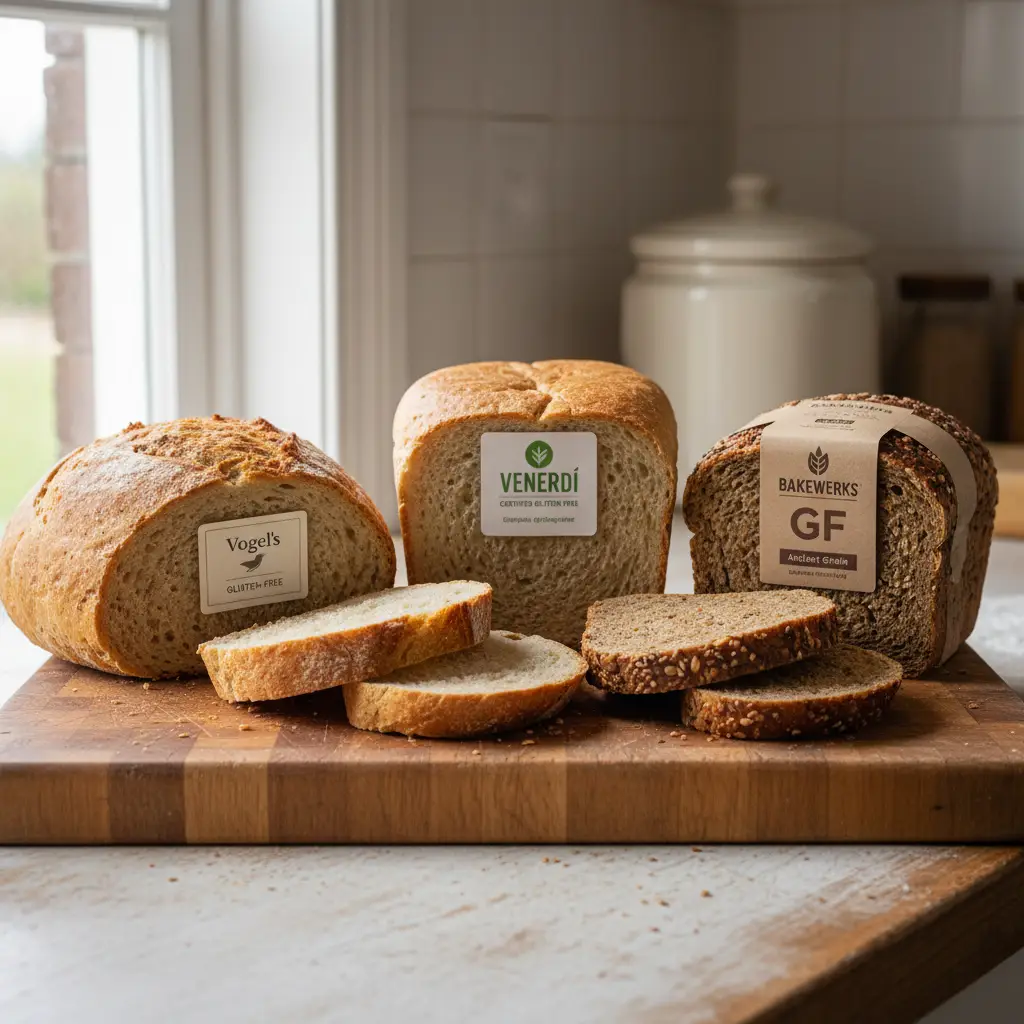
Vogel’s Gluten Free Range
Vogel’s is a household name in New Zealand, famous for its density and texture. Their gluten-free transition has been remarkably successful. They typically use a maize starch and modified tapioca starch base. The standout feature of Vogel’s is the “squish factor”—it feels more like traditional supermarket bread than most competitors.
- Key Varieties: Soy & Linseed, 6 Seed, Wholemeal.
- Pros: Soft texture straight from the packet; widely available; familiar brand taste.
- Cons: Can be slightly gummy if not toasted; contains soy (allergen for some).
Venerdi (Gluten Freedom)
Venerdi, based in Auckland, has positioned itself as the artisanal choice. Their “Gluten Freedom” range often utilizes sourdough fermentation, which improves digestibility and flavor depth. Unlike the starch-heavy blends of commercial alternatives, Venerdi leans heavily on nutrient-dense flours like buckwheat, chia, and flax.
- Key Varieties: Broken Black Rice & Polenta, Sweet Potato Sourdough, Hemp & Rosemary.
- Pros: Superior nutritional profile; organic ingredients; excellent structural integrity; delicious sourdough tang.
- Cons: Higher price point; crust can be tough for some; slices are often smaller.
Bakeworks (Home St.)
Bakeworks produces the “Home St.” line, marketed as a cleaner, sprout-based alternative. They focus on minimizing modified starches and maximizing sprouted grains. This bread is often praised for being “safe” for multiple allergies, as many loaves are also dairy and soy-free.
- Key Varieties: Sprouted Goodness, Keto Loaf, Paleonola.
- Pros: Excellent for multiple allergies; sprouted grains offer better mineral absorption; hearty texture.
- Cons: Can be dry if not fresh; slices tend to be thinner.
Which GF bread has the best texture and taste?
The ultimate test for any gluten-free loaf is the “bend test.” Can you fold a slice in half without it snapping? We tested the leading varieties to evaluate crumb structure, moisture retention, and mouthfeel.
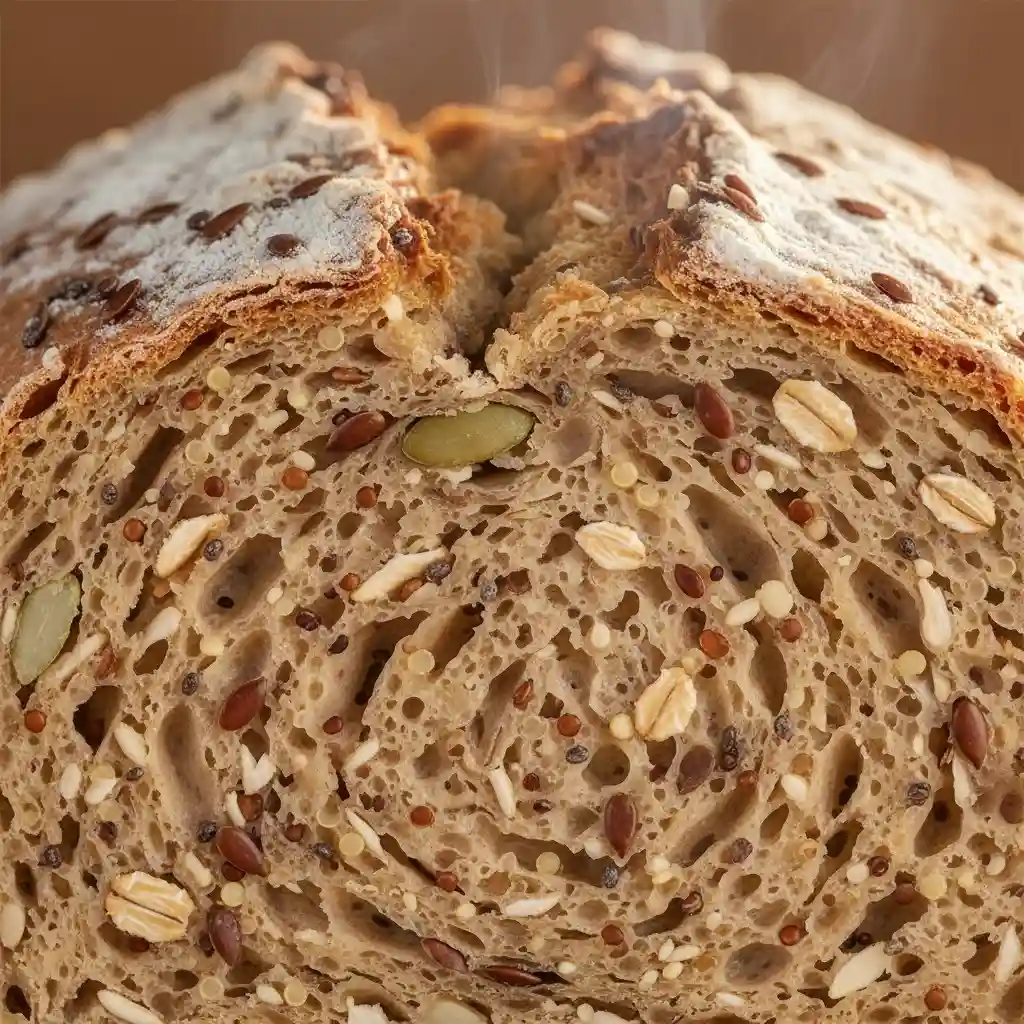
The Crumb Analysis
Venerdi’s Sweet Potato Sourdough came out on top for texture complexity. The fermentation process creates air pockets similar to wheat bread, eliminating the dense, cake-like crumb often found in GF baking. It has a chewy crust and a moist interior that holds together well under the weight of toppings.
Vogel’s 6 Seed won the category for softness. It relies on hydrocolloids (like vegetable gums) to mimic the elasticity of gluten. While this makes it incredibly soft, some testers found the texture slightly synthetic compared to the rustic feel of Venerdi.
Home St. Sprouted Goodness sits in the middle. It has a coarser, nuttier texture due to the sprouted grains. It feels wholesome and filling, though it lacks the elasticity of Vogel’s.
What is the best bread for sandwiches vs. toast?
Not all GF breads are created equal when heat is applied. The starch composition changes drastically upon toasting, often turning a gummy slice into a delightful crisp carrier for avocado.
Best for Fresh Sandwiches: Vogel’s
If you are packing a lunchbox for work or school, Vogel’s Gluten Free Soy & Linseed is the clear winner. It is one of the few gluten-free breads in New Zealand that does not require toasting to be palatable. It remains soft at room temperature and doesn’t dry out by lunchtime, provided the sandwich is wrapped correctly. The slices are also standard sandwich size, fitting perfectly into lunchboxes.
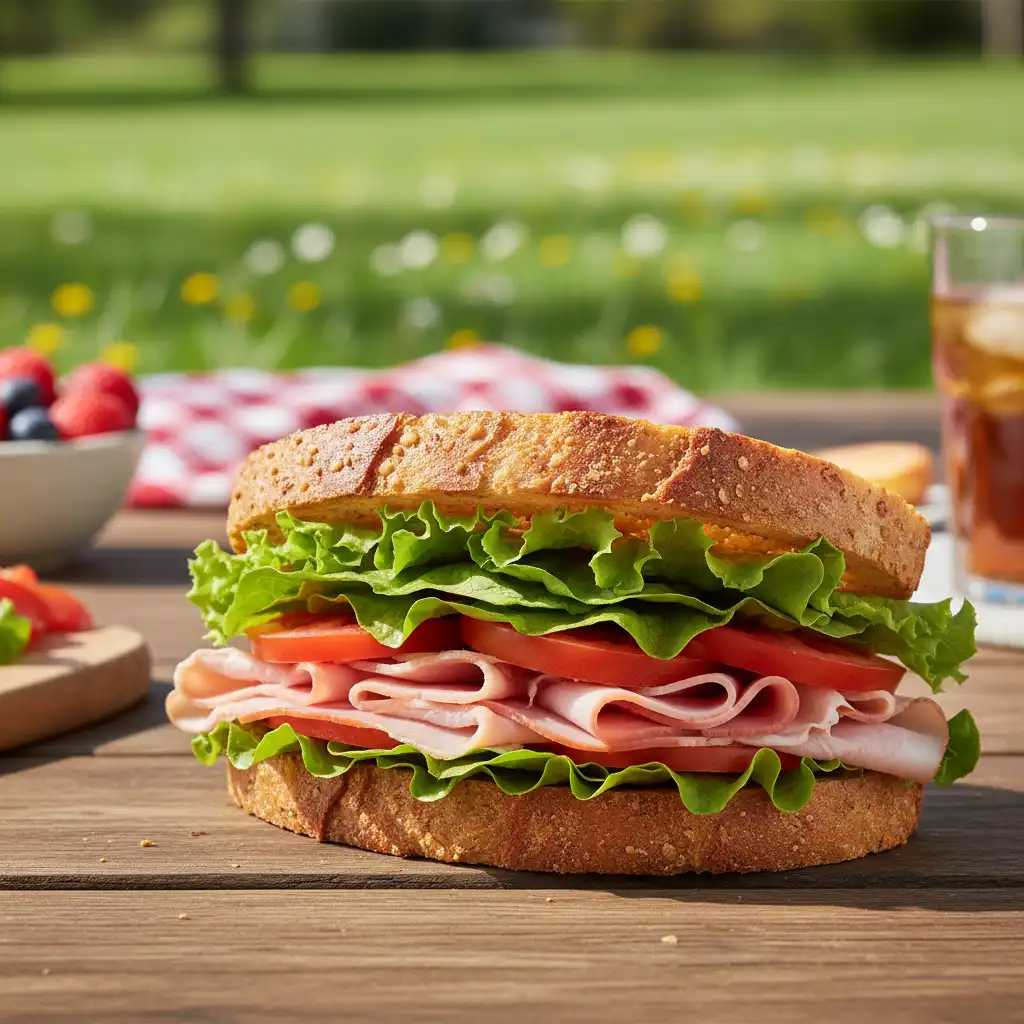
Best for Toasting: Venerdi
When it comes to breakfast toast, Venerdi Gluten Freedom is unmatched. The sourdough starter reacts beautifully to heat, caramelizing the crust and creating a crunchy exterior with a steaming, soft interior. It supports heavy toppings—like poached eggs or smashed avocado—without becoming soggy or collapsing, a common failure point for starch-based GF breads.
Is gluten-free bread expensive in NZ?
Yes, compared to standard wheat bread (often $1.50 – $3.00), gluten-free options are significantly pricier due to the cost of alternative flours and dedicated gluten-free baking facilities required for Coeliac NZ certification.
Price Per Slice Comparison (Approximate)
To understand the true value, we must look beyond the shelf price. Loaf weights vary significantly, with some “loaves” weighing as little as 500g compared to the standard 700g+ wheat loaves.
- Bakeworks Home St. (Start Range): Approx. $7.50 per loaf. With roughly 14 usable slices, this averages $0.53 per slice.
- Vogel’s Gluten Free: Approx. $8.00 – $9.00 per loaf. Larger slice surface area. Averages $0.60 per slice.
- Venerdi Gluten Freedom: Approx. $9.50 – $10.90 per loaf. Denser, smaller slices. Averages $0.75 per slice.
Note: Prices fluctuate between supermarkets and regions. Buying in bulk or freezing loaves when on special (often 2 for $15) is the best strategy for the budget-conscious.
Which GF bread is the healthiest?
Many consumers assume “Gluten-Free” equals “Healthy,” but this is a misconception. To compensate for the lack of gluten structure, manufacturers often add extra sugar, fats, and refined starches (tapioca, maize, rice flour) which can spike blood sugar levels.
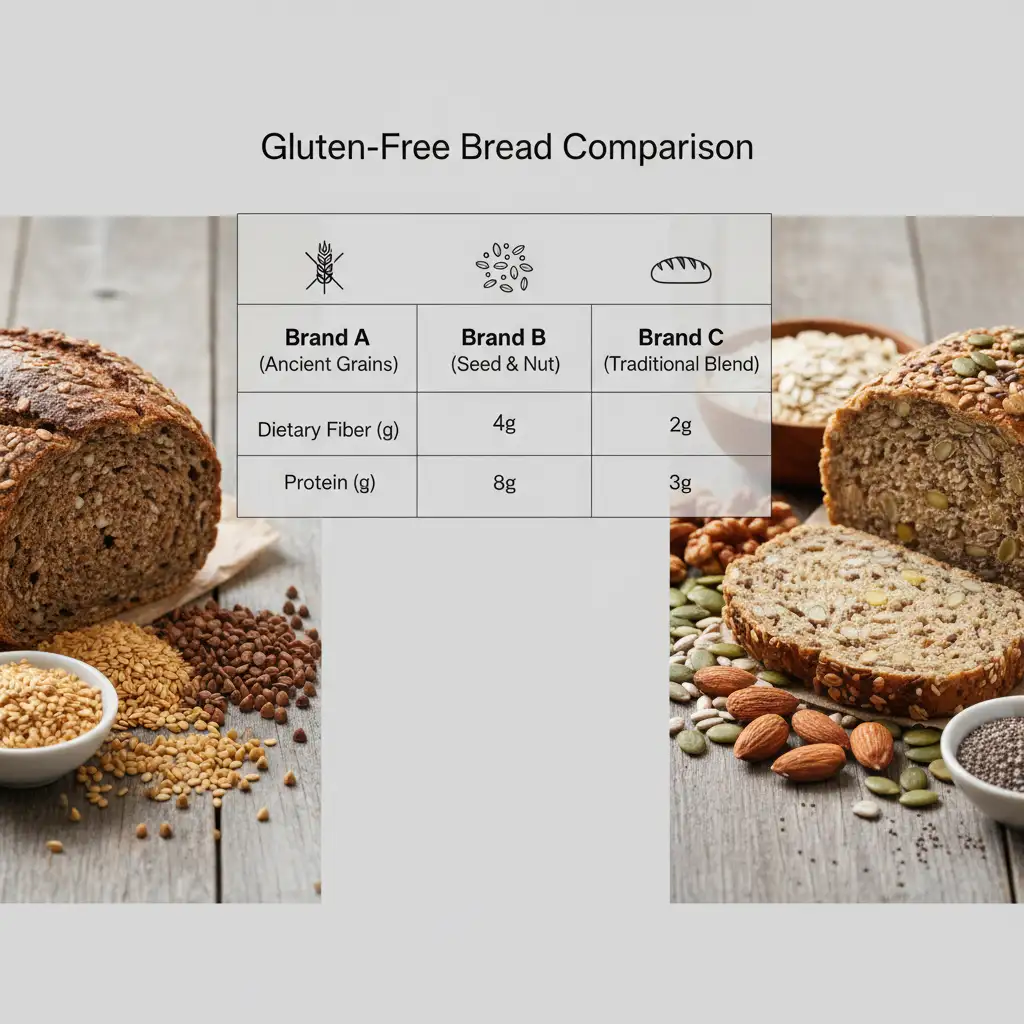
The Winner: Venerdi
Venerdi takes the crown for nutritional density. Their use of sourdough fermentation lowers the glycemic index (GI) of the bread. Furthermore, they utilize whole food ingredients like buckwheat and chia seeds rather than just white rice flour. Their “Keto” range is also exceptionally high in fiber and protein, making it much more satiating than Vogel’s or standard supermarket brands.
Runner Up: Bakeworks Home St.
The sprouted grain process increases the bioavailability of nutrients, making it a solid choice for those looking for mineral content.
Caution: If you are diabetic or watching your sugar intake, be wary of the standard Vogel’s GF lines, as they can be higher in carbohydrates and modified starches compared to the paleo/keto specific options.
How do you store gluten-free bread?
Gluten-free bread lacks the preservatives and moisture-retaining properties of commercial wheat bread. Leaving it in the pantry is often a recipe for mold or rock-hard crusts within 48 hours.
- Freezing is King: The moment you buy your GF bread, separate the slices gently to ensure they aren’t stuck, and place the loaf in the freezer. Toasting straight from frozen yields the best texture, restoring moisture to the starch lattice.
- Avoid the Fridge: Refrigerating bread actually accelerates the staling process (retrogradation of starch) faster than leaving it on the bench. It draws moisture out, leaving you with a dry, crumbly mess.
- Resealing: If you must keep it in the pantry, ensure it is double-bagged or in an airtight container, and aim to consume it within 2 days.
Final Verdict: What should you buy?
The “best” bread depends entirely on your use case:
- For the Foodie / Sourdough Lover: Buy Venerdi Gluten Freedom. It’s expensive, but the taste and texture are culinary grade.
- For the Kids / Lunchboxes: Buy Vogel’s Gluten Free. It’s soft, familiar, and doesn’t need to be toasted.
- For the Health Conscious / Multi-Allergy: Buy Bakeworks Home St. or Venerdi’s Keto range for high fiber and low carb options.
People Also Ask
Why is gluten-free bread in NZ so expensive?
Gluten-free bread is expensive due to the higher cost of raw ingredients (like almond meal, buckwheat, and xanthan gum) compared to wheat flour. Additionally, manufacturers must maintain strictly segregated facilities to achieve Coeliac NZ certification, which increases operational costs.
Is Vogel’s gluten-free bread safe for Coeliacs?
Yes, Vogel’s gluten-free range is made in a dedicated gluten-free facility and is suitable for Coeliacs. However, always check the packaging for the “Crossed Grain” logo or certification to ensure safety.
Can you buy gluten-free sourdough in New Zealand?
Yes, Venerdi offers a popular range called “Gluten Freedom” which includes sourdough varieties like Sweet Potato Sourdough and Broken Black Rice Sourdough. These are fermented naturally, providing a tangy flavor and better digestibility.
Which NZ supermarket has the best gluten-free range?
Generally, New World and Farro Fresh tend to stock a wider variety of artisanal and premium gluten-free brands like Venerdi and Midnight Baker. Woolworths (Countdown) and Pak’nSave stock the major staples like Vogel’s and Bakeworks at competitive prices.
Does gluten-free bread have more sugar?
It can. To improve taste and texture, some gluten-free breads add extra sugar or use high-glycemic flours (like rice or tapioca). It is important to read the nutritional panel; brands like Venerdi and Bakeworks often offer lower-sugar or keto options.
What is the best way to freshen up stale gluten-free bread?
The best way to refresh stale gluten-free bread is to wrap it in a damp paper towel and microwave it for 10-15 seconds, or sprinkle it with water and toast it. This rehydrates the starches, making the bread soft again.