
Hidden gluten in sauces refers to the stealthy inclusion of wheat-based thickeners, barley malt vinegar, and fermented wheat in soy sauce, which are often overlooked in condiments. For those seeking gluten free sauces NZ wide, identifying these ingredients is critical, as standard gravies, marinades, and salad dressings frequently contain gluten unless explicitly certified safe for Coeliacs.
Navigating the supermarket aisles in New Zealand for safe condiments can feel like walking through a minefield. While a block of cheese or a piece of steak is obviously gluten-free, processed sauces are where manufacturers often hide wheat flour, hydrolyzed vegetable protein, and malt flavorings. Whether you are newly diagnosed with Coeliac disease or simply adopting a gluten-free lifestyle, understanding the chemistry of sauces is your first line of defense.
Why is Soy Sauce a Trap for Gluten-Free Diets?
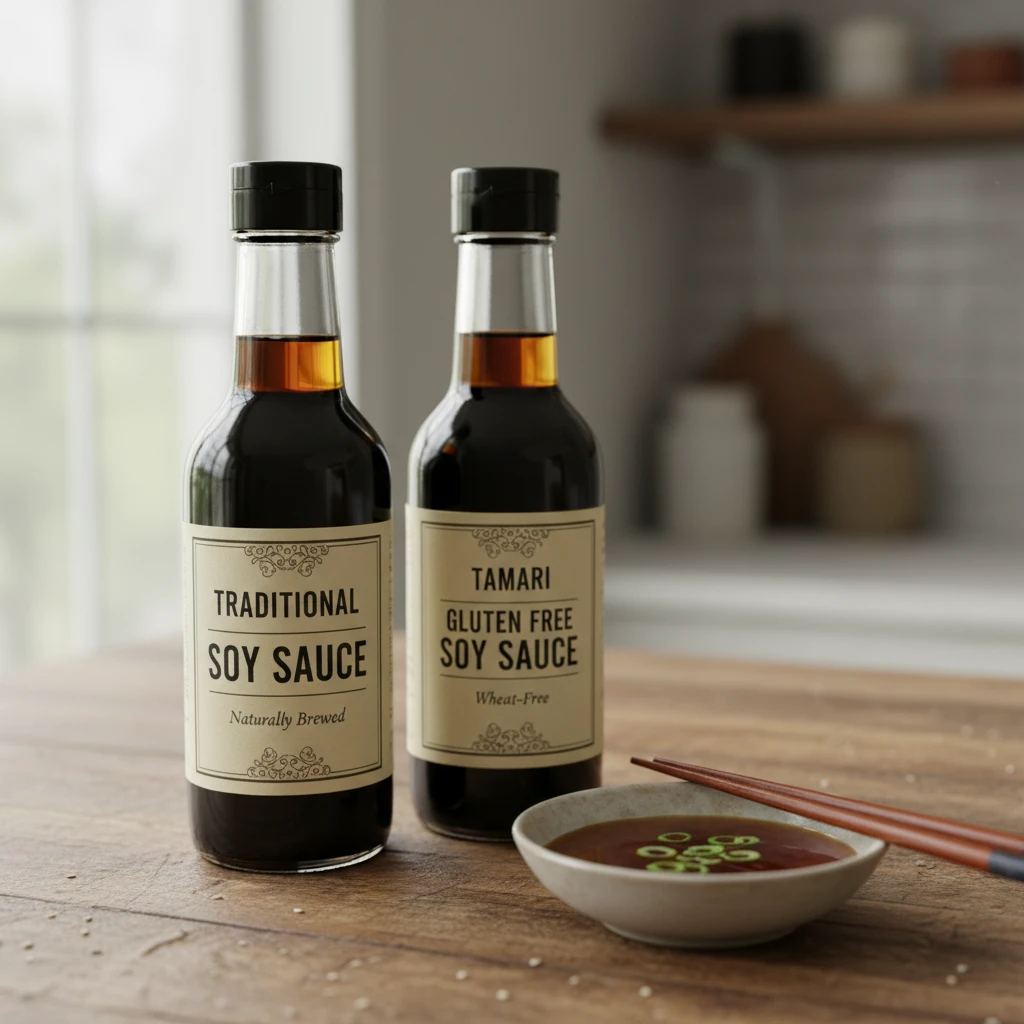
Soy sauce is arguably the most common source of accidental gluten ingestion. Many consumers assume that because it is made from soy, it must be safe. However, traditional soy sauce is brewed by fermenting a mixture of mashed soybeans and wheat. The wheat provides the sugars necessary for fermentation and adds a specific flavor profile. Consequently, standard soy sauce contains significant amounts of gluten.
What are the alternatives to regular soy sauce?
The primary alternative is Tamari. While Tamari is also a Japanese soy sauce, it is traditionally made with little to no wheat. However, you must always check the label, as some modern Tamari brands do include small amounts of wheat. In New Zealand supermarkets, look for brands like Ceres Organics or Kikkoman Gluten-Free Soy Sauce (specifically the one with the blue label or explicit GF text). Another alternative is Coconut Aminos, which is naturally gluten-free and soy-free, offering a sweeter, less salty profile.
Are Oyster and Hoisin sauces gluten-free?
Generally, no. Standard Oyster and Hoisin sauces rely heavily on wheat flour as a thickening agent to achieve their viscous consistency. When cooking Asian-inspired dishes at home, you cannot use the standard bottles found in the general aisle. You must seek out specific “Gluten-Free” versions. Brands like Ayam and Lee Kum Kee (their specific GF range with green labels) are widely available in NZ supermarkets like Countdown, New World, and Pak’nSave.
Which Tomato and BBQ Sauces are Safe in NZ?
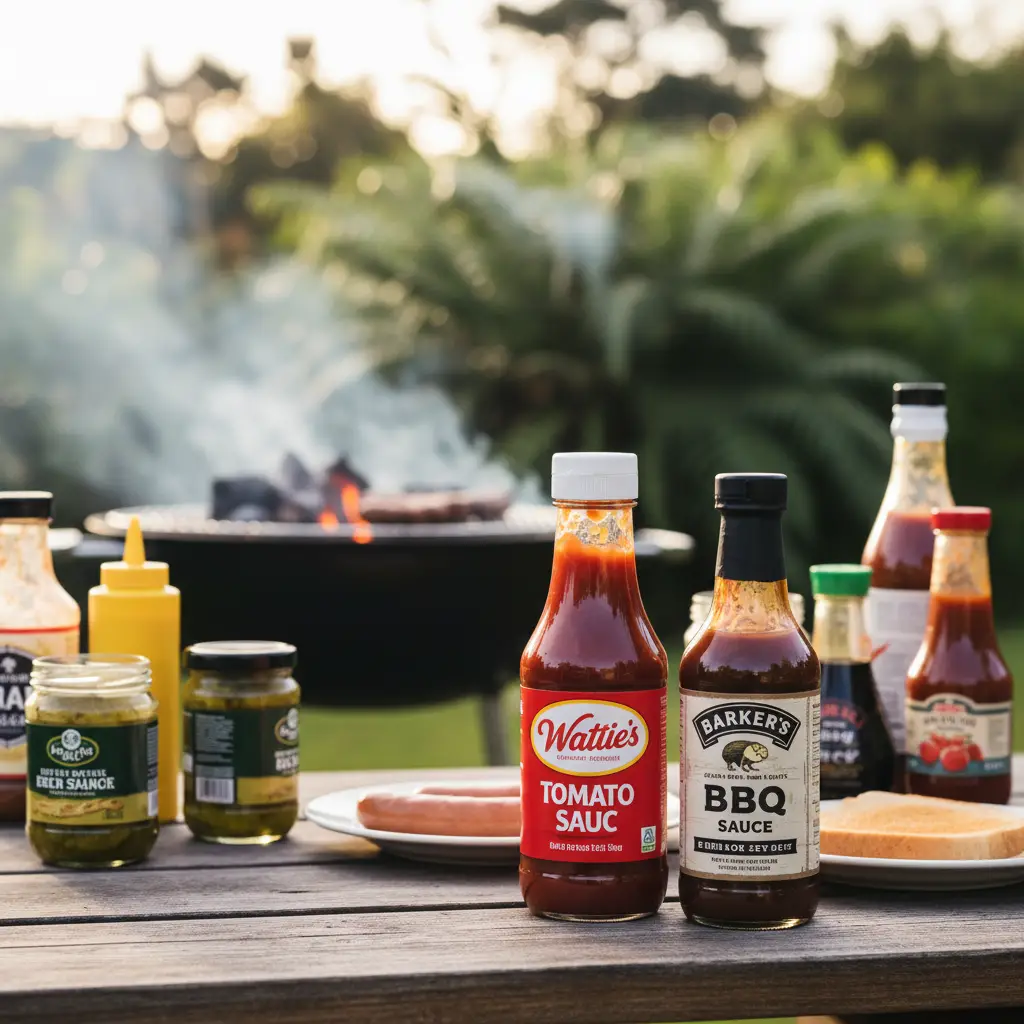
Tomato sauce and BBQ sauce are staples at any Kiwi barbecue, but they differ significantly in their risk levels. Tomato sauce is generally safer, but BBQ sauce is frequently thickened with wheat or flavored with malt vinegar (derived from barley).
Is Wattie’s Tomato Sauce gluten-free?
For many Kiwis, it’s not a meal without Wattie’s. The good news is that traditionally, Wattie’s Tomato Sauce has been gluten-free, but formulations can change. Wattie’s is generally very good at declaring allergens. If wheat is present, it will be bolded in the ingredients list. However, always verify the bottle. While the classic tomato sauce is usually safe, flavored variations (like “Homestyle” or those with added spices) may use thickeners derived from wheat.
Why is BBQ Sauce risky?
BBQ sauce is more complex than tomato sauce. It often requires a thicker texture and a smoky, malty flavor. This is achieved using:
- Wheat Flour: Used to thicken the sauce so it sticks to meat.
- Malt Vinegar: Made from barley, which contains gluten.
- Malt Extract: Used for color and sweetness, also derived from barley.
When shopping for gluten free sauces NZ, compare brands carefully. Whitlock’s and Barker’s of Geraldine produce excellent chutneys and sauces, and they clearly mark their gluten-free products. Barker’s, in particular, has a strong range of GF condiments, but never assume—always read the back of the jar. Avoid generic “budget” brands of BBQ sauce unless they carry a “Gluten Free” logo, as cost-cutting often involves using cheaper wheat-based thickeners.
Hidden Gluten in Stock Powders and Gravy Mixes
Winter in New Zealand calls for roasts and cascades, but these are high-risk meals for Coeliacs due to the stocks and gravies used. Traditional gravy is made by making a roux—cooking fat with wheat flour—before adding liquid. Instant gravy powders mimic this by using modified wheat starch.
How do I find gluten-free stock?
Many standard stock cubes and powders use wheat as a bulking agent or carrier for flavors. Massel is a standout brand in New Zealand that is entirely plant-based and gluten-free. Their stock cubes and powders are safe. Continental and Maggi have specific gluten-free ranges, but their standard products often contain wheat. Be wary of “Hydrolyzed Vegetable Protein” listed in ingredients; if the source isn’t specified, it could be wheat, though NZ law requires the source to be declared if it is a common allergen.
What are the safe alternatives for thickening gravy?
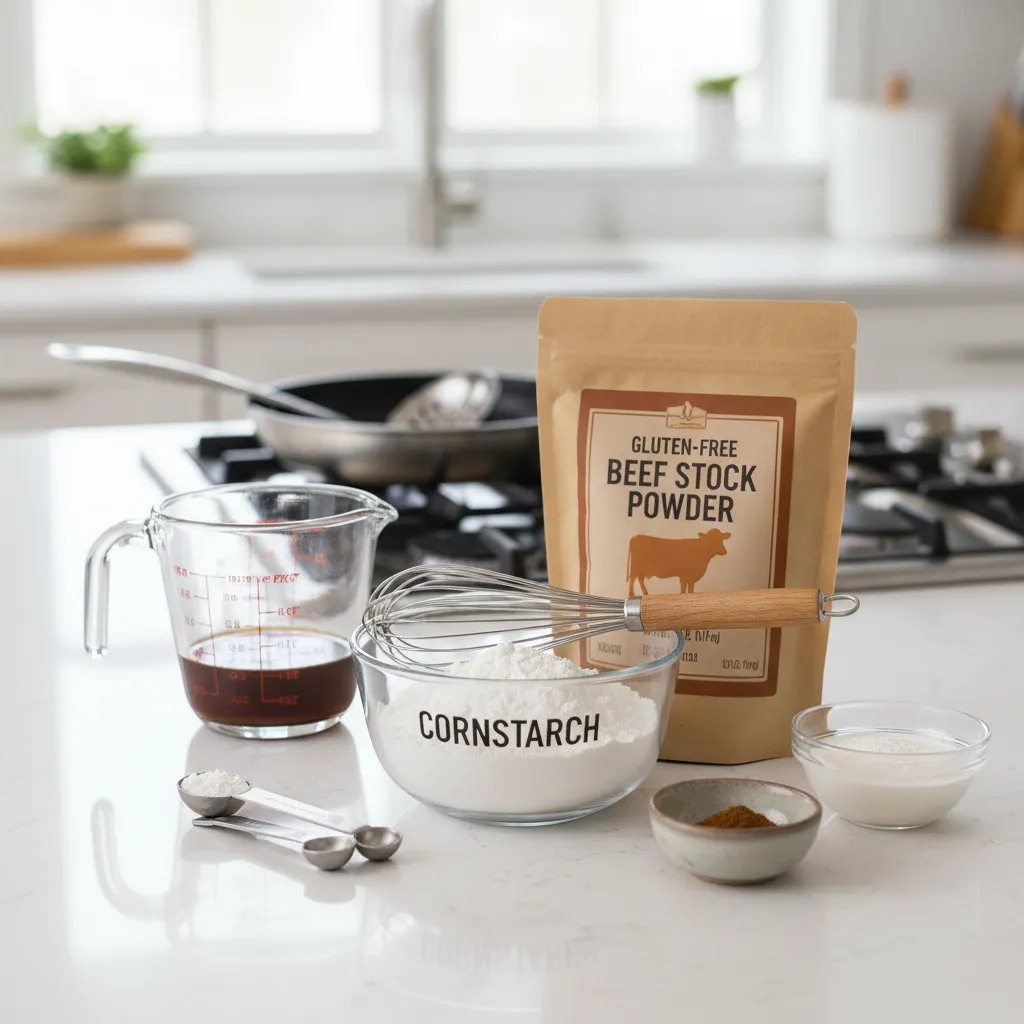
If you are making gravy from pan juices, avoid standard white flour. Instead, use:
- Cornflour (Cornstarch): The most common thickener in NZ. Note: In NZ, “Cornflour” is almost always made from corn (maize), which is GF. However, “Wheaten Cornflour” exists—avoid this! Always check the ingredient is 100% maize starch.
- Potato Starch: Excellent for a clear, glossy finish.
- Arrowroot or Tapioca Starch: Good for sauces that need to be frozen and reheated.
For instant gravy lovers, Gregg’s and Maggi offer specific Gluten-Free Instant Gravy mixes. These usually utilize potato or corn starch and caramel color derived from sugar rather than barley.
Reading Labels on Salad Dressings and Mayonnaise
Salad dressings are the final frontier of hidden gluten. A healthy salad can be ruined by a vinaigrette containing malt vinegar or a creamy dressing thickened with wheat.
Is Mayonnaise gluten-free?
Real mayonnaise is made from egg yolks, oil, vinegar, and mustard, which are naturally gluten-free. However, low-fat or “light” versions often remove the oil and replace the texture with thickeners, which can include wheat starch. Best Foods and Heinz real mayonnaise are typically safe, but always check the label on “light” varieties.
The Malt Vinegar Danger
Balsamic, cider, white wine, and rice vinegars are generally gluten-free. Malt vinegar is not. It is fermented from barley. Many dark salad dressings and chutneys use malt vinegar for its robust flavor. When scanning ingredients on a bottle of vinaigrette, look specifically for the word “Malt” or “Barley”.
Understanding FSANZ Labeling Laws
New Zealand operates under the Food Standards Australia New Zealand (FSANZ) code. This is great news for consumers because the regulations are strict.
How to interpret allergen warnings in NZ?
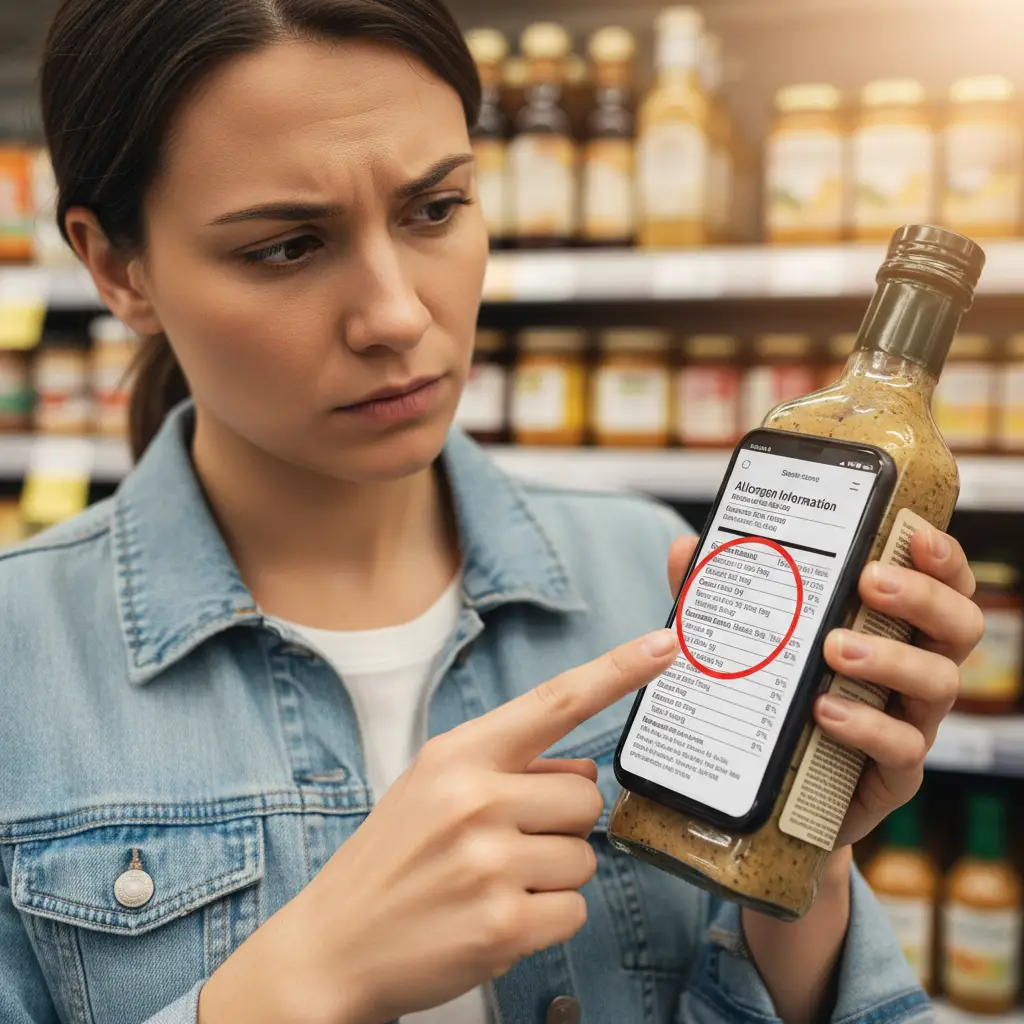
By law, if a product contains gluten-containing cereals (wheat, rye, barley, oats, spelt), it must be declared on the label, regardless of the amount. This is usually found in the ingredients list, often in bold type, or in a “Contains” summary statement.
- “Gluten Free”: In NZ and Australia, this claim means the product contains no detectable gluten. It is a stricter standard than the US or UK (which allow up to 20ppm). If you see “Gluten Free” on an NZ product, it is safe for Coeliacs.
- “Low Gluten”: This is an older term sometimes seen but rarely used now. Coeliacs should avoid products labeled “Low Gluten”.
- “May Contain”: This is a voluntary statement regarding cross-contamination. While the ingredients may be safe, the factory line might process wheat. Sensitivity varies among Coeliacs regarding these warnings, but strict adherence suggests avoiding them.
Dining Out: The Hidden Sauce Danger
When dining out in New Zealand, sauces are the most difficult element to control. Chefs often use the same brush to baste gluten-containing and gluten-free items on a grill, or they may thicken a sauce with a pinch of flour at the last minute.
Essential questions to ask your server:
- “Is the meat marinated? If so, does the marinade contain soy sauce or beer?”
- “Is the sauce thickened with cornflour or wheat flour?”
- “Are the chips cooked in a separate fryer, or is the oil shared with crumbed items?” (This affects the safety of the dipping sauces too, due to cross-contact).
Being vigilant about gluten free sauces NZ options requires a mix of label literacy and proactive questioning. By sticking to certified brands like Massel, Ceres Organics, and verifying staples like Wattie’s, you can enjoy flavorful meals without the health risks.
Frequently Asked Questions
Is Worcestershire sauce gluten free in NZ?
Not always. Traditional Worcestershire sauce contains malt vinegar derived from barley. However, in New Zealand, there are gluten-free versions available (such as Holbrooks GF variety or specific generic brands). You must check the label for “Barley” or “Malt Vinegar”.
Does Wattie’s tomato sauce have gluten?
Standard Wattie’s Tomato Sauce is typically gluten-free, but you must check the specific bottle. Some flavored varieties or “Homestyle” versions may contain wheat-based thickeners. Wattie’s is reliable at declaring allergens in bold on their packaging.
Is cornflour in NZ gluten free?
Usually, yes. In New Zealand, “Cornflour” is typically made from maize (corn) and is gluten-free. However, “Wheaten Cornflour” is made from wheat. Always look for “Maize Starch” on the ingredient list to be 100% sure.
What soy sauce is gluten free?
Tamari is the traditional gluten-free alternative to soy sauce. In NZ, look for brands like Kikkoman Gluten-Free Soy Sauce (Blue Label), Ceres Organics Tamari, or Bragg Liquid Aminos.
Are stock cubes gluten free?
Standard stock cubes often contain wheat. You should look for brands labeled “Gluten Free”. Massel is a popular brand in NZ that is entirely gluten-free. Maggi and Continental also offer specific gluten-free ranges, but their standard cubes are often not safe.
Why is malt vinegar not gluten free?
Malt vinegar is made from malted barley. Barley is a gluten-containing grain. Therefore, any sauce, chutney, or dressing containing malt vinegar is unsafe for Coeliacs. Distilled white vinegar, cider vinegar, and wine vinegar are safe alternatives.