
Gluten free mince recipes require substituting wheat-based binders and thickeners with safe alternatives like cornflour, gluten-free breadcrumbs, or rice flour. While fresh beef or lamb mince is naturally gluten-free, cooks must verify that sauces, stock cubes, and spice mixes do not contain hidden gluten to ensure the meal is safe for coeliacs.
For decades, mince has been the backbone of the Kiwi weekly meal plan. It is versatile, budget-friendly, and comforting. However, for those navigating a gluten-free lifestyle in New Zealand, traditional mince dishes are often laden with hidden wheat traps—from the flour used to thicken gravy to the barley malt found in generic stock cubes. Transforming these classics into gluten free mince recipes does not mean sacrificing flavour; it simply requires smart ingredient swaps and a vigilant eye on labels.
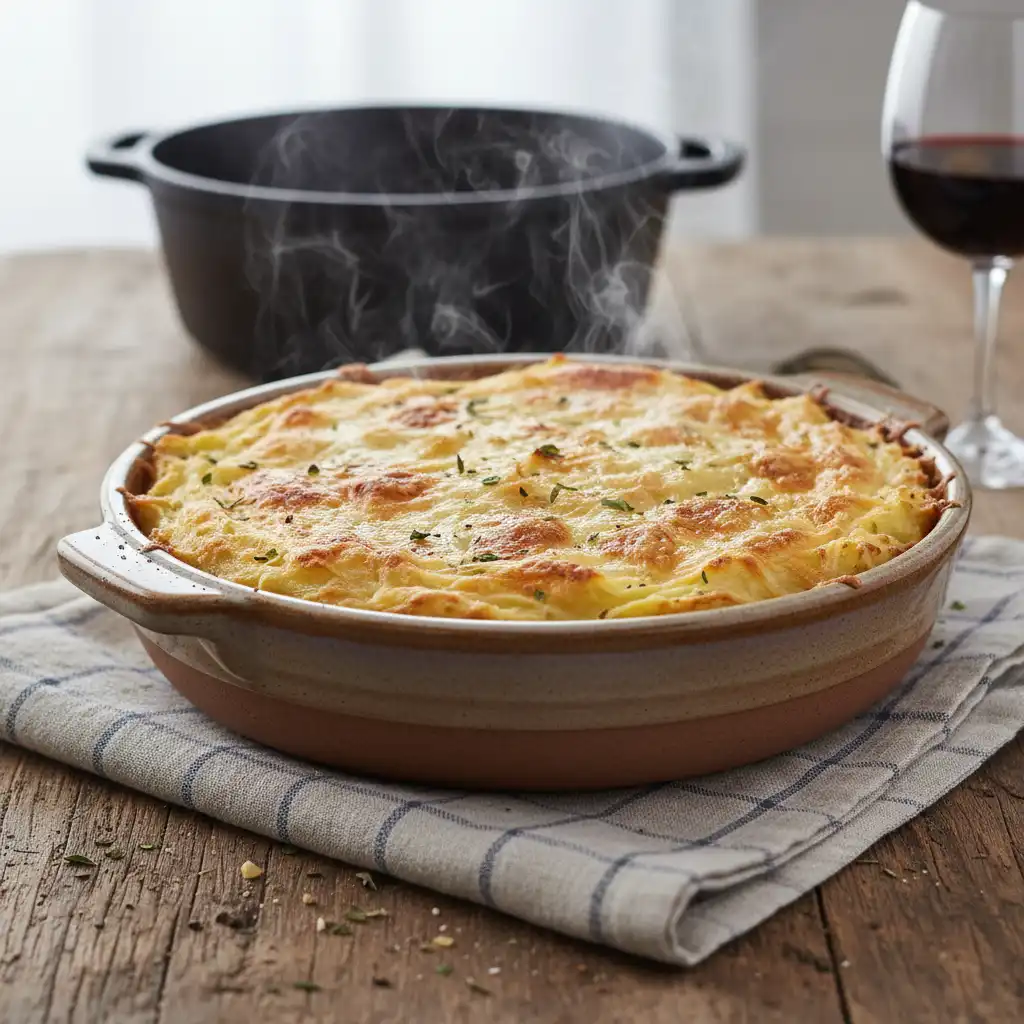
The Kiwi Classic: Gluten-Free Shepherd’s Pie
There is perhaps no dish more iconic in a New Zealand household than Shepherd’s Pie (or Cottage Pie, depending on whether you use lamb or beef). The traditional recipe relies heavily on flour to thicken the meat sauce and often includes Worcestershire sauce, which frequently contains barley gluten. To make this safe, we focus on vegetable reduction and cornflour.
Ingredients for the Base
The foundation of a good Shepherd’s Pie is a rich, savoury meat sauce. Start with 500g of premium beef or lamb mince. You will need onions, carrots, and celery finely diced. The secret to depth without wheat flour is letting the vegetables sauté until they are soft and sweet.
The Thickening Agent: Cornflour vs. Reduction
In standard recipes, you might dust the browned meat with plain flour. For a gluten-free version, you have two superior options:
- Cornflour Slurry: Mix 2 tablespoons of cornflour with a little cold water and stir it into the simmering stock near the end of cooking. This provides that glossy, thick texture Kiwis love.
- Reduction: Simply simmer the sauce longer. This concentrates the flavours, though it yields a less “gravy-like” consistency.
The Topping: Potato or Kumara?
While agria potatoes make a fluffy mash, using Gold or Orange Kumara adds a distinctively Kiwi sweetness that pairs beautifully with the savoury mince. Ensure you use butter and milk (or dairy-free alternatives) to mash, but avoid adding any pre-shredded cheese blends unless you are certain they don’t use wheat starch as an anti-caking agent. Grating a block of Edam or Colby cheese yourself is the safest and tastiest route.
The Worcestershire Warning
Standard Worcestershire sauce is a major hazard for coeliacs due to malt vinegar (barley). Always look for a certified gluten-free brand or use a high-quality Tamari soy sauce to add that necessary umami kick without the gluten risk.
Safe Spaghetti Bolognese: Pasta and Sauce Solutions
Spaghetti Bolognese is a weekly staple, but it poses two challenges: the pasta and the sauce thickeners. Fortunately, the market for gluten-free pasta in New Zealand has improved dramatically in recent years.

Choosing the Right Pasta
Gone are the days of mushy, dissolving GF pasta. Look for pasta made from a blend of corn and rice flour, or brown rice flour. These hold their shape best.
Pro Tip: Gluten-free pasta releases more starch into the water than wheat pasta. Use a large volume of water and do not overcook it. It turns from “al dente” to “mush” in a matter of seconds. Rinse it immediately with hot water after draining to remove excess surface starch, which prevents clumping.
Building the Bolognese Sauce
A traditional Bolognese relies on slow cooking rather than thickeners. Use passata (pureed tomatoes) and tomato paste. Tomato paste is almost always gluten-free, but always double-check the label. If you like to add a stock cube for flavour, ensure it is labelled “Gluten Free” (e.g., Massel brand is a popular safe choice in NZ), as standard beef stock cubes are notorious for containing wheat.
Vegetable Loading
To bulk out the meal without relying on pasta volume, grate courgettes, carrots, and mushrooms into the mince mixture. This not only adds nutrition but also helps thicken the sauce naturally as the vegetables break down, reducing the need for artificial thickeners.
GF Meatballs and Rich Brown Gravy
Meatballs are tricky because breadcrumbs are the standard binder used to keep them tender. Without a binder, meatballs can become tough and rubbery. Replicating that soft texture requires specific gluten-free ingredients.
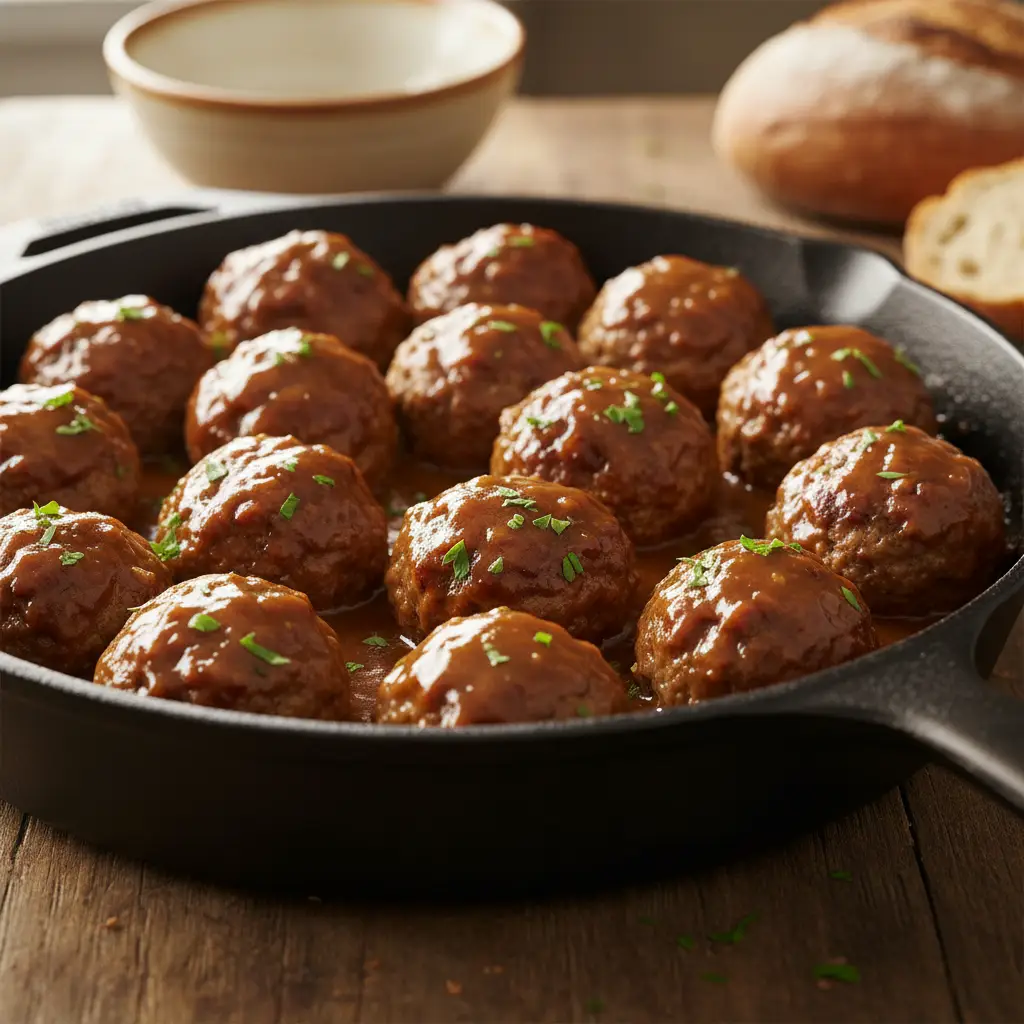
The Binder Substitution
You cannot simply omit the breadcrumbs. Here are the best swaps for Kiwi kitchens:
- GF Breadcrumbs: Most supermarkets stock rice-based crumbs. They work well but can be crunchy, so soak them in a little milk before mixing into the mince.
- Almond Meal: For a lower carb option, almond meal adds moisture and fat, keeping the meatballs incredibly tender.
- Grated Potato: Finely grated raw potato acts as an excellent starch binder that disappears when cooked.
The Gravy
Brown gravy is usually made with a roux (butter and flour). To make a gluten-free gravy for your meatballs:
- Remove meatballs from the pan after browning.
- Deglaze the pan with beef stock (GF certified).
- Mix 1 tablespoon of cornflour or tapioca starch with 2 tablespoons of cold water.
- Pour the slurry into the boiling stock while whisking constantly.
- Simmer for 2 minutes until glossy and thick.
Nachos: The Ultimate Easy Dinner
Nachos are often assumed to be gluten-free because corn chips are made of corn. However, cross-contamination and seasoning packets make this a high-risk meal if you aren’t careful.
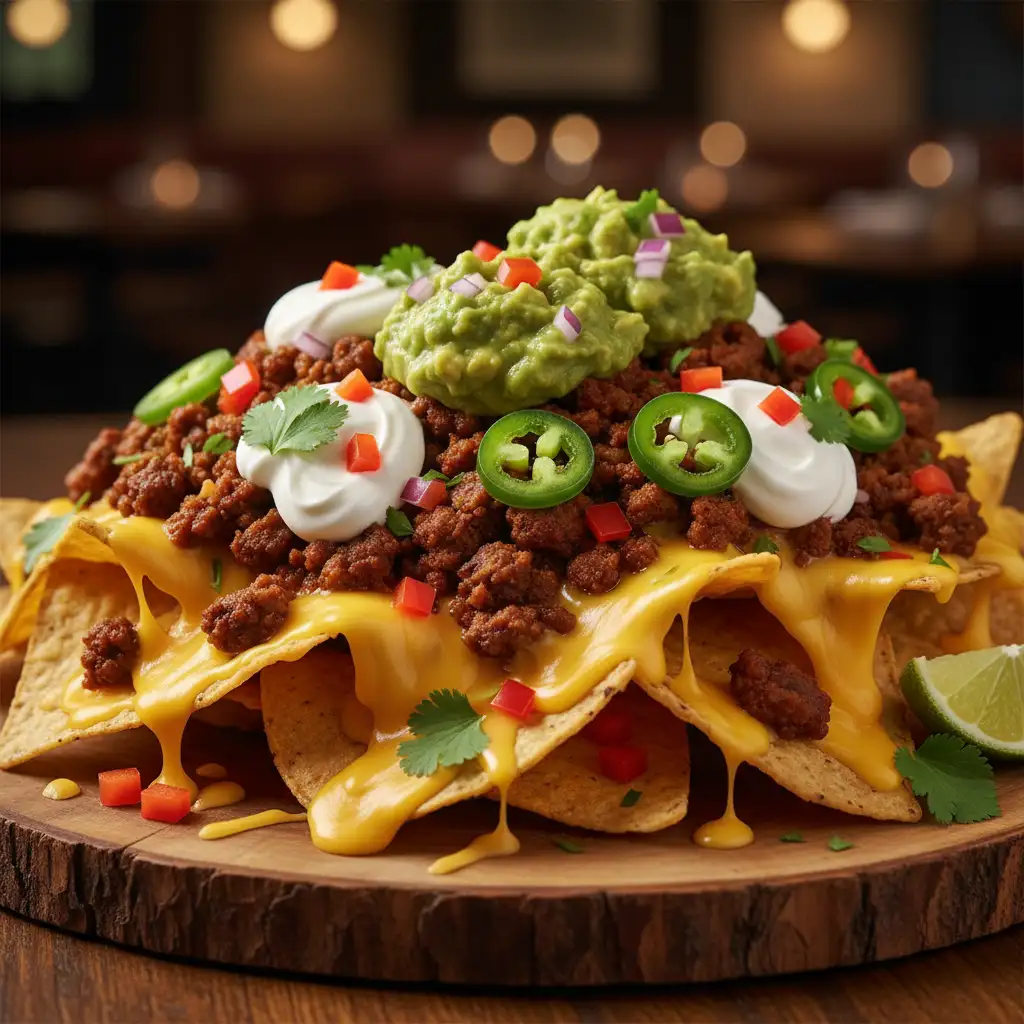
The Corn Chip Trap
Many “corn” chips are processed on the same lines as wheat snacks. Always look for the “Gluten Free” label on the packet. Some flavoured corn chips (like BBQ or Cheese) use wheat flour as a carrier for the seasoning powder. Plain salted corn chips are generally the safest bet.
DIY Taco Seasoning
Pre-packaged taco spice mixes are convenient, but many contain wheat flour as a flowing agent or thickener. Making your own is cheaper, healthier, and 100% safe. Combine:
- 1 tbsp Chili powder
- 1 tsp Ground Cumin
- 1 tsp Smoked Paprika
- 1/2 tsp Oregano
- 1/2 tsp Garlic Powder
- Salt and Pepper
Add this spice blend to your browned mince with a splash of water and let it reduce. It provides a punchier flavour than the packet stuff without the gluten anxiety.
Kidney Beans and Fillers
Canned kidney beans or black beans are naturally gluten-free. However, rinse them thoroughly. If you are using “Chilli Beans” in sauce, read the label carefully, as the sauce often contains wheat thickeners.
Hidden Gluten in Mince Dishes
When preparing gluten free mince recipes, the devil is in the details. Even if you buy premium mince, your meal can be compromised by pantry staples.
Soy Sauce
Standard soy sauce is fermented wheat and soy. It is one of the most common sources of accidental glutening in mince dishes (like savoury mince or stir-frys). Always buy Tamari or specific Gluten-Free Soy Sauce.
Stock Cubes and Powders
In New Zealand, many iconic stock brands use wheat flour or yeast extract grown on barley. Always check the allergen statement. If it says “contains gluten” or “wheat,” it is off-limits. Vegetable stocks are not automatically safe either.
Tomato Sauce (Ketchup)
While most major NZ tomato sauce brands are now gluten-free, some budget brands or flavoured varieties (like BBQ sauce) may contain barley malt vinegar or wheat flour thickeners.
Batch Cooking and Freezing Tips
Mince dishes are ideal for batch cooking. The good news is that gluten-free mince meals freeze exceptionally well. In fact, dishes like Shepherd’s Pie often taste better the next day as the flavours meld.
Freezing Rules:
- Cool Completely: Never put hot food in the freezer; it raises the internal temperature of the freezer and risks food safety.
- Pasta: If freezing Bolognese, freeze the sauce separately from the pasta. GF pasta does not reheat well after freezing—it tends to disintegrate. Cook fresh pasta when you reheat the sauce.
- Label Clearly: If you have a mixed household (some eating gluten, some not), clearly label the container “GF” to prevent mix-ups during a busy weeknight.
Frequently Asked Questions
Is supermarket mince always gluten-free?
Pure beef, lamb, pork, or chicken mince is naturally gluten-free. However, be cautious with “flavoured” mince or butcher’s patties, which often contain breadcrumbs or wheat-based marinades. Always buy plain mince and season it yourself.
What is the best gluten-free substitute for breadcrumbs in meatballs?
Rice-based gluten-free breadcrumbs are the most direct substitute. For a softer texture, almond meal or crushed gluten-free cornflakes work exceptionally well. Finely grated parmesan cheese can also help bind the mixture.
Can I use cornflour to thicken any mince sauce?
Yes, cornflour (cornstarch) is an excellent gluten-free thickener. However, it must be mixed with cold water to create a slurry before being added to hot liquid, otherwise, it will clump immediately. It creates a glossier sauce than wheat flour.
Are canned tomatoes gluten-free?
Plain canned tomatoes are gluten-free. However, canned tomatoes that are “flavoured” (e.g., with herbs and spices) may contain ingredients derived from wheat. Always check the ingredient list on flavoured varieties.
Why does my gluten-free pasta fall apart in Bolognese?
Gluten-free pasta lacks the elasticity of wheat gluten. If overcooked, the structure breaks down. Cook it for 1-2 minutes less than the packet instructions suggest, especially if you plan to stir it into a hot sauce, as it will continue cooking in the heat.
Is Worcestershire sauce gluten-free in NZ?
Not always. Traditional Worcestershire sauce contains malt vinegar made from barley, which contains gluten. You must look for brands specifically labelled “Gluten Free” (like Lea & Perrins’ specific GF version or Holbrooks GF) to ensure safety.