
Cheap gluten-free meals in NZ are best achieved by prioritizing naturally gluten-free whole foods—such as rice, potatoes, kumara, seasonal vegetables, and legumes—over expensive processed substitutes. By shopping at discount grocers like Pak’nSave or Asian supermarkets, buying staples in bulk, and utilizing batch cooking techniques, Kiwis can significantly lower their grocery bills while maintaining a nutritious, safe gluten-free diet.
Living with Coeliac disease or gluten intolerance in New Zealand often comes with a hefty price tag. A stroll down the “health food” aisle at your local supermarket reveals loaves of bread costing upwards of $8 and small boxes of crackers that barely last a day. However, eating gluten-free does not have to break the bank. With a strategic shift in mindset and shopping habits, you can prepare delicious, safe, and budget-friendly meals.
Focusing on Naturally Gluten-Free Ingredients
The single most effective way to reduce the cost of a gluten-free diet is to stop trying to replicate a standard diet with processed substitutes. Gluten-free bread, pasta, and cookies are premium products because the manufacturing process is complex and the ingredients are specialized. Instead, the foundation of cheap gluten-free meals NZ families can rely on is built upon ingredients that never contained gluten in the first place.
The Power of Rice and Potatoes
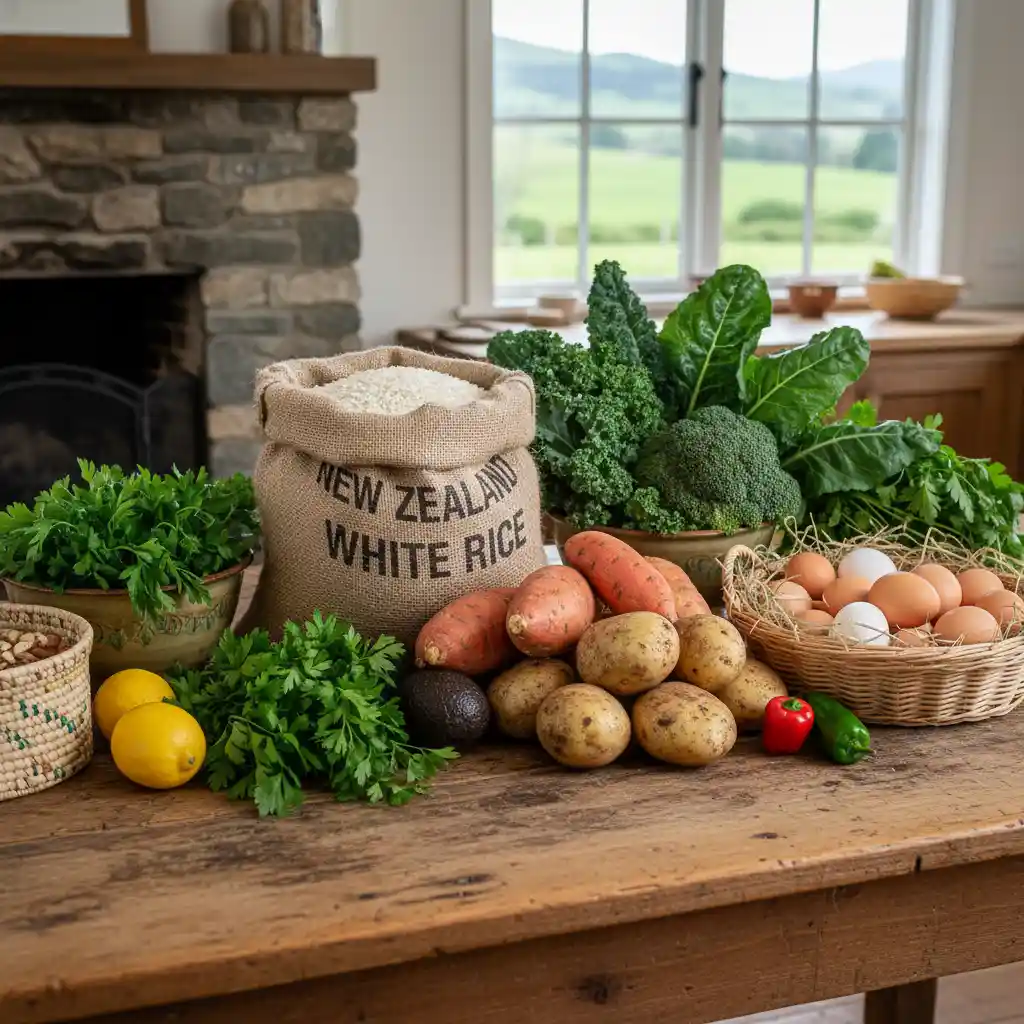
In New Zealand, potatoes and rice are among the most affordable carbohydrate sources. A 10kg bag of potatoes or a 5kg bag of jasmine rice costs a fraction of the price of gluten-free pasta per serving.
- Potatoes & Kumara: Extremely versatile. They can be baked, boiled, mashed, or turned into wedges. Kumara, specifically, is a nutrient-dense NZ staple that adds bulk to any meal.
- Rice: It serves as the perfect base for stir-frys, curries, and risottos. Asian supermarkets often sell bulk rice significantly cheaper than mainstream supermarkets.
- Corn & Polenta: Polenta (cornmeal) is an incredibly cheap alternative to pasta. It can be made into a creamy mash or set and fried as chips.
Legumes and Proteins
Meat is often the most expensive part of a grocery bill. To keep costs down, look to extend meat dishes with legumes or use cheaper cuts.
- Canned Beans & Lentils: Chickpeas, kidney beans, and lentils are naturally gluten-free (always check labels for cross-contamination warnings) and cost under $1.50 per can. Dried lentils are even cheaper.
- Eggs: Eggs are a complete protein and a budget superfood. Frittatas and omelets make for excellent quick dinners.
- Tinned Fish: Tinned tuna or mackerel is an inexpensive way to add protein to rice salads or potato-top bakes.
NZ Shopping Strategies: Where to Buy
Finding cheap gluten-free meals in NZ requires knowing where to shop. While Woolworths (formerly Countdown) and New World offer convenience, they are rarely the cheapest option for fresh produce or bulk staples.
Asian Supermarkets and Fruit & Vege Shops
Asian supermarkets are goldmines for gluten-free cooking. You can find:
- Rice Noodles: Often half the price of the “gluten-free pasta” in Western aisles.
- Rice Flour & Tapioca Starch: Essential for making your own blends, sold in large bags for very low prices.
- Soy Sauce: Look for “Tamari” or specific gluten-free soy sauces, which are often available at competitive prices.
Local fruit and vegetable shops generally offer seasonal produce at lower rates than big-box supermarkets. Buying in season is critical; buying capsicums in winter will destroy your budget, whereas pumpkin and root vegetables are affordable during colder months.
Bulk Cooking and Freezing Tips
One of the hidden costs of a gluten-free lifestyle is convenience food. If you are tired and hungry, grabbing a safe takeaway meal is often expensive or impossible. Bulk cooking eliminates this problem.
How to Batch Cook Effectively
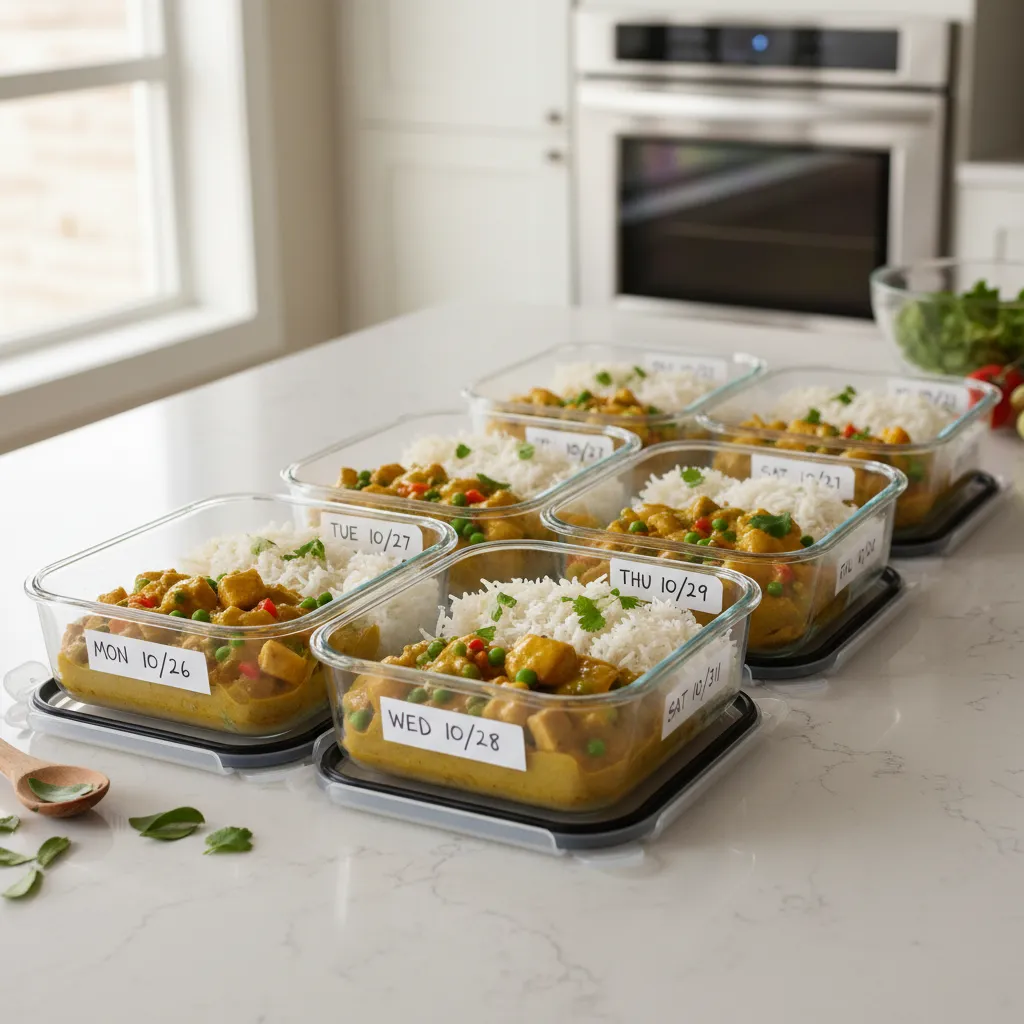
dedicate Sunday afternoons to preparing the base of your meals for the week. Since gluten-free grains like rice and quinoa freeze well, you can prepare large portions ahead of time.
- The “Base” Method: Cook 2kg of mince with onions, garlic, and carrots. Split this into three portions. Use one for a Cottage Pie (topped with mash), one for a Mexican chilli bowl (with beans and rice), and one for a gluten-free Bolognese sauce.
- Freezing Sauces: Gluten-free thickeners (like cornflour) can sometimes separate when frozen. It is often better to freeze the flavour base and thicken it fresh when reheating, or use arrowroot powder which stands up to freezing better.
- Soup Concentrates: Make large pots of vegetable soup using seasonal produce. Pumpkin soup is incredibly cheap to make in bulk.
Substituting Expensive GF Products
The “Free From” aisle is the enemy of the budget. Pre-made sauces, marinades, and flour blends carry a “convenience tax.” Making your own is far cheaper.
DIY Gluten-Free Flour Blend
Instead of buying a $7 box of baking mix, buy the Daily Baking Staples from an Asian grocer or Bin Inn (ensure you use the gluten-free scoops or buy sealed bags to avoid cross-contamination). A basic all-purpose blend is:
- 60% Rice Flour (White or Brown)
- 30% Potato Starch or Tapioca Starch
- 10% Cornflour
Add Xanthan gum only when you are baking, as it is expensive and not needed for sauces or coatings.
Homemade Sauces
Many pre-made jar sauces contain wheat thickeners. Making your own is simple and cheap:
- Pasta Sauce: Tinned tomatoes, garlic, onion, and herbs.
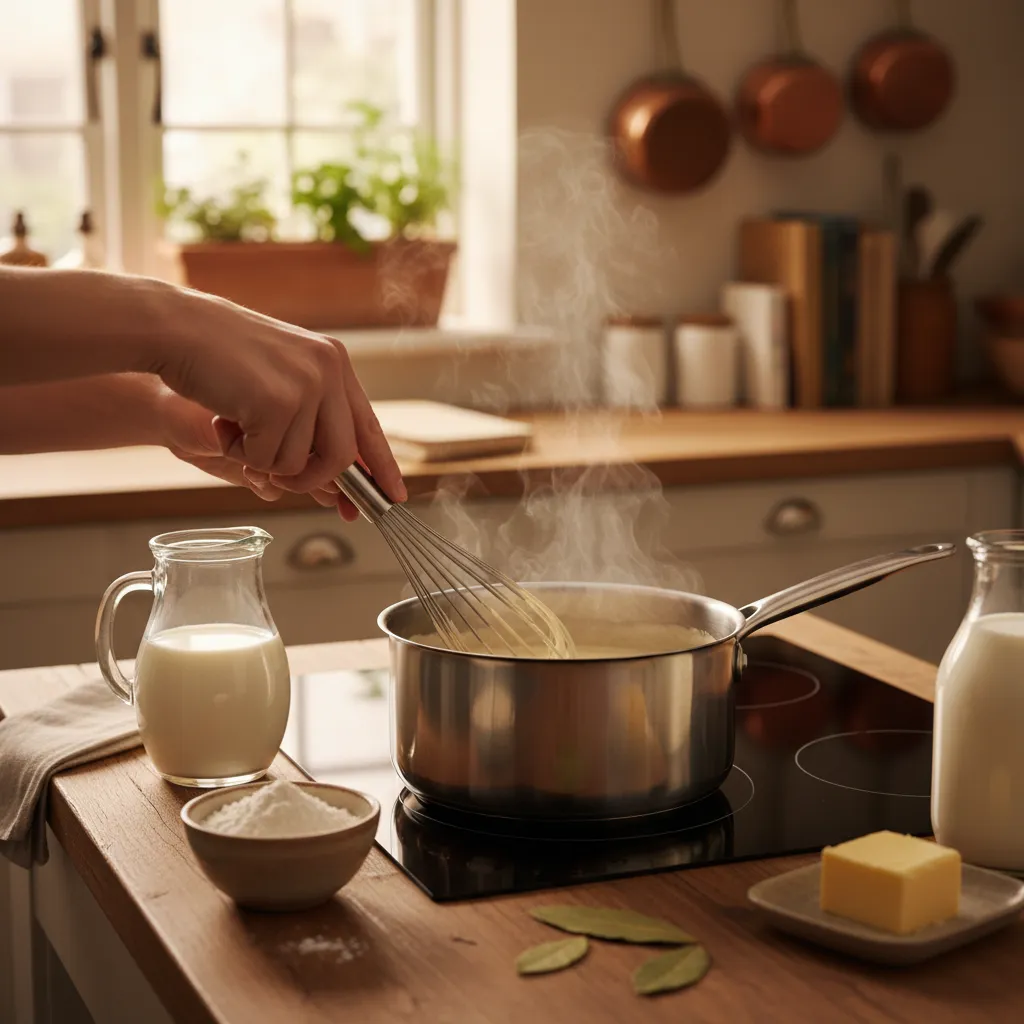
- White Sauce: Butter (or oil), cornflour, and milk.
- Gravy: Meat juices thickened with cornflour mixed with a little cold water.
Weekly Meal Plan Under $150
This meal plan is designed for a couple or a small family (2 adults, 1 toddler) using NZ pricing estimates. It relies on leftovers and staple ingredients.
Shopping List Essentials
- Proteins: 1kg Beef Mince, 1 Tray Eggs (30pk), 2 Cans Tuna, 1 Whole Chicken.
- Carbs: 5kg Rice, 2kg Potatoes, 1kg Carrots, 1 Pumpkin, GF Oats (if tolerated) or Cornflakes.
- Veg/Fruit: Seasonal greens (spinach/cabbage), frozen peas/corn mix, bananas, apples.
- Pantry: Milk, Butter, Curry Paste (GF), Soy Sauce (GF), Stock powder (GF).
The Plan
| Day | Breakfast | Lunch | Dinner |
|---|---|---|---|
| Monday | GF Cornflakes or Porridge | Egg Salad & Rice Crackers | Roast Chicken with Roast Potatoes & Pumpkin |
| Tuesday | Scrambled Eggs | Leftover Roast Chicken & Salad | Chicken Fried Rice (using carcass meat & frozen veg) |
| Wednesday | Smoothie (Banana & Milk) | Leftover Fried Rice | Beef Mince Cottage Pie (Potato Top) |
| Thursday | Boiled Eggs | Leftover Cottage Pie | Vegetable Frittata (Eggs, Potato, Spinach) |
| Friday | GF Cornflakes | Frittata slice | Beef & Veggie Stir-fry (Rice Noodles or Rice) |
| Saturday | Pancakes (Homemade blend) | Tuna & Corn Rice Salad | Curried Sausages (GF Pre-cooked) with Mash |
| Sunday | Omelette | Leftovers / Clear fridge | Pumpkin Soup with Homemade GF Flatbread |
Top Cheap Gluten-Free Meal Ideas
Here are three go-to recipes that define cheap gluten-free meals in NZ. These are high-volume, low-cost dishes.
1. The “Everything” Fried Rice
Fried rice is the ultimate budget saver. Use cold leftover rice (essential for texture). Sauté onions, garlic, and frozen mixed vegetables. Add a beaten egg for protein and scramble it through. Season with gluten-free soy sauce and a dash of sesame oil. This costs less than $2 per serving.
2. Potato Top Pie (Cottage Pie)
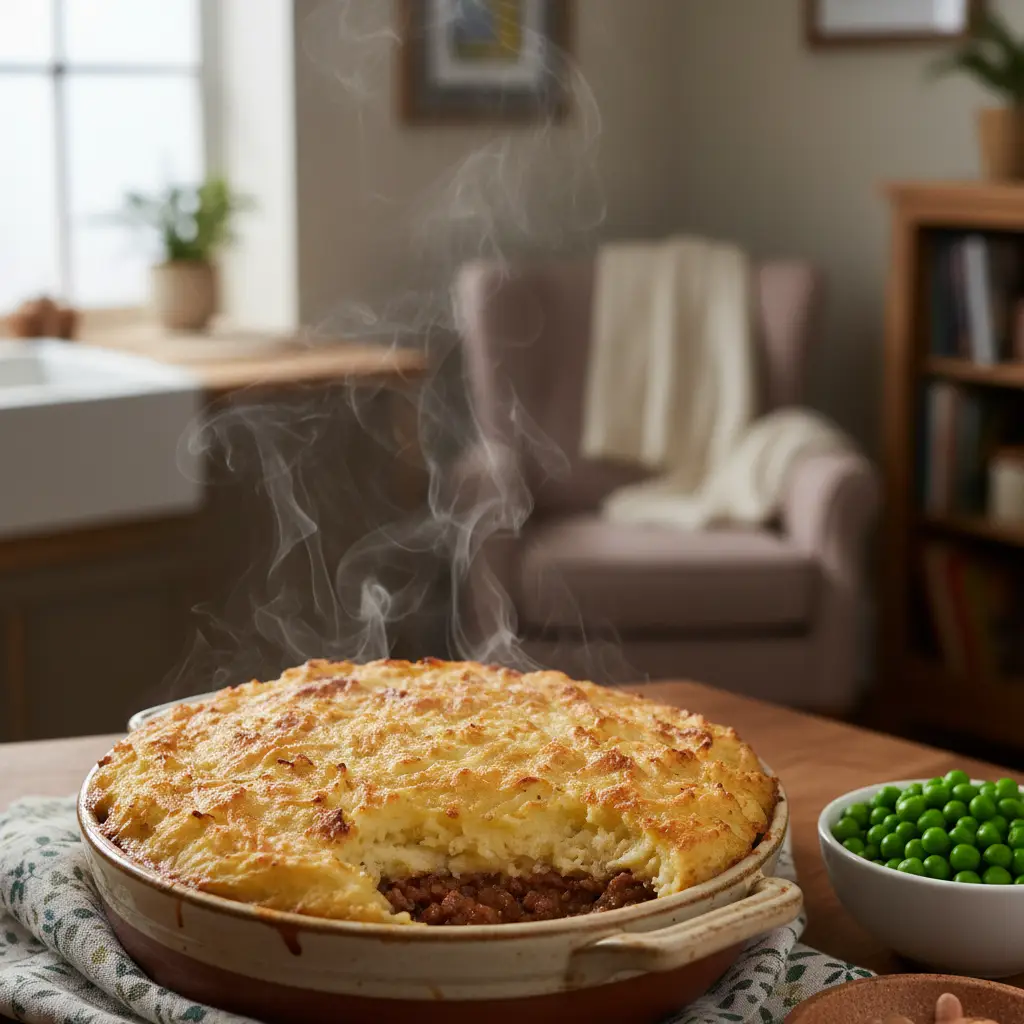
Using mince is cheaper than steak. Brown the mince with onions and carrots. Add tinned tomatoes and beef stock (ensure the stock is GF—Massel is a popular brand in NZ). Simmer until thick. Top with creamy mashed potatoes and bake until golden. This dish freezes exceptionally well.
3. Mexican Bean Bowls
Skip the tortillas to save money. Create a bowl with a base of white rice. Top with a mix of black beans (canned), corn, salsa (tinned tomatoes, onion, coriander), and perhaps a little cheese or sour cream. It is filling, naturally gluten-free, and incredibly cheap.
Frequently Asked Questions
What are the cheapest gluten-free grains in NZ?
White rice and potatoes are the cheapest carbohydrate sources in New Zealand. Cornmeal (polenta) is also very affordable. Quinoa and buckwheat are excellent nutritious options but tend to be more expensive than rice.
Is it cheaper to make your own gluten-free bread?
Generally, yes. While the initial outlay for ingredients like psyllium husk, yeast, and different flours can be high, the cost per loaf is significantly lower than the $7-$9 charged for store-bought gluten-free bread. However, it requires time and practice.
Can I shop at Bin Inn for gluten-free food?
Bin Inn is great for cheap ingredients, but you must be careful with cross-contamination in bulk bins. Many Bin Inn stores now offer pre-packaged bulk bags specifically for gluten-free customers, or you can ask staff for a fresh bag from out the back to ensure safety.
Are oats gluten-free in New Zealand?
Under Australia and New Zealand food standards, oats cannot be labelled “gluten-free” because they contain a protein called avenin, which mimics gluten. However, some coeliacs can tolerate “wheat-free” oats. Always consult your dietitian or doctor before including oats in your diet.
What are cheap gluten-free snack ideas?
Popcorn is the cheapest gluten-free snack (buy kernels and pop them yourself). Other cheap options include hard-boiled eggs, seasonal fruit, homemade rice crackers, or yoghurt.
How do I check if a product is gluten-free in NZ?
In NZ, allergens must be declared on packaging. Look for the “Contains” statement. If wheat, barley, rye, or oats are not listed in bold, the product generally does not contain gluten ingredients. However, always check for “May contain” statements regarding cross-contamination.