
Living with Coeliac Disease in NZ requires adhering to a strict, lifelong gluten-free diet to manage the autoimmune condition. It involves navigating social situations, utilizing resources like the Coeliac New Zealand Dining Out Programme, accessing government subsidies via WINZ, and preventing cross-contamination in mixed households and during travel across Aotearoa.
Adapting to a diagnosis of Coeliac disease is a significant life event. In New Zealand, where social culture often revolves around food—from summer BBQs to morning teas and the iconic meat pie—the transition requires vigilance, education, and strategic planning. However, Aotearoa is increasingly becoming one of the most gluten-aware countries in the world, offering robust support networks and high-quality gluten-free options.
Introduction to Coeliac Disease in the Kiwi Context
Coeliac disease is not a food allergy or a lifestyle choice; it is a serious autoimmune condition. In New Zealand, it is estimated that 1 in 70 to 1 in 100 people have the condition, though many remain undiagnosed. When a person with Coeliac disease ingests gluten—a protein found in wheat, barley, rye, and oats (unless certified gluten-free)—their immune system attacks the lining of the small intestine. This damage prevents the absorption of nutrients and can lead to severe long-term health complications.
The “she’ll be right” attitude, a staple of Kiwi culture, is the primary adversary of the Coeliac. There is no “little bit” of gluten that is safe. For those living with Coeliac disease NZ wide, the challenge is often educating friends, whānau, and hospitality staff that cross-contamination is just as dangerous as eating a slice of bread.
Understanding Food Labelling in New Zealand
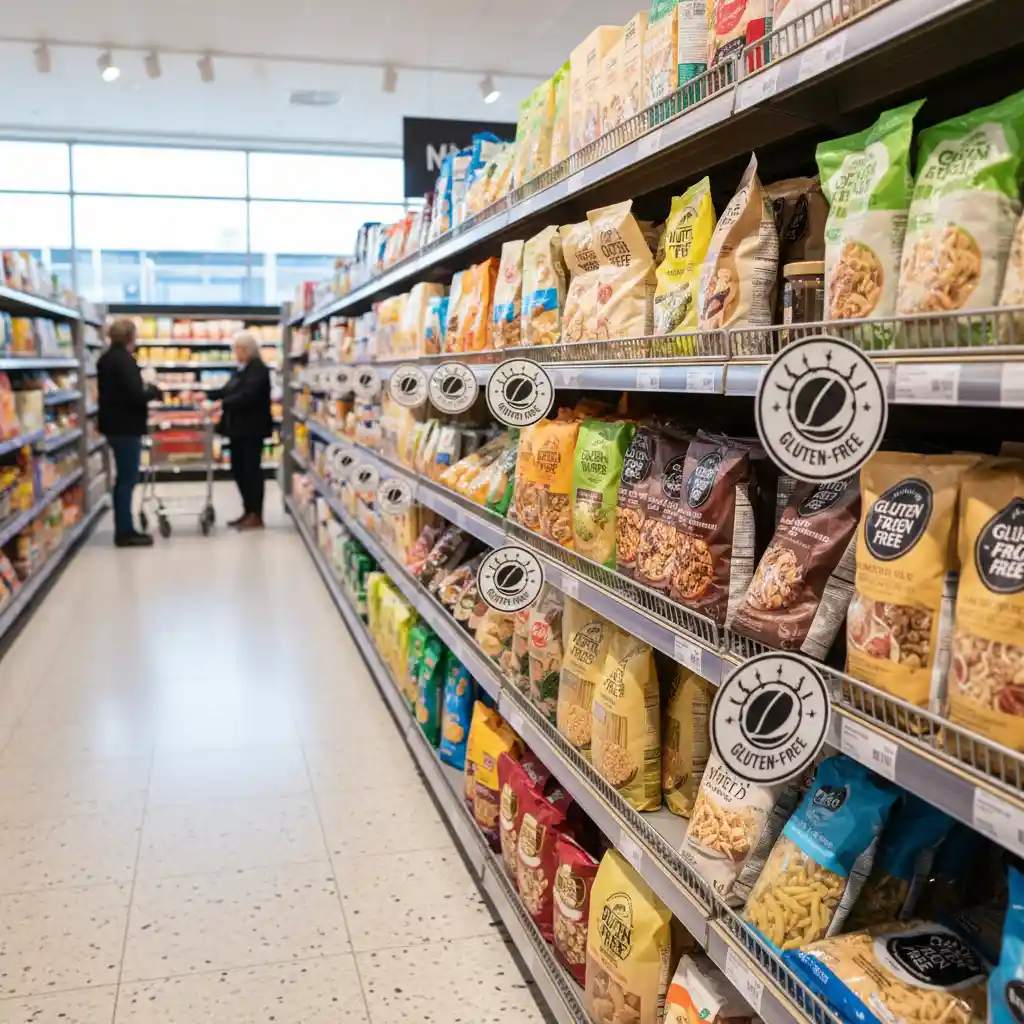
New Zealand has some of the strictest food labelling standards in the world under the FSANZ (Food Standards Australia New Zealand) code. For a product to be labelled “Gluten-Free” in NZ, it must contain no detectable gluten. This is a higher standard than in the US or UK, where up to 20 parts per million (ppm) is allowed. This strict regulation provides a layer of safety for Kiwi Coeliacs, provided they know what to look for.
Navigating Social Life: Alcohol and Gatherings
Social isolation is a common side effect of a Coeliac diagnosis, but it doesn’t have to be. The key to maintaining a vibrant social life in NZ is preparation and communication.
Is Alcohol Safe for Coeliacs?
Alcohol is central to many social gatherings in NZ, but it is a minefield for Coeliacs.
- Beer: Traditional beer is made from barley or wheat and is strictly off-limits. However, the craft beer scene in NZ has exploded with gluten-free options. Look for beers made from sorghum, buckwheat, or millet. Note: “Low Gluten” beer is not safe for Coeliacs.
- Cider: Generally naturally gluten-free and a safe alternative, but always check the label for additives or malt flavourings.
- Wine: Pure wine is gluten-free. However, be cautious with wine coolers or premixed drinks.
- Spirits: Distilled spirits are generally gluten-free, even if made from grain, as the protein is removed during distillation. However, flavorings added after distillation can introduce gluten.
Surviving the Kiwi BBQ
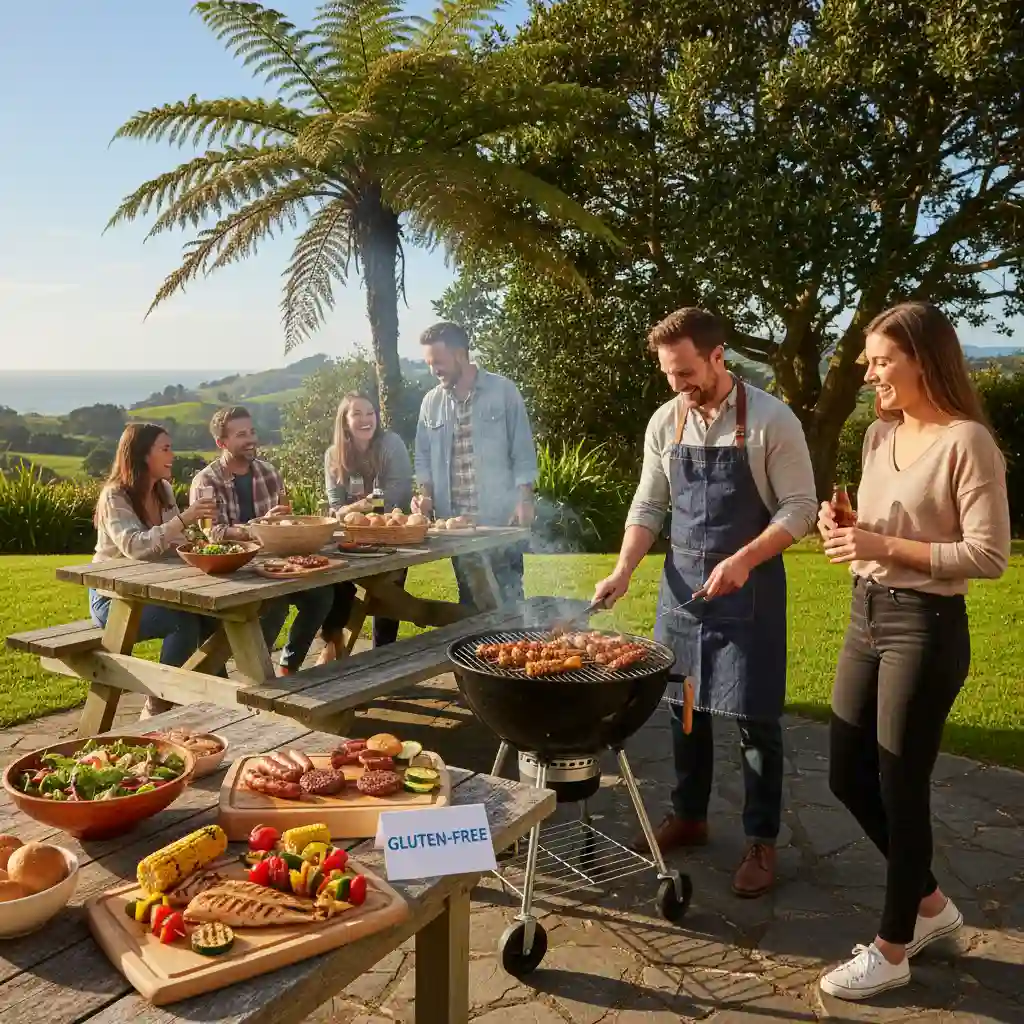
The quintessential Kiwi BBQ poses significant cross-contamination risks. Breadcrumbs in sausages, flour in marinades, and beer-basted meats are common culprits. Furthermore, cooking gluten-free food on a grill that has just cooked marinated steak or toasted buns is unsafe.
Strategies for a Safe BBQ:
- BYO Everything: Bring your own meat, gluten-free bread, and tongs.
- Cook First: Ask the host if you can cook your food first on a clean grill, or use a “BBQ mat” or foil to create a barrier.
- The Sauce Trap: Never share sauce bottles that have touched gluten-containing buns. Bring your own condiments.
Dining Out: The Coeliac NZ Dining Out Programme
Dining out requires vigilance. Coeliac New Zealand operates a Dining Out Programme where venues are accredited for safe gluten-free practices. These venues have undergone training and audits to ensure they understand cross-contamination. When visiting a non-accredited restaurant, always call ahead. Ask specific questions: “Do you have a separate fryer?” and “How do you prevent cross-contamination in the kitchen?”
Traveling Aotearoa Safely
From the Bay of Islands to Invercargill, traveling New Zealand is a bucket-list experience. For Coeliacs, it requires logistical planning. Rural areas may have limited options compared to major hubs like Auckland, Wellington, or Christchurch.
Road Trip Essentials
When embarking on a road trip, never rely solely on finding food on the road. The classic NZ “dairy” (convenience store) often has limited safe options beyond chips and chocolate.
Your Travel Kit Should Include:
- Toaster Bags: These allow you to use a communal toaster in a motel or holiday park safely.
- Dedicated Utensils: A small chopping board and knife can save you from crumbs left behind in rental accommodation kitchens.
- Staples: Pack gluten-free bread, crackers, and muesli bars.
Accommodation Choices
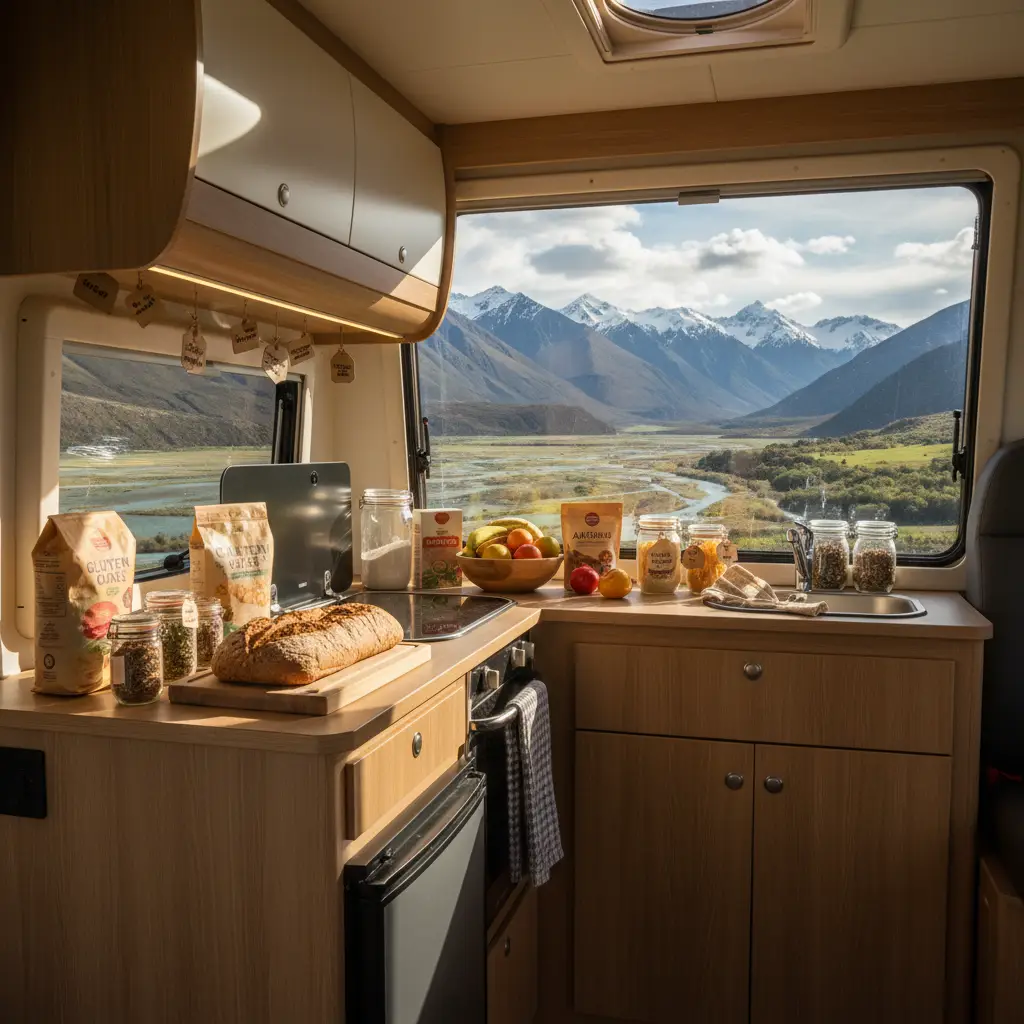
Self-catering accommodation (motels, Airbnbs, campervans) is generally safer and easier than hotels, as it gives you control over your food preparation. If staying in a hotel, confirm they can cater to a strict medical diet rather than just a “lifestyle preference.”
Managing a Mixed Gluten/Gluten-Free Household
Ideally, a household would be entirely gluten-free, but this is often financially or practically impossible for families. Living in a “mixed” environment requires strict protocols to ensure the safety of the Coeliac family member.
The “Gluten-Free Zone”
Establish a dedicated area in the kitchen that is strictly gluten-free. This includes a specific cupboard for ingredients and a specific area of the benchtop for preparation. This area must never be used for making sandwiches with regular bread or rolling pastry.
The Double-Dipping Rule
Condiments are a major source of contamination. Butter tubs, jam jars, and peanut butter containers often accumulate crumbs from a knife used on wheat toast.
The Solution: Buy separate containers and label them clearly (e.g., with a large “GF” sticker). Alternatively, teach the whole family to spoon the condiment onto a plate rather than spreading directly from the jar.
Kitchen Equipment
Some equipment holds onto gluten despite washing. You must have separate:
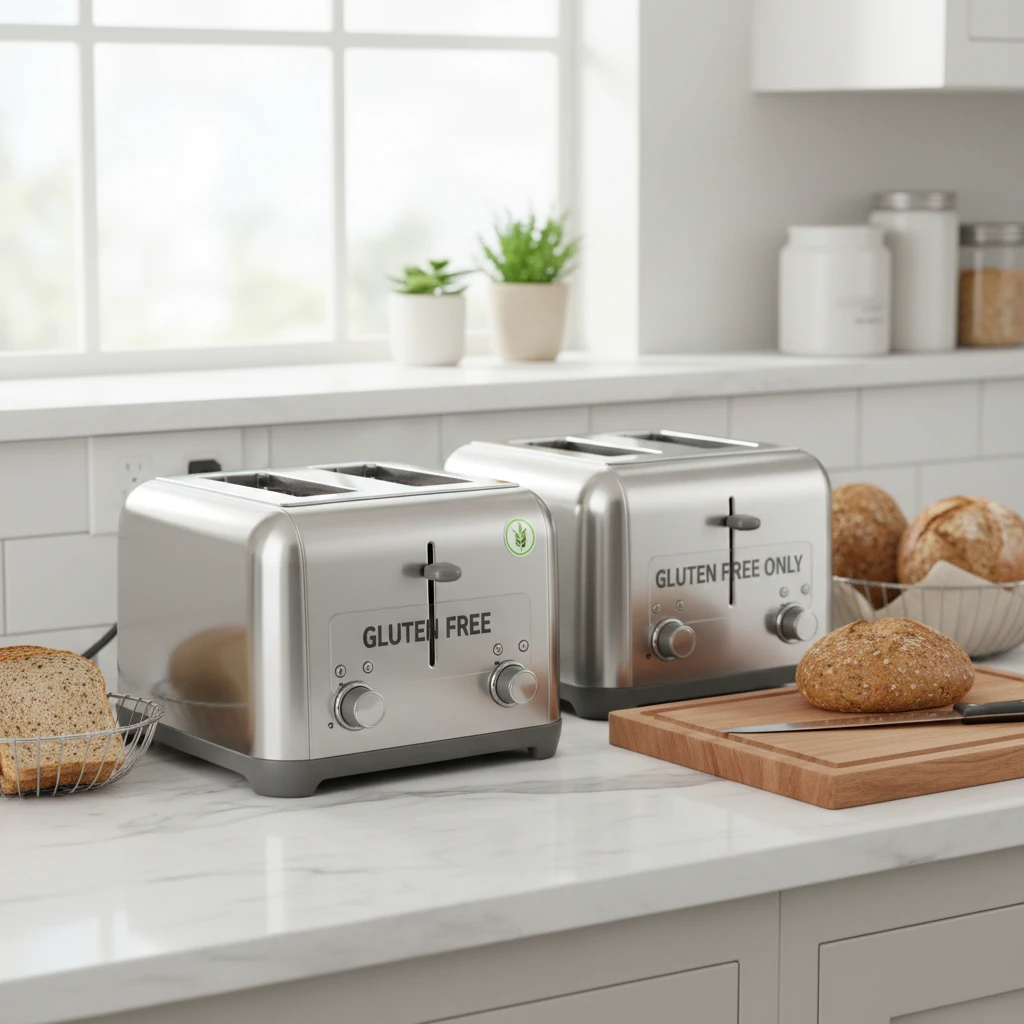
- Toasters: You cannot clean a toaster. Buy a dedicated 2-slice toaster for gluten-free bread only.
- Wooden Spoons/Chopping Boards: Wood is porous and can trap gluten. Use plastic or glass for gluten-free prep, or have dedicated wooden items.
- Colanders: Mesh colanders are notoriously difficult to clean perfectly. Have a separate one for gluten-free pasta.
Resources for the Newly Diagnosed
If you have just been diagnosed with Coeliac disease in New Zealand, you are not alone. There are structural supports in place to help you manage the financial and educational burden.
Coeliac New Zealand (CNZ)
Joining Coeliac New Zealand is highly recommended. They provide a “New Member Pack,” access to a helpline, a magazine with recipes and research updates, and the invaluable Dining Out Guide. They also organize local support groups which can be vital for mental health and community connection.
Financial Support: The Disability Allowance
Many Kiwis are unaware that Coeliac disease is recognized by Work and Income (WINZ) as a condition requiring a special diet. You may be eligible for the Disability Allowance to help cover the extra cost of gluten-free food.
How to Apply:
- Download the Disability Allowance form from the WINZ website.
- Have your GP or specialist sign the medical certificate section, confirming your diagnosis and the necessity of a gluten-free diet.
- Provide proof of costs. This often involves a “food basket comparison” showing the price difference between a standard diet and a gluten-free diet.
Digital Tools
Several apps can assist with shopping and dining. The “Coeliac NZ” app helps find accredited venues. Additionally, “Find Me Gluten Free” is user-based and helpful for traveling, though user reviews should always be verified with the staff.
People Also Ask
Is Coeliac disease considered a disability in NZ?
While Coeliac disease itself isn’t classified as a disability in terms of mobility, it is recognized by Work and Income NZ (WINZ) as a chronic health condition that incurs extra costs. This makes diagnosed individuals eligible for the Disability Allowance to assist with the higher price of gluten-free food, subject to income testing.
How much is the Coeliac allowance in NZ?
The Disability Allowance amount varies depending on your total costs and income. As of recent updates, it can provide a weekly payment to offset the difference between a standard food budget and a gluten-free one. You must provide receipts or a budget analysis to WINZ to prove these ongoing costs.
What are the symptoms of Coeliac disease in adults?
Symptoms vary widely but commonly include chronic diarrhea or constipation, bloating, abdominal pain, fatigue, iron-deficiency anemia, and unexpected weight loss. Some adults may also experience “brain fog,” joint pain, or dermatitis herpetiformis (an itchy skin rash).
Can you get tested for Coeliac disease at the chemist in NZ?
Some pharmacies in NZ offer a screening test (finger-prick test) that looks for antibodies. However, this is not a diagnosis. If you test positive, you must see a GP for a blood test and subsequently a gastroenterologist for a gastroscopy (biopsy) to confirm the disease. Do not stop eating gluten before testing, or the results will be invalid.
Is oats gluten-free in New Zealand?
Under the FSANZ code, oats cannot be labelled “gluten-free” in New Zealand, even if they are uncontaminated. This is because a protein in oats called avenin mimics gluten and causes a reaction in approximately 20% of Coeliacs. It is recommended to avoid oats until your gut has healed and to only reintroduce them under medical supervision.
What is the Crossed Grain logo?
The Crossed Grain logo is a symbol administered by Coeliac New Zealand. When you see this on a product, it means the manufacturer has been licensed and the product has been tested to be safe for Coeliacs (containing no detectable gluten), providing a quick and reliable way to shop safely.