
Coeliac diagnosis in New Zealand follows a strict medical protocol starting with serological screening via a General Practitioner. If tissue transglutaminase (tTG-IgA) antibodies are elevated, a referral is made for a gastroscopy and duodenal biopsy. This histological confirmation is required to access government support and ensures accurate management of the autoimmune disease.
What is the most critical step before testing?
The single most common mistake New Zealanders make when seeking a coeliac diagnosis is removing gluten from their diet before testing is complete. You must continue to eat gluten for the tests to be accurate.
Coeliac disease is an autoimmune reaction to gluten. If gluten is not present in your system, your body stops producing the antibodies (tTG-IgA) that blood tests look for, and the gut lining begins to heal, making the biopsy appear normal. This leads to a “false negative” result.
The Gluten Challenge
If you have already removed gluten from your diet but need a confirmed diagnosis (which is highly recommended for accessing NZ health subsidies), you will need to undertake a “gluten challenge.” Coeliac New Zealand and local gastroenterologists typically recommend the following protocol:
- Duration: You must consume gluten daily for at least 6 weeks prior to blood testing and the gastroscopy.
- Quantity: The equivalent of four slices of wheat bread per day for adults (or two slices for children).

How does the blood test process work in NZ?
The first step in the coeliac diagnosis NZ pathway is a visit to your General Practitioner (GP). You should request a “Coeliac Screen.” In New Zealand laboratories (such as Pathlab or Labtests), this is not a single test but a panel that typically includes:
- Tissue Transglutaminase IgA (tTG-IgA): This is the primary screening tool. It detects the specific antibodies your body produces when attacking its own tissue in response to gluten.
- Total IgA: This checks your general immune levels. Approximately 2-3% of people with Coeliac disease are IgA deficient. If you have low total IgA, the standard tTG test will not work, and your doctor must order a Deamidated Gliadin Peptide (DGP) test instead.
Cost considerations: For NZ residents and citizens enrolled with a PHO, the laboratory costs are usually funded, though you will likely pay the standard GP consultation fee. If you are a non-resident, you may be charged for the phlebotomy and the lab analysis.
What happens during the Gastroscopy?
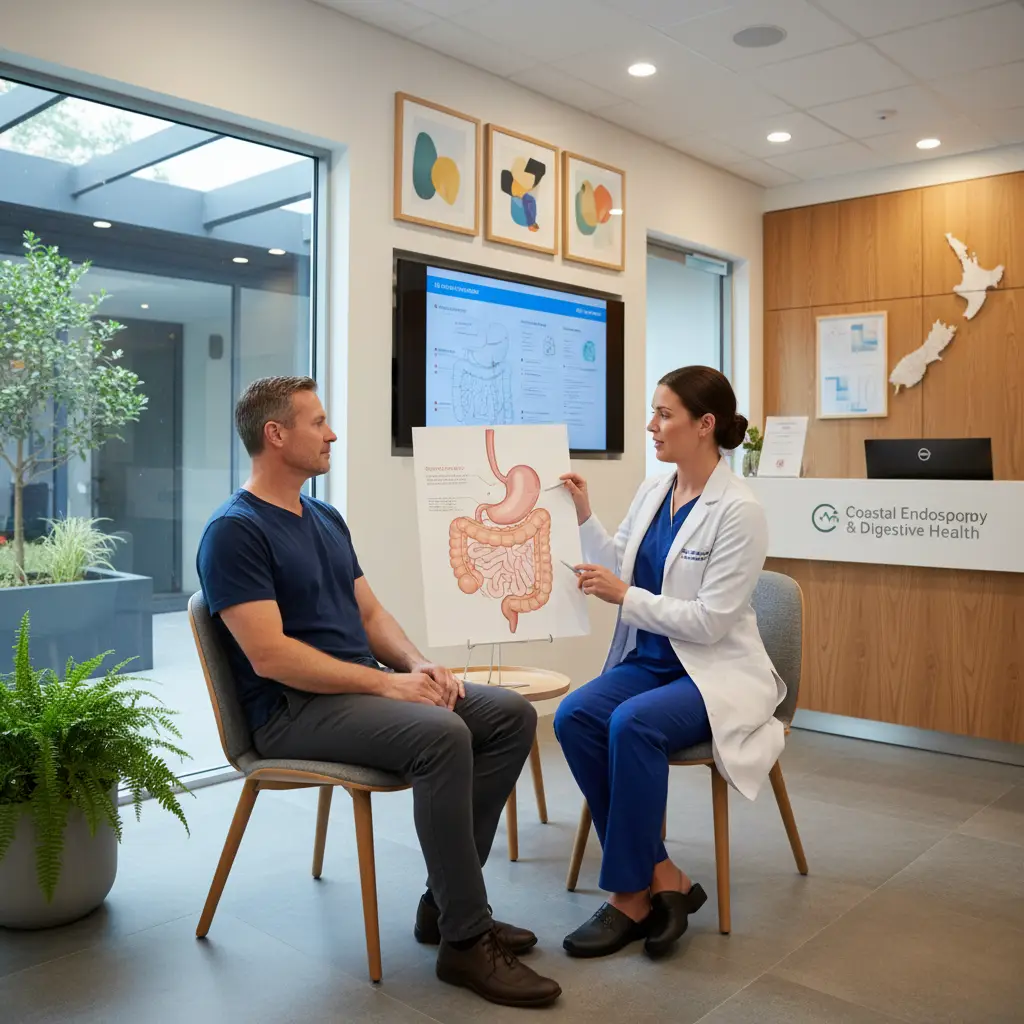
If your blood tests return a “weak positive” or “positive” result, your GP will refer you to a gastroenterologist. While blood tests are highly indicative, they are not currently sufficient for a formal diagnosis in adults in New Zealand. The “Gold Standard” remains the gastroscopy with duodenal biopsy.
During this procedure, a thin, flexible tube with a camera is passed down the throat into the small intestine. The specialist will take several tiny tissue samples (biopsies) from the lining of the small bowel. These samples are examined under a microscope by a pathologist to look for villous atrophy—the flattening of the finger-like projections in the gut that absorb nutrients.
Marsh Classification
The pathologist grades the damage using the Marsh scale. A grade of Marsh 3 (a, b, or c) confirms significant damage consistent with Coeliac disease. This confirmation is vital for your permanent medical record.
Public vs. Private System: What to Expect
New Zealand operates a dual healthcare system, and your experience will differ depending on which route you take.
Public Health System (Te Whatu Ora)
If your GP refers you to the public system, the procedure is free for residents. However, coeliac gastroscopies are sometimes triaged as “low priority” compared to suspected cancers or acute bleeding.
Wait times: It is not uncommon to wait 4 to 6 months (or longer in some DHB regions) for a public gastroscopy. During this entire waiting period, you must continue eating gluten.
Private Health System
If you have medical insurance or choose to self-fund, you can see a private gastroenterologist.
Benefits: The wait time is typically reduced to a few weeks.
Costs: Without insurance, a consultation and gastroscopy can cost between $1,500 and $3,000 NZD depending on the facility and sedation requirements.
Is there financial support for Coeliacs in NZ?
Once you have a confirmed diagnosis (biopsy proven), you unlock access to specific support systems in New Zealand. This is why self-diagnosis is discouraged.
The Disability Allowance (WINZ)
Work and Income New Zealand (WINZ) recognizes Coeliac disease as a condition that incurs extra costs. You may be eligible for the Disability Allowance to help cover the price difference between a standard diet and a gluten-free diet.
- Eligibility: It is income-tested. You must have a confirmed diagnosis signed off by your doctor.
- Application: You will need to fill out a Disability Allowance form, including a section completed by your GP verifying the condition and the necessity of the diet.
- Value: The allowance is calculated based on actual costs, up to a weekly maximum. You may need to provide receipts or a budget showing the cost of gluten-free alternatives (e.g., bread, flour, pasta).

Pharmac Subsidy (Special Authority)
Pharmac, the NZ government drug-buying agency, provides subsidies for a limited range of gluten-free products (mostly baking mixes and pasta) for diagnosed coeliacs.
How it works: Your GP applies for a “Special Authority” number. Once approved, your GP can write a prescription for these gluten-free staples. You take the script to a pharmacy, and you pay only the standard prescription co-pay (often free or $5 depending on current government policy) for a bulk supply of flour or pasta.
Living Gluten-Free and Monitoring
Management of coeliac disease in New Zealand requires strict adherence to a gluten-free diet. The Food Standards Australia New Zealand (FSANZ) code is one of the strictest in the world. In NZ, a product labeled “Gluten-Free” must have no detectable gluten.
Annual Medical Reviews
Diagnosis is not the end of the medical journey. Coeliac New Zealand recommends an annual review with your GP or specialist to monitor:
- Antibody Levels: Repeat tTG-IgA tests to ensure levels are falling (indicating the diet is working).
- Nutrient Deficiencies: Checking Iron (ferritin), B12, Folate, and Vitamin D levels, which are often low due to malabsorption.
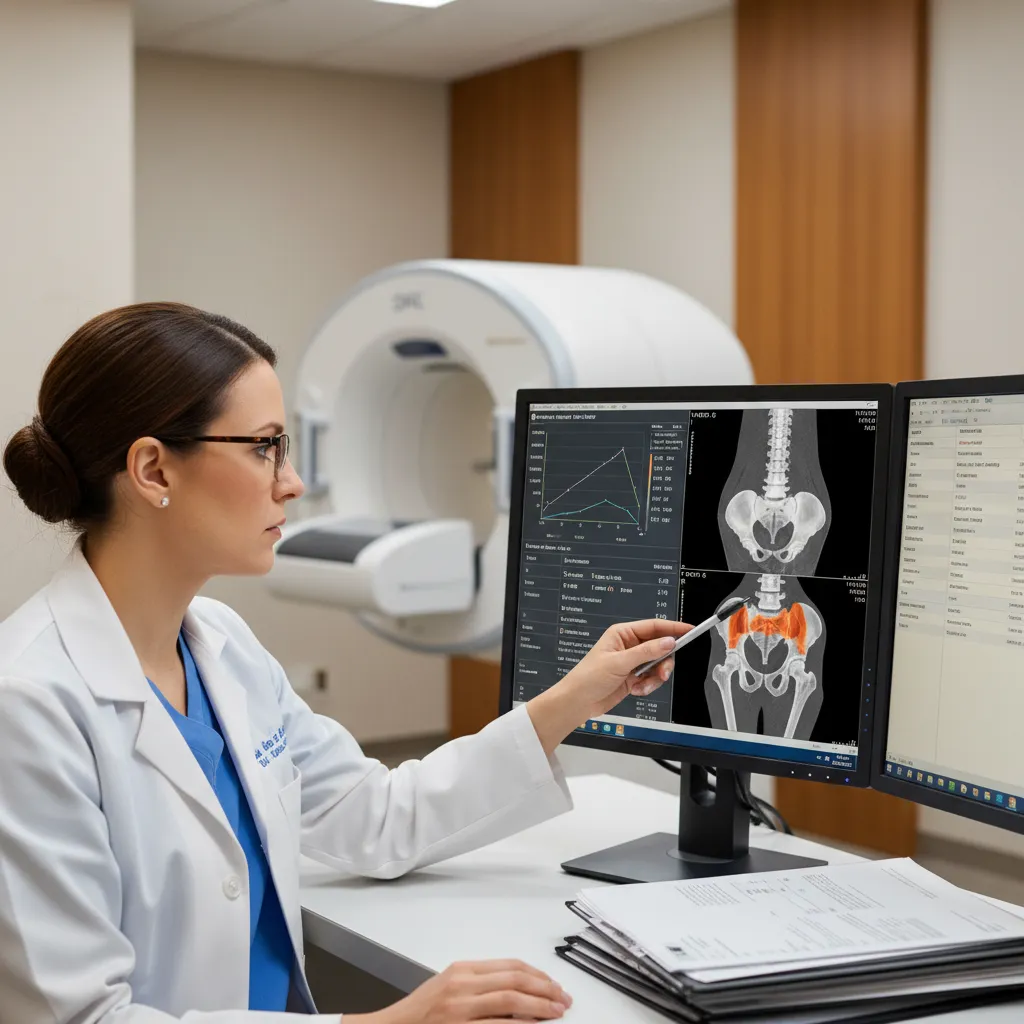
- Bone Density: Adults are often referred for a DEXA scan to check for osteopenia or osteoporosis, a common complication of undiagnosed coeliac disease.
People Also Ask
How much does a coeliac test cost in NZ?
For NZ residents enrolled with a PHO, the blood test analysis is usually funded, though a standard GP consultation fee applies. If a private gastroscopy is required, costs range from $1,500 to $3,000 NZD without insurance.
Is coeliac disease considered a disability in NZ?
While not classified as a disability for mobility parking, it is recognized by WINZ for the Disability Allowance. This allowance acknowledges the extra financial burden of the mandatory medical diet required to manage the condition.
Can children be diagnosed without a biopsy in NZ?
In specific cases, yes. Paediatric gastroenterologists in NZ may use the ESPGHAN criteria. If a child has very high antibody levels (10x normal) and a positive genetic test, a biopsy might be avoided, but this decision must be made by a specialist, not a GP.
How long is the waiting list for a gastroscopy in NZ?
In the public system, waiting times vary by region (DHB) and triage priority, often ranging from 3 to 6 months. During this wait, patients must continue consuming gluten to ensure the test remains valid.
What happens if I stop eating gluten before the test?
If you stop eating gluten, your gut heals and antibody levels drop. This will likely cause a “false negative” result, meaning you have the disease but the test cannot detect it. You would then need to reintroduce gluten for 6 weeks to be accurately tested.
Does Pharmac fund gluten-free food?
Yes, Pharmac funds a limited range of products, primarily gluten-free baking mixes, flours, and pasta. These are available via prescription from your GP once you have a Special Authority number confirming your diagnosis.