
Is wine gluten free in NZ? Yes, the vast majority of wine produced and sold in New Zealand is naturally gluten-free. Wine is made from grapes, and the fermentation process does not involve gluten-containing grains. While historical barrel-sealing methods rarely used wheat paste, modern NZ winemaking practices have largely eliminated this risk. Always check labels for mandatory allergen declarations required by FSANZ.
Is Wine Gluten Free in NZ? The Detailed Answer
For individuals diagnosed with Coeliac disease or non-coeliac gluten sensitivity in New Zealand, navigating the alcohol aisle can be fraught with anxiety. The primary query we address here is: is wine gluten free NZ? The short answer is an overwhelming yes, but understanding the nuances of production and labelling laws is essential for complete peace of mind.
Wine, by definition, is an alcoholic beverage made from fermented grapes. Grapes are naturally gluten-free fruits. Unlike beer, which is brewed from barley, wheat, or rye (all gluten-containing grains), the base ingredients of wine pose no threat to the gluten-intolerant community. This applies to:
- Red Wine: Pinot Noir, Merlot, Cabernet Sauvignon, Syrah.
- White Wine: Sauvignon Blanc, Chardonnay, Pinot Gris, Riesling.
- Rosé: All varietals.
- Sparkling Wine: Champagne, Prosecco, and Méthode Traditionnelle.
- Fortified Wines: Port and Sherry (though attention must be paid to added flavourings in cheaper varieties).

The “Wheat Paste” Myth in Cooperage
Historically, there has been a lingering concern regarding the oak barrels used to age wine. In traditional European cooperage, a wheat-based paste was sometimes used to seal the croze (the groove where the barrel head sits). Theoretically, this could cause minute cross-contamination.
However, in the modern New Zealand wine industry, this practice is virtually non-existent. Most barrels are sealed with paraffin wax or silicone, neither of which contains gluten. Furthermore, studies conducting gluten analysis on wines aged in wheat-paste-sealed barrels have consistently shown that the final product contains less than 20ppm (parts per million) of gluten, meeting the international standard for “gluten-free.”
Fining Agents and Allergens
Winemakers use fining agents to clarify wine, removing proteins and tartrates that make the liquid cloudy. Common fining agents include:
- Isinglass: Derived from fish bladders.
- Casein: Derived from milk.
- Albumin: Derived from egg whites.
- Bentonite: A type of clay.
While these are animal products (making some wines unsuitable for vegans), they are not gluten. Very rarely, hydrolyzed wheat gluten can be used as a fining agent, but under Food Standards Australia New Zealand (FSANZ) Code 1.2.3, if a product contains detectable gluten, it must be declared on the label. If you do not see a “Contains Gluten” or “Contains Wheat” warning on a bottle of NZ wine, it is safe to consume.
The Science: How Distillation Removes Gluten
Moving beyond wine, there is often confusion regarding spirits made from gluten-containing grains. For example, many vodkas are made from wheat or rye, and whisky is made from barley. How can these be safe?
The answer lies in the chemistry of distillation.
Gluten is a protein molecule. It is heavy and non-volatile. During the distillation process, the fermented liquid (the wash) is heated in a still. The alcohol vaporizes because it has a lower boiling point than water. This vapour rises, travels through a condenser, and turns back into liquid form.
Because gluten proteins are heavy and do not vaporize, they are left behind in the still with the water and other solids. The resulting distillate—the pure spirit—is free of gluten peptides. This scientific fact is recognized by major coeliac organizations globally, including Coeliac New Zealand, Coeliac UK, and the Celiac Disease Foundation (USA).

The Safe Spirits List: What Coeliacs Can Drink
Based on the science of distillation and the natural ingredients used, the following spirits are generally considered safe for a gluten-free diet in New Zealand, provided they are pure and unflavoured.
1. Vodka
Vodka is one of the safest bets for Coeliacs. While it can be distilled from wheat, rye, or barley, the distillation process removes the gluten. However, for those who are highly sensitive or prefer to avoid grain-based alcohol entirely for psychological reassurance, there are many vodkas made from naturally gluten-free bases:
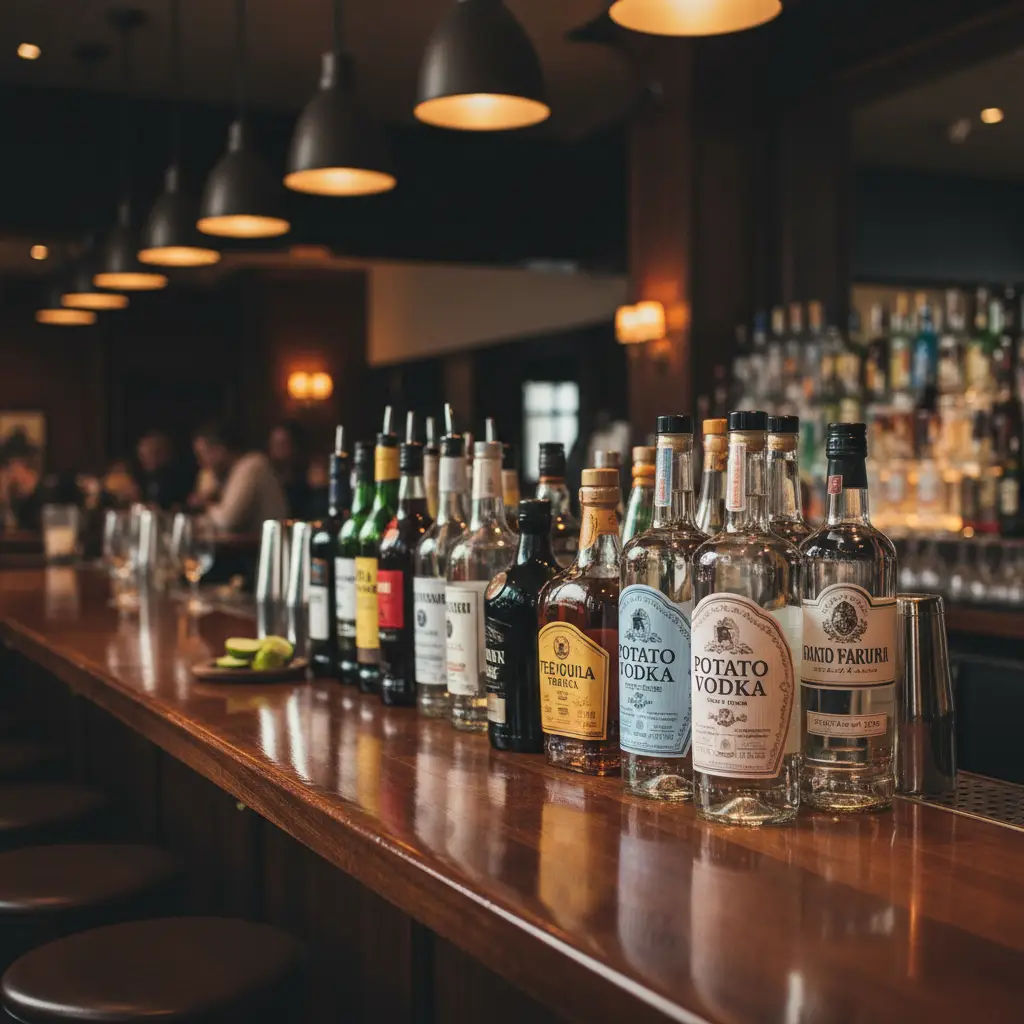
- Potato Vodka: Chopin, Luksusowa.
- Corn Vodka: Tito’s Handmade Vodka.
- Grape Vodka: Cîroc.
2. Gin
Gin is essentially vodka that has been redistilled with botanicals (juniper, coriander, citrus, etc.). As the base spirit is distilled, pure gin is gluten-free. The botanicals used are herbs and spices, which do not contain gluten.
3. Tequila and Mezcal
Authentic Tequila and Mezcal are made from the agave plant. Agave is naturally gluten-free. When choosing Tequila, always look for “100% Agave” on the label. “Mixto” tequilas may contain sugars or additives that could potentially introduce risks, though this is rare regarding gluten.
4. Rum
Rum is distilled from sugar cane or molasses. Since sugar cane is a grass that does not contain gluten, pure rum is naturally gluten-free. This applies to white rum, dark rum, and spiced rums (though spiced rums require a label check for additives).
5. Brandy and Cognac
Like wine, Brandy and Cognac are distilled from grapes. They are naturally gluten-free.
6. Whisky, Bourbon, and Scotch
This is the most controversial category, but the science holds: pure distilled whisky is gluten-free, even if made from barley malt. The distillation removes the protein. However, some Coeliacs report reactions to whisky. This could be due to:
- Psychological response (knowing it comes from barley).
- Cross-contamination in processing facilities (rare).
- Caramel colouring (E150a) which is usually corn-based but can be wheat-based (though usually highly processed and safe).
- Mash added back in (very rare, specific to some obscure brands).
If you are newly diagnosed, you may wish to stick to corn-based Bourbons or wine-based spirits until your gut heals, but medically, pure whisky is accepted as safe.
Critical Watch-Outs: Flavoured Spirits and RTDs
While pure spirits are safe, the additives added after distillation are where the danger lies. In New Zealand, the RTD (Ready-to-Drink) market is massive, and this is a minefield for Coeliacs.
1. RTDs (Ready-to-Drinks)
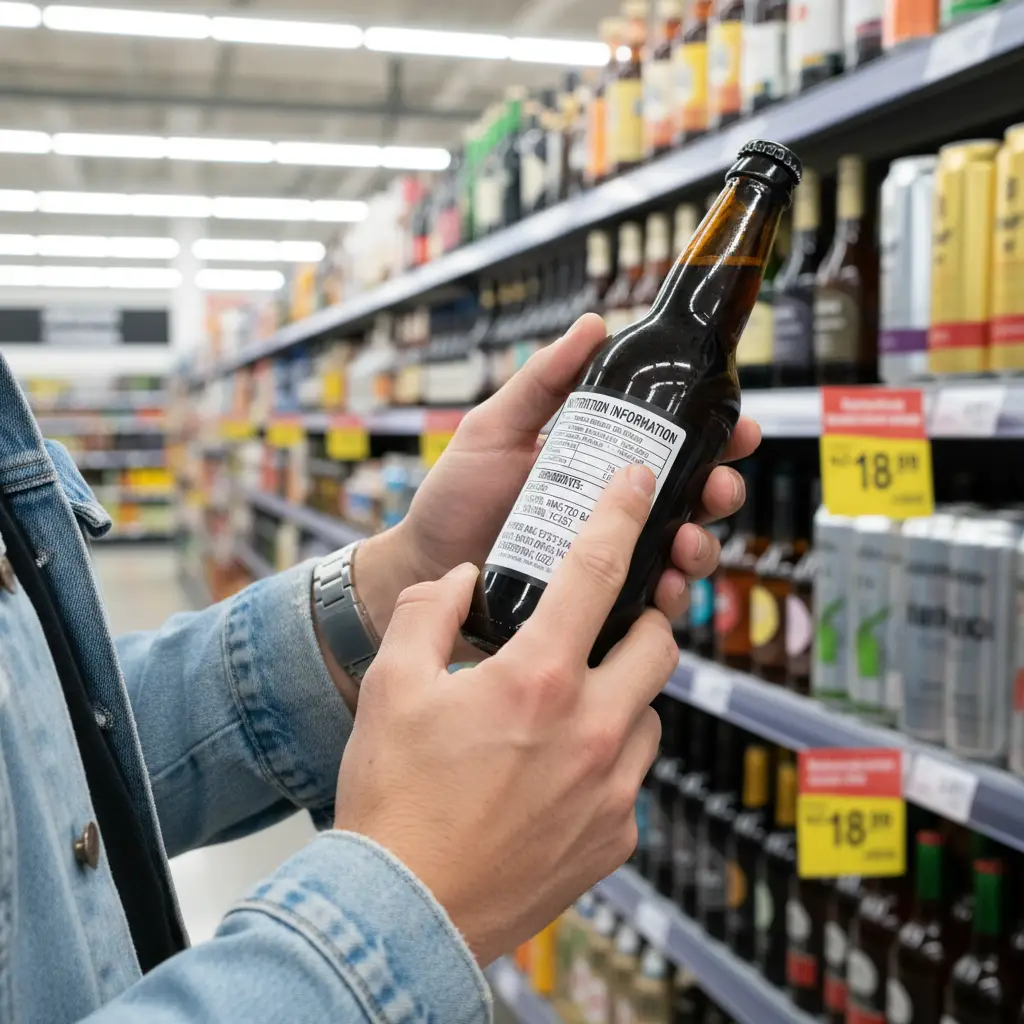
Many RTDs in NZ are not spirits mixed with soda; they are malt-based beverages. If an RTD says “Double Hopped” or “Malt Base,” it contains gluten. Even spirit-based RTDs can contain glutenous flavourings or thickeners.
Rule of Thumb: Always check the allergen statement. Under FSANZ laws, if wheat or barley is present, it must be declared.
2. Flavoured Spirits
When a manufacturer creates a “Cookies and Cream” vodka or a “Spiced Apple” whiskey, they are adding sugar syrups and flavour compounds to the pure spirit. These additives are not distilled. Therefore, if the flavouring contains gluten (e.g., from barley malt extract for sweetness), the final product is not gluten-free.
3. Liqueurs
Cream liqueurs and complex herbal liqueurs need careful checking. While Baileys Original Irish Cream states it is gluten-free (the whiskey is distilled, and the cream is dairy), other knock-off brands may use malt extract as a thickener.
4. Beer and Cider
Beer: Traditional beer is liquid gluten. It is made from barley or wheat. Do not consume it. While “Gluten-Removed” beers exist (treated with an enzyme to break down gluten), Coeliac NZ generally recommends sticking to beer brewed from gluten-free grains (sorghum, millet, rice, buckwheat) to be 100% safe.
Cider: Cider is fermented from apples or pears and is naturally gluten-free. However, some commercial ciders use barley malt for flavour or colour. Always check the label.
Navigating NZ Bars and Restaurants Safely
Even if you choose a safe drink, the environment matters. Cross-contamination is a real risk in busy NZ hospitality venues.
The Jigger Risk
Bartenders use jiggers (measuring cups) to pour drinks. If they just used that jigger to pour a whisky for a cocktail, or worse, a beer-based cocktail, and then use it for your Gin and Tonic without washing it, you have been glutened.
Solution: Ask the bartender to rinse the jigger thoroughly or pour your spirit free-hand.
The Garnish Risk
Ensure that garnishes are prepared on a clean board. If the bartender is cutting bread for a platter and limes for your drink on the same surface, contamination will occur.
Draft Lines
Never drink cider from a tap unless you are certain it has its own dedicated line. Often, bars switch kegs between beer and cider without cleaning the lines thoroughly, leading to high levels of gluten in what should be a safe cider.
Frequently Asked Questions
Is Baileys gluten-free in NZ?
According to the manufacturer, the ingredients in Baileys Original Irish Cream are gluten-free. The whiskey used is distilled, removing the gluten. However, always check the bottle for specific allergen advice as recipes can vary by region or special edition flavours.
Is Corona beer gluten-free?
No, Corona is not gluten-free. It is made from barley malt. While it tests lower in gluten than some heavy stouts, it still contains gluten and is not suitable for people with Coeliac disease.
Does fermentation remove gluten?
No. Fermentation converts sugar to alcohol, but it does not remove or break down gluten proteins. This is why beer (fermented barley) is unsafe, while whisky (distilled barley) is safe.
Is Absolut Vodka gluten-free?
Yes. Although Absolut is made from winter wheat, the continuous distillation process removes all gluten proteins. It is considered safe for Coeliacs.
Are wine coolers gluten-free?
Not always. Many wine coolers (especially older styles) were malt-based. Modern wine coolers are often wine-based, but you must check the label. If the ingredients list “malt,” “barley,” or “wheat,” avoid it.
Is Champagne gluten-free?
Yes, Champagne and other sparkling wines are made from grapes and undergo a fermentation process that is naturally gluten-free. They are safe to consume.