
To prevent cross contamination in the kitchen, specifically for Coeliac Disease, you must establish strict physical separation between gluten-containing and gluten-free foods. This involves using dedicated appliances like toasters, implementing the “top shelf” rule in pantries, replacing porous utensils like wooden spoons, and using separate cleaning cloths to avoid transferring microscopic gluten particles.
Why Micro-particles Matter: The Coeliac Context
When managing Coeliac Disease, particularly within the strict guidelines advocated by organizations like Coeliac New Zealand, the term “cross-contamination” (or cross-contact) refers to the transfer of gluten traces onto gluten-free food. For a diagnosed coeliac, this is not a matter of preference or a fad diet; it is a critical medical necessity. The autoimmune reaction caused by gluten can be triggered by as little as 20 parts per million (ppm). To put that into perspective, a single crumb of regular wheat bread on a gluten-free pizza base is enough to cause intestinal damage, even if the symptoms are not immediately felt.
Many families operate in a “mixed kitchen” environment where gluten-containing foods and gluten-free options coexist. While a 100% gluten-free kitchen is the gold standard for safety, it is not always practical for every household. Therefore, mastering the art of how to prevent cross contamination in the kitchen becomes the most important skill for long-term health. It requires a shift in mindset from “cleanliness” to “sterility” regarding gluten proteins.
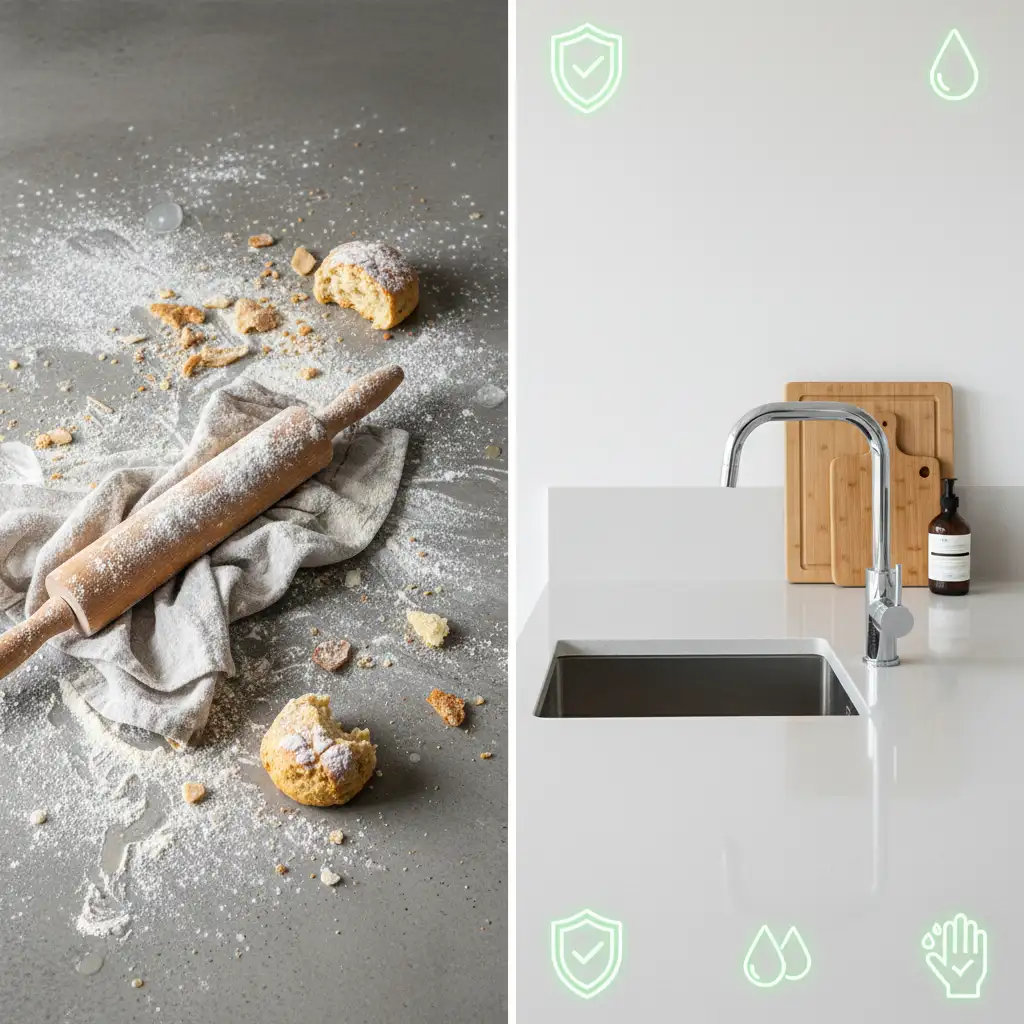
The ‘Gluten-Free Top Shelf’ Rule
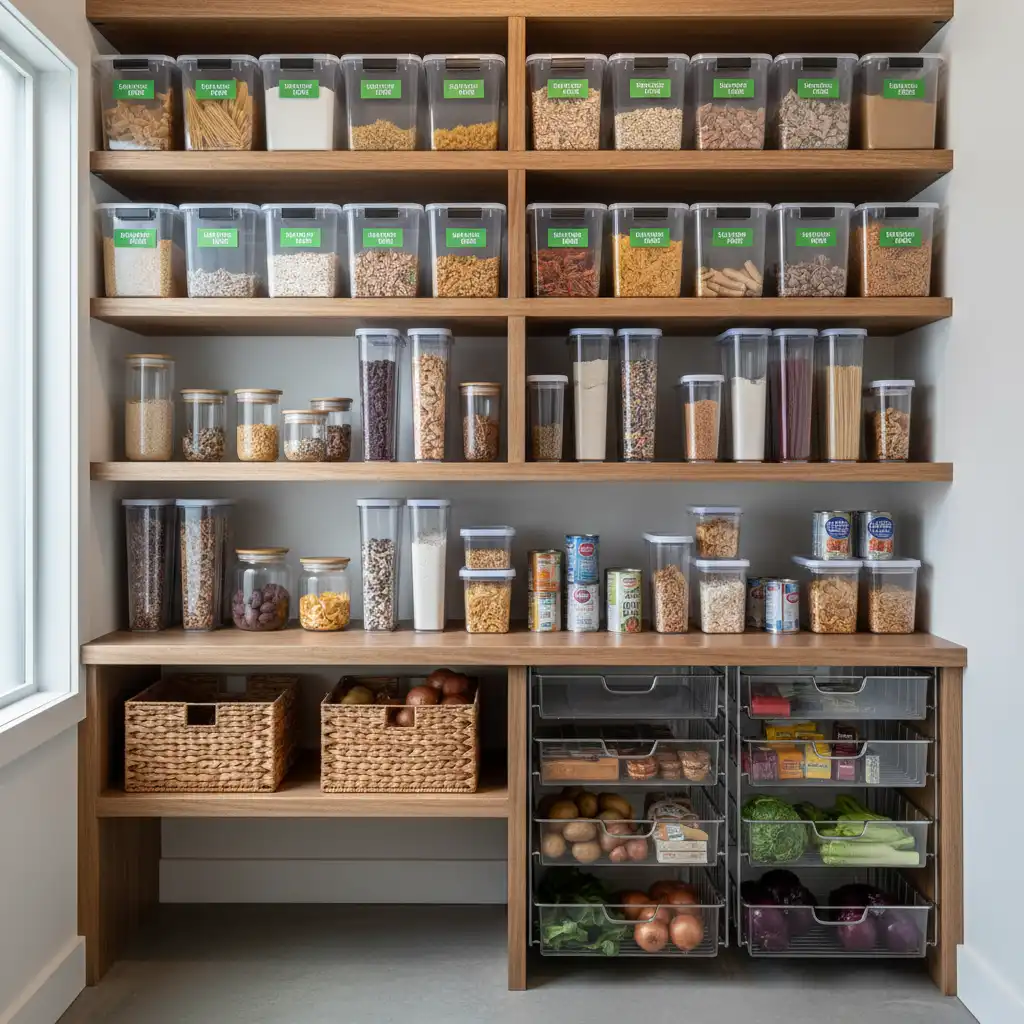
Gravity is the enemy of the mixed kitchen. One of the fundamental laws of kitchen organization when trying to prevent cross contamination is the “Top Shelf Rule.” This rule applies to every storage area in your kitchen, including the pantry, the refrigerator, and the freezer.
Pantry Organization
Gluten-containing flours, breadcrumbs, and cereals are notorious for shedding particles. If a bag of wheat flour is stored on a top shelf and is moved, microscopic dust settles on everything below it. If that dust lands on a box of gluten-free crackers or an open fruit bowl, those items are compromised.
The Protocol: Always store gluten-free products on the highest shelves. Gluten-containing items must go on the bottom shelves. If a spill occurs with the gluten items, they fall onto the floor or other gluten items, protecting your safe food above. Furthermore, all gluten-free flours and loose items should be stored in sealed, airtight hard plastic or glass containers, not just their original packaging.
Refrigerator Safety
The same logic applies to the fridge. Condensation and shifting containers can lead to drips or crumbs falling.
- Top Shelf: Ready-to-eat gluten-free foods, gluten-free leftovers, and dedicated condiments.
- Middle/Bottom: Sealed raw meats (standard food safety) and gluten-containing beers, leftovers, or doughs.
Dedicated Appliances: Toasters, Colanders, and More
Some kitchen tools can be shared if washed thoroughly, but others are physically impossible to clean to a safe standard for Coeliac Disease. Knowing which appliances require duplication is essential to prevent cross contamination in the kitchen.
The Toaster Trouble
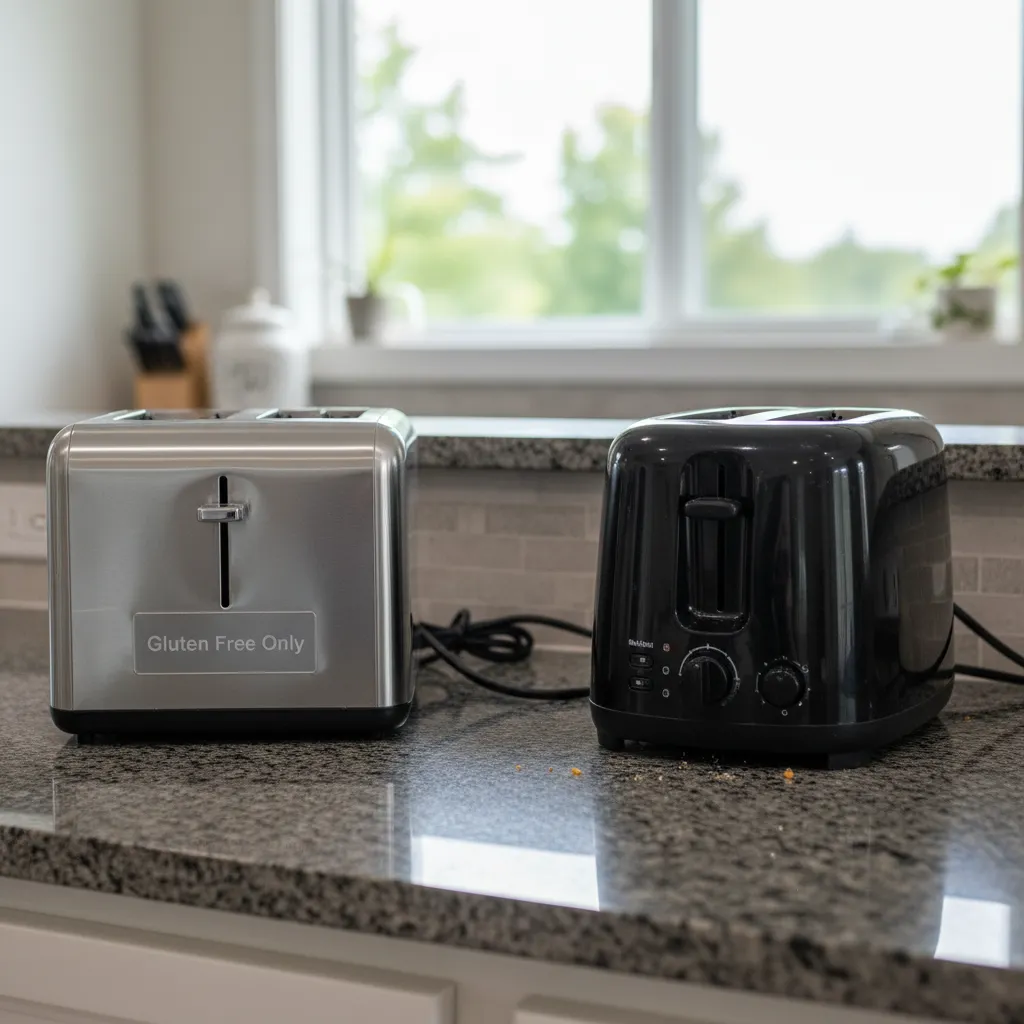
Toasters are arguably the most common source of cross-contamination. The heating elements and crumb trays retain crumbs from every slice of bread ever toasted. You cannot clean a standard toaster well enough to make it safe for gluten-free bread.
The Fix: You must purchase a dedicated gluten-free toaster. Label it clearly (using a label maker or bright stickers) and store it away from the “regular” toaster to prevent confusion by guests or children. If a second toaster is impossible due to space or budget, use reusable toaster bags that completely seal the gluten-free bread, though a separate appliance is far safer.
Colanders, Sieves, and Strainers
Any item with mesh, holes, or complex crevices poses a high risk. Gluten paste (from draining regular pasta) gets stuck in the mesh of colanders and sieves. Even a dishwasher cycle often fails to dislodge these sticky starch proteins.
The Fix: Buy a distinct colander (perhaps a different color, like red for danger/gluten or green for safe) and use it exclusively for gluten-free pasta and vegetables. Never use a shared flour sifter.
Air Fryers and Convection Ovens
Air fryers circulate air at high speeds. If you cook breaded gluten items (like nuggets) in an air fryer, crumbs are blown into the heating element and around the basket. When you later cook a gluten-free item, those crumbs can be blown back onto the safe food.
The Fix: If you cannot have two air fryers, you must thoroughly clean the unit between uses and, ideally, cook the gluten-free food on a clean rack or parchment paper, or cook it first before any gluten items are introduced.
Utensils: Wooden Spoons vs. Metal and Silicone
The material of your cookware plays a massive role in safety. Not all surfaces are created equal when it comes to harboring gluten.
Why Wood is a No-Go
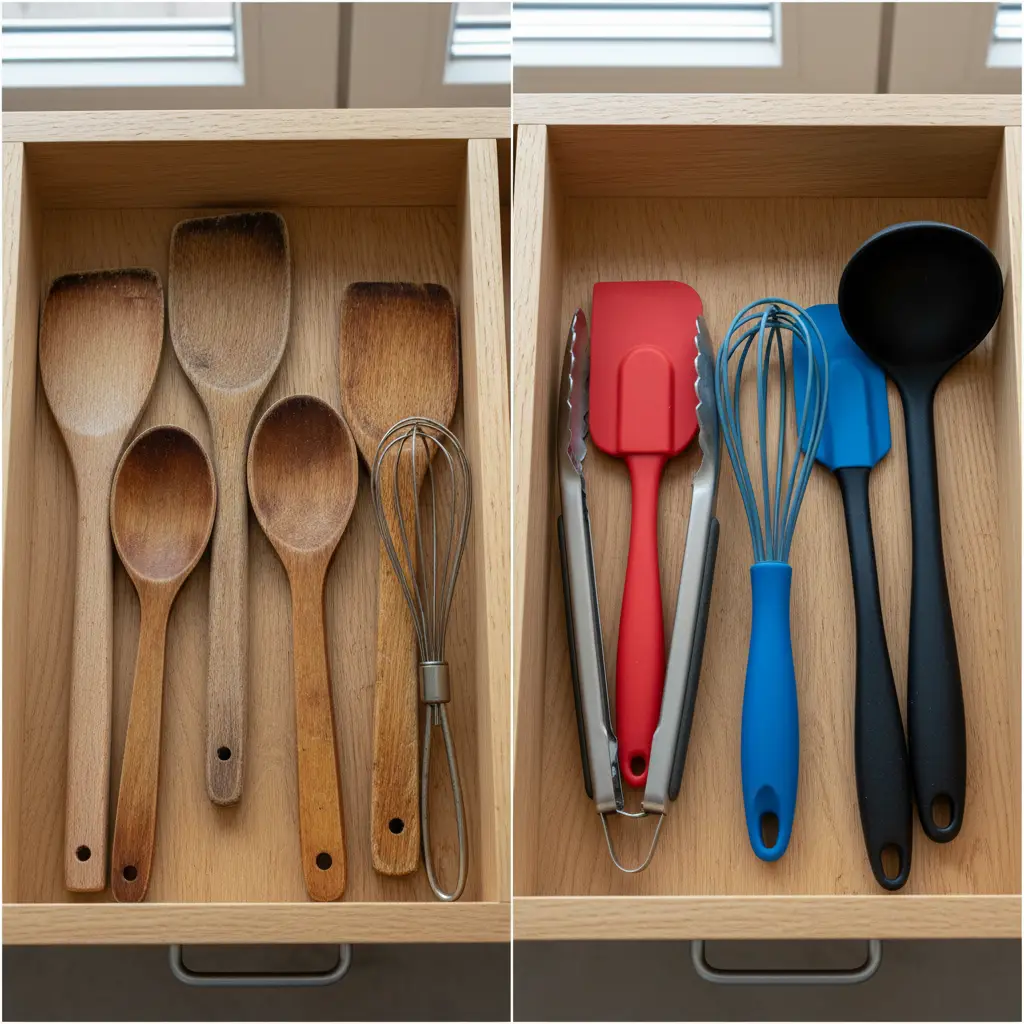
Wood is porous. Under a microscope, a wooden spoon or chopping board looks like a sponge, full of cracks, fissures, and tubes. When you stir a pot of wheat pasta or roll out dough on a wooden board, gluten particles embed themselves deep into the wood grain. No amount of scrubbing or boiling can guarantee that the gluten has been removed. As the wood expands and contracts with heat and moisture, it can release these trapped particles back into your food.
The Rule: Ban wooden spoons and wooden cutting boards for shared use. If you love wooden tools, mark a specific set as “Gluten Free Only” permanently, but it is safer to switch to non-porous materials.
The Superiority of Metal and Silicone
Stainless steel, glass, and high-grade silicone are non-porous. Gluten sits on the surface rather than soaking in. These materials can be effectively sanitized in a dishwasher or with hot soapy water.
Scratched Non-Stick Pans
Inspect your non-stick cookware (Teflon, etc.). If your pans are heavily scratched, those scratches act like the pores in wood—they can trap minute amounts of food residue and gluten. For a strictly gluten-free environment, replace scratched pans or designate specific pans for gluten-free cooking.
Cleaning Sponges and Dishcloths
You have cooked a safe meal, but you might ruin it during the cleanup or prep phase if you aren’t careful with your cleaning tools. This is a frequently overlooked vector for cross-contamination.
The Sponge Trap
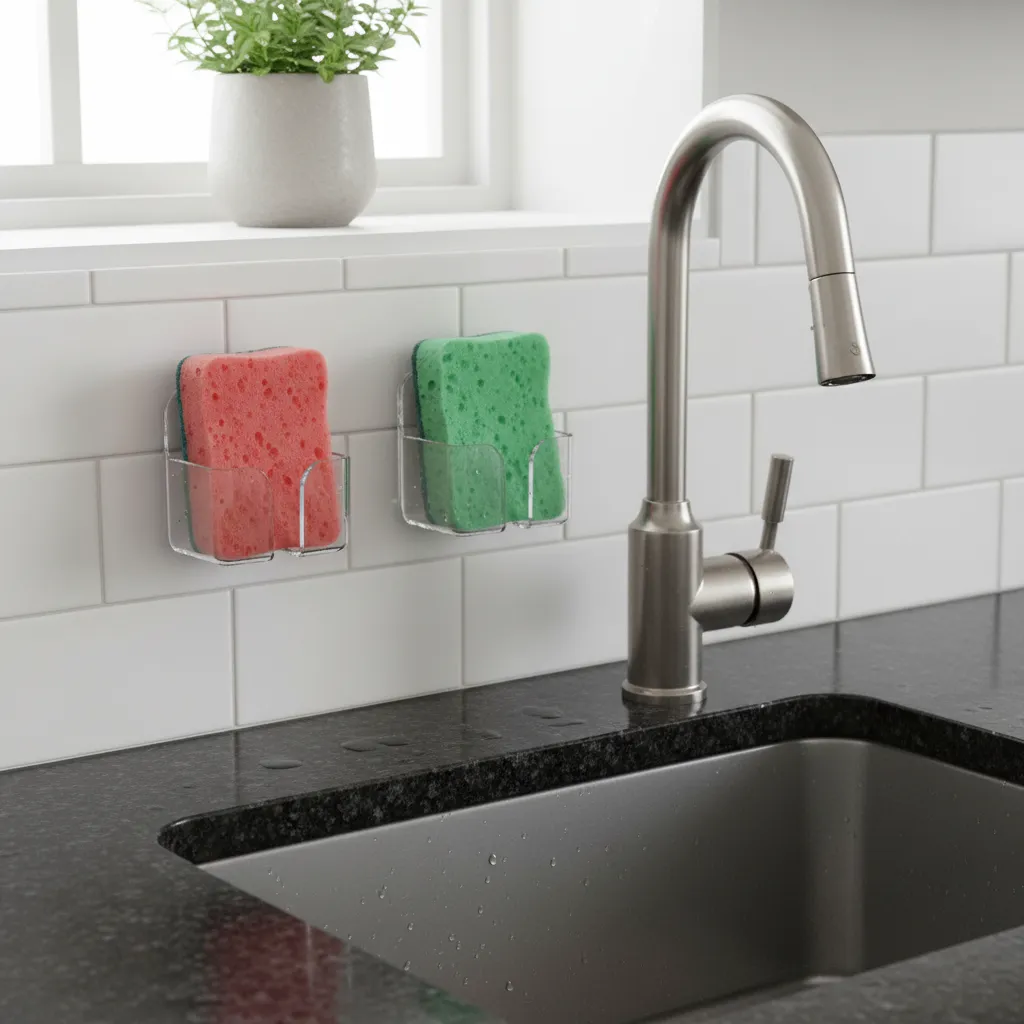
Kitchen sponges are designed to be absorbent and abrasive. They trap food particles, grease, and bacteria. If you use a sponge to scrub a pan that held cheesy wheat pasta, that sponge is now contaminated with gluten. If you then use the same sponge to wash a “gluten-free” plate or wipe down the counter where you plan to prep vegetables, you are spreading gluten across the surface.
Dishcloths and Towels
Similarly, tea towels used to wipe hands that have touched bread, or to wipe up spills, become carriers. Drying your clean gluten-free hands on a contaminated towel undoes your hand-washing immediately.
The Sanitation Strategy
- Color Coding: Adopt a strict color code. For example, buy blue sponges for general washing (gluten) and yellow sponges exclusively for gluten-free cookware.
- Dishwashers: Generally, dishwashers are safe for mixed loads because the water pressure and dilution factor are high. However, ensure that gluten-containing dishes are rinsed of large debris before loading to prevent filters from clogging with gluten paste that could redeposit on other items.
- Paper Towels: When wiping down counters before gluten-free prep, use disposable paper towels and spray cleaner. This ensures a fresh, uncontaminated surface every time.
The Double-Dipping Danger Zone
Finally, we must address the behavioral aspect of preventing cross contamination. The most rigorous cleaning protocols fail if a family member “double dips.”
Condiments like butter, jam, mayonnaise, and peanut butter are high-risk zones. If a knife is used to spread butter on wheat toast and then dipped back into the tub for more butter, the entire tub is contaminated. Crumbs are left behind in the fat.
Solutions for Shared Kitchens:
- Squeeze Bottles: Use condiments that come in squeeze bottles (mayo, ketchup) so no knife ever enters the container.
- The “Scoop” Method: Teach family members to scoop the required amount of butter or jam onto a side plate with a clean spoon before spreading it.
- Dedicated Tubs: Label specific jars “GF ONLY” with a permanent marker. If a mistake happens, that jar must be demoted to the general population; do not try to “scoop out” the crumb.
Frequently Asked Questions
Can you wash gluten off a wooden spoon?
No, you generally cannot reliably wash gluten off a wooden spoon. Wood is porous and develops cracks that trap gluten proteins. Even with high heat or dishwashers, the risk of residue remaining and leaching out later is too high for someone with Coeliac Disease. Replace them with silicone or metal.
Is a dishwasher safe for mixed gluten and gluten-free dishes?
Yes, in most cases, a dishwasher is safe for mixed loads. The high volume of water and detergent effectively removes gluten from non-porous surfaces like glass, ceramic, and stainless steel. However, ensure you rinse visible gluten food debris off plates before loading, and check the dishwasher filter regularly.
Do I really need two toasters to prevent cross contamination?
Yes, a dedicated toaster is highly recommended. Toasters accumulate crumbs in the trays and on the heating elements which are impossible to fully clean. If you cannot buy a second toaster, use “toaster bags” which seal the gluten-free bread completely while it toasts in the shared appliance.
How much gluten causes a reaction?
Research suggests that as little as 10 to 50 milligrams of gluten can cause damage to the small intestine in people with Coeliac Disease. This is roughly equivalent to a small crumb of bread. This is why preventing cross contamination is just as important as choosing gluten-free ingredients.
Can convection ovens cause cross contamination?
Yes, convection ovens and air fryers use fans to circulate air. If you cook loose flour or crumbly gluten items, the fan can blow these particles around the oven chamber. It is safest to cover gluten-free food or cook it before gluten items to minimize risk.
What is the best way to clean counters to remove gluten?
To effectively remove gluten from counters, first wipe away visible crumbs with a disposable paper towel. Then, use warm soapy water or a kitchen spray with a clean paper towel or a dedicated gluten-free cloth. Avoid using the communal kitchen sponge, which likely harbors gluten particles.