
Being newly diagnosed with Coeliac disease in NZ requires an immediate transition to a strict, lifelong gluten-free diet to heal intestinal damage. Key steps include joining Coeliac New Zealand for accredited resources, requesting a referral to a dietitian, and learning New Zealand’s specific food labelling standards to avoid cross-contamination and hidden gluten sources.
Receiving a diagnosis of Coeliac Disease is a pivotal moment in your life. While it provides an answer to months or perhaps years of unexplained symptoms, it also presents a steep learning curve. In New Zealand, the support systems and food standards are world-class, but navigating them requires specific knowledge. This guide serves as your comprehensive roadmap for the first 30 days, moving you from diagnosis to confidence.
Processing the Emotional Impact of Diagnosis
It is entirely normal to feel a complex mix of emotions when you are newly diagnosed with Coeliac disease. For many, the primary feeling is relief—finally, there is a name for the fatigue, gastrointestinal distress, and brain fog. However, this relief is often quickly followed by overwhelm.
You are not just changing a meal; you are changing a lifestyle. In New Zealand, where socialising often revolves around BBQs, morning teas, and café culture, the fear of missing out or being a “burden” is real. Acknowledge these feelings. This is a significant health transition. The “grief” for your old diet is a valid psychological response.
However, the narrative shifts quickly from restriction to restoration. Within weeks of removing gluten, most patients report a surge in energy and a cessation of pain. Focus on what you are gaining: your health, your nutrient absorption, and your vitality.

The Medical Follow-Up Pathway in NZ
Once your GP or gastroenterologist confirms the diagnosis via a biopsy or high tTG blood results, your medical journey is not over; it is just beginning. In the New Zealand healthcare system, you must advocate for specific follow-up care to ensure your body heals correctly.
What tests should I request immediately?
Coeliac disease is an autoimmune condition that affects nutrient absorption. Consequently, you may have deficiencies that need addressing immediately. Ask your GP for:
- Full Iron Studies: Iron deficiency anaemia is the most common symptom of undiagnosed Coeliac disease.
- B12 and Folate Levels: These are absorbed in the small intestine, which may be damaged.
- Bone Density Scan (DEXA): Malabsorption of calcium and Vitamin D can lead to osteopenia or osteoporosis, even in younger Kiwis.
- Liver Function Tests: Elevated liver enzymes can be associated with untreated Coeliac disease.
The Dietitian Referral
In New Zealand, you may be eligible for a referral to a public hospital dietitian, or you may choose to see a private specialist. This step is non-negotiable. A dietitian will not only teach you what to avoid but, more importantly, what to eat to repair your gut. They will help you navigate the “Gluten Withdrawal” phase, where your body adjusts to the new diet.
Why Joining Coeliac NZ is Critical
If you search “newly diagnosed coeliac NZ help,” the most valuable resource you will find is Coeliac New Zealand (CNZ). Unlike generic international websites, CNZ provides information specific to our local food supply and regulations.
Membership offers several tangible benefits for the first 30 days:
- The Dining Out Guide: A curated list of NZ restaurants and cafes that have been accredited or reviewed for safe gluten-free practices.
- The Crossed Grain Logo: Access to the directory of products that carry the Crossed Grain trademark, the gold standard for safety.
- Welcome Pack: This usually contains starter vouchers and guides that demystify the supermarket shop.
- Support Networks: Access to local area coordinators who can tell you which bakery in your town is safe.

Mastering NZ Food Labels (FSANZ Standards)
New Zealand and Australia share the strictest food labelling standards in the world, governed by Food Standards Australia New Zealand (FSANZ). Understanding these rules is your best defence.
The “Gluten Free” Claim
In NZ, for a product to be labelled “Gluten Free,” it must contain no detectable gluten. This is a higher standard than the US or UK, which allow up to 20 parts per million (ppm). If you see “Gluten Free” on a packet in a New Zealand supermarket, it is safe.
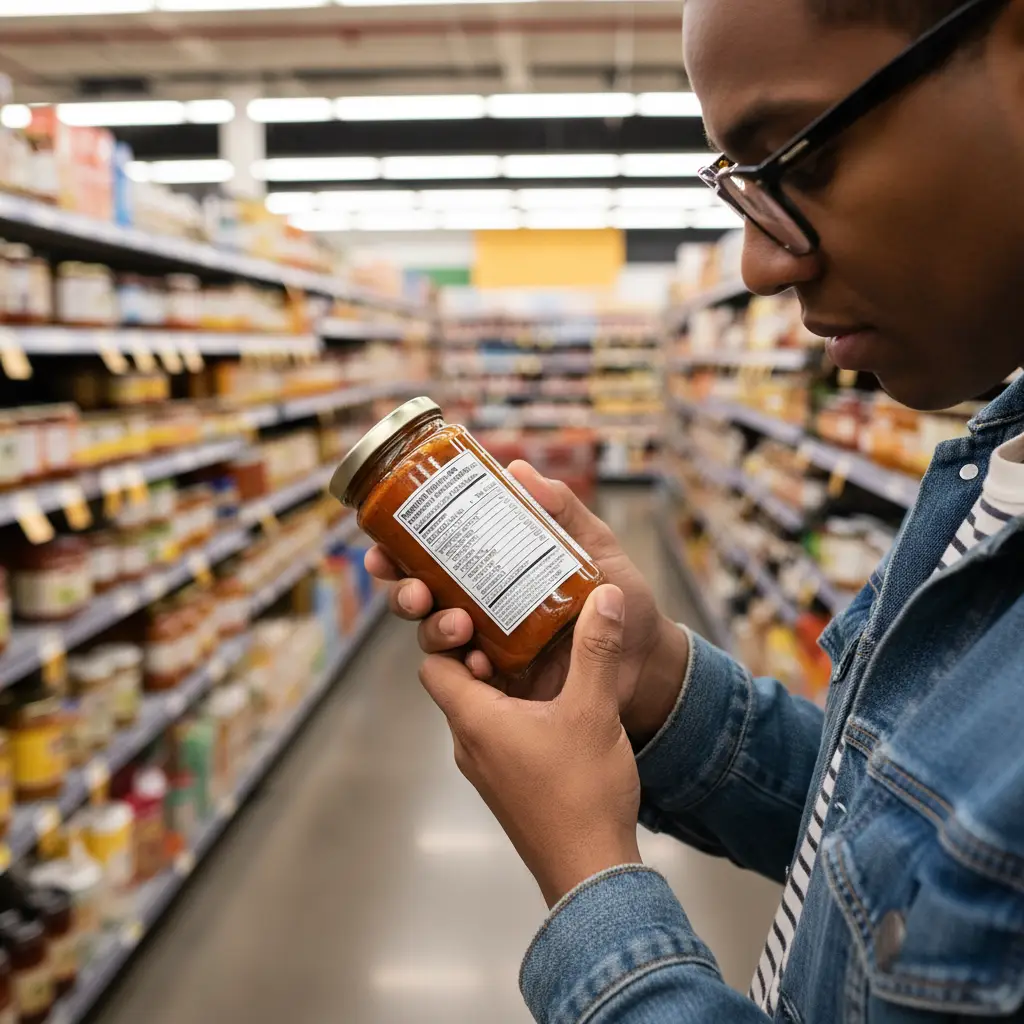
Reading the Ingredient List
By law, allergens must be declared. You do not need to memorise every scientific name for gluten, but you must look for the bolded allergens. Wheat, Rye, Barley, and Oats must be declared.
Warning: Watch out for “May contain traces of gluten.” In NZ, this is a voluntary warning used by manufacturers. As a Coeliac, you should generally avoid products with this statement, as it indicates a risk of cross-contamination on the production line.
Hidden Sources of Gluten in NZ
Be vigilant with these common Kiwi pantry staples:
- Soy Sauce: Usually contains wheat. Look for Tamari or specific GF soy sauce.
- Sausages: Traditional NZ sausages often use wheat flour as a binder. Only buy those marked GF.
- Stock Cubes and Gravy: Often wheat-based.
- Malt Vinegar: Made from barley. Use white vinegar, balsamic, or cider vinegar instead.
- Icing Sugar: Some mixtures use a wheat starch anti-caking agent, though maize is more common now. Always check.
The Great Kitchen Detox
Before you cook your first gluten-free meal, you must secure your environment. Cross-contamination is the most common reason newly diagnosed Coeliacs fail to see symptom relief. Even a crumb of regular toast is enough to trigger an autoimmune reaction.
Steps to a Coeliac-Safe Kitchen
- The Toaster: You cannot share a toaster. The crumbs inside are a hazard. Buy a new, dedicated 2-slice toaster (labelling it helps) or use “toaster bags” if space is limited.
- Condiments: Throw out (or donate to non-coeliac family members) any jams, peanut butter, or butter tubs that have been “double-dipped” with a knife used on wheat bread. Start fresh and implement a “no double-dipping” rule or buy squeeze bottles.
- Wooden Utensils: Wood is porous and can trap gluten proteins. Replace wooden spoons and chopping boards with plastic or silicone alternatives that can be thoroughly sanitised.
- Colanders: Pasta strainers are notoriously hard to clean perfectly. Buy a dedicated colour-coded colander for gluten-free pasta only.
- Pantry Separation: If you live in a mixed household, store gluten-free products on the top shelf. This prevents gluten crumbs from falling onto your safe food.
Your First 30 Days Roadmap
Taking control requires a plan. Here is a week-by-week breakdown to navigate your first month.
Week 1: The Clean Sweep
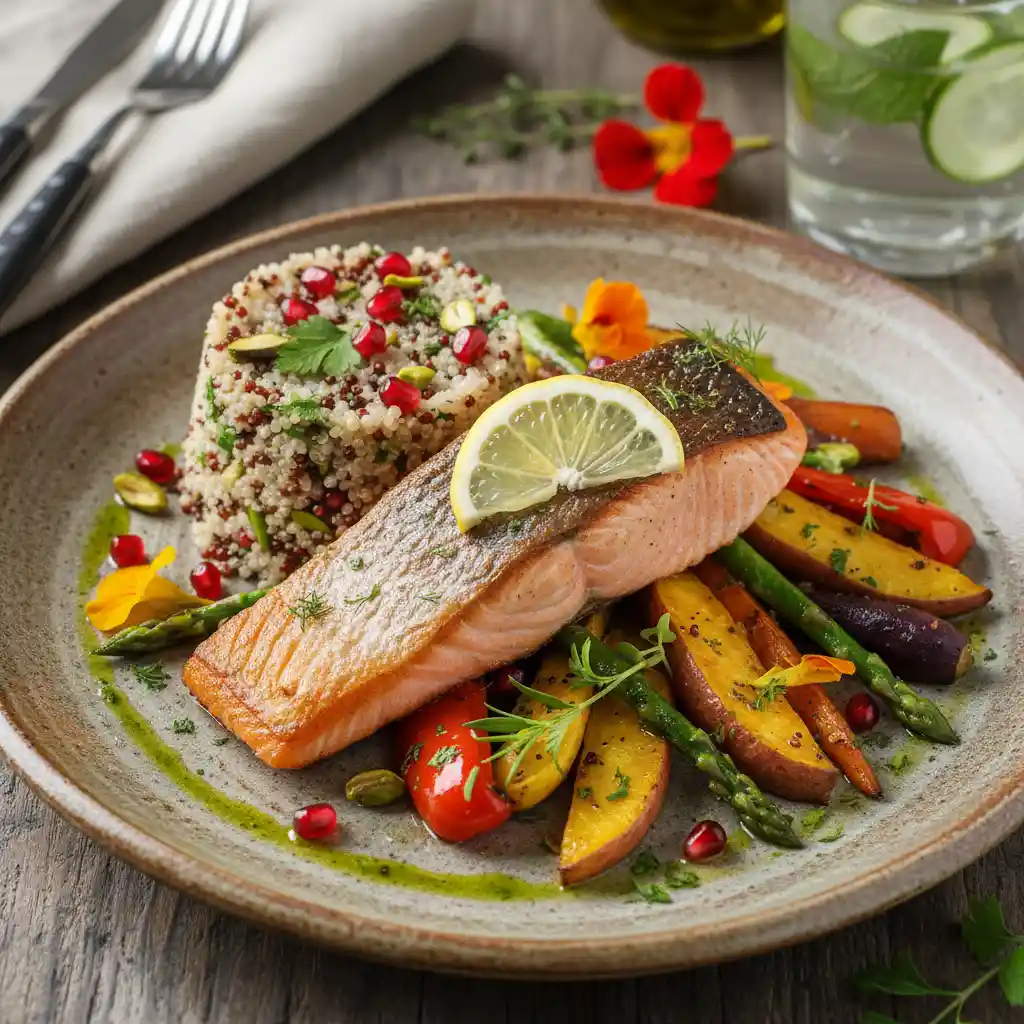
Focus on your home environment. purge the pantry of unsafe items or segregate them. Shop for naturally gluten-free foods: fresh fruit, vegetables, meat, fish, eggs, and dairy. Avoid processed GF substitutes for now; focus on whole foods to let your gut settle.
Week 2: Label Literacy
Spend extra time at the supermarket (New World, Pak’nSave, or Woolworths). Don’t just shop; study. Pick up items you used to buy and read the back. Find the GF alternatives. Experiment with one or two GF breads to find one you like (toasting usually improves the texture significantly).
Week 3: The Medical Check-in
By now, you should have had your dietitian appointment. You might be feeling “withdrawal” symptoms or frustration. This is the time to review your blood test results with your GP and start supplements (Iron, B12, Vitamin D) if prescribed.
Week 4: Re-entering Society
Try eating out. Use the Coeliac NZ Dining Out Guide. Call the restaurant beforehand. Ask: “Do you have a separate fryer for GF chips?” and “Can you guarantee no cross-contamination?” A successful meal out is a huge confidence booster.
People Also Ask
What financial help is available for Coeliacs in NZ?
In New Zealand, the Disability Allowance (administered by Work and Income) may be available to help cover the extra costs of a gluten-free diet. You will need a medical certificate from your GP confirming the diagnosis and that the diet is essential. The allowance is income-tested.
Can I eat oats if I have Coeliac disease in NZ?
Under current FSANZ regulations, oats cannot be labelled “Gluten Free” in New Zealand. This is because a protein in oats (avenin) mimics gluten and causes a reaction in approximately 20% of Coeliacs. It is generally recommended to avoid oats entirely, including “wheat-free” oats, until your gut has healed and you have consulted with your specialist.
How long does it take to feel better after going gluten-free?
Many people report feeling significantly better within a few days to two weeks. However, complete healing of the intestinal villi can take 6 months to 2 years. Some symptoms, like fatigue, may linger until nutrient deficiencies (like iron) are corrected.
Is “Wheat Free” the same as “Gluten Free”?
No. A product can be wheat-free but still contain rye, barley, or oats, which are not safe for Coeliacs. Always look for the specific “Gluten Free” label or the Crossed Grain logo.
What alcohol is gluten-free in NZ?
Wine, cider, sherry, spirits (rum, gin, vodka, whiskey, tequila), and liqueurs are generally gluten-free. Even spirits made from grain are safe because the distillation process removes the gluten protein. However, you must avoid beer and lager unless it is specifically labelled “Gluten Free.” RTDs should be checked individually.
Do I need to change my toiletries and cosmetics?
Gluten cannot be absorbed through the skin, so shampoos and lotions are generally safe unless you accidentally ingest them (e.g., lipstick or lip balm). It is recommended to use gluten-free lip products and toothpaste to avoid accidental ingestion.