
The WINZ Disability Allowance for Coeliac Disease is a weekly payment available to New Zealand residents who incur ongoing additional costs due to a medically diagnosed gluten-free diet. To qualify, you must meet income criteria, have a confirmed diagnosis from a health practitioner, and demonstrate that your diet costs exceed the standard food costs.
Living with Coeliac Disease in New Zealand involves more than just a lifestyle change; it is a serious autoimmune condition that requires a strict, lifelong medical diet. For many Kiwis, the financial burden of purchasing gluten-free alternatives—often priced significantly higher than standard staples—can be overwhelming. Fortunately, Work and Income New Zealand (WINZ) recognizes this financial strain and offers support through the Disability Allowance.
This comprehensive guide details exactly how to access the WINZ disability allowance for Coeliac Disease, ensuring you receive the financial support you are entitled to for managing your health.
Eligibility Criteria for the Allowance
The Disability Allowance is not a benefit that is automatically granted upon diagnosis; it is an income-tested payment designed to reimburse ongoing extra costs arising from a disability or long-term health condition. In the context of Coeliac Disease, the “disability” is the autoimmune reaction to gluten, and the “treatment” is the specialized diet.

Residency and Income Requirements
To be eligible for the WINZ disability allowance for Coeliac Disease, you must first meet the basic residency and income criteria set by the Ministry of Social Development. You generally must:
- Be a New Zealand citizen or permanent resident.
- Normally live in New Zealand.
- Have an income that falls below the current cut-out points.
It is important to note that the income limits for the Disability Allowance are often higher than those for a main benefit (like Jobseeker Support). This means that working individuals and families may still qualify for this assistance even if they do not receive a core benefit. The income limit varies depending on your marital status and whether you have children.
The Medical Definition
WINZ requires that the condition is likely to last for at least six months from the date of application. Since Coeliac Disease is a lifelong autoimmune condition with no cure other than dietary adherence, it automatically meets the duration criteria. However, self-diagnosis or “gluten sensitivity” without medical documentation is rarely sufficient. You will need a formal diagnosis confirmed by a registered health practitioner, usually via blood tests and a gastroscopy/biopsy.
Understanding Coeliac Costs vs. Standard Costs
A common misconception is that the allowance covers the total cost of your food. This is incorrect. The Disability Allowance is designed to cover the additional cost incurred due to the disability, over and above what a person without the condition would spend.
The “Excess Cost” Principle
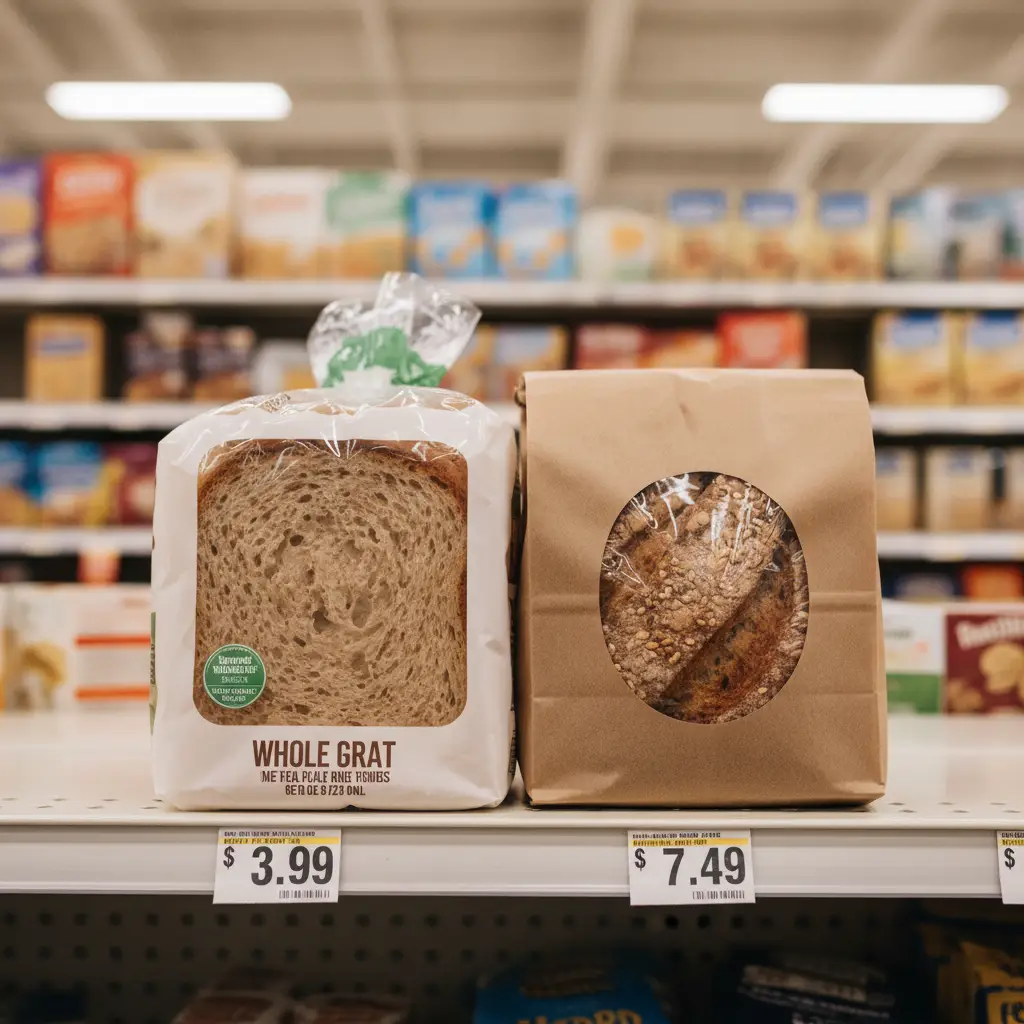
When assessing an application for Coeliac Disease, WINZ looks at the price difference between a standard diet and a gluten-free diet. For example, if a standard loaf of bread costs $1.50 and a gluten-free loaf costs $6.50, the “disability cost” is the $5.00 difference, not the full $6.50.
To qualify, your total disability-related costs (which can include prescriptions, doctor’s visits, and heating, in addition to diet) must be more than a specific weekly threshold set by WINZ. If your extra costs do not exceed this threshold, you will not receive any payment. Fortunately, the high cost of gluten-free substitutes usually pushes Coeliac patients well above this threshold.
How to Apply and Forms Required
Applying for the WINZ disability allowance for Coeliac Disease requires a systematic approach. Missing forms or vague medical descriptions can lead to delays or declined applications. Follow this step-by-step process to ensure a smooth application.
Step 1: Download the Disability Allowance Application Form
You need the specific Disability Allowance form, often referred to as the SA333 (though forms are updated, so always check the MSD website for the latest version). This form collects your personal details, income information, and a breakdown of your claimed costs.
Step 2: The Medical Certificate
Inside the application pack, there is a section for your health practitioner to complete. This is the most critical part of your application. Your GP or specialist must:
- Confirm the diagnosis of Coeliac Disease.
- Verify that a strict gluten-free diet is medically necessary.
- Indicate that the condition is permanent or will last more than six months.
Step 3: Calculating and Proving Costs
You cannot simply guess your weekly food costs. You may be required to provide proof of the extra costs. While WINZ case managers often have standard guidelines for Coeliac diet costs, providing a breakdown can strengthen your case.
Pro Tip: Create a spreadsheet comparing a weekly basket of standard goods (flour, bread, pasta, crackers) against their gluten-free equivalents. This visual representation of the price disparity serves as undeniable proof of your financial need.
Calculating the Weekly Subsidy
The amount you receive is not a flat rate for everyone; it is calculated based on your actual proven costs, up to a maximum weekly limit. As of the current financial year, there is a maximum cap on the Disability Allowance. Most people with Coeliac Disease do not hit the absolute maximum solely on diet, but if you have other medical costs (such as frequent GP visits or other medications), these are added together.

The Calculation Formula
WINZ uses the following general logic to calculate your entitlement:
- Identify Total Extra Costs: (Weekly Gluten-Free Diet Excess) + (Weekly Prescription Costs) + (Weekly Medical Visits) + (Other Allowable Costs).
- Subtract the Threshold: WINZ deducts a standard “contribution” amount that you are expected to pay yourself.
- Result: The remaining figure is generally what you will be paid weekly, provided it does not exceed the maximum allowable rate.
Standard Diet Cost Guidelines
Work and Income often utilizes a standard guideline amount for special diets. For Coeliac Disease, they may have a set weekly figure accepted as the “extra cost” without requiring weekly receipts. It is crucial to ask your case manager what the current accepted weekly rate is for a gluten-free diet. If your actual costs are higher than their standard rate, you will need to provide rigorous receipt-based evidence to claim the higher amount.
The Role of Medical Verification
Your relationship with your GP is vital for the success of your application. The Case Managers at WINZ are not medical professionals; they rely entirely on the declaration made by your doctor. If your doctor describes your condition as “gluten intolerance” rather than “Coeliac Disease,” your application might be scrutinized more closely or rejected, as intolerance is sometimes viewed as a lifestyle preference rather than a medical necessity.
Ensure your GP explicitly states that the diet is essential to prevent health deterioration. In some cases, a supporting letter from a dietician outlining the necessity and cost of the diet can be incredibly helpful, especially if you are claiming amounts above the standard guidelines.
Review Periods and Renewals
The Disability Allowance is not a “set and forget” payment. WINZ conducts periodic reviews to ensure that you are still eligible and that your costs remain the same.
The Annual Review
Typically, you will receive a review form annually. Because Coeliac Disease is a permanent condition, you generally do not need to provide a new medical certificate every single year, provided your initial certificate stated the condition was permanent. However, you will need to re-verify your costs.

Handling Changes in Costs
Inflation affects food prices significantly. If the price of gluten-free food skyrockets, your allowance might not cover the gap anymore. During your review, you have the right to submit new evidence (receipts and price comparisons) to request an increase in your allowance, up to the maximum limit. Conversely, if your income increases significantly, you must notify WINZ, as this may affect your eligibility.
Common Application Mistakes to Avoid
Many applicants are initially declined or receive less than they are entitled to due to simple administrative errors. Avoid these common pitfalls:
- Incomplete Forms: Leaving sections blank, particularly regarding income or partner’s income.
- Vague Medical Details: GPs writing “dietary issues” instead of “Coeliac Disease.”
- Ignoring the Threshold: Applying when your total extra costs are very low (below the threshold), resulting in a zero payment.
- Forgetting Other Costs: Failing to include other health costs like prescriptions or travel to specialists, which help push your total costs up to a payable level.
Frequently Asked Questions
Is Coeliac Disease considered a disability for WINZ?
Yes, in the context of the Disability Allowance, Coeliac Disease is recognized as a medical condition that causes ongoing additional financial costs. While it may not be a “disability” in terms of mobility, the allowance covers health conditions that last longer than six months and require extra spending.
How much can I get for the WINZ disability allowance?
The amount varies based on your specific costs and income. There is a maximum weekly rate (adjusted annually on April 1st). You will be paid the difference between your costs and the threshold, up to that maximum limit. You should check the Work and Income website for the current maximum rate.
Do I need to keep grocery receipts for WINZ?
For the initial application, it is highly recommended to keep receipts to prove the cost difference. Once approved, you usually don’t need to submit weekly receipts, but you should keep a record for your annual review or if you apply for a rate increase due to rising food prices.
Can I get the allowance for my child with Coeliac Disease?
Yes. Parents can apply for the Child Disability Allowance or the Disability Allowance on behalf of a child with Coeliac Disease. The Child Disability Allowance is a separate payment that is not income-tested, whereas the standard Disability Allowance included in the parents’ benefit or as a standalone support is income-tested.
Does my partner’s income affect my eligibility?
Yes. The Disability Allowance is income-tested based on the total household income. If you have a partner, their income is included in the assessment to determine if you fall below the income cut-out point.
What if I only have gluten intolerance, not Coeliac Disease?
It is more difficult to claim for intolerance. WINZ generally requires a diagnosed medical condition. If your GP certifies that a gluten-free diet is medically essential for your health condition (even if not Coeliac), you may still qualify, but the medical evidence must be strong.