
Navigating gluten free marae food requires proactive communication and strict awareness of cross-contamination risks. While traditional hāngī meats and vegetables are naturally gluten-free, significant risks arise from stuffing, gravy, and shared cooking surfaces. To ensure safety, request foil-wrapped portions, speak to the ringawera (kitchen workers) early, and avoid fried bread or steam pudding unless explicitly prepared in a separate gluten-free environment.
Introduction: Manaakitanga and the Coeliac Guest
For anyone diagnosed with Coeliac disease or non-coeliac gluten sensitivity, attending a hui (gathering), tangihanga (funeral), or wedding at a marae can be a source of significant anxiety. In Te Ao Māori (the Māori world), kai (food) is not merely sustenance; it is a central pillar of Manaakitanga—the process of showing respect, generosity, and care for others. To feed a guest is to uphold the mana of the marae.
However, for the gluten-free traveler or guest, the traditional wharekai (dining hall) presents a minefield of potential hazards, from flour-dusted fried bread to gravy-laden meats. The fear of declining food—and potentially causing offense—often wars with the medical necessity of avoiding gluten. The good news is that with the rising awareness of dietary requirements across Aotearoa, marae kitchens are becoming increasingly adaptable. By understanding the preparation methods and employing respectful communication strategies, you can navigate gluten free marae food safely while fully participating in the communal spirit of the event.
Is Hāngī Gluten Free? Understanding the Risks
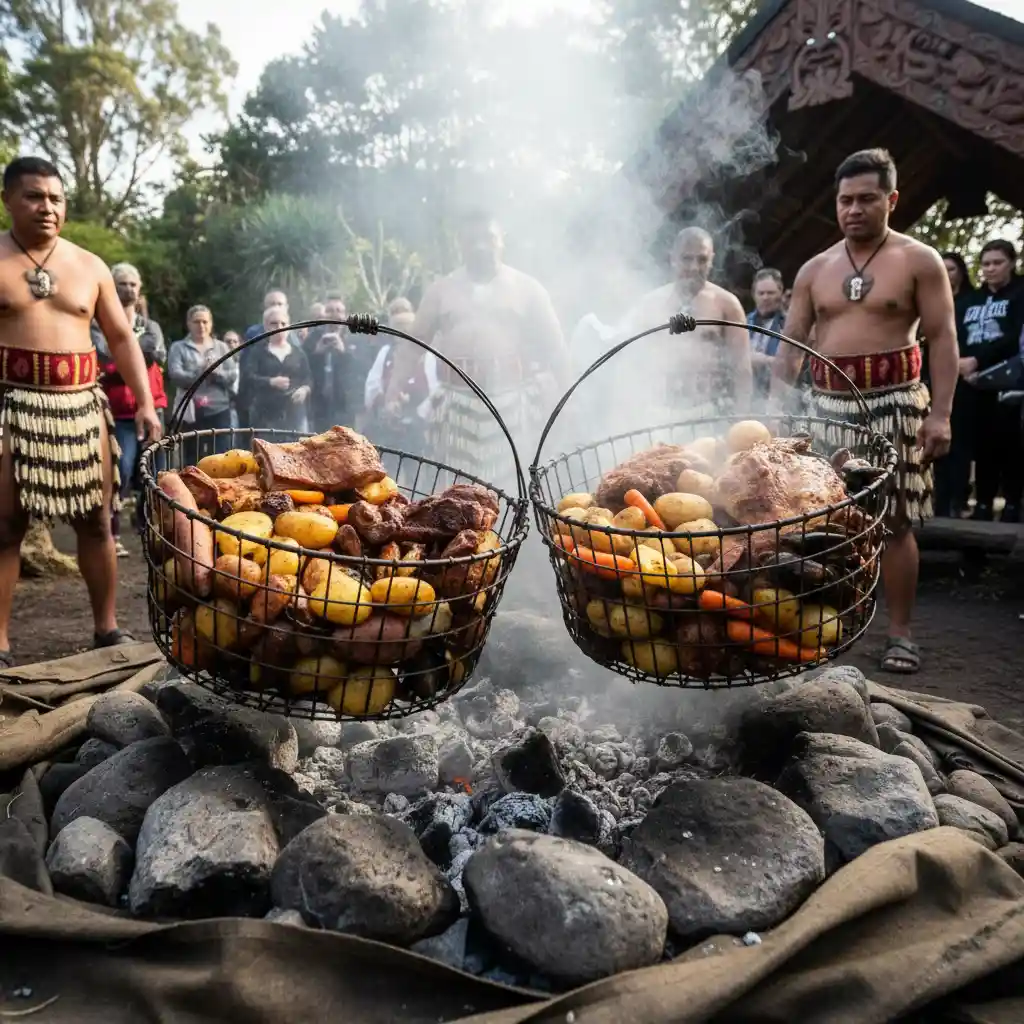
The hāngī is the centerpiece of many significant marae events. This traditional method of cooking food in an earth oven using heated rocks creates a distinct, smoky flavor that is beloved across New Zealand. On the surface, a hāngī seems like a Coeliac’s dream: it primarily consists of plain meats (pork, chicken, lamb, mutton) and root vegetables (kūmara, potato, pumpkin, cabbage).
However, the assumption that hāngī is naturally gluten-free is one of the most common pitfalls for the uninitiated. The danger lies not in the core ingredients, but in the assembly and cooking mechanics.
The Stuffing Issue
Traditional hāngī almost always includes stuffing. This is typically made with standard wheat breadcrumbs, herbs, and onions. In the cooking process, the stuffing is often placed directly on top of the meat or packed in alongside the vegetables to absorb the juices and fat. Even if you remove the visible stuffing from your plate, the gluten has likely leached into the meat and surrounding vegetables during the hours-long steaming process.
The “Clothe” and Sacks
Historically, and still in some traditional settings, the food baskets in a hāngī were covered with wet jute sacks or mutton cloth to trap the steam and keep the dirt out. In the past, re-purposed flour sacks were sometimes used. While this is rare in modern times (clean, purpose-bought mutton cloth or sheets are the norm), the cloth itself covers all the baskets. If one basket contains stuffing or steam pudding and the steam circulates through the pit, there is a theoretical risk of airborne gluten transfer within the pit, though direct contact is the primary concern.
Wire Baskets and Cross-Contamination
The wire baskets used to hold the food are reused for decades. While the intense heat of the fire cleans them to some degree, if they were previously scrubbed with a brush used for gluten-heavy pots, or if bread dough was rested in them, trace contamination is possible. More importantly, during the loading of the hāngī, gluten-containing items are often handled by the same ringawera (workers) handling the vegetables.
How to Eat Hāngī Safely
The safest way to enjoy hāngī is to request a “dietary parcel.” Most experienced marae kitchens are happy to prepare a separate portion of meat and vegetables wrapped securely in aluminum foil before it goes into the basket. This foil barrier protects your kai from stuffing crumbs and cross-contact with other foods in the pit. This request must be made well in advance of the food going down (usually early in the morning or the day prior).
The Flour Danger Zones: Fried Bread and Rēwena
While the hāngī pit requires navigation, the tables in the wharekai present immediate, high-risk items that must be strictly avoided unless you have verified their origin.
Parāoa Parai (Fried Bread)
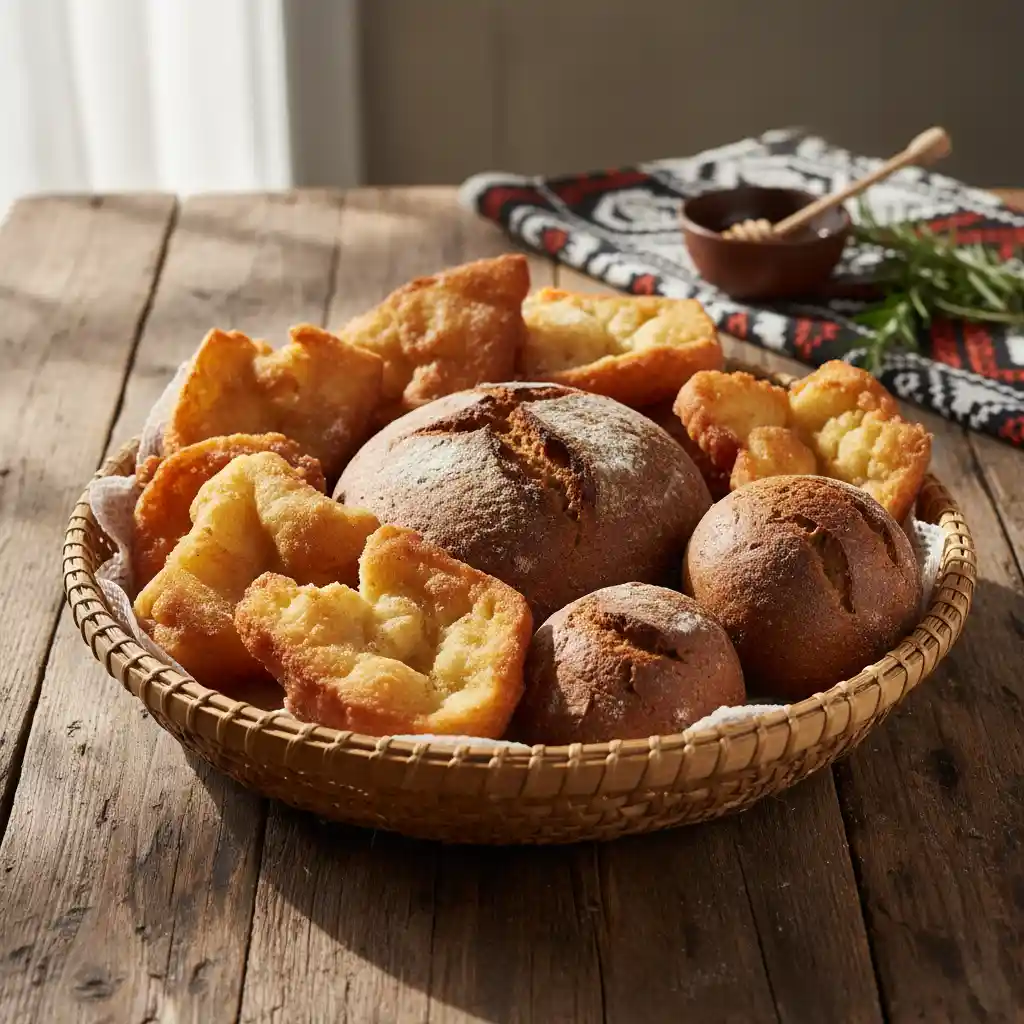
Fried bread is a staple delicacy. It is a dough made from standard wheat flour, yeast, sugar, and water, deep-fried in fat or oil. For a Coeliac, this is strictly off-limits. Furthermore, you must be wary of anything else that has been fried. If the marae kitchen is frying chips, fish, or other items, they are almost certainly using the same oil vat that cooked the fried bread. Shared oil is a major source of gluten cross-contamination.
Rēwena (Māori Sourdough)
Rēwena is a traditional potato bread that uses a fermented potato starter (bug) instead of commercial yeast. While the starter is potato-based, the bulk of the bread is made with high-grade wheat flour. It is dense, delicious, and entirely unsafe for those with gluten intolerance. Visually, it can sometimes look like a dense gluten-free loaf, so do not be deceived by its texture.
Takakau (Flatbread)
Takakau is a simple, damper-style flatbread made from flour and water. Again, standard wheat flour is the primary ingredient. Because these breads are often served in communal baskets passed down the tables, you must be careful when handling the basket to pass it on. If you touch the bread, you must wash your hands before touching your own gluten-free food to avoid transferring crumbs.
Marae Kitchen Protocols and Cross-Contamination
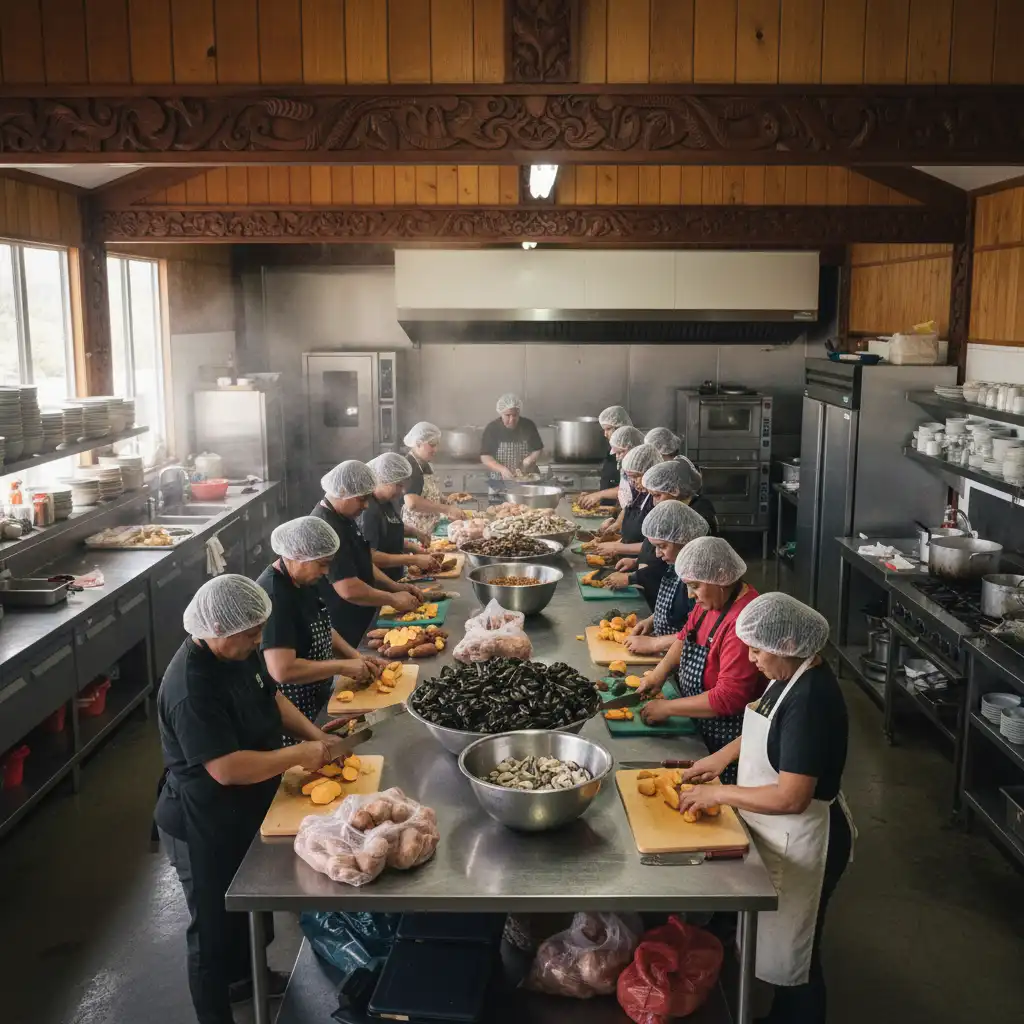
Marae kitchens are high-volume, high-pressure environments. They are often run by volunteers (ringawera) who work tirelessly to feed hundreds, sometimes thousands, of people. In this environment, flour is ubiquitous. It is used to thicken stews, coat fish, dust benches for kneading dough, and thicken gravy.
The Gravy Trap
Do not assume the gravy or “juice” is gluten-free. It is standard practice to thicken meat juices with flour or cornflour. Unless you can confirm that cornflour (cornstarch) alone was used and that it was mixed in a clean vessel, it is safer to eat your meat dry or bring your own sauce.
Boil Up
A “boil up” usually consists of pork bones, pūhā (watercress) or cabbage, and doughboys (dumplings). The doughboys are balls of flour and water boiled directly in the stock with the meat and vegetables. If you see doughboys in the pot, the entire meal is contaminated with gluten. You cannot simply fish the doughboys out; the starch and gluten have permeated the liquid and the vegetables.
Communicating Dietary Needs Respectfully
Communication is your most powerful tool. The key is to approach the situation with humility and respect, acknowledging the effort of the hosts while being firm about your medical needs.
Who to Ask?
Do not try to interrupt the proceedings on the marae ātea (courtyard) to ask about food. Wait until there is a break or move toward the wharekai. The best person to speak to is usually the Kaihautū (kitchen manager) or a senior ringawera. They will know exactly what went into the pots.
Using Te Reo Māori
Using a few words of Te Reo can go a long way in showing respect. Here are some phrases that can help explain your situation:
- “He mate pāwera tōku ki te witi.” (I have an allergy to wheat.)
- “Kāore e taea e au te kai i te parāoa, i te witi rānei.” (I cannot eat bread or wheat.)
- “He mate kōiri tōku.” (A general term sometimes used for internal ailments/disease, though specifying ‘gluten’ or ‘wheat’ is clearer in English for modern contexts).
It is often more effective to explain the consequence: “If I eat wheat, I will get very sick.” Most Māori families are very health-conscious and protective of their guests’ wellbeing. Once they understand it is a health issue, not a ‘fussy eater’ preference, they will usually bend over backwards to help you.
Bringing Your Own Plate (The Koha of Safety)
In many Western contexts, bringing your own food to a dinner party might be considered rude. On a marae, however, practicality often reigns supreme. If you have severe Coeliac disease, the safest option is often to bring your own supply. This ensures you have safe food and relieves the pressure on the busy kitchen staff.
How to do it discreetly
You don’t want to sit at the table unpacking a gourmet meal while everyone else eats something simple, nor do you want to look like you are rejecting the manaakitanga.
The Strategy:
- Inform the Kitchen: Before the meal, slip into the kitchen and tell the head cook, “I have a severe wheat allergy, so I have brought my own kai to keep myself safe and save you the trouble. Is there a microwave I could use?”
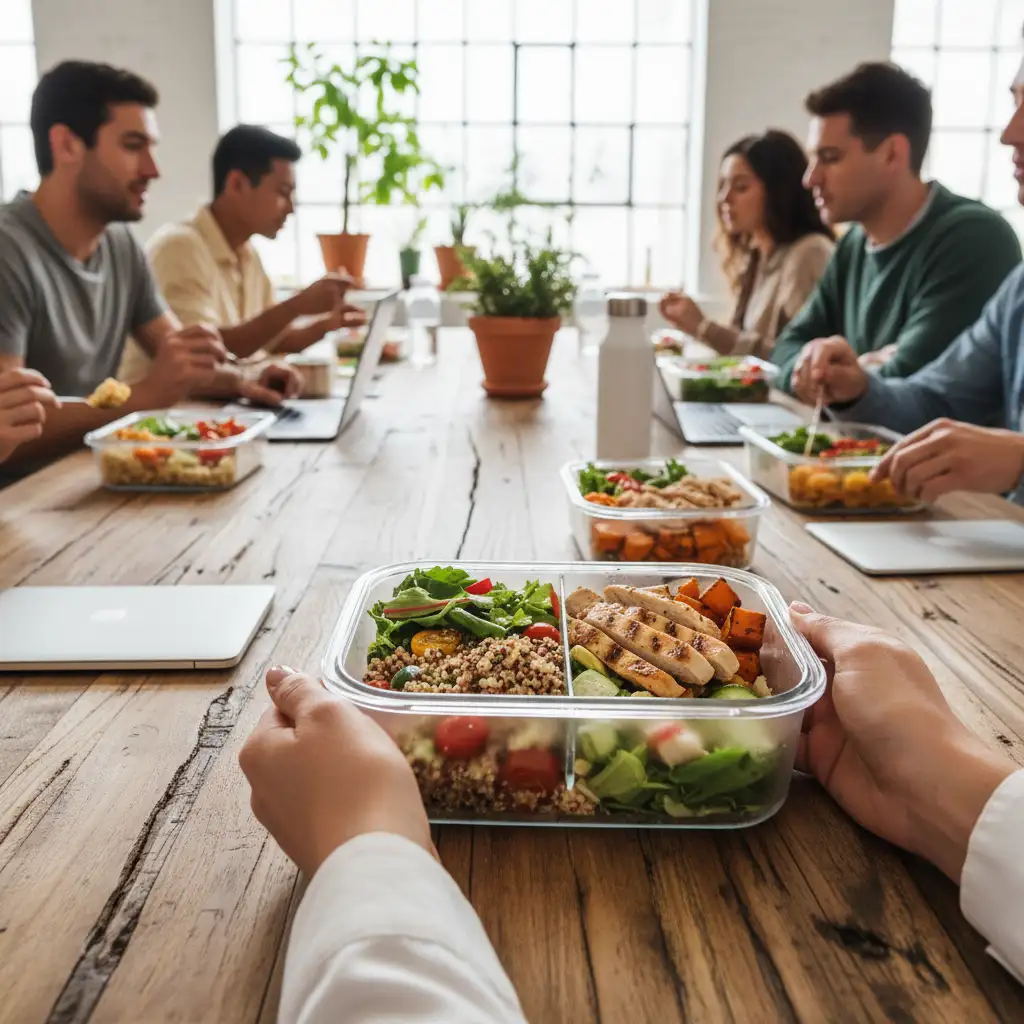
- The Container: Pack your food in a discreet container. If the meal is hāngī, bring cold meats and salads, or pre-heated leftovers in a thermos so you don’t need to ask for reheating space.
- Koha (Donation): If you are not eating the provided food, you might feel you aren’t contributing. It is appropriate to still provide a koha (monetary donation) to the marae, or perhaps bring a bag of fruit or gluten-free snacks to share with the kitchen workers as a gesture of gratitude.
Traditional Recipes: Gluten Free Alternatives
If you are hosting a cultural event or contributing to the menu, it is entirely possible to make marae favorites gluten-free.
Gluten Free Fried Bread
You can make Parāoa Parai using a high-quality gluten-free flour blend (one that includes xanthan gum). The key is to increase the hydration slightly, as GF flour absorbs more water. Ensure you use a dedicated pot of oil that has not cooked wheat bread.
Gluten Free Steam Pudding
Steam pudding is easily adapted. Substitute the wheat flour for a GF baking blend 1:1. Ensure your baking powder is gluten-free (most are, but always check). Cook in a sealed tin or a pudding cloth that has never been used for wheat puddings.
Thickening Gravy
This is the easiest switch. Simply use cornflour (cornstarch) mixed with cold water to thicken the meat juices. This small change makes the gravy safe for almost everyone and does not alter the taste.
Conclusion
Navigating gluten free marae food is about balancing vigilance with respect. The risks of cross-contamination in a communal kitchen are real, particularly regarding fried bread, stuffing, and boil-ups. However, the spirit of manaakitanga means that hosts want their guests to be well and fed. By understanding the mechanics of the hāngī, avoiding the flour-heavy tables staples, and communicating your needs with humility and clarity, you can safely experience the richness of Māori hospitality. When in doubt, the “foil-wrapped hāngī parcel” or a discreetly packed lunchbox are your best defenses against accidental gluten exposure.
Is traditional Maori fried bread gluten free?
No, traditional Maori fried bread (Parāoa Parai) is made with standard wheat flour and is not gluten-free. It is also cooked in oil that is likely contaminated with other wheat products.
Can Coeliacs eat Hangi food?
Coeliacs can eat the plain meat and vegetables from a Hangi, provided they have not been cooked in contact with stuffing or bread. The safest method is to request a portion wrapped in foil before it is placed in the pit.
Is kumara (sweet potato) gluten free?
Yes, Kumara is a root vegetable and is naturally gluten-free. It is safe to eat unless it has been cross-contaminated with gravies or stuffing containing wheat.
What is Rewena bread made of?
Rewena is a sourdough bread made from a potato-based starter bug, but it is mixed with large amounts of wheat flour. It is not gluten-free.
Is it rude to bring my own food to a marae?
It is generally not considered rude if you explain that it is for medical reasons (severe allergy or Coeliac disease). Most hosts appreciate that you are taking care of your health and relieving the kitchen of the stress of preparing a special meal.
Are boil-up dumplings gluten free?
No, doughboys (dumplings) in a boil-up are made of flour and water. If they are cooked in the pot, the liquid and all ingredients in the boil-up are contaminated with gluten.