
Travelling New Zealand gluten free is exceptionally safe and accessible due to strict food safety standards and high coeliac awareness. Visitors can rely on the Coeliac New Zealand Crossed Grain accreditation, clear allergen labelling laws enforced by FSANZ, and a wide availability of gluten-free options in supermarkets and restaurants nationwide.
New Zealand is often cited as one of the most coeliac-friendly destinations in the world. Whether you are navigating the bustling streets of Auckland or exploring the remote wilderness of the South Island, the infrastructure for safe dining is robust. However, successful travel requires understanding local labelling laws, knowing which supermarket chains stock the best staples, and planning your accommodation to ensure you have access to safe preparation areas.
How to Plan a Gluten Free Road Trip in New Zealand?
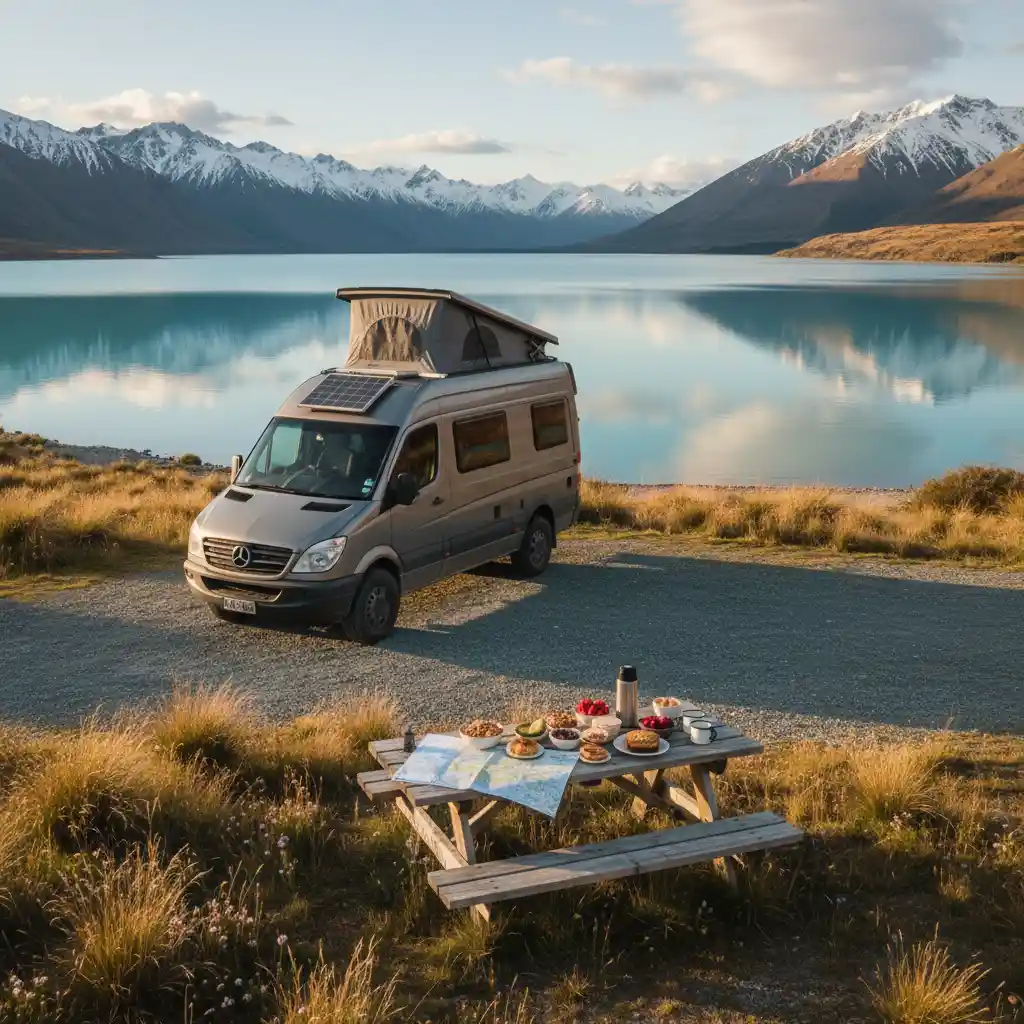
Planning a road trip while travelling New Zealand gluten free requires a blend of logistical preparation and digital tools. Unlike Europe or North America, where population density ensures a restaurant is always nearby, New Zealand has vast stretches of rural land where dining options may be limited. The key to a stress-free adventure lies in mapping your route against known supplies.
First, download the Coeliac New Zealand app and Find Me Gluten Free. The Coeliac NZ Dining Out Programme provides a directory of accredited venues that have passed rigorous audits regarding cross-contamination protocols. These are your safest bets for dining out. When mapping your route, identify major towns (like Hamilton, Taupo, Nelson, or Queenstown) where you can restock supplies, rather than relying on small dairy convenience stores in remote areas.
What are the Gluten Free Labelling Standards in New Zealand?
New Zealand shares a food standards code with Australia (FSANZ), which is widely regarded as having the strictest gluten-free labelling laws in the world. Understanding these nuances is critical for your safety.
The “No Detectable Gluten” Standard
Unlike the US or UK, where “gluten-free” can technically contain up to 20 parts per million (ppm) of gluten, in New Zealand, a product labelled “Gluten Free” must contain no detectable gluten. This applies to strict testing methods. If a product contains oats or malted barley, it cannot be labelled gluten-free, even if processed to remove gluten, unless strict criteria are met (note: oats are generally not considered GF in NZ under the standard definition suitable for Coeliacs unless specially certified, but most Coeliacs in NZ are advised to avoid oats entirely).
Allergen Declarations
Manufacturers are legally required to declare gluten-containing cereals (wheat, rye, barley, oats, and spelt) on the ingredient list in bold or distinct text. If you do not see these allergens listed, and there is no precautionary “may contain” statement, the product is likely safe, though looking for the “Gluten Free” label is always the gold standard.
Where Can I Buy Gluten Free Food in Regional New Zealand?
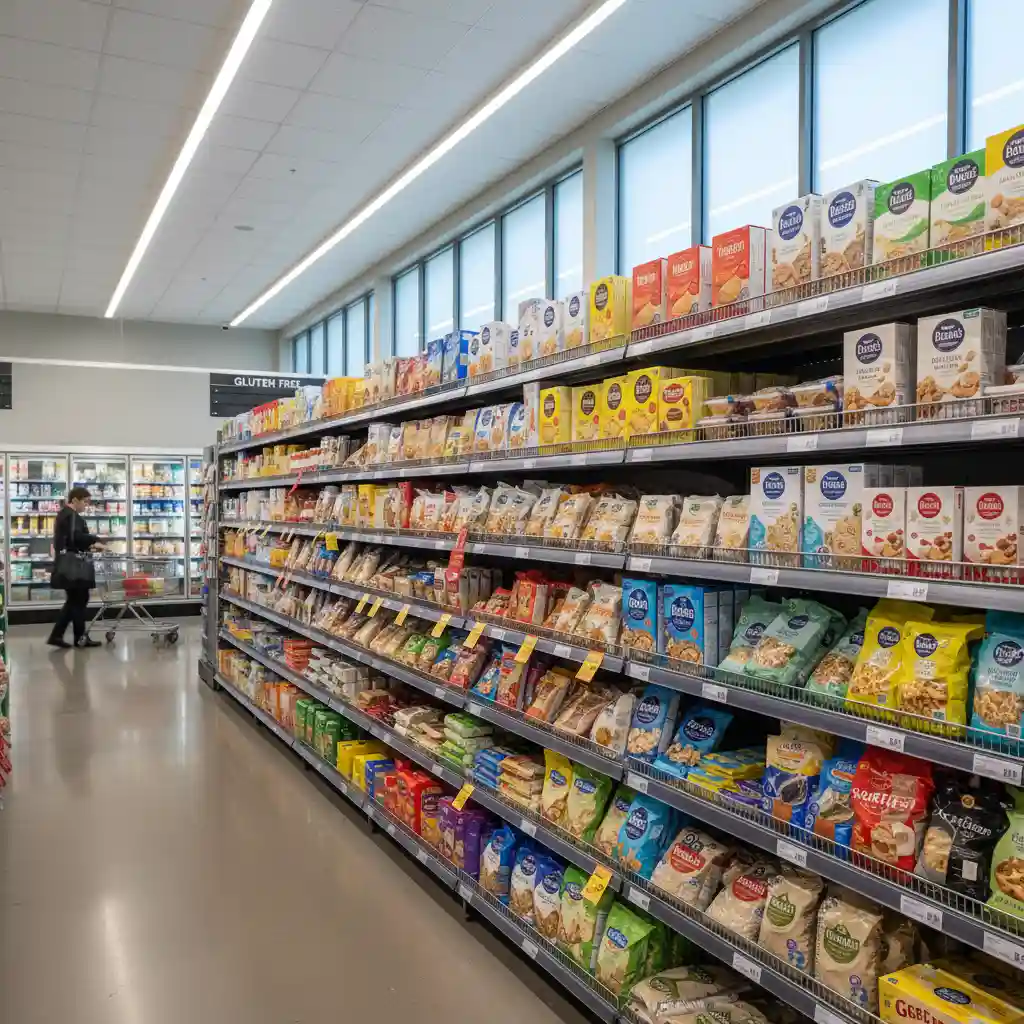
Regional availability is surprisingly good. The three main supermarket competitors—Woolworths (formerly Countdown), New World, and Pak’nSave—all have dedicated health food or gluten-free sections. Even in smaller towns with a population of a few thousand, you will typically find at least one of these chains or a “Four Square” market with basic GF essentials.
Essential Brands to Look For
When travelling New Zealand gluten free, look for these trusted local brands:
- Vogel’s: Extremely popular for GF bread and buns.
- Bakels: Known for baking mixes (gold label).
- Venerdi: High-quality organic and paleo-friendly GF breads.
- Healtheries: Snacks and baking staples.
- Sanitarium: Check for their GF Weet-Bix alternatives (sorghum based).
Pro Tip: In rural areas, prices can be higher. It is advisable to do a “big shop” in major cities like Auckland, Christchurch, or Wellington before heading into regions like the West Coast or East Cape.
What Accommodation Offers the Best Kitchen Facilities?
For those with Coeliac disease, control over food preparation is often the ultimate peace of mind. While New Zealand has excellent restaurants, self-catering is a major part of the Kiwi travel culture.
Motels and Holiday Parks
New Zealand is famous for its “Motel” culture. Unlike American motels which might just be a bedroom, most NZ motels are self-contained units with kitchenettes. These usually include a microwave, toaster, kettle, and sometimes a stove. Warning: Toasters in motels are high-risk vectors for cross-contamination. Always bring “toaster bags” or buy a cheap toaster ($15 NZD) at a local warehouse store like The Warehouse or Kmart upon arrival to use during your trip.
Campervans and Motorhomes
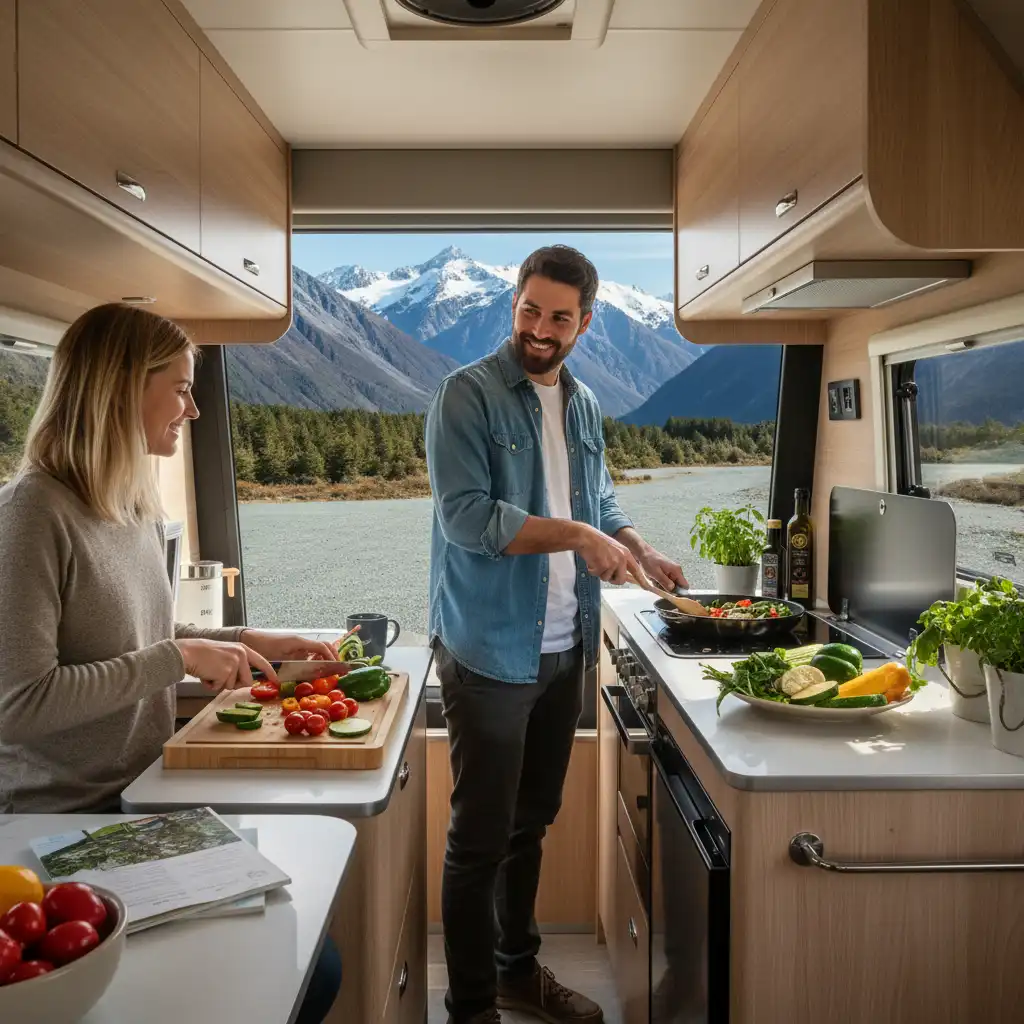
Renting a campervan is the quintessential way to see the country. When booking, verify the kitchen equipment. Most come with pots, pans, and cutlery. We recommend washing everything thoroughly before use or bringing a small dedicated travel kit (pan, spatula, chopping board) to ensure zero cross-contamination from previous renters.
Luxury Lodges and B&Bs
High-end lodges in New Zealand are very accustomed to dietary requirements. If you notify them in advance, they can often prepare exceptional gluten-free breakfasts and dinners separately from other guests.
Do Domestic Flights in New Zealand Serve Gluten Free Meals?
Domestic travel in New Zealand is primarily handled by Air New Zealand and Jetstar. The flight times are generally short (usually under 2 hours), which impacts meal service.
Air New Zealand
On domestic “seat to suit” fares, you generally receive a snack (cookie or chips) and a drink. Air New Zealand is very good about offering a gluten-free snack option—often popcorn or a specific GF cookie—but you must ask the cabin crew or check the packaging carefully. On longer domestic flights (rare) or Koru Hour flights, more substantial snacks may be offered, but dedicated GF meals are usually reserved for international long-haul flights. Always carry backup snacks.
Jetstar
Jetstar is a budget carrier where food is available for purchase. Their menu changes, but they typically have at least one or two gluten-free snack items (like nuts or chips). Do not rely on them for a full meal.
Airport Dining
Auckland, Wellington, and Christchurch airports have excellent food courts with GF options. Look for sushi chains (bring your own soy sauce or ask for GF tamari), juice bars, and cafes that label their cabinet food. Wishbone (a pre-packaged food chain often found in airports) usually has clear GF labelling.
How to Navigate Dining Out Safely?
Dining out while travelling New Zealand gluten free is generally a positive experience, provided you communicate clearly. The hospitality industry is well-educated on allergens, but the distinction between “lifestyle preference” and “medical necessity” is important to make.
The “Coeliac” Keyword
Always use the word “Coeliac” (spelled with an ‘o’ in NZ English) rather than just saying “gluten-free.” Waitstaff are trained to understand that Coeliac means strict cross-contamination protocols are required (clean grill, fresh water, new gloves), whereas “gluten-free” might just mean no gluten ingredients but cooked on the same surface.
Accredited Chains
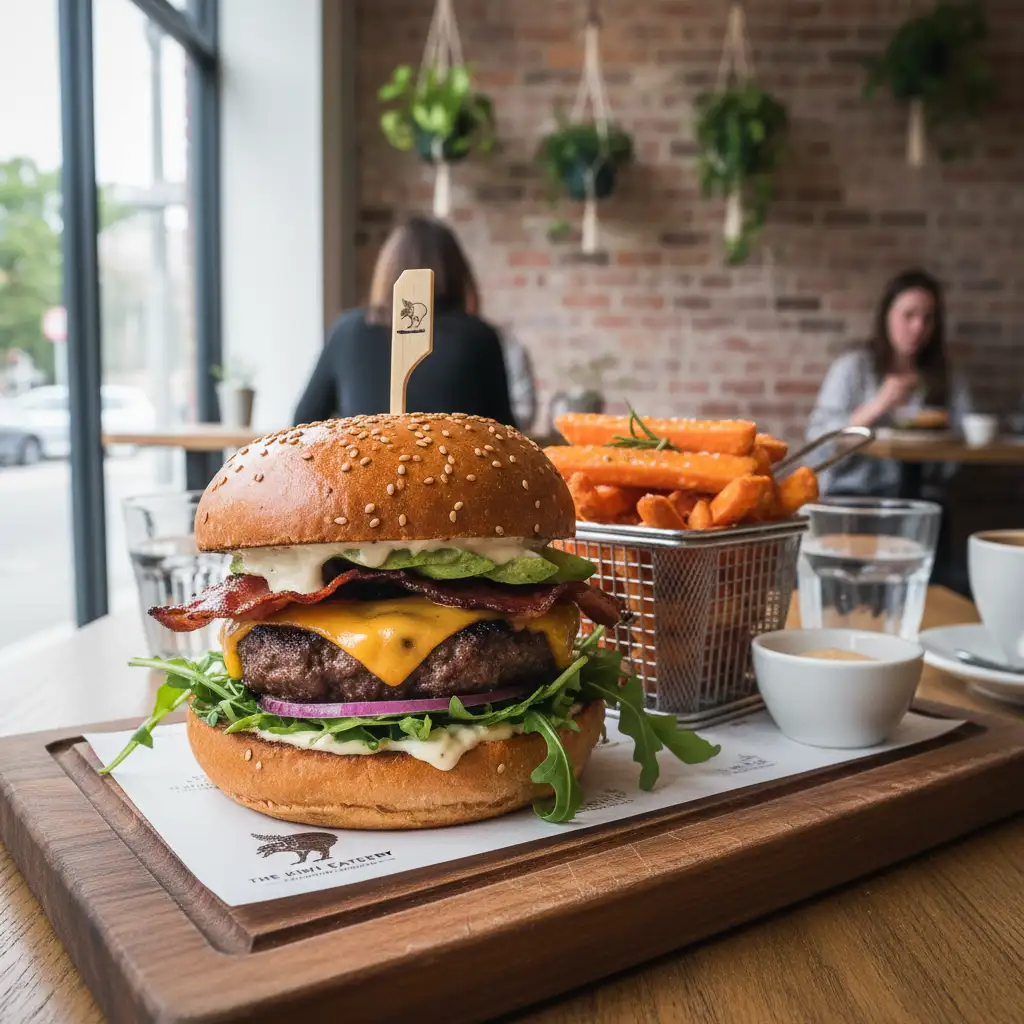
Hell Pizza is a notable example of a large chain that is accredited by Coeliac NZ. They offer GF bases and have strict procedures to prevent flour contamination. BurgerFuel also offers GF buns and has an allergen matrix available, though you must emphasize the need to avoid cross-contamination with the toaster or grill.
Can I Bring Gluten Free Food into New Zealand?
New Zealand has some of the strictest biosecurity laws in the world to protect its agricultural economy. This is a critical point for international travelers packing emergency snacks.
You can bring commercially packaged gluten-free food (like sealed bread, pasta, bars, and cookies) into New Zealand, but you MUST declare it on your passenger arrival card. Failure to declare food can result in an instant $400 NZD fine.
What you generally cannot bring:
- Fresh fruit and vegetables.
- Meat products (dried or fresh).
- Honey.
- Unpackaged or open food.
If you bring sealed GF snacks, declare them, show them to the biosecurity officer, and they will likely let you pass through. It is better to declare and have it thrown away than to not declare and be fined.
Final Thoughts on a Gluten Free Kiwi Adventure
Travelling New Zealand gluten free does not mean compromising on adventure or flavor. From the cafe culture of Wellington to the remote beauty of Milford Sound, the country is set up to support safe travel for Coeliacs. By utilizing the Coeliac NZ resources, understanding the strict labelling laws, and taking advantage of the high-quality produce available in supermarkets, you can focus on the breathtaking scenery rather than your next meal.
Is New Zealand good for gluten free travellers?
Yes, New Zealand is considered one of the best countries in the world for gluten free travellers due to strict government food labelling standards (FSANZ) and high awareness of Coeliac disease in the hospitality industry.
Are McDonald’s fries gluten free in New Zealand?
Generally, yes. In New Zealand, McDonald’s fries are cooked in a dedicated fryer using vegetable oil and do not contain beef flavoring with wheat (unlike the US). However, always ask the specific branch manager to confirm there is no cross-contamination at that location.
What is the Crossed Grain logo in New Zealand?
The Crossed Grain logo is a symbol licensed by Coeliac New Zealand. Products or venues displaying this logo have been audited and certified to be safe for people with Coeliac disease, meeting strict no-detectable-gluten standards.
Can I buy gluten free bread easily in NZ?
Yes, gluten free bread is available in almost every supermarket and many convenience stores (dairies). Brands like Vogel’s, Venerdi, and Burgen are widely stocked and high quality.
Do I need a chef card in New Zealand?
While not strictly necessary because English is the primary language and awareness is high, a Coeliac travel card can be helpful to reinforce the severity of cross-contamination, especially in busy restaurants.
Is traditional Maori Hangi food gluten free?
Traditional Hangi consists of meat and vegetables cooked in an earth oven and is naturally gluten free. However, modern Hangi usually includes stuffing (bread) which contains gluten. You must ask for a portion that has not touched the stuffing.