
Finding safe gluten-free food on Cook Strait ferries requires caution. Both Interislander and Bluebridge offer gluten-free menu items, including salads, packaged snacks, and hot meals. However, kitchens are not strictly gluten-free environments, posing cross-contamination risks for Coeliacs. Bringing your own food remains the safest option for strict medical diets during the crossing.
Crossing the Cook Strait between Wellington and Picton is one of New Zealand’s most iconic journeys, but for travelers with Coeliac disease or gluten intolerance, the three-and-a-half-hour voyage poses a specific challenge: navigating the on-board menus safely. Whether you are traveling aboard the Interislander or Bluebridge, understanding the food landscape is essential to avoid being caught out mid-ocean without a safe meal.
Interislander Café Menu Review
The Interislander fleet, comprising the Kaitaki, Aratere, and Kaiarahi, offers various dining environments ranging from casual cafés to premium lounges. For those seeking gluten free food on the Cook Strait ferry, the options are generally clearly labeled, though selection varies by vessel and time of day.
Cabinet Food and Snacks
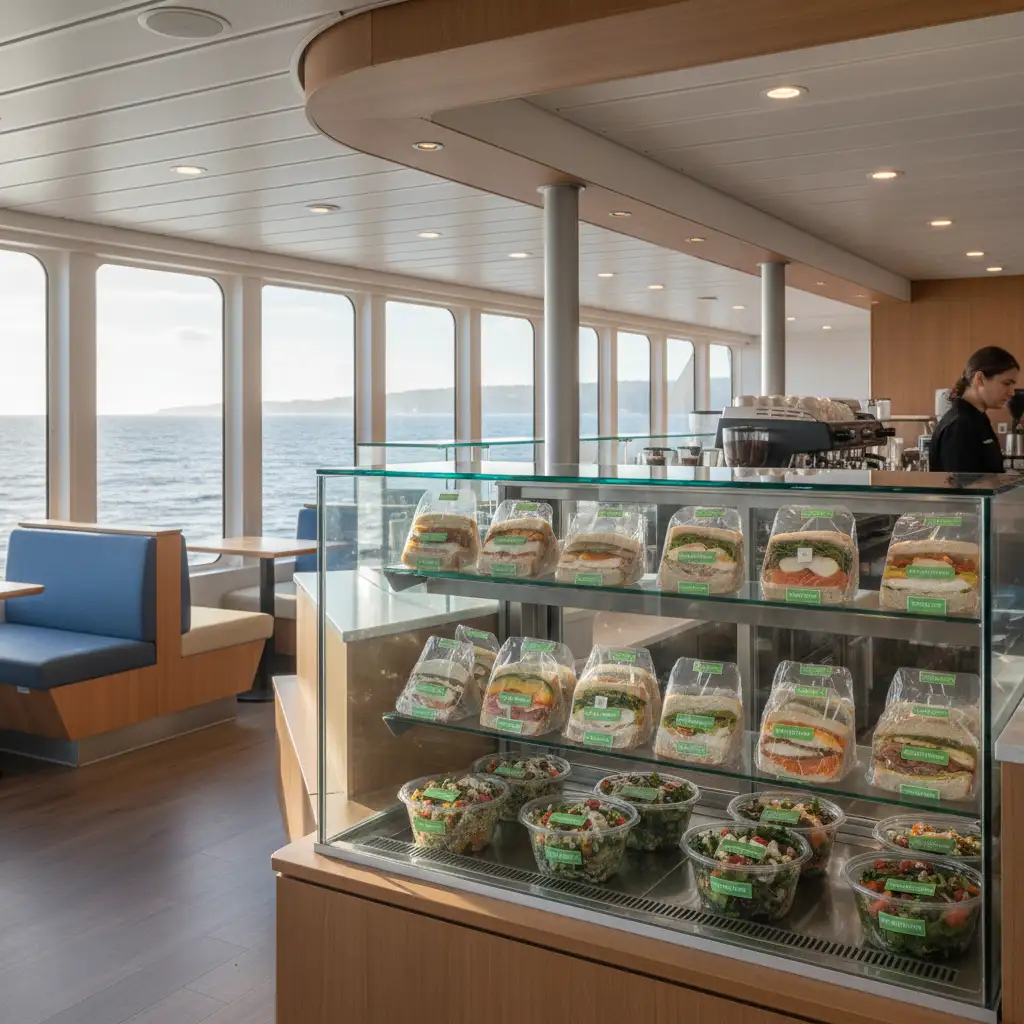
In the main passenger areas, such as the Ocean View Eatery, you will typically find a selection of pre-packaged gluten-free snacks. These are the safest options for Coeliacs as they are sealed against environmental contamination. Common items include:
- Pre-packaged muffins and slices: Often sourced from dedicated gluten-free bakeries, these are individually wrapped.
- Fruit salads and yoghurt pots: Naturally gluten-free and prepared in cold sections.
- Salads: Many salads are marked GF, but you must check the dressing ingredients or ask for dressing on the side if it is not pre-bottled.
- Chips and Nuts: Look for standard NZ brands like Proper Crisps which are certified gluten-free.
Hot Food Options
The hot food counters present a higher risk. While you may see menu boards advertising “Gluten Free Roast of the Day” or “GF Curries,” it is imperative to inquire about the preparation area. On busy sailings, the kitchen is high-volume.
Warning regarding chips/fries: Unless the staff explicitly confirm there is a dedicated fryer for gluten-free chips, assume the fryers are shared with crumbed fish, chicken nuggets, and spring rolls. This is a common pitfall on ferry transport.
Interislander Premium Lounge
If you upgrade to the Interislander Premium Lounge (Kaitaki Plus or equivalent), you gain access to a buffet-style meal. The labeling here is generally good, with allergens highlighted. However, the risk of cross-contamination from other passengers using shared tongs is high. If you choose this option, it is advisable to board early and eat before the buffet has been heavily trafficked, or ask the lounge host if a plate can be plated directly from the kitchen.
Bluebridge Dining Options
Bluebridge generally markets itself with a focus on good, hearty hospitality. Their vessels, the Strait Feronia and Connemara, have on-board cafés that serve hot meals and cabinet food. Many travelers report that Bluebridge staff are quite knowledgeable about ingredients, but the physical constraints of a ship’s galley remain.
The Bluebridge Menu
Bluebridge often features dishes that are naturally gluten-free. Typical safe bets found on their menu include:
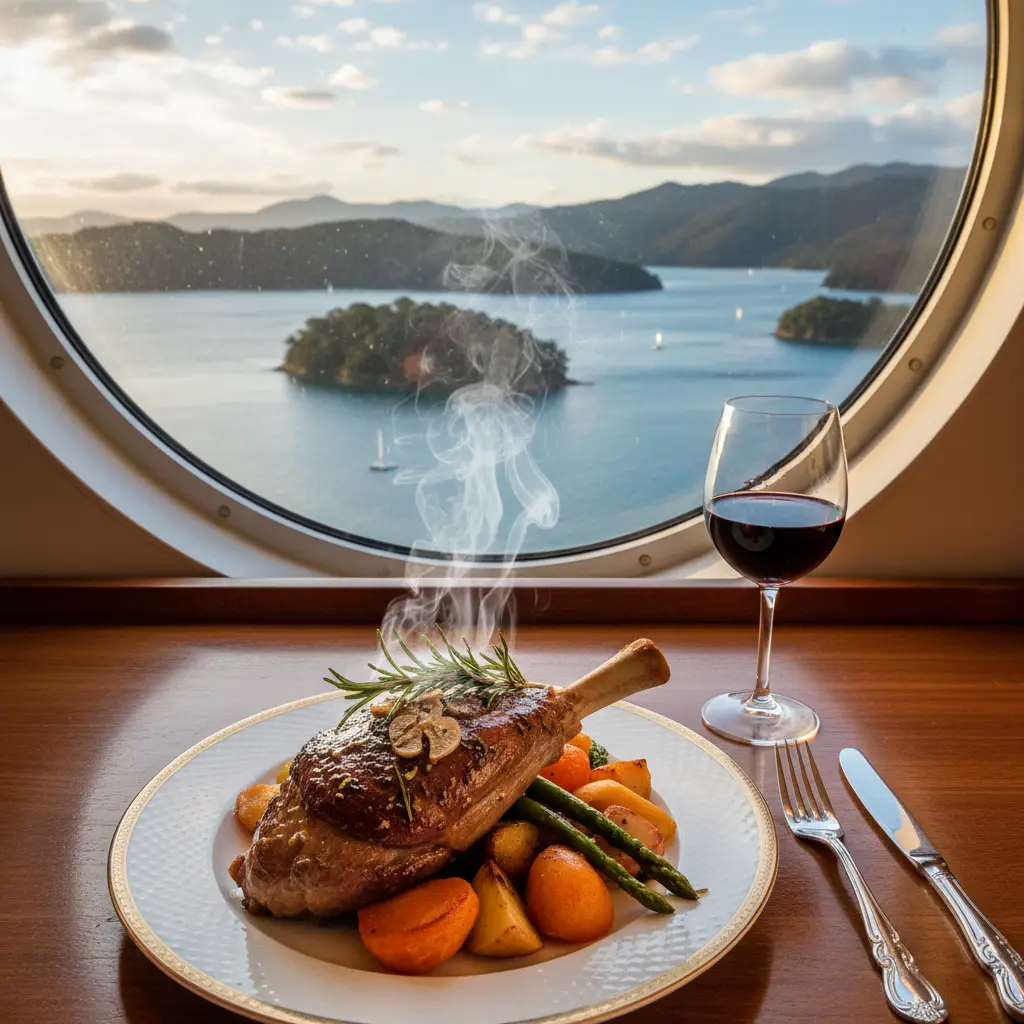
- Roast Meals: Often the safest hot meal option, provided the gravy is gluten-free (thickened with cornstarch rather than wheat flour). Always ask the chef to confirm the gravy ingredients.
- Breakfasts: Bacon and eggs are staples. Request that the toast be omitted entirely rather than just placed on the side to avoid crumb contamination.
- Soup: Vegetable soups are frequently gluten-free, but verify that no croutons have been added in the pot.
Pre-Booking Meals
Bluebridge allows for some pre-booking of extras. While you cannot strictly pre-order a “medical gluten-free meal” like on an airline, booking a private cabin can give you a clean, isolated space to eat your own food or food purchased on board without the hustle of the public atrium.
Understanding Cross-Contamination Risks at Sea
When searching for gluten-free food on Cook Strait ferries, the distinction between “Gluten Free Ingredients” and “Coeliac Safe” is critical. The kitchens on both fleets are compact environments where wheat flour is used regularly.
Common High-Risk Areas
- The Toaster: Never use the communal toasters found in the café or lounge areas. They are heavily contaminated with wheat crumbs.
- Shared Fryers: As mentioned, fryers are rarely dedicated.
- Buffet Tongs: On Interislander Premium or during busy café rushes, utensils often migrate between dishes.
- Steam Tables: Spoons used for serving pasta may accidentally drip into the gluten-free curry next to it.
Pro Tip: Travel during off-peak times (mid-week or very early mornings) if you plan to buy hot food. The kitchen staff are less rushed and can take more care to change gloves and use clean utensils upon request.
Bringing Your Own Food Onboard
Given the variables of maritime catering, bringing your own food is the only way to guarantee 100% safety for strict Coeliacs. Fortunately, both ferry operators have very liberal policies regarding BYO food.
Picnic Policies
Unlike cinemas or some land-based venues, you are welcome to bring your own cooler bags and picnic hampers on board. This is actually a popular option for many Kiwi families to save money, regardless of dietary requirements.
Best GF Travel Foods for the Crossing
The journey is roughly 3.5 hours, plus an hour for boarding and disembarking. You need food that stays safe at room temperature or holds well in a cooler bag.
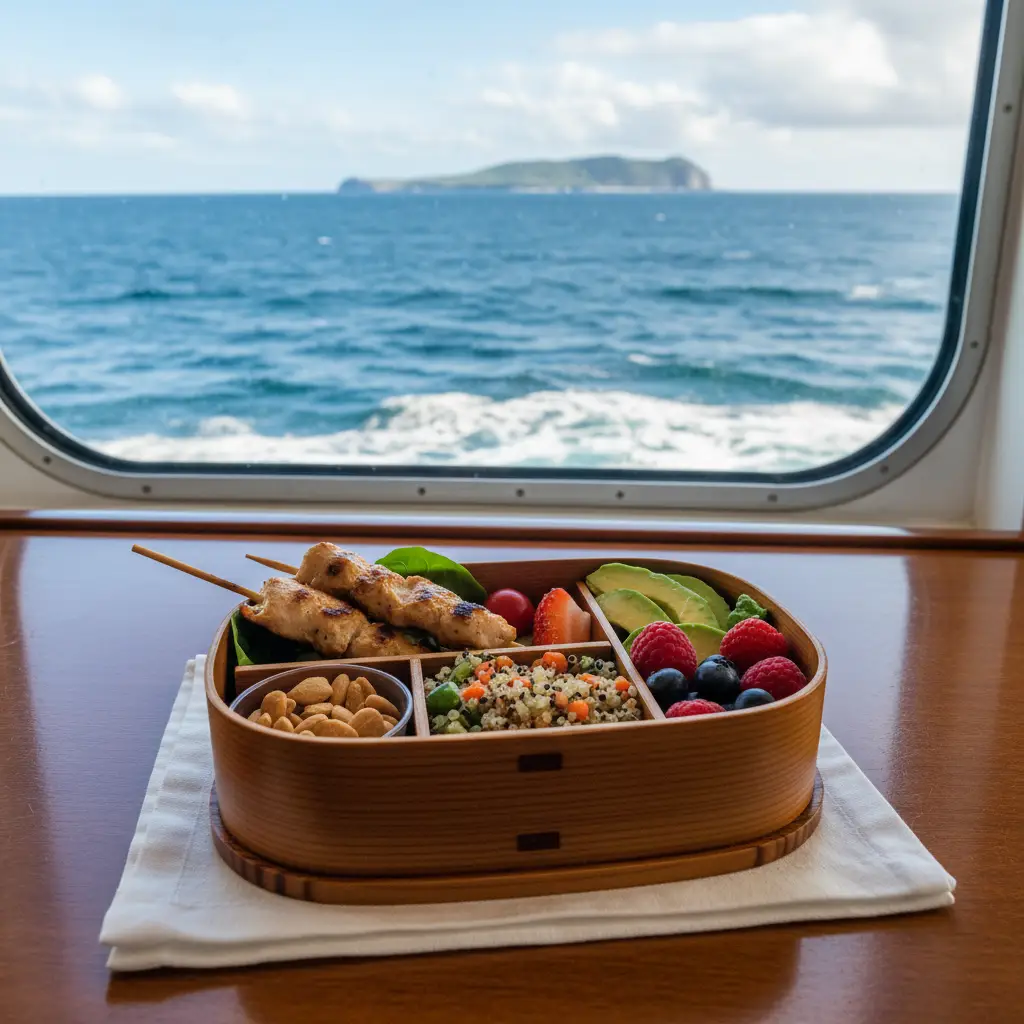
- Cold GF Pasta Salad: Pesto, chicken, and gluten-free fusilli holds up well.
- Hard-boiled eggs and fruit: Simple, nutritious, and naturally wrapped.
- Homemade Sandwiches: Use reliable GF bread that doesn’t crumble easily.
- Thermos of Soup: If traveling in winter, a thermos of hot soup is comforting and safe.
There are plenty of tables and seating areas where you can comfortably eat your packed meal while watching the Marlborough Sounds go by.
Seasickness Medication and Gluten
A lesser-known trap for Coeliac travelers is seasickness medication. If the Cook Strait is rough (and it often is), you may reach for medication, but you must check the excipients (fillers) used in the tablets.
Is Seasickness Medication Gluten Free?
Many pharmaceutical tablets use wheat starch as a binder. While the amount of gluten might be minute, it can be enough to trigger a reaction in sensitive individuals.
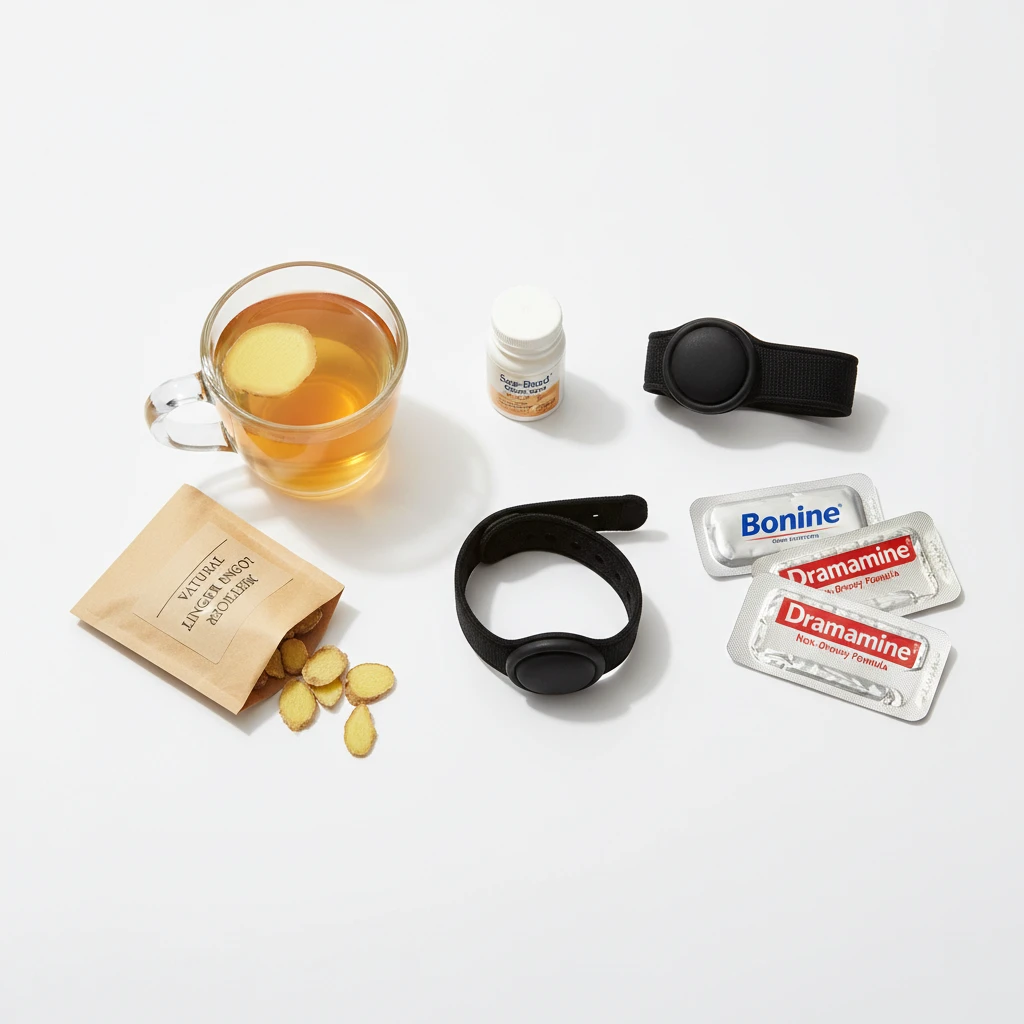
- Sea-Legs (Meclozine Hydrochloride): Generally considered safe, but formulations change. Always check the packet or consult your pharmacist before purchasing.
- Ginger Tablets: Often a safer natural alternative, but check that they are pure ginger or use GF fillers.
- Acupressure Bands: These wristbands are completely drug-free and therefore gluten-free, making them a zero-risk option for nausea management.
If you are prescribed strong anti-nausea medication by a doctor, ensure you inform them of your Coeliac status so they can verify the brand’s gluten status.
Terminal Options: Wellington and Picton
Sometimes the best strategy is to eat a substantial meal before you board. The terminals in both Wellington and Picton have vending machines and small cafés, but the options are often more limited than on the ship.
Wellington Terminal
The Wellington ferry terminal is somewhat isolated from the city center. The on-site café has limited GF options (usually just chips and chocolate). It is highly recommended to purchase food in Wellington CBD before heading to the terminal. Supermarkets like New World usually have extensive