
A gluten-free lolly cake is a classic New Zealand no-bake treat reimagined for coeliacs. It is prepared by combining crushed gluten-free plain sweet biscuits with melted butter, sweetened condensed milk, and chopped fruit puffs. The mixture is shaped into a log, rolled in desiccated coconut, and chilled until firm before slicing.
Rediscovering a Kiwi Classic Without the Gluten
For many New Zealanders, the lolly cake is a staple of childhood birthday parties, bakery counters, and afternoon teas. Traditionally made with malt biscuits, butter, condensed milk, and those iconic fruit puffs, it is a confection that screams nostalgia. However, for those diagnosed with Coeliac disease or gluten intolerance, the traditional recipe poses a significant problem: malt biscuits are made from barley, a gluten-containing grain.
Creating a gluten free lolly cake recipe that rivals the original requires more than just a simple swap. It involves understanding texture, sourcing the right base ingredients, and ensuring every component—from the lollies to the coconut—is strictly safe for a coeliac diet. This guide is designed to help you recreate this beloved treat with zero compromise on taste or texture, ensuring it remains a firm favourite in your gluten-free household.
The Foundation: Sourcing Gluten-Free Biscuits
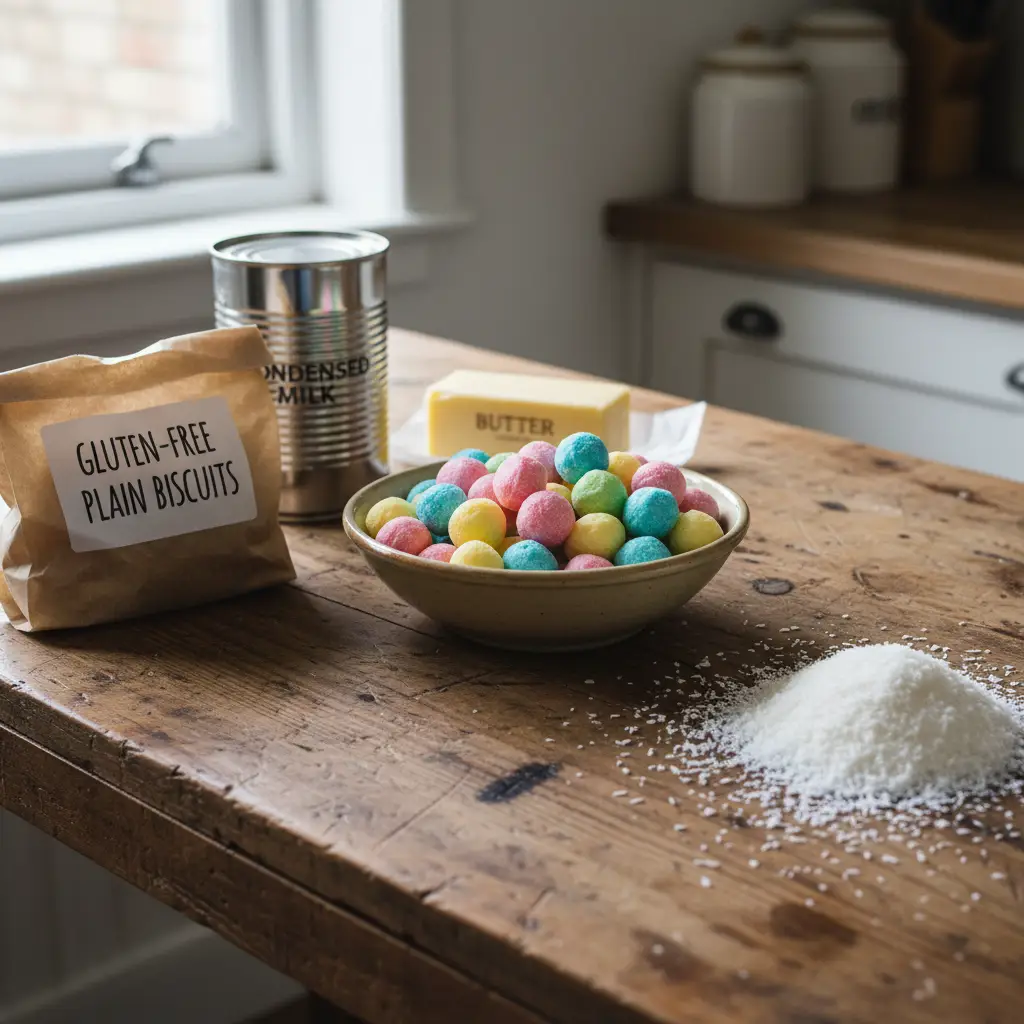
The primary challenge in adapting this recipe is the “malt” biscuit. Malt flavouring is derived from barley, which contains gluten. Therefore, you cannot simply buy “gluten-free malt biscuits” in most supermarkets because the malt flavour profile itself is the barrier. To replicate the dense, sandy texture of the original cake, you must choose the right gluten-free plain biscuit.
Best Biscuit Alternatives in New Zealand
When browsing the “Free From” aisle in New Zealand supermarkets like Countdown, New World, or Pak’nSave, look for plain sweet biscuits. The following varieties work best:
- Gluten-Free Arrowroot Biscuits: These are often the closest in texture. They are dry, crisp, and crush well without turning into a fine powder too quickly.
- Gluten-Free Vanilla Wine Biscuits: These offer a slightly sweeter profile which complements the condensed milk.
- Gluten-Free Scotch Finger Styles: While buttery, these can sometimes be too soft. If you use these, chill the mixture longer.
Replicating the Malt Flavour
If you miss the specific malt taste, you have to be creative. Do not use standard malt extract. However, you can sometimes find rice malt syrup, which is generally gluten-free (check the label to ensure no barley enzymes were used). Alternatively, simply accepting the “Vanilla Lolly Cake” variation is the most common route for coeliacs, and frankly, the texture of the fruit puffs and coconut dominates the flavour profile so much that the lack of malt is rarely noticed.
Safety First: Checking Fruit Puffs for Gluten
The jewel in the crown of any lolly cake is the Fruit Puff. These firm, foam-like sweets hold their shape when mixed and provide the chewy contrast to the biscuit crumb. However, confectionery is a high-risk category for hidden gluten, often used as a thickener or dusting agent.
Are Pascall Fruit Puffs Gluten-Free?
In New Zealand, Pascall Fruit Puffs are the gold standard. Historically, they have been considered gluten-free by ingredient, but manufacturing processes change. You must always check the back of the packet for the “May contain traces of wheat/gluten” warning. As of recent formulations, they are generally considered safe for coeliacs, but “may contain” statements are critical for those with high sensitivity.
Alternatives to Fruit Puffs
If you cannot find safe Fruit Puffs, or if you are baking for someone with other allergies, consider these substitutes:
- Gluten-Free Marshmallows: These are softer and will melt slightly if the butter mixture is too hot, so let the liquid cool before mixing.
- Allen’s Bananas (Check Labels): Chopped up fondant-style lollies can work, though the texture will be denser.
- Homemade Marshmallow: For the dedicated baker, making your own firm marshmallow allows you to control all ingredients.
The Ultimate Gluten-Free Lolly Cake Ingredients
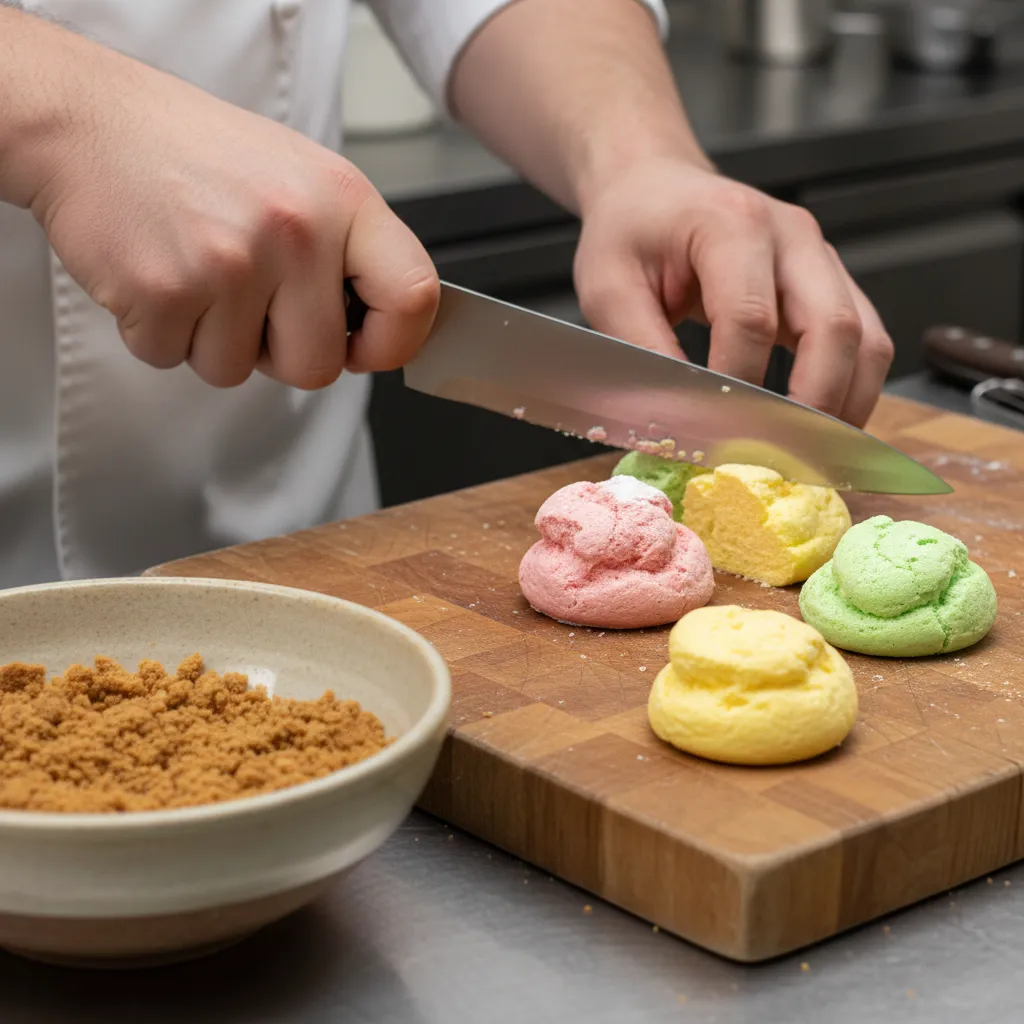
To make one large log (approx. 15-20 slices), you will need the following. Precision helps, but this is a forgiving recipe.
- 250g (approx. 1 packet) Gluten-Free Plain Biscuits: Arrowroot or Vanilla Wine style.
- 120g Butter: Salted butter is recommended to cut through the extreme sweetness of the condensed milk.
- ½ cup Sweetened Condensed Milk: Standard cans are gluten-free, but always check the label.
- 180g Fruit Puffs: Cut into thirds or quarters depending on your preference.
- ½ cup Desiccated Coconut: For the coating. Ensure your coconut has not been cross-contaminated in bulk bins; packaged is safer.
Step-by-Step No-Bake Preparation
The beauty of the lolly cake is its simplicity. It requires no oven, making it a perfect recipe to make with children. However, the crushing and mixing stages require a bit of muscle.
Step 1: Crush the Biscuits
Place your gluten-free biscuits into a food processor. Pulse until you have a mix of fine crumbs and small, pea-sized chunks. You do not want a fine dust (like a cheesecake base); the small chunks provide essential texture and structural integrity to the log. If you don’t have a processor, place the biscuits in a heavy-duty zip-lock bag and bash them with a rolling pin.
Step 2: Prepare the Wet Mix
In a small saucepan, melt the butter over low heat. Once melted, remove from the heat and stir in the condensed milk. The residual heat from the butter will help the condensed milk loosen up.
Critical Tip: Do not let this mixture boil. You just want them combined and warm. If it’s too hot, it will melt the fruit puffs later.
Step 3: Combine Ingredients
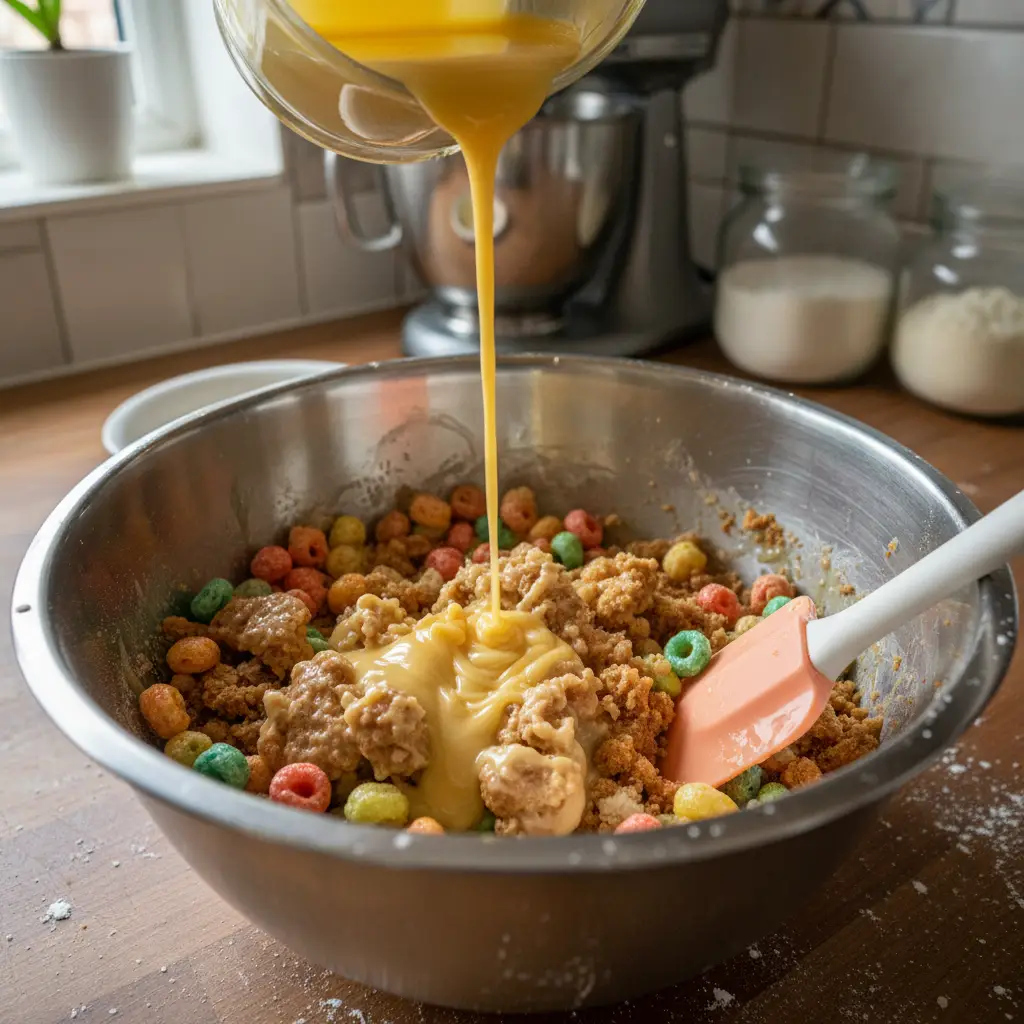
Place the crushed biscuits and chopped fruit puffs into a large mixing bowl. Pour the warm butter and condensed milk mixture over the dry ingredients. Mix well with a wooden spoon. It might look dry at first, but keep mixing. The crumbs will eventually absorb the liquid and start to clump together.
Step 4: Form the Log
Lay out a clean sheet of baking paper or plastic wrap. Dump the mixture into the center. Using your hands, mould the mixture into a log shape. Compress it tightly. Gluten-free biscuits can be more crumbly than wheat ones, so you need to apply firm pressure to ensure the log doesn’t fall apart when sliced.
Step 5: The Coconut Coat
Sprinkle the desiccated coconut onto the paper or a flat tray. Roll the log firmly in the coconut until it is completely coated. The coconut acts as a dry barrier, making the sticky log easier to handle.
Step 6: Chill
Wrap the log tightly in the baking paper or plastic wrap. Twist the ends like a giant sweet to keep the shape tight. Refrigerate for at least 4 hours, or preferably overnight. This resting time is non-negotiable; it allows the butter to set and the biscuits to soften slightly from the moisture, creating that fudgy texture.
Troubleshooting Texture and Consistency
Gluten-free baking often presents textural challenges. Here is how to fix common lolly cake issues:
Why is my lolly cake crumbling?
This is the most common complaint. Gluten-free biscuits absorb moisture differently than wheat biscuits. If your mixture is too dry and won’t hold a log shape, add another tablespoon of melted butter or condensed milk. When rolling, compress it very tightly. If it crumbles after chilling, let it sit at room temperature for 10 minutes before slicing to soften the butter.
Why is the mixture too wet?
If the log is losing its shape and flattening out, you may have used too much liquid or the biscuits were crushed too finely. You can try adding more crushed biscuits or desiccated coconut to the mix to absorb the excess moisture. Ensure you chill it for the full duration to firm up the butter.
Storage Tips and Serving Suggestions
Proper storage is essential to maintain the quality of your gluten-free lolly cake, especially in the humid New Zealand climate.
Fridge vs. Freezer
Fridge: Store the log (or slices) in an airtight container in the refrigerator. It will keep well for up to 2 weeks. The cold keeps the butter firm and the lollies chewy.
Freezer: Lolly cake freezes exceptionally well. Wrap the log (or individual slices separated by baking paper) in plastic wrap and place in a freezer-safe container. It can be stored for up to 3 months. You can even eat it straight from the freezer for a tougher, chewier treat, or let it thaw for 15 minutes.
Slicing for the Perfect Presentation
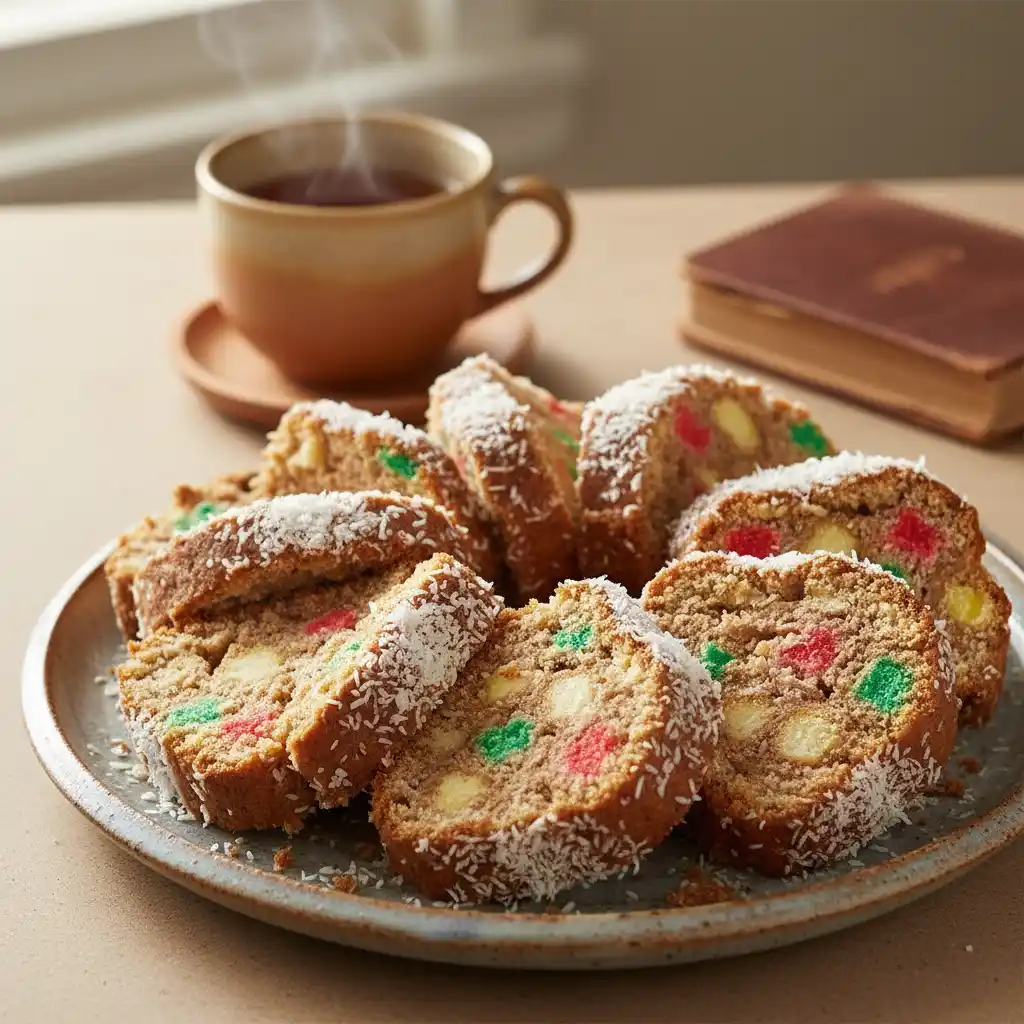
To get those clean, bakery-style slices, use a sharp, non-serrated knife. If the cake is very cold, run the knife under hot water and dry it before slicing. Cut slices approximately 1.5cm to 2cm thick. If you cut them too thin, they are more likely to break apart due to the chunks of fruit puff.
Conclusion
Mastering the gluten free lolly cake recipe is a rite of passage for the Kiwi coeliac. It proves that dietary restrictions do not mean the end of cherished traditions. By carefully selecting your biscuits and ensuring your confectionery is safe, you can produce a treat that is indistinguishable from the classic version. Whether for a birthday party, a potluck, or just a treat for the tin, this recipe brings a slice of New Zealand culture back to the table for everyone to enjoy.
What biscuits are best for gluten free lolly cake?
The best biscuits are plain, sweet gluten-free biscuits such as GF Arrowroot, GF Vanilla Wine, or GF Scotch Finger styles. Avoid biscuits with strong flavors like ginger or chocolate unless you want a flavored variation.
Are Pascall Fruit Puffs gluten free in NZ?
Generally, yes, Pascall Fruit Puffs are considered gluten-free by ingredient, but manufacturing processes can change. Always check the packaging for the most current allergen information and “may contain” warnings.
Can I make lolly cake dairy free as well?
Yes. Substitute the butter for a dairy-free block margarine (not a spreadable tub variety, as it’s too soft) and use sweetened condensed coconut milk or oat milk instead of standard condensed milk.
How long does gluten free lolly cake last in the fridge?
When stored in an airtight container, gluten-free lolly cake will last for up to 2 weeks in the refrigerator. It can also be frozen for up to 3 months.
Why is my lolly cake mixture too dry?
Gluten-free biscuits can be very absorbent. If the mix is dry, add a small amount of extra melted butter or condensed milk. Ensure you are compressing the log tightly when rolling it to help it bind.
Can I use gluten free malt syrup?
True malt comes from barley and is not gluten-free. However, you can use rice malt syrup as a sticky sweetener, though it lacks the distinct toasted flavor of barley malt. Most people find the recipe delicious without any malt substitute.