
Gluten free school lunches NZ require strict cross-contamination protocols and nutritional planning. Parents can provide safe meals using certified gluten-free products or utilize the Ka Ora, Ka Ako (Healthy School Lunches) programme, which mandates dietary accommodations for students with medical allergies when registered with the school.
Sending a child with Coeliac Disease to school in New Zealand involves more than just packing a lunchbox; it requires a strategic partnership between parents, educators, and caterers. For newly diagnosed families, the school environment can feel like a minefield of crumbs, shared playdough, and birthday cupcakes. However, with the right preparation and communication, your child can thrive safely.
This guide covers everything from navigating the Ministry of Education’s lunch schemes to packing bento boxes that rival the standard sandwich, ensuring your child never feels left out.
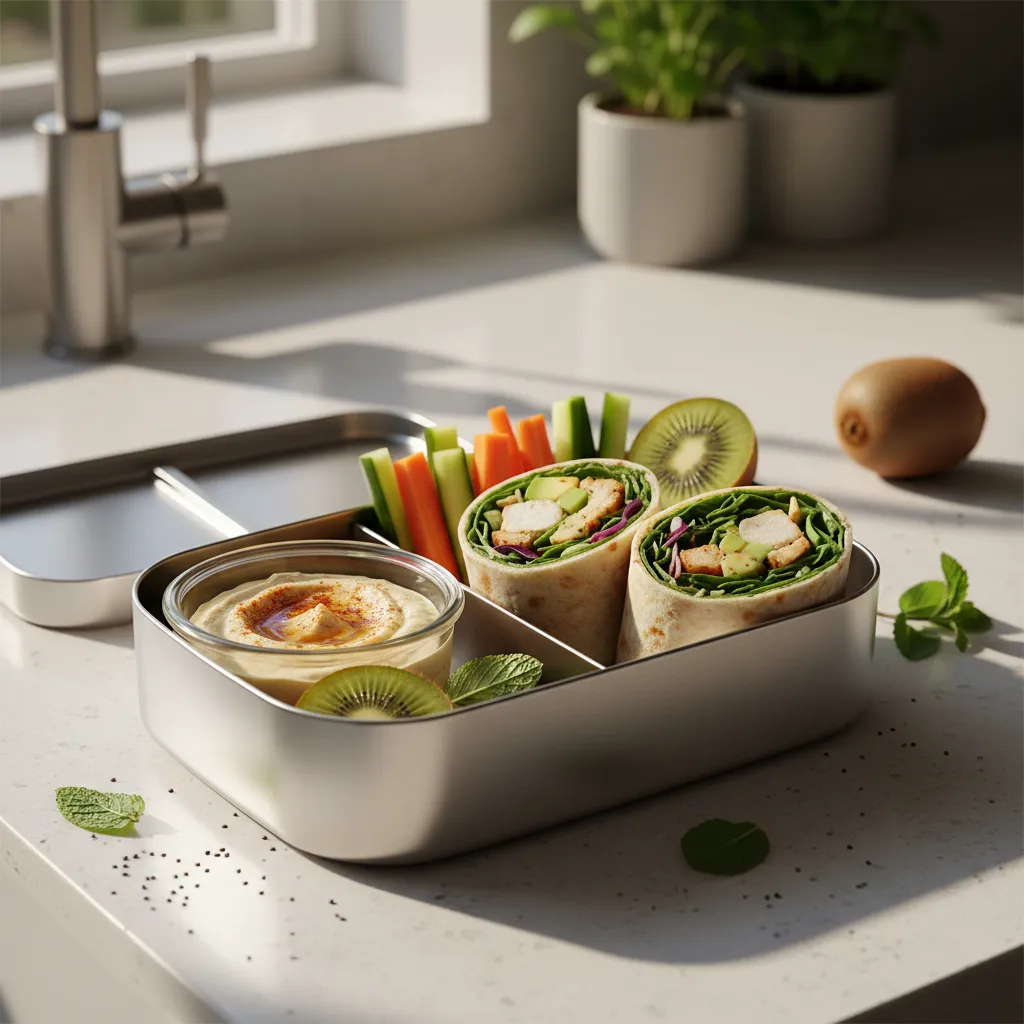
Educating Teachers and School Staff
The foundation of a safe school environment is clear, professional communication. Many New Zealand teachers are aware of allergies, but Coeliac Disease is an autoimmune condition, not an anaphylactic allergy, which can sometimes lead to confusion regarding the severity of cross-contamination.
How to Explain Cross-Contamination?
When meeting with the principal or classroom teacher, use the “crumb” analogy. Explain that for a coeliac child, a crumb of regular bread is the equivalent of a physical poison that causes internal damage, even if the external reaction isn’t immediately visible like a peanut allergy. Emphasize that:
- Separate surfaces are non-negotiable: If the class does cooking, your child needs a dedicated workspace.
- Hand washing is mandatory: Before and after eating, to prevent transferring gluten from other children’s lunches.
- No food sharing: A strict “no swapping” rule must be enforced.
The Medical Action Plan
Most NZ schools require a medical action plan. While Coeliac Disease doesn’t usually require an EpiPen, providing a formal document from your GP or paediatrician validates the seriousness of the condition. This document should explicitly state that the child requires a strictly gluten-free diet and outline the symptoms of accidental ingestion (e.g., stomach pain, lethargy, brain fog) so staff know what to look for if a mistake occurs.
Lunchbox Ideas Kids Will Actually Eat
Creating gluten free school lunches NZ kids love is about variety and texture. Gluten-free bread can sometimes be dry or crumble easily, which leads to uneaten lunches. The key is to move beyond the sandwich or find high-quality alternatives available in local supermarkets like Countdown, New World, or Pak’nSave.
The Bento Box Strategy
Bento boxes are excellent for coeliac kids because they separate wet and dry ingredients and reduce the reliance on bread substitutes. Here are five Kiwi-kid approved combinations:
- The “Kiwi Classic” Twist:
- Vogel’s or Gerry’s Gluten Free wrap with ham and cheese (check ham is GF).
- Mini bag of proper potato chips (check ingredients, usually plain salted is safe).
- Mandarin segments.
- Homemade mini muffin using Edmonds GF flour mix.
- The Leftover Legend:
- Thermos of hot gluten-free pasta bake (using San Remo or Barilla GF pasta).
- Cucumber sticks.
- Yoghurt pouch (most Anchor or Meadow Fresh pouches are GF, but always check).
- The Picnic Box:
- Rice crackers (Peckish or Ceres Organics) with a tub of hummus.
- Cubed cheddar cheese.
- GF Salami sticks or cooked sausages (check the Hellers or similar labelling carefully).
- Grapes and strawberries.
- The Breakfast for Lunch:
- Gluten-free pancakes (made ahead and frozen).
- Small container of maple syrup.
- Hard-boiled egg.
- Banana.
- The Sushi Lover:
- Homemade sushi rolls (ensure the rice vinegar is GF) or St Pierres (if cross-contamination risk is managed, though homemade is safer).
- Edamame beans.
- Tamari sauce in a mini fish container.

Managing Shared Morning Teas and Celebrations
Shared kai (food) is a massive part of New Zealand school culture, from end-of-term parties to birthday shouts. This is often the source of highest anxiety for coeliac children.
The “Treat Stash” Box
The most effective strategy is the “Treat Stash.” Provide the teacher with a labelled, sealed container filled with non-perishable gluten-free treats that mirror what other kids might bring. Good options include:
- Individually wrapped GF chocolate bars (e.g., certain Whittaker’s minis).
- Lollipops.
- Packets of popcorn.
- GF biscuits (Kea Cookies or similar).
When a classmate brings out cupcakes, the teacher can discreetly allow your child to choose something special from their stash, ensuring they participate in the “treat” moment without the risk.
Plate Days
For “bring a plate” events, always send a plate that is naturally gluten-free and substantial enough that your child can eat from it exclusively if necessary. Fruit kebabs, marshmallow-dipped chocolates, or GF cheerios (cocktail sausages) are popular. Teach your child to serve themselves first before other children’s potentially gluten-covered hands touch the serving utensils.
The ‘Healthy School Lunches’ Programme and Allergies
The Ka Ora, Ka Ako (Healthy School Lunches) programme aims to provide free lunches to students in participating schools. A common question for parents is: Is the free school lunch programme safe for coeliacs?
The answer is: Yes, but it requires registration.
How the System Works
Under the Ministry of Education guidelines, suppliers for the programme are contractually required to accommodate special dietary needs, including allergies and cultural requirements. However, this is not automatic.
- Medical Evidence: You must provide the school with a medical diagnosis of Coeliac Disease. Lifestyle preferences are treated differently than medical requirements.
- The Supplier: The school will communicate this to their lunch provider (whether an external caterer like Libelle or Compass, or an internal school kitchen).
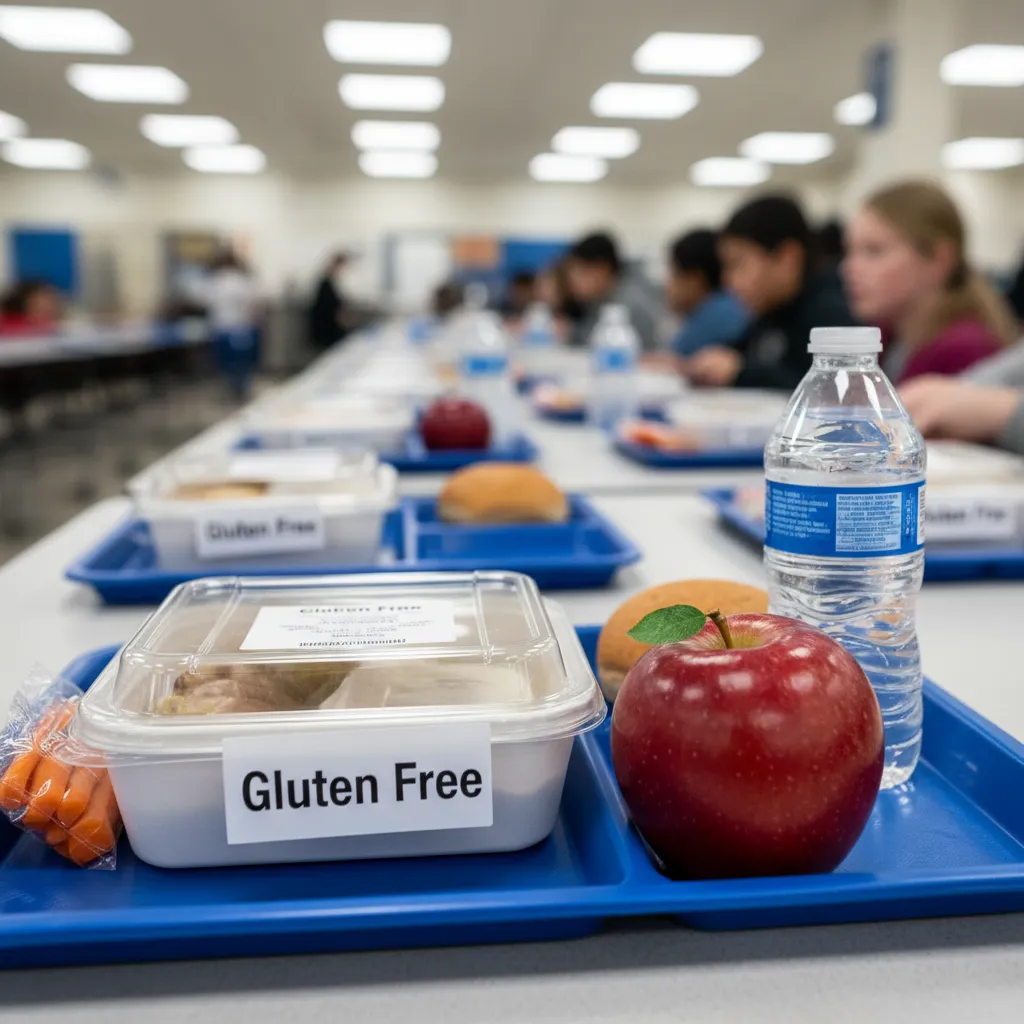
- Sealed Meals: Generally, special dietary meals are prepared in a separate area or facility to prevent cross-contamination. They are often delivered individually sealed and labelled with the student’s name to ensure they are not mixed up with standard meals.
Potential Pitfalls
Despite the protocols, errors can happen. It is vital to teach your child to check their meal every day. If the meal does not look right, or if the seal is broken, they must feel confident enough to decline it and speak to a teacher. It is advisable to keep a backup muesli bar in their bag just in case a meal is missing or incorrect.
Hidden Gluten in the NZ Classroom
Gluten isn’t just in the lunchbox; it hides in curriculum materials. Being aware of these non-food sources is crucial for younger children who may put hands in their mouths.
Playdough
Standard playdough is made from wheat flour. It is a massive hazard for coeliac juniors. You have two options:
- Supply your own: Send a batch of homemade GF playdough (made with rice flour and cornflour) for your child to use exclusively.
- Gloves: Ask the teacher if your child can wear gloves, though this is less effective if they touch their face.
Art Paste and Papier-Mâché
Old-school wallpaper paste or flour-and-water glue mixtures are wheat-based. Ensure the school uses synthetic glues (like PVA) or provide a gluten-free flour mixture for your child’s group during art projects.
Pasta Art
Using dried pasta for necklaces or collages is common. Supply a packet of cheap gluten-free pasta for your child to use, or ask the teacher if the whole class can use plastic beads or buttons instead.
Navigating NZ Food Labels for Kids
New Zealand and Australia have some of the strictest food labelling standards in the world (FSANZ). This works in your favour when packing gluten free school lunches NZ.
The “May Contain” Statement
In NZ, you must look for the summary statement. If a product has a “May contain gluten” or “Processed on equipment that processes wheat” warning, it is generally not suitable for a coeliac school lunch. While the risk varies, the goal is to keep the child’s autoimmune system calm.
The Crossed Grain Logo
Teach your child to look for the Coeliac New Zealand Crossed Grain logo. This is the gold standard. If they are trading stickers or looking at a friend’s packet, spotting this logo gives them autonomy and confidence in knowing what is safe.
Empowering Your Child Socially
The emotional side of being “the gluten free kid” can be harder than the dietary side. Children do not want to be different. To mitigate this:
- Focus on what they CAN have: Don’t frame the diet as a restriction. Frame it as “special fuel” for their body.
- Replicate trends: If all the kids are eating a specific type of chippie or snack bar, try to find the safe version of that specific item so they fit in.
- Self-Advocacy: Roleplay with your child. Practice saying, “No thank you, that makes my tummy sick,” firmly but politely.
Managing coeliac disease in the New Zealand school system is a journey of education and preparation. With the rise of the Ka Ora, Ka Ako programme and better awareness among teaching staff, it has never been easier to ensure your child is safe, happy, and well-fed.

Is the NZ free school lunch programme gluten free?
The Ka Ora, Ka Ako programme is not inherently gluten free, but suppliers are contractually required to provide gluten-free meals for students with a medical diagnosis. You must register your child’s dietary needs with the school to receive these special meals.
What lunch meat is gluten free in NZ?
Many pre-packaged lunch meats in NZ are gluten free, including brands like Heller’s, Beehive, and Verkerks. However, you must always check the packet for the “Gluten Free” label, as crumbed ham or certain processed loaves may contain wheat fillers.
Can coeliac kids play with playdough?
Standard commercial playdough and homemade wheat-based playdough are not safe for coeliacs if there is any risk of ingestion or if they don’t wash their hands thoroughly before eating. It is safer to provide a personal tub of gluten-free playdough.
Is Marmite gluten free?
No, standard NZ Marmite contains yeast extract derived from barley and wheat, making it unsuitable for a gluten-free diet. There are gluten-free yeast extract alternatives available in health food aisles, such as Aussie Mite (check labels specifically for GF versions).
How do I tell the teacher about my child’s coeliac disease?
Schedule a meeting at the start of the year. Provide a simple one-page medical action plan explaining that the child must eat strictly gluten free, cannot share food, and requires hand washing before meals. Use the “crumb is poison” analogy to explain cross-contamination.
What are good gluten free lunchbox snacks in NZ?
Great NZ options include popcorn, rice crackers (Peckish/Ceres), yoghurt pouches, cheese sticks, fruit, hard-boiled eggs, and gluten-free baking like muffins. Always check labels on potato chips and muesli bars.