
Gluten in cosmetics and medication is typically found in inactive ingredients known as excipients or additives. While rare, wheat starch can serve as a binder in pills, and gluten-derived oils may appear in lip balms. For individuals with Celiac disease, identifying these hidden sources is critical to preventing accidental ingestion and autoimmune reactions.
For those living with Celiac disease or non-celiac gluten sensitivity, the vigilance required to maintain a strict gluten-free diet often extends beyond the dinner plate. While food labeling laws have improved significantly, the regulations surrounding pharmaceuticals and personal care products remain a complex gray area. Hidden gluten in medications and cosmetics poses a tangible risk for accidental exposure, potentially undermining months of gut healing.
Is There Gluten in My Medication? Understanding Excipients
When patients receive a prescription, the focus is almost exclusively on the active ingredient—the chemical compound designed to treat the specific ailment. However, the active ingredient often makes up a tiny fraction of the actual pill or capsule. The remainder consists of inactive ingredients, known as excipients.
Excipients serve various functions: they bind the pill together, lubricate the manufacturing machinery, enhance absorption, or improve the taste. It is within these excipients that gluten can hide.
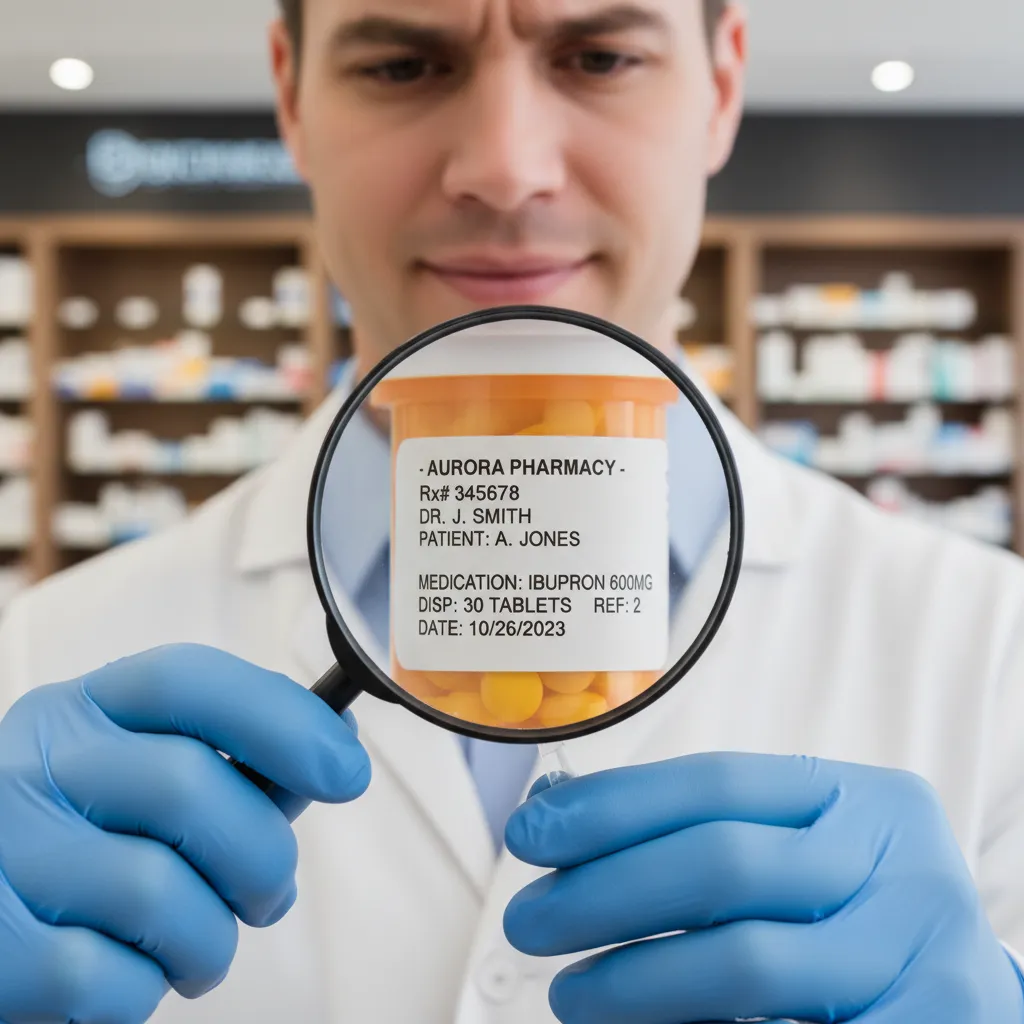
What are the common starches used in pills?
Starches are among the most common excipients used as binders and disintegrants. In the pharmaceutical industry, the most frequently used starches are derived from:
- Corn (Maize)
- Potato
- Tapioca
- Wheat
While corn and potato starches are naturally gluten-free, wheat starch is the primary culprit for gluten contamination in drugs. Although the use of wheat starch is declining in favor of cheaper and more versatile corn starch, it is not banned. Furthermore, unlike food products, drug manufacturers in many regions (including the US) are not strictly required to state the source of the starch on the label, often listing it simply as “starch” or “pregelatinized starch.”
The Risk of Cross-Contamination in Manufacturing
Even if a medication does not use wheat starch as an ingredient, cross-contamination remains a valid concern. Pharmaceutical manufacturing facilities often produce multiple drugs on the same equipment. If equipment is not rigorously cleaned between batches, trace amounts of gluten from a previous run could contaminate a theoretically gluten-free medication. However, pharmaceutical Good Manufacturing Practices (GMP) are generally stricter than food manufacturing standards, which somewhat mitigates this risk compared to food processing.
Gluten in Cosmetics: Absorption vs. Ingestion
The cosmetic industry is another sector where gluten-derived ingredients are frequently used for their moisturizing and binding properties. Ingredients like hydrolyzed wheat protein are common in shampoos, conditioners, and lotions. However, the risk profile for cosmetics differs significantly from food and medication.
Can gluten be absorbed through the skin?
No, gluten cannot be absorbed through the skin. The gluten protein molecule is too large to penetrate the dermal barrier and enter the bloodstream. Therefore, using a lotion or shampoo containing gluten will not cause a systemic reaction or damage the intestinal villi in patients with Celiac disease, provided the product is not ingested.
However, the “no skin absorption” rule has a major caveat: accidental ingestion. If you apply a gluten-containing lotion to your hands and then eat a sandwich or touch your mouth, you risk transferring the gluten into your digestive system. For this reason, many experts recommend that young children with Celiac disease use entirely gluten-free body products, as their hand-to-mouth behavior is less predictable.

The Critical Zone: Lip Balms and Dental Products
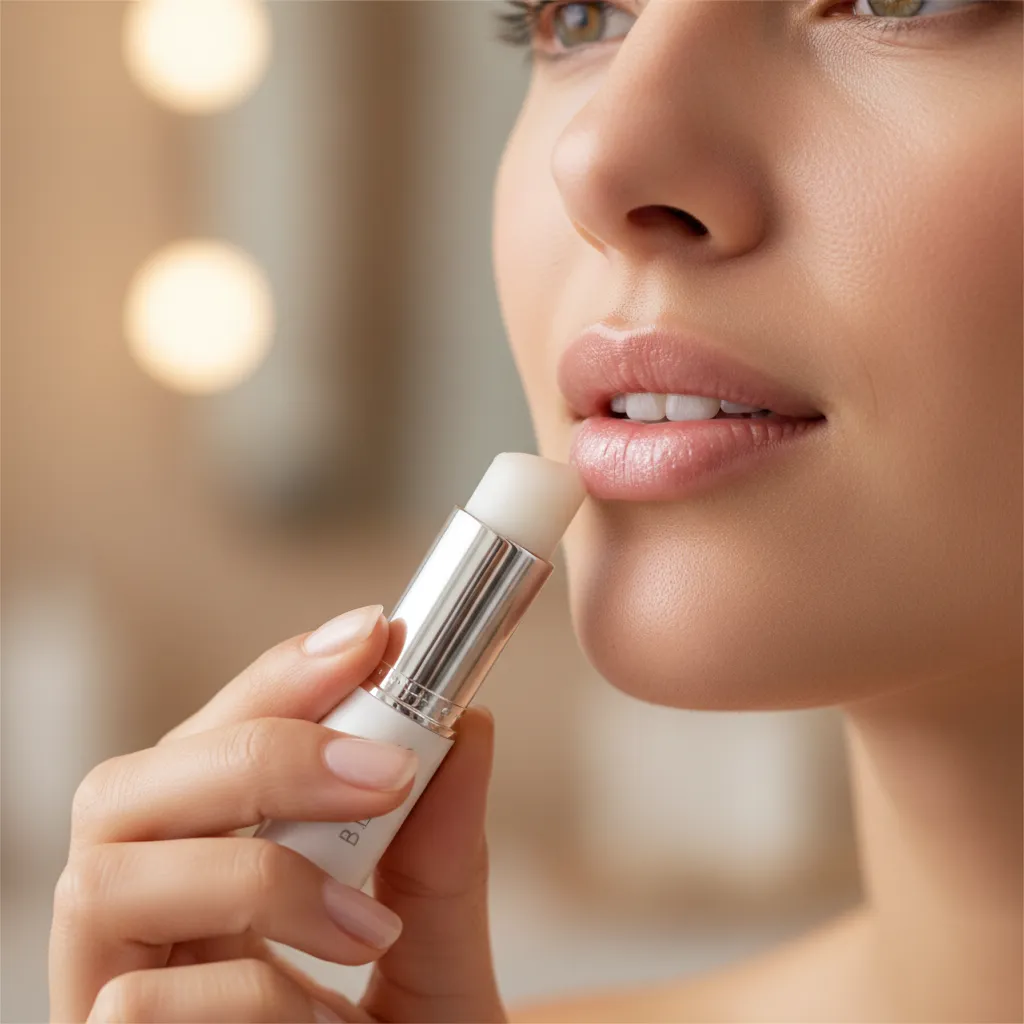
While body lotions may pose a low risk if hygiene is maintained, products applied directly to the lips or inside the mouth fall into a “critical zone.” These products are almost inevitably ingested in small amounts throughout the day.
Why are lip balms and lipsticks risky?
Lip products are a significant source of potential gluten exposure. Studies suggest the average person who wears lipstick consumes several pounds of it over a lifetime. If a lip balm contains wheat germ oil or barley extract, the user is essentially micro-dosing gluten continuously. For a Celiac patient, even these trace amounts can trigger inflammation.
Hidden Gluten in Dental Care
Dental products are another category requiring strict scrutiny. Toothpaste, mouthwash, and even the polishing paste used by dentists can contain gluten thickeners or flavorings.
- Toothpaste: Most major brands are now gluten-free and label their products as such, but specialty or organic brands may still use grain-derived thickeners.
- Retainers and Orthodontics: While the plastic is safe, the acrylic resins used in creating retainers are generally gluten-free. However, patients should always verify the ingredients of denture adhesives.
How to Verify Medication Safety?
Determining if a prescription or over-the-counter (OTC) medication is gluten-free is more difficult than checking a food label due to the lack of mandatory “contains gluten” warning laws for drugs. Here is a professional protocol for verification.
Step 1: Check the Package Insert
Look at the “Description” or “Ingredients” section of the package insert. Scan for the words “starch,” “pregelatinized starch,” “sodium starch glycolate,” or “dextrin.” If the source of the starch (e.g., “corn starch”) is listed, you can be more confident. If it simply says “starch,” further investigation is required.
Step 2: Utilize the National Drug Code (NDC)
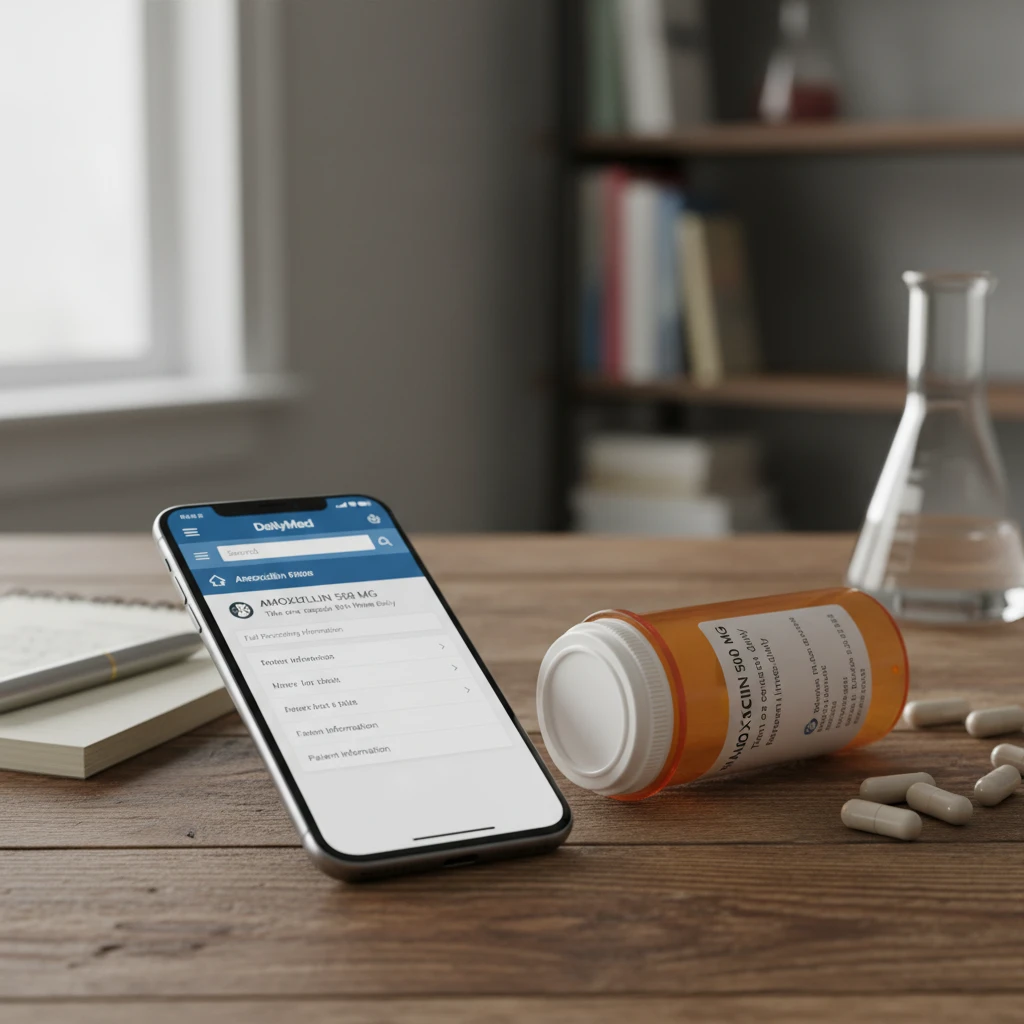
Every drug sold in the U.S. has a unique 10 or 11-digit number called the NDC. This code identifies the specific manufacturer, product, and package size. Formulations can change between manufacturers, so the NDC is crucial. You can look up the NDC on the DailyMed website, maintained by the National Library of Medicine, to view the complete list of inactive ingredients.
Step 3: Call the Manufacturer
If the ingredient list is ambiguous, the most reliable method is to contact the manufacturer directly. Use the script below:
“I am calling to verify the gluten status of a medication with NDC number [Insert Number]. Specifically, I need to know the source of the starch used in the excipients and if there is any wheat, barley, or rye in the manufacturing facility.”
Resources for Gluten-Free Drugs
Navigating this landscape alone is challenging. Fortunately, several databases and organizations track gluten in medications.
- GlutenFreeDrugs.com: A pharmacist-maintained website that provides lists of gluten-free medications by category. It is one of the most trusted resources in the Celiac community.
- DailyMed: As mentioned, this is the official source for FDA-approved drug labels.
- The Celiac Disease Foundation: Often partners with researchers to provide updated information on pharmaceutical labeling laws, such as the Gluten in Medicine Disclosure Act.
Ingredients to Watch Out For
When scanning labels for cosmetics and medications, be wary of the following terms. Their presence does not guarantee gluten, but they indicate a high probability or a need for verification:
- Amp-Isostearoyl Hydrolyzed Wheat Protein
- Hordeum Vulgare (Barley)
- Triticum Vulgare (Wheat)
- Hydrolyzed Malt Extract
- Cyclodextrin (Usually corn, but can be wheat)
- Dextrin (Usually corn or potato, but can be wheat)
- Sodium Starch Glycolate (Usually potato, but verify source)
- Tocopherol/Vitamin E (Can be derived from wheat germ, though processing usually removes gluten)
People Also Ask
Can gluten be absorbed through the skin?
No, gluten molecules are too large to pass through the skin barrier. The danger with topical products lies in accidental ingestion, such as touching your mouth after applying lotion or using lip products.
Is gluten listed on medication labels?
Not always. Unlike food, there is no federal law mandating that drug manufacturers disclose the presence of gluten or the source of starches (e.g., wheat vs. corn) on the label, making verification necessary.
Are all lip balms gluten-free?
No. Many lip balms contain ingredients like wheat germ oil or barley extract for moisturizing. Because lip balm is ingested, it is crucial to use only certified gluten-free lip products.
What ingredients indicate gluten in cosmetics?
Look for names including “Triticum” (wheat), “Hordeum” (barley), “Secale” (rye), “Hydrolyzed Vegetable Protein,” and “Wheat Germ Oil.” These indicate the presence of gluten sources.
Does toothpaste contain gluten?
Most major toothpaste brands are gluten-free, but some specialized formulations may use gluten-derived thickeners. Always check the label or the manufacturer’s website to be sure.
How do I know if my prescription has gluten?
Identify the ingredients by checking the package insert or looking up the NDC code on DailyMed. If “starch” is listed without a source, call the manufacturer to confirm if it is wheat-based.