
A comprehensive gluten-free pantry staples list includes essential alternative flours like almond and brown rice, binding agents such as xanthan gum, and safe whole grains like quinoa and buckwheat. For those managing Celiac disease, stocking certified gluten-free oats, gluten-free soy sauce alternatives like Tamari, and safe thickeners is critical for maintaining a healthy, cross-contamination-free kitchen.
Transitioning to a gluten-free lifestyle, whether due to Celiac disease or non-celiac gluten sensitivity, begins with the foundation of your kitchen: the pantry. A well-stocked pantry eliminates the panic of meal planning and ensures you always have safe ingredients on hand to create nutritious meals. Unlike a traditional pantry, a gluten-free kitchen requires specific binders, unique flour blends, and a vigilance regarding labels that goes beyond simple calorie counting.
What are the Essential Alternative Flours for a Gluten-Free Pantry?
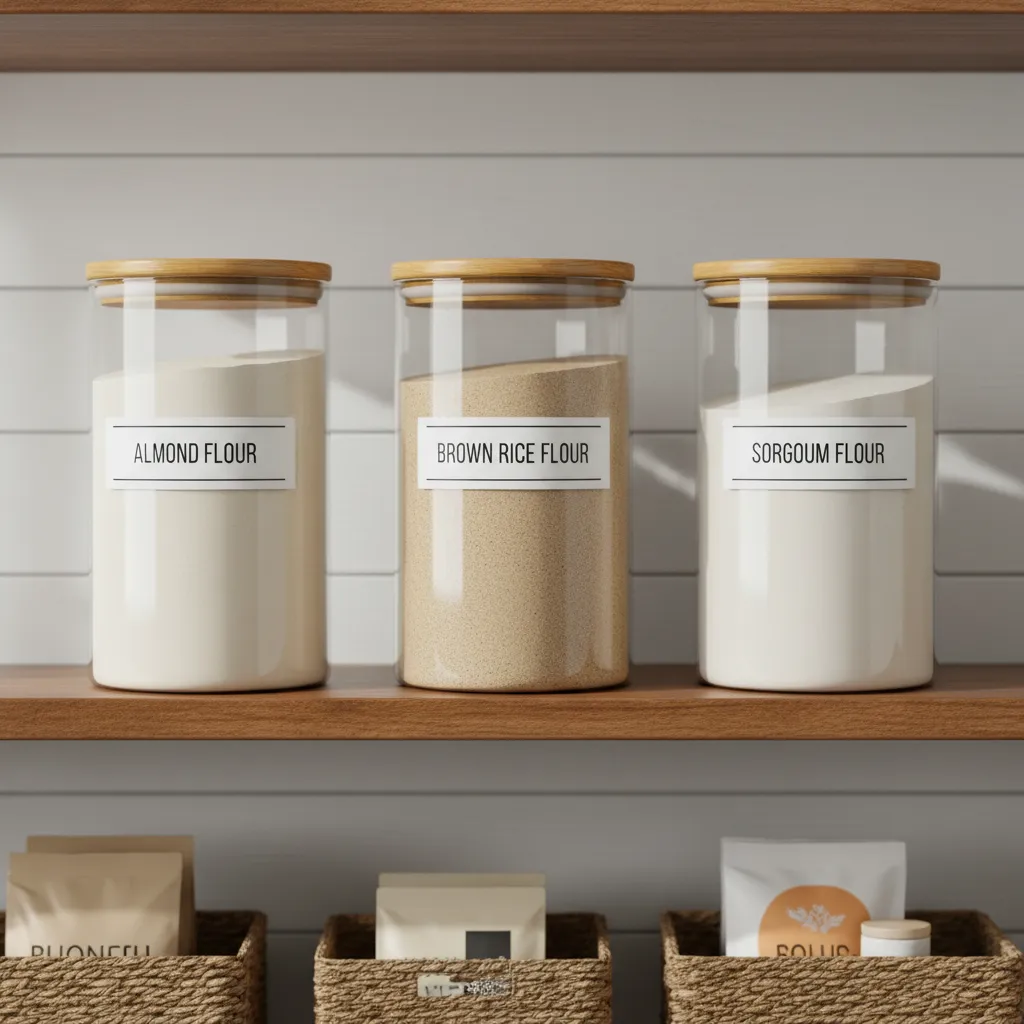
The cornerstone of any gluten-free pantry staples list is a diverse selection of flours. Unlike wheat flour, which provides both structure and elasticity, gluten-free baking often requires a blend of flours to achieve a palatable texture. Stocking single-origin flours allows you to create custom blends tailored to specific recipes, from light pastries to hearty breads.
Almond Flour and Meal
Almond flour is a powerhouse in the gluten-free world. Made from blanched almonds ground into a fine powder, it adds moisture, healthy fats, and a rich, nutty flavor to baked goods. It is particularly popular in Paleo and Keto baking but serves as a crucial component in all-purpose gluten-free blends to reduce grittiness.
- Best for: Cakes, cookies, muffins, and breading for meats.
- Storage: Keep in the refrigerator or freezer to prevent the natural oils from going rancid.
Rice Flours: Brown, White, and Sweet
Rice flour is perhaps the most common substitute for wheat flour. It is inexpensive and mild in flavor.
- Brown Rice Flour: Contains the bran, offering more fiber and nutrients. It has a nuttier flavor but can be gritty if not ground super-fine.
- White Rice Flour: Lighter and smoother, ideal for delicate textures but lower in nutritional value.
- Sweet Rice Flour (Glutinous Rice Flour): Despite the name, it is gluten-free. It is high in starch and acts as a great binding agent in flour blends.
Sorghum Flour
Sorghum is an ancient grain that mimics the texture and flavor of whole wheat flour more closely than most other gluten-free flours. It is mild, slightly sweet, and pairs excellently with bean flours or rice flours to create a balanced all-purpose blend.
Why Are Xanthan and Guar Gum Essential?
In traditional baking, gluten is the protein that acts as a “glue,” holding gas bubbles in place and giving dough its elasticity. Without gluten, baked goods would crumble instantly. To replicate this structure, your gluten-free pantry staples list must include hydrocolloids, commonly known as binders.
Xanthan Gum
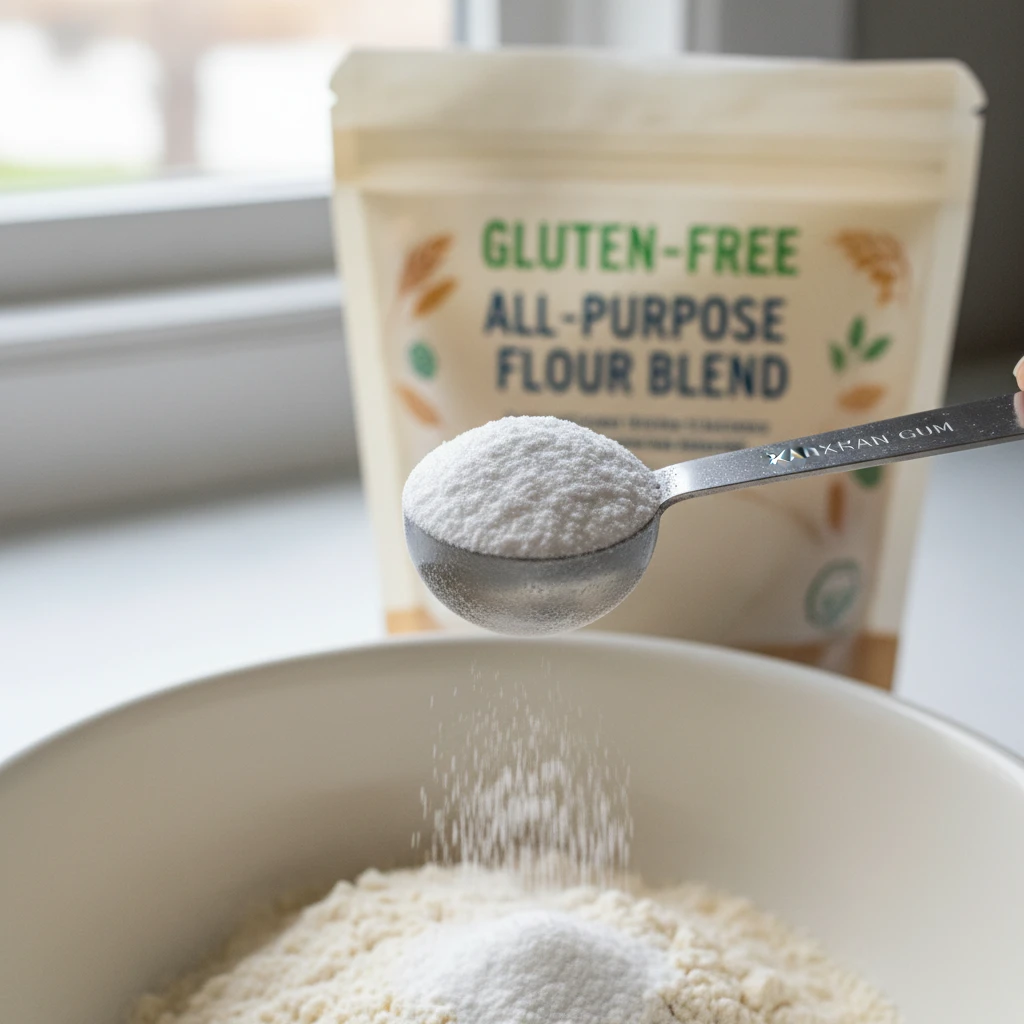
Xanthan gum is a fermented sugar product that is indispensable for gluten-free bakers. It provides the elasticity that gluten usually offers. You only need a tiny amount—typically 1/4 to 1/2 teaspoon per cup of flour—to make a significant difference in the structural integrity of bread and cakes.
Guar Gum
Derived from the guar bean, guar gum is another thickening agent. It is particularly effective in cold foods like ice cream or pastry fillings, though it works well in baking too. Some people with sensitive stomachs find guar gum easier to digest than xanthan gum.
Tapioca Starch and Arrowroot Powder
While not gums, these starches act as secondary binders and lighteners. They help crisp up crusts and lighten the crumb of heavy breads. They are also excellent for thickening sauces, gravies, and fruit pie fillings without making them cloudy.
Which Whole Grains are Safe for Celiacs?
A common misconception is that a gluten-free diet means a low-carb or grain-free diet. Many grains are naturally gluten-free and are vital for providing fiber, B vitamins, and iron. However, cross-contamination during farming and processing is a major risk, so always look for the “Certified Gluten-Free” seal when buying these grains.
Quinoa
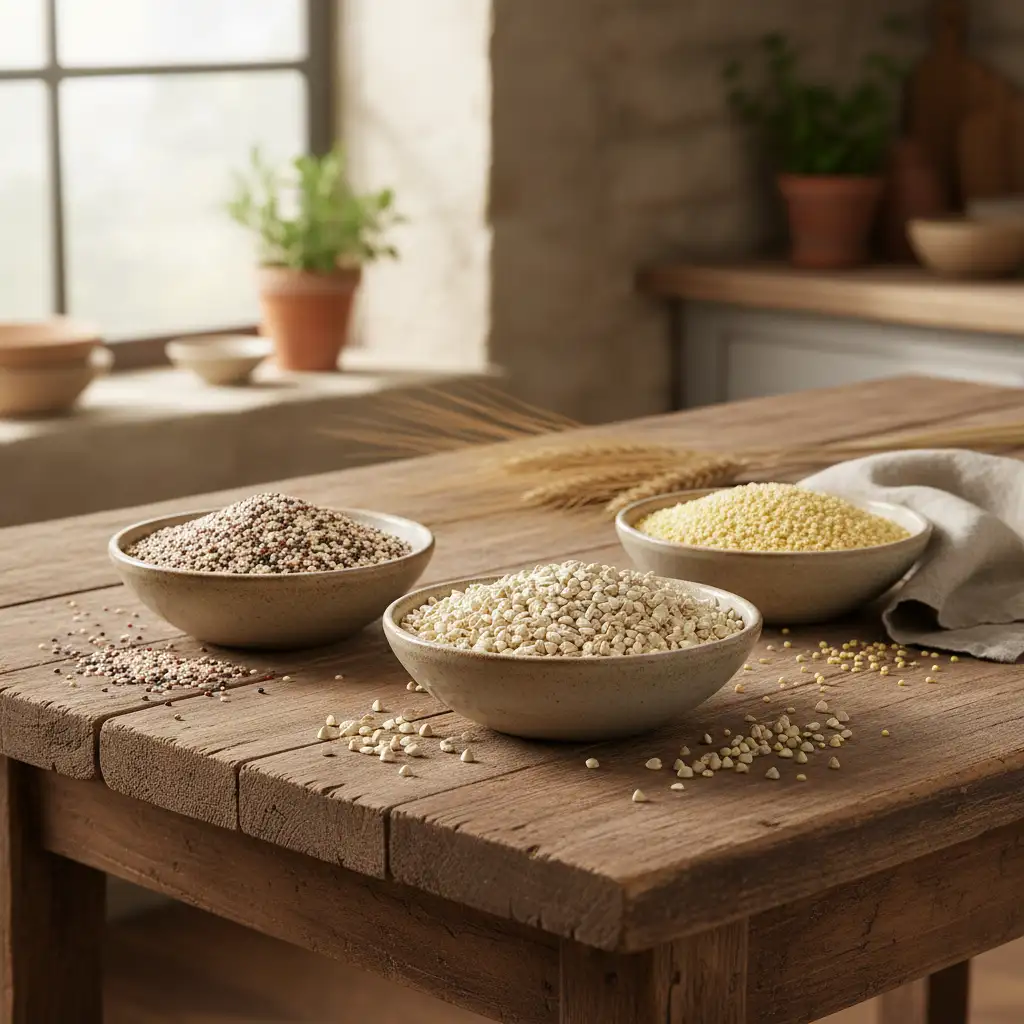
Technically a seed (pseudo-cereal), quinoa is a complete protein, containing all nine essential amino acids. It cooks quickly and serves as a fantastic base for grain bowls, salads, or a side dish alternative to pasta.
Buckwheat
Despite having “wheat” in its name, buckwheat is not related to wheat and is completely gluten-free. It has a robust, earthy flavor. Buckwheat groats can be cooked like rice, or ground into flour for pancakes and soba noodles.
Millet
Millet is a small, yellow grain with a mild corn-like flavor. It is highly nutritious and alkalizing. When cooked with more water, it becomes creamy like mashed potatoes; with less water, it remains fluffy like rice.
How to Safely Include Oats in a Gluten-Free Pantry
Oats are a controversial topic in the Celiac community. While oats themselves do not contain gluten, they are frequently grown in fields adjacent to wheat or processed on the same equipment, leading to high levels of contamination.
The Importance of Certification
You must only purchase oats explicitly labeled “Certified Gluten-Free.” These oats are grown under a purity protocol to ensure they have not come into contact with wheat, barley, or rye. Regular oats found in the cereal aisle are generally unsafe for anyone with Celiac disease.
Purity Protocol vs. Mechanical Sorting
The safest oats come from “Purity Protocol” farmers who ensure the supply chain is clean from seed to manufacturing. Mechanical sorting (removing wheat grains from oat supply via machine) is common but considered less reliable by many experts in the Celiac community.
What Baking Essentials Should Be Stocked?
Beyond flours and binders, your baking supply shelf needs careful curation to ensure hidden gluten doesn’t sneak in.
Leavening Agents
- Baking Powder: Most baking powder is gluten-free, using cornstarch as a drying agent. However, some brands may use wheat starch. Always verify the label.
- Baking Soda: Naturally gluten-free.
- Yeast: Active dry and instant yeast are generally gluten-free, but brewer’s yeast is a byproduct of beer making and contains gluten.
Sweeteners and Flavorings
- Vanilla Extract: Ensure it is made with distilled alcohol or a gluten-free grain alcohol.
- Maple Syrup and Honey: Naturally safe and excellent for adding moisture to gluten-free baked goods, which tend to be drier.
- Chocolate Chips: Check labels for barley malt flavoring or cross-contamination warnings.

Which Condiments and Sauces are Safe?
The condiments section is a minefield for hidden gluten. Wheat is often used as a thickener or stabilizer in sauces, dressings, and marinades.
Tamari vs. Soy Sauce
Traditional soy sauce is brewed with wheat (typically 50% soy, 50% wheat). Tamari is a Japanese style of soy sauce made with little to no wheat. Always buy Tamari labeled gluten-free. Coconut aminos are another popular soy-free and gluten-free alternative.
Broths and Stocks
Many commercial bouillons and stocks contain yeast extract derived from barley or wheat-based flavorings. Opt for brands that clearly state “Gluten-Free” on the carton. Keeping boxed chicken or vegetable broth in your pantry is essential for quick soups and risottos.
Pasta Alternatives
No pantry is complete without pasta. Modern gluten-free pastas have improved significantly.
- Brown Rice Pasta: Holds up well to hearty sauces.
- Chickpea/Lentil Pasta: High in protein and fiber, though they have a stronger flavor.
- Corn/Quinoa Blends: Often provide the texture closest to traditional wheat pasta.
How to Manage Storage and Prevent Cross-Contamination
If you share a kitchen with gluten-eaters, your pantry organization is a safety measure, not just an aesthetic choice.
Dedicated Shelves
Always store gluten-free items on the top shelves. This prevents gravity from dropping wheat flour or crumbs onto your safe products below. If possible, have a completely separate cabinet for gluten-free supplies.
Airtight Containers
Decant flours and grains into airtight glass or plastic containers. This keeps pests out and prevents airborne flour dust from contaminating your supplies. Label everything clearly with the date opened and the contents.
Avoid Bulk Bins
Never buy your gluten-free pantry staples from the bulk bins at grocery stores. Scoops are often shared between bins, and cross-contamination is almost guaranteed in these environments. Always buy pre-packaged goods.
People Also Ask
What is the most essential gluten-free flour to have?
For most households, a high-quality “All-Purpose Gluten-Free Flour Blend” (usually a mix of rice flour, potato starch, and xanthan gum) is the most essential. It allows you to substitute wheat flour 1:1 in many standard recipes without buying five different bags of flour.
Is cornstarch always gluten-free?
Pure cornstarch is naturally gluten-free. However, cross-contamination during manufacturing can occur. To be safe, especially for Celiacs, always purchase cornstarch that is labeled gluten-free to ensure it hasn’t been processed on shared equipment with wheat.
Why do gluten-free recipes require xanthan gum?
Gluten provides elasticity and structure to dough, trapping gas bubbles released by leavening agents. Without gluten, baked goods would be flat and crumbly. Xanthan gum replicates this elasticity, holding the structure together and preventing the bake from falling apart.
Are lentils and beans gluten-free?
Yes, lentils and beans are naturally gluten-free. However, they are high-risk items for cross-contamination because they are often grown near wheat or processed on the same machinery. Always rinse dried beans thoroughly and pick through them, or buy certified gluten-free canned/dry options.
Can I use almond flour as a 1:1 substitute for wheat flour?
No, almond flour cannot be substituted 1:1 for wheat flour in most recipes. It lacks starch and is much higher in fat and moisture. It works best in recipes specifically designed for it, or as part of a blend with lighter starches like tapioca or rice flour.
What is the difference between gluten-free and wheat-free?
“Wheat-free” means the product contains no wheat, but it could still contain other gluten-containing grains like barley, rye, or spelt. “Gluten-free” means the product is free from all gluten-containing grains. Celiacs must look for “Gluten-Free,” not just “Wheat-Free.”