
To convert recipes to gluten-free effectively, replace wheat flour with a high-quality 1:1 gluten-free blend by weight, not volume. You must often increase the liquid content by 10-20%, add a binder like xanthan gum if the blend lacks it, and let the batter rest for 30 minutes before baking to ensure proper hydration.
Adapting traditional recipes to accommodate a gluten-free diet is more than a simple ingredient swap; it is a lesson in chemistry and structural engineering. For those managing Celiac disease or gluten sensitivity, the ability to recreate family favorites without wheat is essential for long-term dietary adherence. However, gluten—the protein matrix found in wheat, barley, and rye—provides elasticity, structure, and moisture retention that is difficult to replicate. When you remove it, you must rebuild that architecture using alternative flours, starches, and binders.
This comprehensive guide explores the technical nuances of how to convert recipes to gluten free, ensuring your cakes remain moist, your breads rise, and your cookies hold their shape.
The Science of Gluten-Free Conversion
Before diving into the specific adjustments, it is crucial to understand what you are actually removing. Gluten acts as a binder. It is the “glue” that holds baked goods together and traps carbon dioxide bubbles produced by yeast or baking powder, allowing the dough to rise. Without this protein network, baked goods tend to be crumbly, flat, and dry.
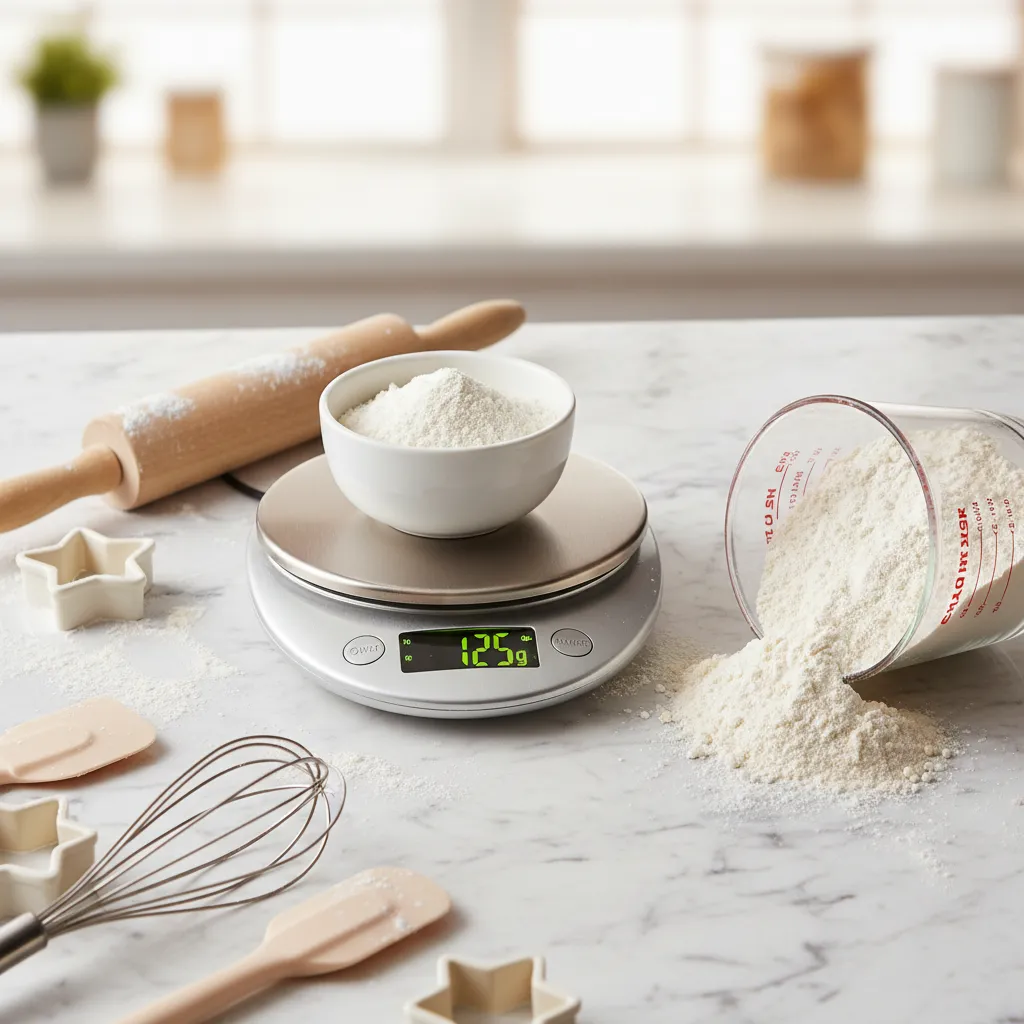
When learning how to convert recipes to gluten free, the first rule is to abandon volumetric measurements. A cup of all-purpose wheat flour weighs approximately 120-125 grams. However, a cup of gluten-free flour blend can weigh anywhere from 120 to 160 grams depending on the ratio of heavy starches (like potato starch) to lighter whole grains (like brown rice flour). To achieve consistent results, you must use a digital kitchen scale.
Why 1:1 Flour Blends Aren’t Always Enough
The market is flooded with “measure-for-measure” or “1:1” gluten-free flour blends. While these are convenient starting points, they are rarely a perfect solution for every type of recipe. Most commercial blends rely heavily on white rice flour and starches, which lack the protein content and absorption capabilities of wheat flour.
The Protein Deficit
Wheat flour contains roughly 10-13% protein. Most gluten-free blends hover around 4-6%. This deficit affects the browning (Maillard reaction) and the structural integrity of the bake. For recipes that rely heavily on structure, such as yeast breads or pizza dough, a standard 1:1 blend will likely result in a loaf that collapses or fails to hold its shape.
Customizing the Blend
To truly master conversion, you may need to fortify store-bought blends or create your own based on the recipe type:
- For Cakes and Muffins: A lower protein blend (high starch) works well to mimic cake flour.
- For Breads and Pizza: You need to add protein. Adding almond flour, buckwheat flour, or even dried milk powder can increase the protein content and improve the crust.
Adding Moisture and Structure
Gluten-free flours are notoriously “thirsty.” They often contain high amounts of starch and fibers that absorb liquid differently than wheat flour. Furthermore, without the gluten network to trap moisture, GF baked goods can dry out incredibly fast—often becoming stale within 24 hours.
How to Adjust Liquid Ratios?
When converting a standard recipe, a good rule of thumb is to increase the liquid content. Start by adding an extra tablespoon of liquid per cup of flour, but be prepared to go higher. For hydration-heavy recipes like artisan bread, you might need to increase the hydration by up to 20%.
This extra liquid serves two purposes: it ensures the starches fully hydrate (preventing a gritty texture), and it compensates for the longer baking times often required for gluten-free goods.

Rebuilding the Structure with Binders
Since you have removed the natural binder (gluten), you must replace it. If your flour blend does not already contain xanthan gum or guar gum, you must add it manually.
- Cakes and Cookies: Add 1/4 to 1/2 teaspoon of xanthan gum per cup of flour.
- Breads and Pizza Dough: Add 1 to 1.5 teaspoons of xanthan gum per cup of flour.
Beyond gums, consider using psyllium husk powder. Psyllium is a powerhouse for yeast breads; it creates a gel-like structure that mimics the elasticity of gluten better than xanthan gum, allowing dough to be shaped and handled.
The Role of Eggs
Eggs are the best friend of the gluten-free baker. The proteins in egg whites provide structure, while the yolks provide emulsification and richness. If a recipe calls for one egg, adding an extra egg white (or even a whole extra egg) can often save a gluten-free conversion from crumbling. For vegan conversions, flax eggs or aquafaba can work, but they provide less structural lift than chicken eggs.
The Secret Step: Resting the Batter
If there is one technique that separates amateur gluten-free baking from professional quality results, it is the resting period. In traditional wheat baking, you often want to get the batter in the oven quickly before the chemical leaveners expire. In gluten-free baking, patience is a virtue.
Gluten-free flours, particularly rice flour and coconut flour, have a gritty texture if not properly hydrated. Because they lack the rapid absorption channels of wheat gluten, the liquid needs time to penetrate the center of the starch granule.
How Long Should You Rest the Batter?
Rest your gluten-free batter or dough for at least 30 minutes before baking. Ideally, cover the bowl with a damp cloth and let it sit at room temperature. For cookie dough, resting in the refrigerator for 24 hours can significantly improve texture and flavor depth.
During this rest, the flour softens, and the mixture thickens. You will notice that a batter that seemed too runny initially will tighten up to a perfect consistency after 30 minutes. This step eliminates the “sandy” mouthfeel often associated with bad gluten-free food.

Troubleshooting Dense or Crumbly Bakes
Even with the best intentions, conversions can go wrong. Here is how to diagnose and fix the most common issues when learning how to convert recipes to gluten free.
Problem 1: The Center is Gummy
The Cause: This is the most common complaint. It usually means there is too much starch, too much liquid, or the bake time was too short. Gluten-free flours hold onto moisture aggressively.
The Fix: Lower the oven temperature by 25°F and bake for 10-15 minutes longer than the original recipe states. This “low and slow” method allows the center to cook through without burning the exterior. Also, verify that your flour blend isn’t entirely starch (tapioca/potato) without enough whole grain.
Problem 2: The Bake is Crumbly and Dry
The Cause: Insufficient fat or binder. Without gluten, there is nothing holding the crumbs together.
The Fix: Increase the fat content. Swap butter for oil, or add a tablespoon of sour cream or yogurt to the batter. Ensure you used enough xanthan gum. If the recipe called for 1 cup of flour, did you weigh it? You might have accidentally used too much flour.
Problem 3: The Bread Didn’t Rise (Dense Brick)
The Cause: The dough was too heavy, or the leavening agent wasn’t strong enough to lift the heavy GF flours.
The Fix: Gluten-free batters for bread should be much softer than wheat dough—more like a thick cake batter than a kneadable dough. If you can knead it by hand without it sticking, it is likely too dry. Add more liquid. Additionally, ensure your baking powder is fresh and consider increasing it by 25%.
People Also Ask
Can I just replace flour with gluten-free flour in any recipe?
For simple recipes like cookies, brownies, and muffins, a direct swap using a high-quality 1:1 blend often works well. However, for structural recipes like yeast breads, pastries, or pizza dough, a direct swap usually fails. You will need to adjust hydration, add binders like xanthan gum, and potentially add protein sources like eggs or milk powder.
Do I always need xanthan gum for gluten-free baking?
Not always, but usually. If you are using a pre-mixed “measure-for-measure” blend, check the ingredients; it likely already contains xanthan gum. If you are mixing your own flours, or if the blend says “gum-free,” you must add xanthan gum (or psyllium husk) to prevent your baked goods from crumbling apart.
How do I convert a cake recipe to gluten-free?
To convert a cake recipe, swap the flour by weight (grams), not cups. Add 1/4 teaspoon of xanthan gum per cup of flour if your blend lacks it. Add an extra egg yolk or tablespoon of sour cream to increase moisture and tenderness. Let the batter rest for 20 minutes before baking to hydrate the rice flour.
Why is my gluten-free bread gummy inside?
Gumminess is caused by excess moisture retention in the starches or underbaking. Gluten-free bread takes longer to bake than wheat bread. Ensure the internal temperature reaches 205-210°F (96-99°C). Do not slice the bread until it is completely cool, as the starches set during the cooling process.
Does gluten-free baking require more baking powder?
Often, yes. Because gluten-free flours are heavier and lack the elastic web to trap gas, they struggle to rise. Increasing baking powder by about 25% can help give the necessary lift. Using double-acting baking powder is recommended.
What is the best flour for gluten-free conversion?
There is no single “best” flour, but the best approach is a blend. A mix of superfine brown rice flour (for bulk), potato starch (for lightness), and tapioca starch (for elasticity) is the gold standard. Almond flour is also excellent for adding moisture and richness to cakes and cookies.