
Creating authentic gluten free NZ recipes requires substituting standard wheat flour with high-quality local blends like Edmonds or Bakels while carefully adjusting moisture ratios to account for the lack of gluten structure. By incorporating binding agents such as xanthan gum and utilizing fresh, seasonal Kiwi produce like feijoas and kumara, home bakers can successfully recreate nostalgic classics without compromising on texture or taste.
For many New Zealanders, the transition to a gluten-free lifestyle often comes with a sense of loss regarding the nostalgic treats of childhood. The classic “Kiwi tea break” is steeped in tradition, often centered around recipes handed down through generations, many of which originated from the iconic Edmonds Cookery Book. However, the landscape of gluten free nz recipes has evolved dramatically in the last decade. It is no longer about enduring dry, crumbly substitutes but rather about understanding the chemistry of alternative flours to replicate the specific textures of our national cuisine.
Whether you are a diagnosed coeliac or have chosen a gluten-free lifestyle for health reasons, mastering the art of baking without wheat in New Zealand requires specific knowledge of local ingredients. From the density required for a perfect Afghan biscuit to the light aeration needed for a Pavlova, the adaptation process is both an art and a science.
Adapting Edmond’s Classics for Coeliacs
The cornerstone of New Zealand baking is undoubtedly the Edmonds legacy. Adapting these recipes requires more than a simple 1:1 flour substitution. Gluten provides elasticity and structure; without it, baked goods can spread too thin or crumble upon touch. Here is how to approach the “Big Three” Kiwi classics.

The Gluten-Free Afghan Biscuit
The Afghan is a texture-based biscuit. It relies on the crunch of cornflakes and the richness of cocoa. The challenge with a gluten-free version is preventing the biscuit from melting into a flat puddle in the oven.
- The Cornflakes: Standard cornflakes often contain malt barley, which contains gluten. You must source certified gluten-free cornflakes found in the health food aisle of supermarkets like New World or Countdown.
- The Binding Agent: Because Afghans have no eggs, the gluten in wheat flour was the primary binder. When using a GF blend, ensure it contains guar gum or xanthan gum. If not, add 1/2 teaspoon of xanthan gum per cup of flour.
- Chilling Time: Unlike the original recipe, GF Afghan dough benefits significantly from 30 minutes of refrigeration before baking to firm up the butter.
Louise Cake Construction
Louise Cake presents a structural engineering challenge: a dense cake base, a layer of jam, and a coconut meringue topping. In gluten-free baking, the base is prone to becoming too crumbly to support the weight of the topping.
To succeed, increase the butter content in the base by approximately 10% to add moisture. Furthermore, par-baking the base is non-negotiable. Bake the base for 10-12 minutes until just set before adding the jam and meringue. This prevents the moisture from the raspberry jam from making the gluten-free flour sodden.
Ginger Crunch integrity
The perfect Ginger Crunch has a snap. Gluten-free flour blends tend to result in a softer, more cake-like base. To regain the snap, substitute 20% of your gluten-free flour blend with brown rice flour or cornflour. This lowers the protein content and increases the starch, promoting a crispier finish. Additionally, pressing the warm icing onto a warm base is crucial for adhesion, as gluten-free bases can develop a “skin” that repels toppings if left to cool too long.
Essential GF Flour Blends Available in NZ
New Zealand is fortunate to have high-quality domestic millers producing excellent gluten-free alternatives. Understanding the difference between these brands is vital for the success of your gluten free nz recipes.
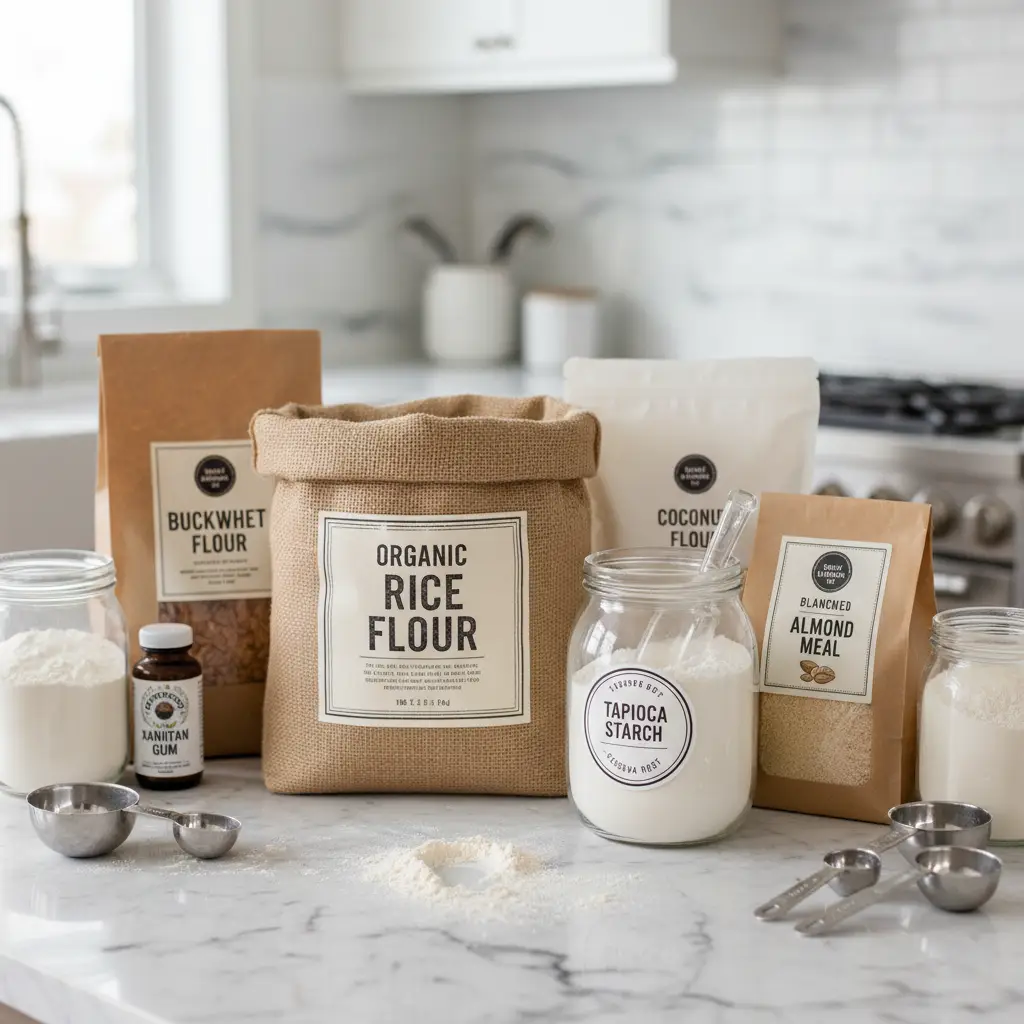
Edmonds Gluten Free Plain & Self Raising
Edmonds has reformulated their blend to be a reliable all-rounder. It is typically a mix of rice flour, maize starch, and tapioca starch. It is excellent for cakes and muffins but can be slightly gritty in delicate pastries. When using this for shortbread or biscuits, sifting is mandatory to aerate the starch components.
Bakels Gluten Free Baking Mixes
Bakels is a brand often used by commercial bakeries in NZ. Their retail packs are highly engineered for stability. They often include modified starches which provide superior lift. This is the preferred brand for bread and yeast-based baking, as it mimics the stretch of gluten better than simple rice flour blends.
Healtheries & Macro (Woolworths Brand)
These brands often offer single-origin flours (like pure rice flour or pure tapioca). Advanced bakers often prefer mixing their own blends using these. A standard “Kiwi Blend” for general baking is:
- 60% Superfine White Rice Flour (structure)
- 20% Potato Starch (moisture retention)
- 20% Tapioca Starch (binding and elasticity)
Seasonal Cooking with NZ Produce
One of the joys of the New Zealand lifestyle is cooking with the seasons. Many local fruits and vegetables lend themselves perfectly to gluten-free baking, providing natural moisture and binding properties that commercially processed flours lack.
Autumn: The Feijoa Fiasco
Feijoas are a polarizing fruit, but for Kiwis, they are autumn gold. Feijoas are highly acidic and moist. When adapting a Feijoa Muffin recipe to be gluten-free, the acidity reacts vigorously with baking soda. Ensure you balance your leavening agents; slightly reduce the baking powder and add a pinch of baking soda to neutralize the acid and help the muffins rise. The pulp of the feijoa adds density, so bake these at a slightly lower temperature (170°C fan bake) for longer to ensure the center cooks through without burning the edges.
Winter: Kumara as a Secret Weapon
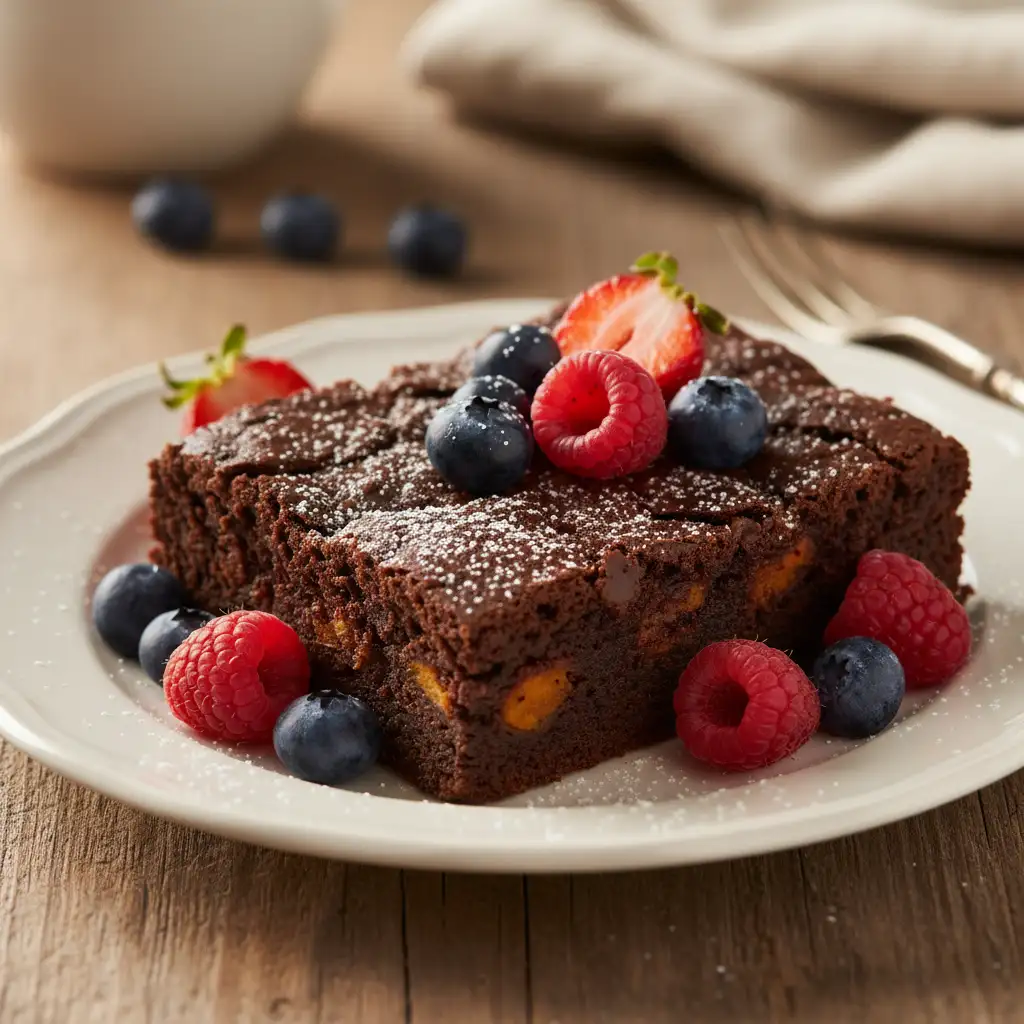
New Zealand Kumara (sweet potato), particularly the orange and red varieties, are incredible for gluten-free baking. Mashed kumara can replace up to 30% of the flour in brownie recipes. The starch in kumara provides a fudgy, dense texture that eliminates the dryness often associated with GF chocolate baked goods. A “Kumara Chocolate Brownie” is fast becoming a modern Kiwi classic in the gluten-free community.
Summer: Stone Fruit Galettes
Central Otago apricots and peaches are perfect for rustic galettes. Gluten-free pastry is notoriously difficult to handle, but a galette requires a rough, free-form shape, making it the ideal vessel for summer fruit. Use a pastry blend high in almond meal; the oils in the almond help keep the pastry pliable and prevent it from cracking when you fold the edges over the fruit.
Reinventing Savory Kiwi Staples
It isn’t just about sweets. The savory palate of New Zealand—dominated by pies and sausage rolls—presents the biggest challenge for the gluten-free cook: flaky pastry.
The Holy Grail: Gluten-Free Flaky Pastry
Commercial GF puff pastry sheets are available in NZ supermarkets, but they can be expensive and sometimes tough. Making your own requires keeping ingredients ice-cold. A trick for NZ savory pies (Mince and Cheese) is to use a “rough puff” method with a GF flour blend that includes egg white powder. The protein in the egg white helps create layers that separate during baking, mimicking the flakiness of wheat pastry.
Bacon and Egg Pie
For a Bacon and Egg pie, the bottom pastry often gets soggy (the “soggy bottom” syndrome). In gluten-free baking, this is exacerbated because GF flour absorbs liquid slower than wheat flour, then suddenly becomes saturated. To prevent this, blind bake the bottom pastry case for 15 minutes. Alternatively, skip the bottom crust entirely and make a “crustless” version using a mixture of GF flour and grated cheese to bind the egg mixture, putting a pastry lid only on top.
Baking Tips for High Humidity Areas
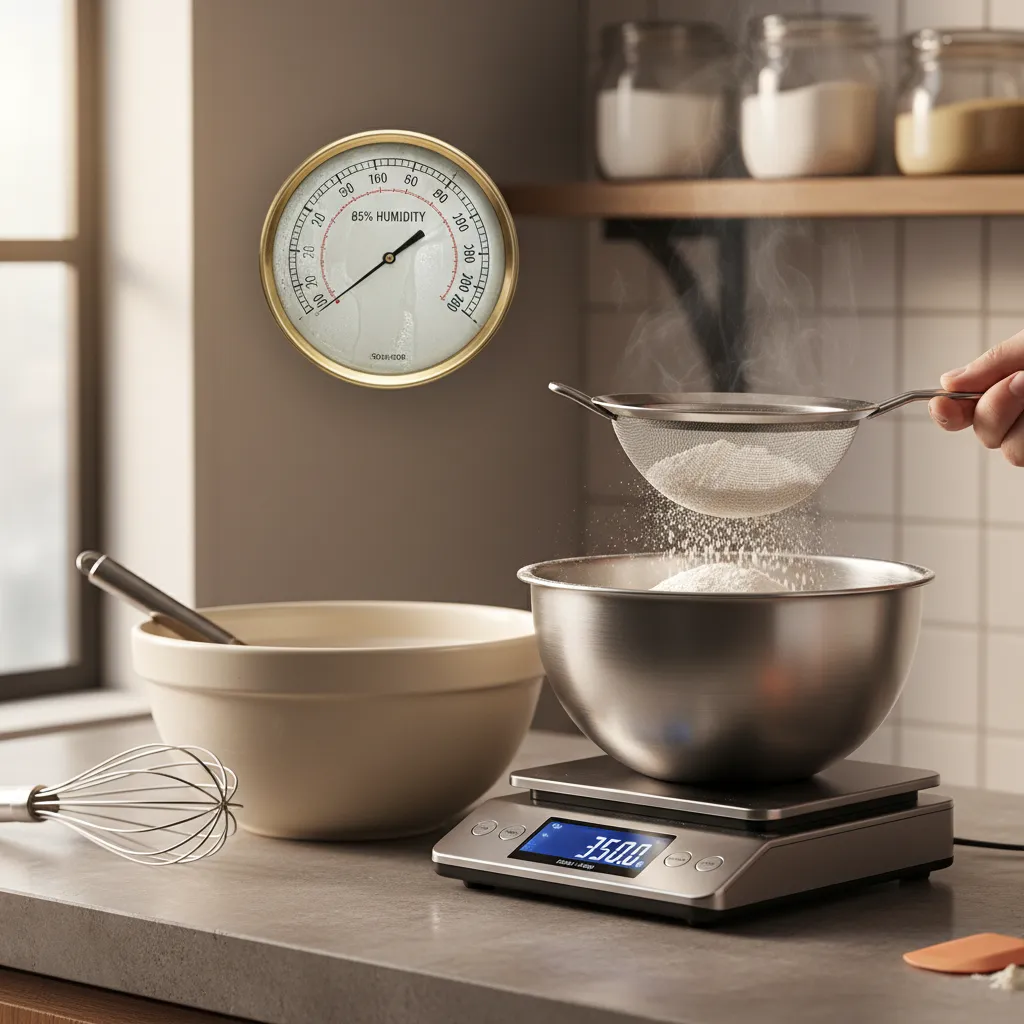
New Zealand is an island nation with high humidity, particularly in Auckland and Northland. Humidity is the silent killer of gluten-free baking. GF flours, especially starches like tapioca and cornflour, are hygroscopic—they absorb water from the air.
Hydration Adjustments
If you are baking in Auckland during a humid summer, your flour may have already absorbed significant moisture from the air. You may need to reduce the liquid content in your recipe by 10-15ml per cup of liquid. Conversely, in the dry alpine winters of the South Island, you might need to add an extra tablespoon of milk or water.
Storage is Critical
Gluten-free baked goods stale faster than wheat products. In NZ’s humid climate, they can also go mouldy quickly.
The Rule of Thumb:
- Day 1: Keep in an airtight container on the bench.
- Day 2 onwards: Slice and freeze. Do not refrigerate cakes or muffins; the refrigerator environment actually accelerates the retrogradation of starch, making your GF baking taste stale and dry. Freezing locks in the moisture. A quick zap in the microwave restores the texture of frozen GF bread or muffins almost perfectly.
Troubleshooting Common GF Baking Failures
Even experienced bakers encounter disasters. Here is a quick diagnostic guide for your gluten free nz recipes.
Gummy Texture
If your loaf or cake has a gummy, rubbery strip at the bottom, it is likely due to too much xanthan gum or excess moisture. NZ flours often come with gum already added. Check your packet. If the flour says “baking blend” or “mix,” do not add extra xanthan gum.
Gritty Mouthfeel
This is caused by rice flour that hasn’t hydrated fully. To fix this, let your batter rest for 30 minutes before putting it in the oven. This “autolyse” period allows the rice grains to soften and absorb the liquid, resulting in a smoother crumb.
Rapid Staling
If your scones are rock hard within 4 hours, your recipe lacks fat or hydrocolloids. Ensure you are using full-fat milk or cream. Adding a teaspoon of honey or golden syrup can also help retain moisture, as sugar is hygroscopic and holds onto water.
Embracing the gluten-free lifestyle in New Zealand does not mean saying goodbye to the food culture that defines us. By understanding the unique properties of our local ingredients and adapting our beloved Edmonds classics with scientific precision, you can produce baked goods that even the most staunch wheat-eaters would happily devour.
What is the best gluten free flour for baking in NZ?
For general baking, Edmonds Gluten Free flour is a reliable, accessible option found in most supermarkets. However, for specialized breads, Bakels mixes are superior. Many experienced bakers prefer creating their own blend using rice flour, tapioca starch, and potato starch to control the protein levels.
Can I use normal cornflakes for gluten free Afghan biscuits?
No, standard cornflakes usually contain malt flavoring derived from barley, which contains gluten. You must buy cornflakes specifically labeled “Gluten Free,” which are available in the health food sections of NZ supermarkets like Countdown and New World.
Why is my gluten free baking always dry and crumbly?
Dryness usually results from a lack of binding agents or insufficient hydration. Gluten-free flours absorb more liquid than wheat flour. Ensure your blend contains xanthan gum or guar gum, and try increasing the liquid content or adding an extra egg to provide structure and moisture.
How do I make gluten free pastry that doesn’t fall apart?
Keep everything extremely cold. Use ice water and chilled butter. Adding an egg or egg white helps bind the pastry better than water alone. Rolling the pastry out between two sheets of baking paper prevents sticking without adding excess flour, which dries it out.
Are feijoas gluten free?
Yes, feijoas are naturally gluten-free. They are an excellent ingredient for gluten-free baking as their high moisture content helps counteract the drying nature of gluten-free flours. They work exceptionally well in muffins, loaves, and crumbles.
What is a good substitute for malt biscuits in Lolly Cake?
Classic Lolly Cake uses malt biscuits, which contain gluten. A great substitute is using gluten-free arrowroot biscuits or gluten-free vanilla wine biscuits, which are available in NZ. You may need to add a teaspoon of cocoa or mild molasses to mimic the malt flavor profile.