
Gluten free alcohol in NZ refers to beverages that comply with strict Food Standards Australia New Zealand (FSANZ) regulations for those with Coeliac disease. This includes all plain wines, most ciders, and pure distilled spirits (even those derived from grains), alongside dedicated gluten-free beers brewed from alternative grains like sorghum, millet, or rice rather than barley or wheat.
What is Kiwi Social Life & Alcohol?
In New Zealand, alcohol is deeply integrated into the social fabric, often serving as a centerpiece for gatherings, sporting events, and professional networking. While traditional pub culture remains strong, the scene has evolved to emphasize craft breweries, boutique wineries, and a growing trend toward mindful drinking.
### Key Aspects of Kiwi Alcohol Culture:
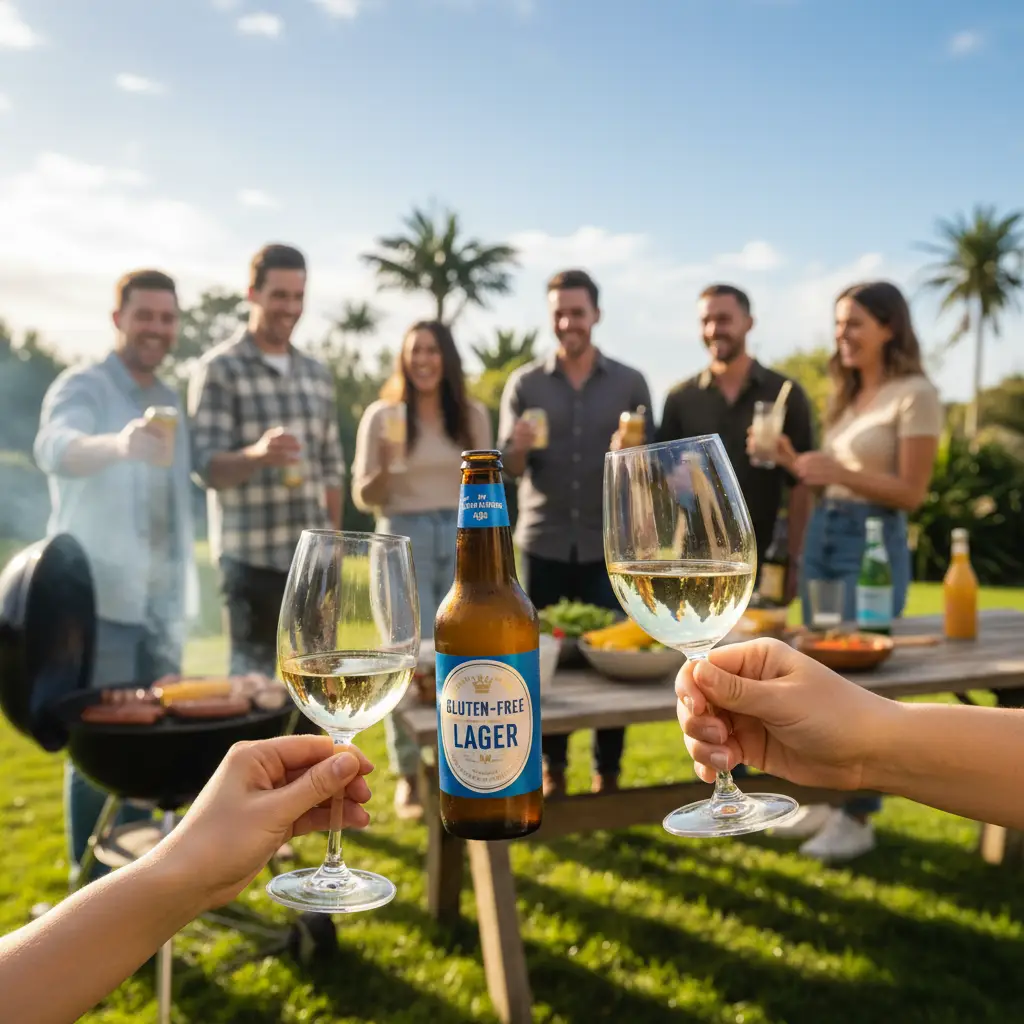
* **The Social BBQ:** Most informal gatherings revolve around a “bring your own” (BYO) policy, where guests bring their own beer or wine to share at a backyard barbecue.
* **”Friday Drinks”:** A common workplace tradition where colleagues gather for a drink at the end of the work week to socialize and decompress.
* **Craft Beer & Wine:** New Zealand has a world-class reputation for Sauvignon Blanc and a booming craft beer scene, with “hop-forward” IPAs being particularly popular in cities like Wellington and Auckland.
* **The BYO Restaurant:** Many mid-range restaurants allow patrons to bring their own bottles of wine for a small “corkage” fee, making dining out more affordable.
* **Changing Trends:** There is an increasing shift toward “low and no” alcohol options among younger generations, reflecting a growing awareness of health and well-being.
**Drinking Age & Laws:** The legal age to purchase alcohol in New Zealand is **18**. Photo ID (Passport, NZ Driver’s License, or KiwiAccess card) is strictly required at bars and supermarkets.
The Intersection of Kiwi Social Life and Dietary Restrictions
In New Zealand, social interaction is frequently anchored around food and drink. From backyard BBQs in the summer to after-work drinks on a Friday, alcohol plays a significant role in the fabric of Kiwi social culture. For those diagnosed with Coeliac disease or adhering to a strict gluten-free lifestyle, this environment can present a minefield of anxiety and potential health risks.
The pressure to participate in rounds or accept a drink out of politeness is a common social dynamic. However, the landscape is shifting. With increased awareness of autoimmune conditions and dietary intolerances, New Zealand hosts are becoming more accommodating. Yet, the onus often remains on the individual to ensure their safety. Understanding exactly what constitutes gluten free alcohol in NZ is the first line of defense against accidental glutening, allowing you to participate in festivities without compromising your health.
The Science: Distillation vs. Fermentation
To confidently navigate the liquor store or a bar menu, one must understand the fundamental difference between fermented and distilled beverages. This distinction is the cornerstone of alcohol safety for Coeliacs.
Fermentation and Gluten Retention
Fermented beverages are produced by converting sugars into alcohol using yeast. If the source of that sugar is a gluten-containing grain (wheat, barley, rye), the resulting liquid retains gluten peptides. This is why traditional beer, which is fermented from malted barley, is strictly off-limits. The gluten protein survives the fermentation process intact, rendering the beverage toxic to those with Coeliac disease.
The Distillation Purification
Distillation involves boiling a fermented mixture and capturing the resulting steam, which condenses back into liquid alcohol. According to Coeliac New Zealand and international scientific consensus, the distillation process removes the heavy gluten proteins. The peptide molecules are too large to vaporize and pass through the distillation coil.
Consequently, pure distilled spirits are considered gluten-free, even if the original mash was made from wheat, barley, or rye. However, the safety of a spirit can be compromised after distillation through the addition of flavorings, colorings, or other additives containing gluten.
The Safe List: What Can You Drink?
Navigating the shelves requires vigilance. Below is a comprehensive breakdown of alcohol categories available in New Zealand and their safety status.
Is Wine Gluten Free?
Verdict: Generally Yes.
Wine is made from fermented grapes, which are naturally gluten-free. This includes Red, White, Rosé, Sparkling Wine, Champagne, and Prosecco. Pure wine is considered safe for Coeliacs.
The Caveats:
Historically, wheat paste was occasionally used to seal oak barrels, though this practice is virtually obsolete in modern winemaking. A more relevant concern is the “fining” process, where agents are used to clarify wine. While egg whites and milk proteins are common (and must be declared for allergen reasons), they are gluten-free. Very rarely, wheat protein might be used for fining, but in New Zealand, allergen labelling laws would require this to be disclosed on the bottle. Always check the label on fortified wines (like Port or Sherry) or dessert wines, as additives can sometimes introduce gluten.
Gluten Free Beer in New Zealand
Verdict: Only if labelled “Gluten Free.”
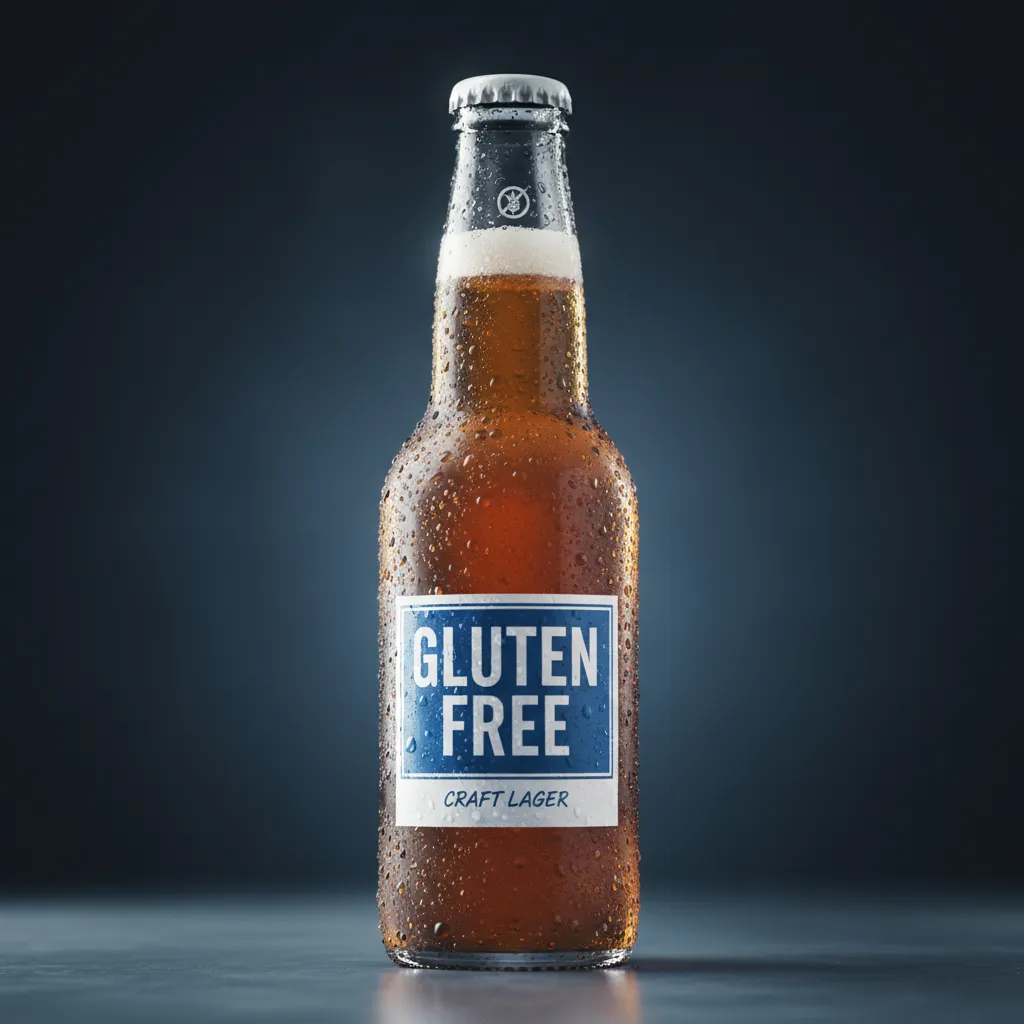
This is the most confusing category for many. In New Zealand and Australia, food standards (FSANZ) are stricter than in the USA or UK. To be labelled “Gluten Free” in NZ, a beer must contain no detectable gluten.
There are two main types of beer marketed to those avoiding gluten:
- Naturally Gluten Free Beer: These are brewed from grains that never contained gluten to begin with, such as sorghum, millet, buckwheat, rice, or corn. These are the safest option for Coeliacs. Brands often found in NZ include Scott’s Brewing Co. Gluten Free Pale Ale and Kereru options.
- Gluten-Reduced Beer: These are beers brewed from barley (containing gluten) that are treated with an enzyme (like Clarity Ferm) to break down the gluten protein. In some countries, these can be labelled gluten-free if they test below 20ppm. However, many Coeliacs still react to the fragmented protein chains. In NZ, these cannot typically be labelled “Gluten Free” if they are derived from barley, but you must be careful with imported beers that might follow different labelling laws.
Recommendation: Look for the “Crossed Grain” logo or clear “Gluten Free” text on NZ-brewed beers. If the ingredients list “Malted Barley,” proceed with extreme caution or avoidance, even if it claims to be low gluten.
Cider: The Naturally Safe Alternative?
Verdict: Mostly Yes, but check labels.
Cider is fermented from fruit juice (usually apples or pears) and is naturally gluten-free. It is a popular default choice for Coeliacs in New Zealand pubs.
The Risk: Some commercial ciders may use barley malt extract for flavor or coloring. Additionally, cider is often processed in facilities that also brew beer, leading to potential cross-contamination. Most major NZ cider brands (like Monteith’s Crushed Apple, Old Mout, or Orchard Thieves) are generally considered safe, but always read the allergen statement. If it says “Contains Gluten” or “May contain traces of gluten,” avoid it.
Spirits: Whiskey, Gin, and Vodka
Verdict: Pure spirits are safe; Flavoured spirits are risky.
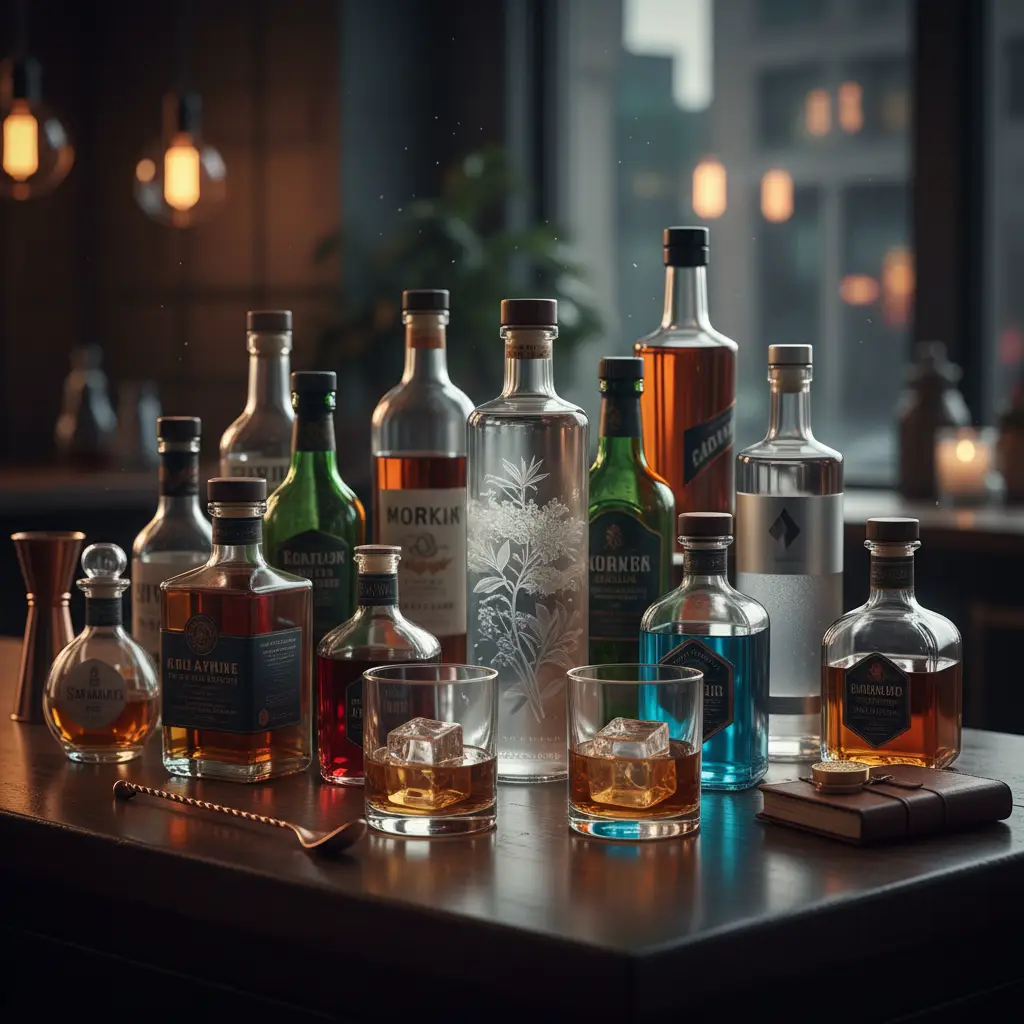
As established, the distillation process removes gluten proteins. Therefore, the base spirit is safe.
- Vodka: Safe, even if distilled from wheat.
- Gin: Safe.
- Whiskey / Scotch / Bourbon: Safe, even though they are made from barley mash.
- Rum: Safe (made from sugar cane).
- Tequila: Safe (made from agave).
- Brandy / Cognac: Safe (distilled from wine).
Crucial Exception: Once the spirit leaves the still, gluten can be added back in. Be wary of:
- Spiced Rums: Some flavourings may contain gluten.
- Flavoured Vodkas: “Cookie dough” or “Cake” flavours likely contain gluten.
- Liqueurs: Cream liqueurs and complex herbal liqueurs need individual checking.
RTDs and Pre-mixes: The Hidden Dangers
Ready-to-Drink (RTD) beverages are incredibly popular in New Zealand, but they are a high-risk category for Coeliacs. Unlike pure spirits, RTDs are mixed beverages that often use cheaper alcohol bases.
Many “dark” RTDs (bourbon and cola, whiskey and dry) are not mixed with pure spirit but are actually malt-based beverages. If the alcohol base is derived from malted barley fermentation rather than distillation, the drink contains gluten. Furthermore, the caramel colouring used in these mixers can sometimes be derived from wheat (though wheat glucose syrup is usually highly processed and safe, malt barley extract is not).
Rule of Thumb: Always check the box or can. If it says “Premium Spirit” or lists the spirit (e.g., “Vodka”) as the primary ingredient, it is likely safe. If it vaguely says “Alcohol” and contains “Malt,” it is unsafe. Seltzers (like Pals or White Claw) are generally gluten-free, but verification on the packaging is essential.
Navigating Kiwi Social Situations with Dietary Restrictions
Dealing with the physiological effects of gluten is one challenge; dealing with the social pressure is another. Here is how to handle social etiquette politely but firmly.
How to Politely Decline a Drink
You do not owe anyone a detailed medical history, but clarity helps. When offered a beer or a drink you are unsure of, a simple, direct refusal is best.
- “I’d love a drink, but I have Coeliac disease so I have to stick to specific gluten-free brands. I’ll grab a cider or a wine instead.”
- “Thanks, but beer doesn’t agree with me. I’m strictly on the G&T’s tonight.”
BYO Culture: Your Safety Net
The “Bring Your Own” (BYO) culture in NZ is a massive advantage for Coeliacs. Whether it is a house party or a BYO restaurant, bringing your own supply ensures you have 100% safe options. It eliminates the anxiety of arriving at a venue only to find they only stock lager. Bringing a 6-pack of premium gluten-free beer or a nice bottle of wine to share is a great way to participate socially without risk.
Cross-Contamination at the Bar
Even if you order a safe drink, the preparation matters. In a busy Kiwi pub:
- Cocktail Shakers: Ask the bartender to rinse the shaker if they have just made a drink containing beer or malt ingredients (rare, but possible).
- Garnishes: Watch out for cross-contamination in garnish trays where bread or other food items might be handled.
- Draft Lines: While cider on tap is usually safe, there is a minute risk if lines have been switched from beer to cider without proper cleaning. Bottled cider is always the safer bet if you are highly sensitive.

Frequently Asked Questions
Is Corona beer gluten free in NZ?
No, Corona is made from barley malt. While it tests very low in gluten (often under 20ppm) and some gluten-intolerant people tolerate it, it is not gluten-free and is not safe for those with Coeliac disease. It contains barley protein.
Is Baileys gluten free?
According to the manufacturer, Baileys Irish Cream is produced with ingredients that do not contain gluten, but they do not certify it as gluten-free. Coeliacs should proceed with caution or look for certified gluten-free cream liqueur alternatives.
Can Coeliacs drink whiskey?
Yes. Even whiskey made from barley malt is considered gluten-free because the distillation process removes the gluten protein. However, check that no flavourings or additives have been introduced after distillation.
Is gin gluten free?
Yes, pure gin is gluten-free. Most gin is distilled from grain (often wheat or barley), but the gluten is removed during distillation. Flavoured gins or gin liqueurs should be checked for additives.
Are RTDs like Pals gluten free?
Many modern seltzer-style RTDs like Pals are gluten-free and often label themselves as such. However, traditional dark spirit RTDs may be malt-based. Always check the packaging for the words “Gluten Free.”
What beers are gluten free in New Zealand?
Brands such as Scott’s Brewing Co., Kereru, and some international imports like Peroni Gluten Free (if stocked) offer safe options. Always look for the “Gluten Free” label rather than “Low Carb” or “Dry,” which are not indicators of gluten content.