
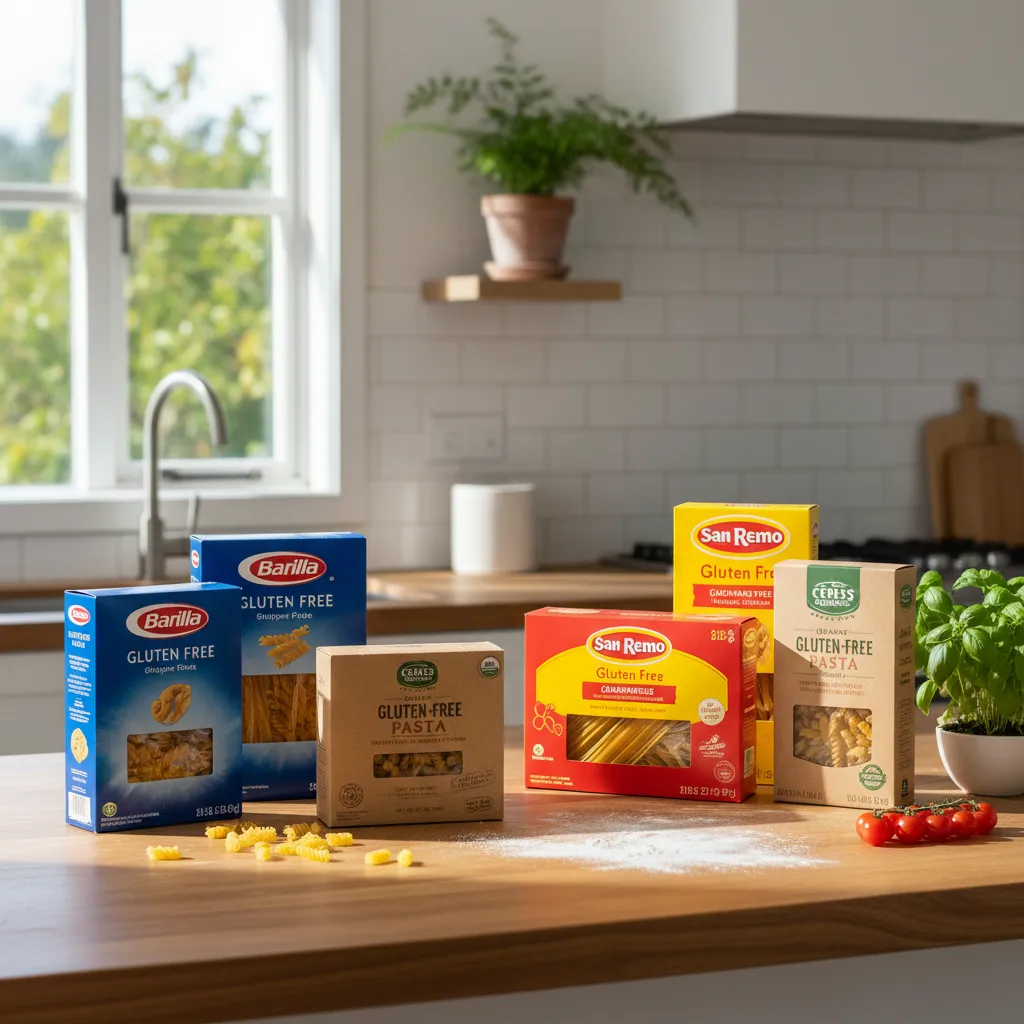
The top gluten-free pasta brands in NZ include Barilla for superior al dente texture, San Remo for budget-friendly family meals, and Ceres Organics for certified organic ingredients. Most supermarkets stock corn and rice blends which mimic wheat pasta best, while legume-based options from Explore Cuisine offer high-protein alternatives for health-conscious shoppers.
Finding the perfect gluten-free pasta is often a journey of trial and error. For those living with Coeliac disease or gluten sensitivity in New Zealand, the supermarket shelves have transformed significantly over the last decade. Gone are the days of gummy, dissolving noodles that turn into a paste the moment they hit boiling water. Today, Kiwis have access to sophisticated blends of corn, rice, quinoa, and pulses that rival traditional wheat pasta in both taste and texture.
Whether you are shopping at Woolworths (formerly Countdown), New World, or Pak’nSave, the variety can be overwhelming. This guide dissects the commercially available options to help you choose the right packet for your Bolognese, Carbonara, or pasta bake.
Understanding the Base: Corn vs. Rice vs. Pulse
Before evaluating specific brands, it is crucial to understand the chemistry of gluten-free pasta. The primary ingredient dictates the flavor profile, nutritional value, and, most importantly, the structural integrity during cooking.
Corn and Rice Blends
This is the most common formulation found in NZ supermarkets. Brands like Barilla and San Remo typically utilize a blend of yellow corn flour, white corn flour, and rice flour.
Pros: This combination offers the closest color and flavor match to durum wheat pasta. The corn provides structure and a pleasant yellow hue, while the rice softens the texture.
Cons: It is high in carbohydrates and generally lower in fiber compared to wholemeal or legume varieties. It requires precise cooking times to avoid becoming grainy.
Brown Rice Pasta
Often found in the health food aisle or organic section (brands like Ceres Organics), brown rice pasta is made from whole grains.
Pros: It is a whole grain option, offering slightly more fiber and a nuttier flavor profile that pairs well with hearty sauces.
Cons: The texture can be starchier, and the cooking water often becomes very thick. It is more prone to breaking if stirred too vigorously.
Pulse and Legume Pasta
Rising in popularity, brands like Explore Cuisine and San Remo’s ‘Pulse’ range use chickpea, lentil, or edamame flour.
Pros: These are nutritional powerhouses, often containing double the protein and triple the fiber of standard GF pasta. They are excellent for diabetics or those following a keto-adjacent diet.
Cons: The flavor is distinctively ‘earthy’ or ‘beany.’ The texture is often firmer and less springy (al dente) than grain-based pastas. They do not always appeal to children accustomed to white pasta.
Deep Dive: Top Brands Reviewed
We have analyzed the most prominent brands available across New Zealand supermarkets based on availability, price, and culinary performance.
1. Barilla Gluten Free
Verdict: The Textural King.
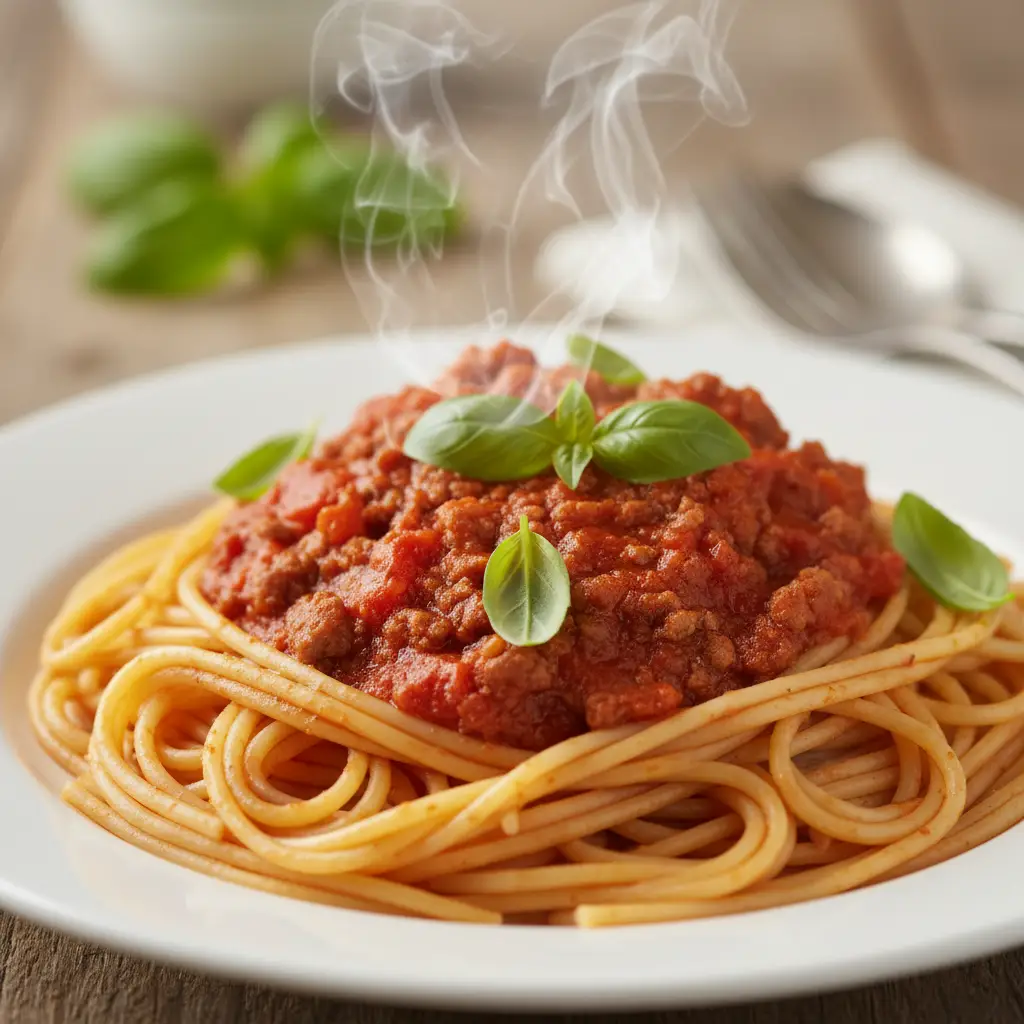
Barilla is widely regarded as the gold standard for mass-market gluten-free pasta. Made in Italy, it uses a precise blend of white corn, yellow corn, and rice. The standout feature of Barilla is its ability to withstand cooking. It maintains a true “al dente” bite that is often missing in GF alternatives. It releases less starch into the water, meaning the pasta doesn’t clump together as easily.
2. San Remo Gluten Free
Verdict: The Family Favorite.
San Remo is a staple in almost every Kiwi pantry. Their gluten-free range is extensive, covering shapes from spirals and penne to lasagna sheets and fettuccine. It is generally softer than Barilla once cooked, making it very popular with children. However, it requires a large volume of boiling water; otherwise, it can become slimy due to excess starch release. It is frequently on special, making it a cost-effective choice.
3. Ceres Organics
Verdict: The Clean Eater’s Choice.
Ceres Organics offers pastas typically made from quinoa and rice or 100% brown rice. These products are certified organic, appealing to those who want to avoid pesticides and GMOs. The texture is heavier and denser. It works exceptionally well in pasta salads where the pasta has time to cool and firm up. Hot, it can be a bit fragile, so gentle handling is required.
4. Diamond Gluten Free
Verdict: The Budget Contender.
Diamond is a heritage NZ brand. Their GF offering is decent but tends to be more brittle than the Italian imports. It is often the cheapest option on the shelf. It is best used in baked dishes (like macaroni cheese) where the sauce provides support and moisture, rather than tossed in a light olive oil sauce where its texture is exposed.
5. Explore Cuisine
Verdict: The Protein Powerhouse.
Found in the health food aisle of New World and Woolworths, these are not imitation pastas but rather legume alternatives. The Edamame Spaghetti and Chickpea Fusilli are standout products. While expensive, they are incredibly filling. A 50g serving of this is often as satiating as 100g of corn pasta due to the fiber content.
Texture Retention: Avoiding the Mush
The biggest complaint regarding gluten-free pasta in New Zealand is the texture. Without gluten (the protein binder), pasta relies on starch gelatinization to hold its shape. Here is how to ensure your chosen brand survives the pot.
The Water Volume Rule
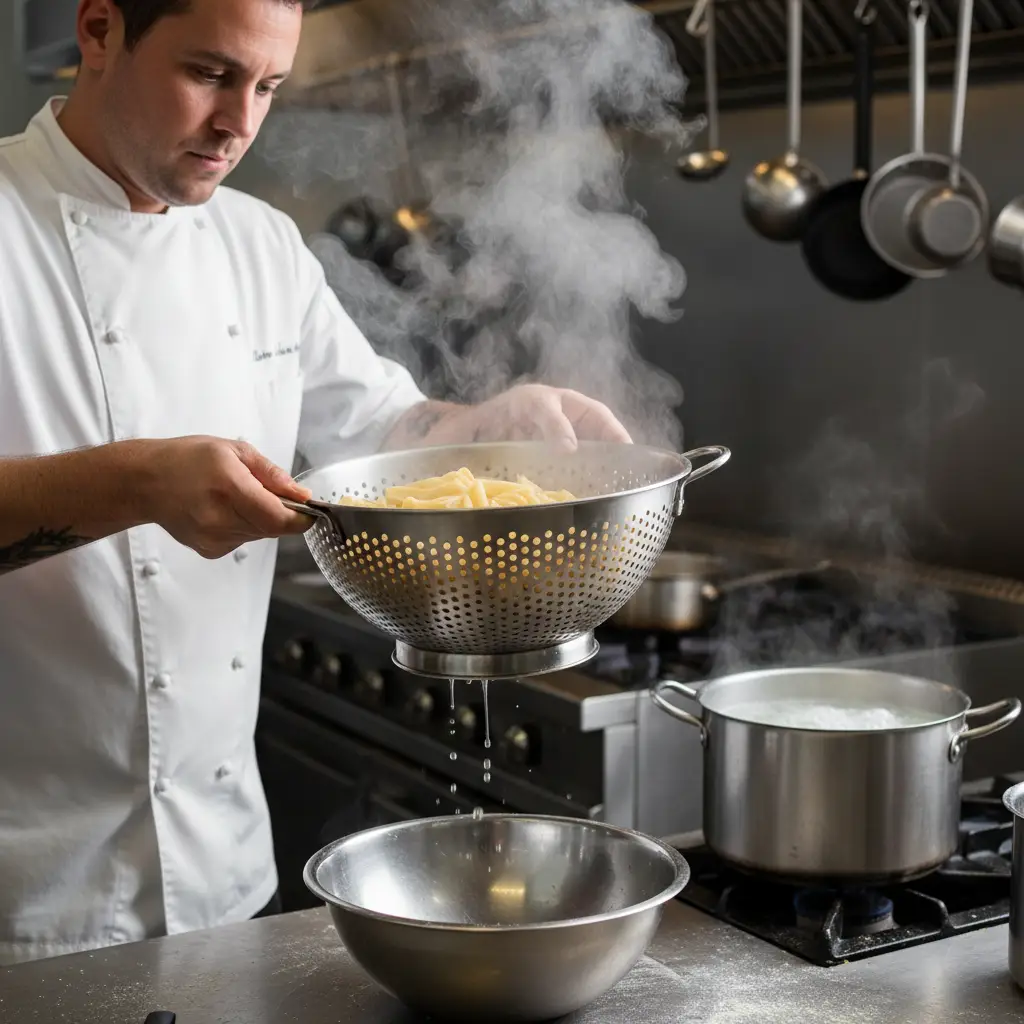
Gluten-free pasta releases significantly more starch into the water than wheat pasta. If you cook it in a small pot, the water becomes a thick, starchy glue, and the pasta will stick together. You must use a large stockpot with plenty of water to dilute the starch.
The Stirring Technique
Unlike wheat pasta, which you stir occasionally, GF pasta needs to be stirred immediately upon entering the water and frequently for the first two minutes. This prevents the initial starch burst from fusing the noodles together.
The Rinse Debate
Culinary tradition dictates you never rinse pasta. However, for gluten-free varieties—especially those made from brown rice—a quick rinse with warm water after draining can remove the excess surface gumminess. If you are serving it hot with sauce, skip the rinse but toss it with the sauce immediately. If making a pasta salad, always rinse with cold water to stop the cooking process and remove starch.
Best Shapes for Different Sauces
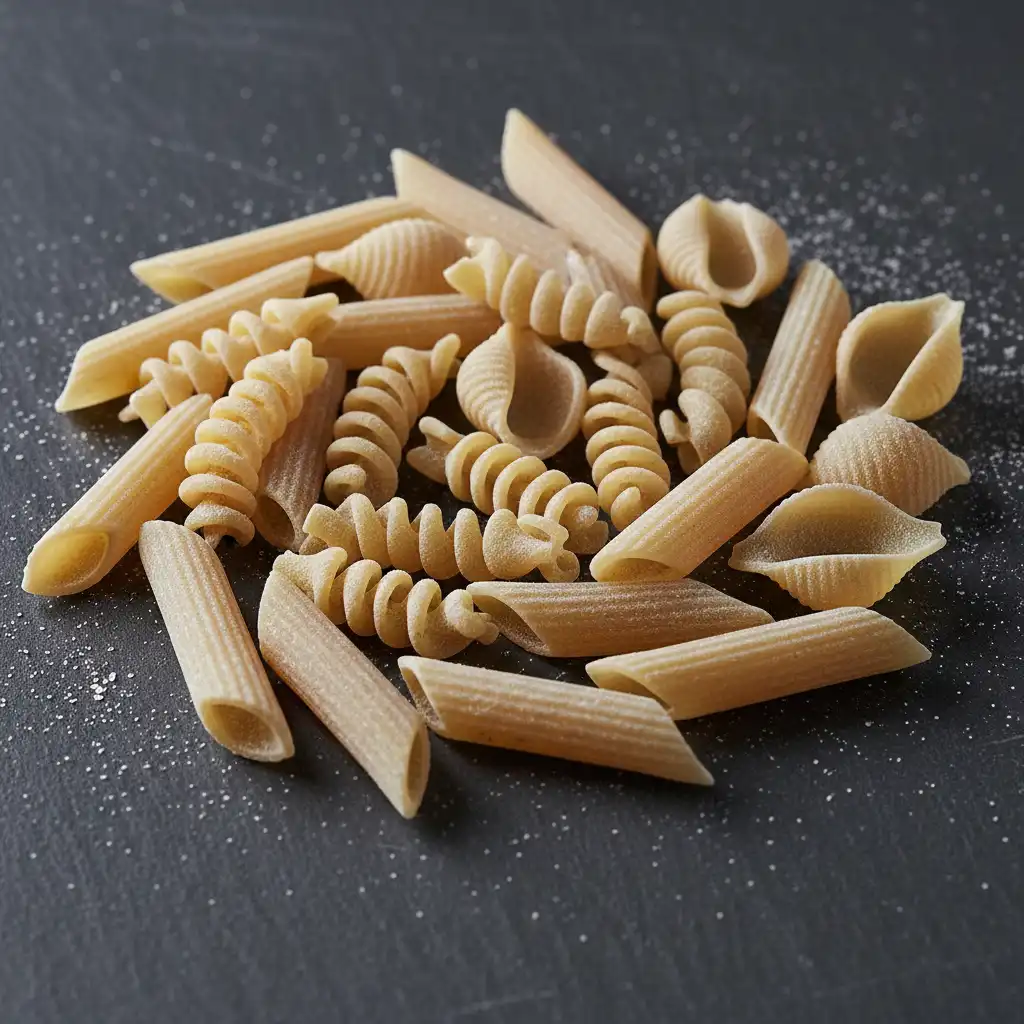
In the gluten-free world, the shape of the pasta dictates its structural integrity more than in wheat pasta. Some shapes are inherently more stable.
Penne and Rigatoni
Best for: Chunky meat sauces and vegetable bakes.
The cylinder shape is structurally sound. Corn/Rice blends in penne form hold up well to baking. Brands like San Remo produce a robust penne that doesn’t collapse under the weight of a heavy Bolognese.
Spirals (Fusilli)
Best for: Pesto and creamy sauces.
Spirals have a large surface area to catch sauce. In the GF world, the tight coil of the spiral adds density, making it less likely to break than long strands. This is the safest shape for beginners to cook.
Spaghetti and Fettuccine
Best for: Carbonara and oil-based sauces.
Long strands are the most fragile. They require a large pot to cook without breaking. Barilla Spaghetti n.5 is famous for maintaining its long strand integrity without snapping into small pieces, a common issue with cheaper rice pastas.
Value for Money Analysis
Living gluten-free in New Zealand is expensive. A standard packet of wheat pasta costs between $1.00 and $2.00, while GF alternatives range from $3.50 to $8.00.
- Premium Tier ($6.00 – $9.00): Explore Cuisine, specialty artisan imports. These offer high nutritional density (protein/fiber), meaning you eat less per serving.
- Mid-Range Tier ($4.00 – $5.50): Barilla, Ceres Organics. You are paying for consistency and texture. For an Italian dinner party, the extra dollar for Barilla is worth the investment to ensure the meal isn’t ruined by mushy pasta.
- Budget Tier ($2.50 – $3.80): San Remo, Diamond, Supermarket Private Labels (Free From/Macro). These are excellent for everyday family meals, especially when the pasta is mixed with other ingredients in a bake or casserole.
People Also Ask
Which gluten-free pasta tastes most like real pasta?
Barilla Gluten Free is widely considered to taste the most like real wheat pasta. Its blend of white and yellow corn with rice flour mimics the flavor and ‘al dente’ bite of traditional durum wheat semolina more closely than pure rice or legume options.
Is San Remo gluten-free pasta good?
Yes, San Remo is a very good option, particularly for families. It offers great value for money and a wide variety of shapes. While it can be slightly starchier than premium Italian brands, it cooks well and is readily available in almost all NZ supermarkets.
Why does my gluten-free pasta fall apart?
Gluten-free pasta falls apart usually because it has been overcooked or cooked in too little water. Without gluten to bind it, the structure is fragile. Always set a timer for 1-2 minutes less than the packet instructions and taste-test frequently.
Is gluten-free pasta healthier than regular pasta?
Not necessarily. Standard corn/rice gluten-free pasta has a similar carbohydrate and calorie profile to wheat pasta but often contains less fiber and protein. However, legume-based GF pastas (chickpea, lentil) are healthier due to higher protein and fiber content.
Can you reheat gluten-free pasta?
Reheating gluten-free pasta can be difficult as it tends to dry out and harden. The best method is to reheat it in a sauce on the stovetop, adding a splash of water to rehydrate the noodles. Microwaving often leads to a rubbery texture.
Where can I buy gluten-free pasta in NZ?
You can buy gluten-free pasta at all major NZ supermarkets including Woolworths (Countdown), New World, and Pak’nSave. Specialty health food stores like Huckleberry or Bin Inn also stock wider ranges of organic and legume-based varieties.