
Parenting a child with celiac disease involves strictly managing a gluten-free diet to prevent autoimmune damage while fostering social inclusion and self-advocacy. It requires navigating school accommodations like 504 plans, ensuring safety at social events, and teaching children how to identify unsafe ingredients to maintain their long-term health and emotional well-being.
Receiving a celiac disease diagnosis for your child marks the beginning of a significant lifestyle shift for the entire family. It is not merely a dietary change; it is a transition into a new way of navigating the world, from reading microscopic labels at the grocery store to having difficult conversations with school administrators. While the learning curve can feel steep, parenting a child with celiac disease becomes manageable with the right strategies, turning a medical restriction into an opportunity to teach resilience and self-care.
What is Celiac Disease in the Context of Child Development?
Celiac disease is a serious genetic autoimmune disorder where the ingestion of gluten leads to damage in the small intestine. Unlike a food intolerance or a simple allergy, even microscopic amounts of gluten—a protein found in wheat, rye, and barley—can trigger an immune response that attacks the villi in the small lining of the gut. For children, this damage is particularly critical because the villi are responsible for nutrient absorption.
When a child cannot absorb nutrients effectively, it can lead to failure to thrive, delayed puberty, short stature, and dental enamel defects, in addition to the classic gastrointestinal symptoms. However, many children present with “silent” or non-classical symptoms, such as irritability, brain fog, fatigue, or skin rashes like dermatitis herpetiformis. Understanding that this is a systemic autoimmune condition, rather than just a “stomach ache,” is the foundation of effective parenting in this niche. It underscores the necessity of strict adherence to a gluten-free diet, not just for symptom management, but for long-term growth and development.
How Do I Handle School Accommodations and 504 Plans?
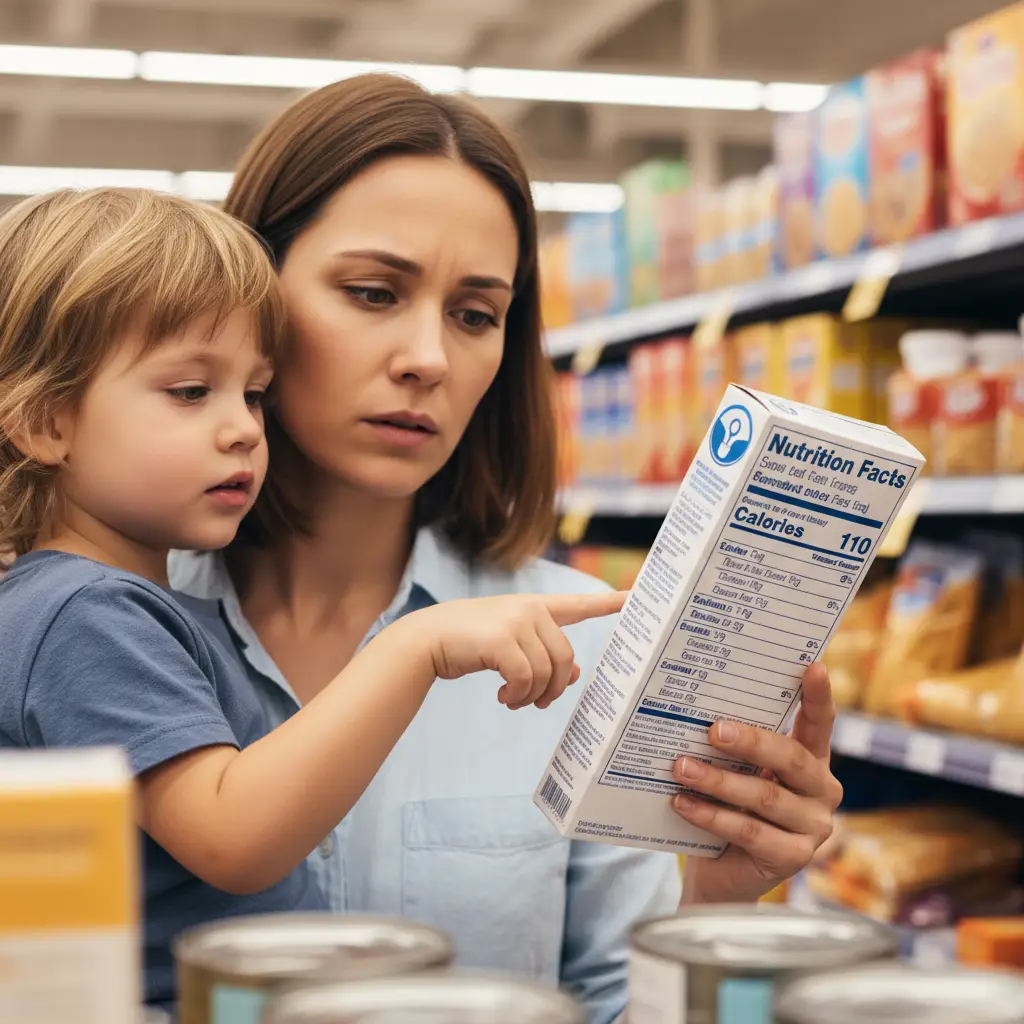
One of the most daunting aspects of parenting a child with celiac disease is sending them into an environment you cannot control: school. In the United States, celiac disease is considered a disability under the Americans with Disabilities Act (ADA). This qualifies your child for a Section 504 Plan, a legally binding document that outlines specific accommodations to ensure your child can safely access education.
Why is a 504 Plan Necessary?
While an informal agreement with a kind teacher is helpful, it is not durable. Teachers change, substitutes arrive, and miscommunications happen. A 504 plan formalizes protocols. Key accommodations often include:
- bathroom access: Unlimited access to the restroom without penalty, which is crucial if accidental gluten ingestion occurs.
- Classroom Supplies: Ensuring art supplies (like playdough or pasta for crafts) are gluten-free or that an alternative is provided.
- Notification of Events: Requiring strict lead time (e.g., 48 hours) for parents to be notified of classroom celebrations involving food so a safe alternative can be sent.
- Cross-Contact Prevention: Protocols for cleaning desks before eating and designated gluten-free storage areas in the classroom.
Safe School Lunches: Pack or Buy?
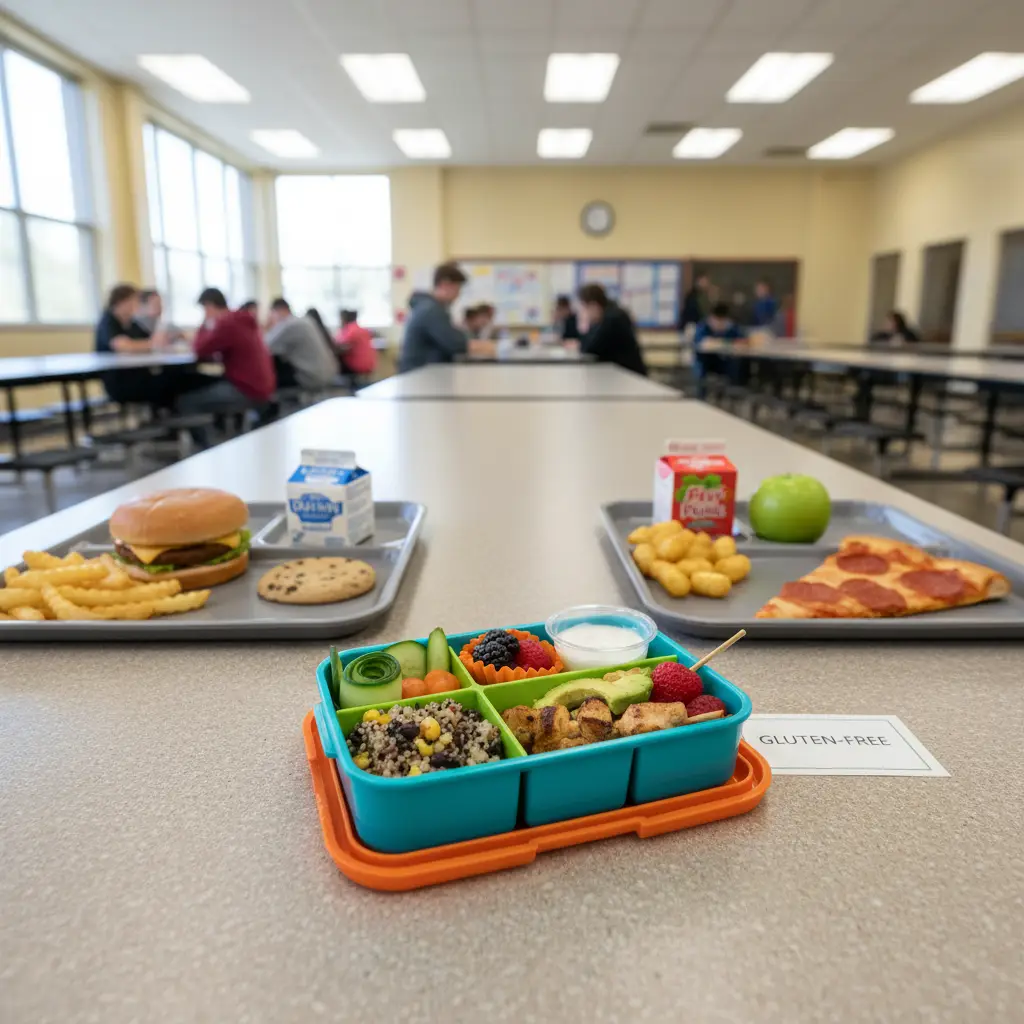
Deciding whether to pack lunch or rely on the cafeteria is a major decision. While many schools offer “gluten-free” options, the risk of cross-contact in a high-volume cafeteria kitchen is significant. Tongs used for wheat buns might touch a gluten-free patty, or a prep surface might not be wiped down effectively.
For many parents, packing lunch provides the highest peace of mind. Investing in a high-quality bento box or thermos allows you to send hot and cold safe foods. If you choose to utilize school lunches, schedule a meeting with the district’s nutrition director and the head of the cafeteria staff. Ask to see the ingredient labels of the products they use and observe their preparation process. Do they change gloves? Do they use a separate oven or baking sheet?
How Can We Manage Birthday Parties Without Exclusion?
Social isolation is a significant risk for children with dietary restrictions. Birthday parties, which almost invariably center around pizza and cake, can be emotional minefields. The goal is to ensure your child feels included rather than “othered” by their condition.
The “Cupcake Strategy”
The most common approach is the “bring your own treat” method. Keep a stash of frozen, high-quality gluten-free cupcakes or cookies ready. When a party arises, defrost one and send it with your child. To make this successful, communication is key. Contact the host parent well in advance—not to demand they cater to your child, but to inform them of the safety plan.
Say something like: “My child has celiac disease and has to eat strictly gluten-free. I don’t want you to worry about feeding him, so I will be sending his own safe pizza and cupcake. He knows not to eat the other food. I just wanted to let you know so you aren’t surprised!”
Most parents are relieved to be off the hook. Occasionally, a host may insist on buying gluten-free food. While the gesture is kind, proceed with caution. Unless the host is familiar with cross-contact (e.g., cutting a gluten-free cake with a knife used on a regular cake), it is safer to politely decline and stick to your own supply.
How Do I Teach My Child Self-Advocacy?
You cannot be with your child 24/7. Eventually, they will be offered a cookie on the bus or a snack at a friend’s house. Teaching self-advocacy is a gradual process that shifts responsibility from parent to child as they mature.
Preschool to Early Elementary
At this age, the rule is simple: “Ask Mom or Dad first.” Create a clear narrative: “This food makes your tummy hurt, so we only eat food from our special box.” Role-play scenarios at home. Pretend to be a teacher offering a cracker and have your child practice saying, “No thank you, I have celiac.”
Late Elementary to Middle School
This is the transition phase. Teach your child to read labels. Start with the basics: looking for the “Certified Gluten-Free” seal or reading the “Contains” statement for wheat. Empower them to ask questions at restaurants, such as, “Are the fries cooked in a shared fryer?”
It is vital to validate their feelings during this stage. They may feel embarrassed or annoyed by their restriction. Listen to their frustrations without immediately trying to fix them. Acknowledging that “it sucks to not eat the donuts” helps them process the emotion rather than hiding it.

What Should I Do If My Child Cheats on Their Diet?
Discovering that your child has knowingly eaten gluten can be terrifying and infuriating for a parent. However, how you react to “cheating” can define your child’s future relationship with food and their disease.
Understanding the “Why”
Children rarely cheat because they don’t believe they will get sick; they cheat because they want to be normal. Peer pressure, curiosity about taste, or frustration with limited options are powerful motivators. In teenagers, rebellion against authority often manifests as non-compliance with medical regimens.
The Non-Punitive Approach
Avoid shaming or punishing the child. If they get sick, be compassionate. While you are caring for them, gently discuss the link between the action and the consequence. “I know you wanted that pizza, and I’m sorry you are in so much pain now. This is what gluten does to your body.”
If they do not get immediate symptoms (asymptomatic celiac), the conversation is harder but even more necessary. Use analogies appropriate for their age. For a younger child, you might say, “Gluten puts scratches on the inside of your tummy so it can’t grab the vitamins you need to grow tall.” For teens, focus on long-term goals like athletic performance or height.
Setting Up a Gluten-Free Kitchen
The home should be the one place where your child does not have to worry. Many families choose to go 100% gluten-free to eliminate the risk of cross-contact. If this isn’t feasible, a “shared but segregated” kitchen is required.
Critical Steps for Shared Kitchens
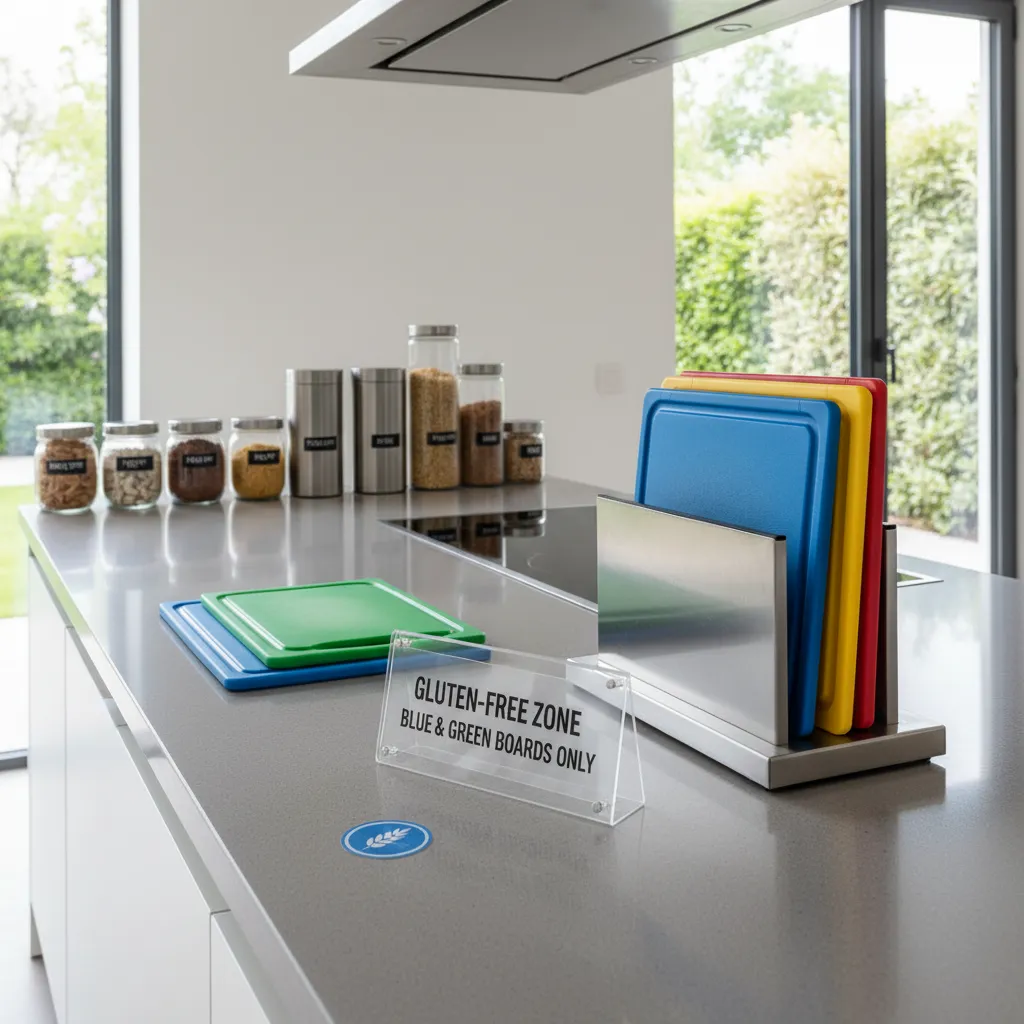
- Color Coding: Use specific colored stickers or tools (e.g., green for gluten-free, red for gluten) for colanders, cutting boards, and toasters.
- Top Shelf Rule: Always store gluten-free foods on the top shelves of the pantry and refrigerator. Gravity causes crumbs to fall; you don’t want wheat crumbs falling into the gluten-free flour.
- Replace Porous Items: Wooden spoons, non-stick pans with scratches, and plastic cutting boards can harbor gluten. Replace these with designated gluten-free equipment or switch to stainless steel and glass, which can be fully sanitized.
- No Double Dipping: Condiments like peanut butter, jelly, and butter are high-risk zones. Squeeze bottles are your best friend. If using jars, establish a strict “no double dipping” rule or buy separate jars for the child with celiac disease.
Conclusion: Empowering Your Child
Parenting a child with celiac disease is a journey of vigilance, advocacy, and education. While the medical requirements are strict, the ultimate goal is to raise a child who is confident, healthy, and capable of navigating the world independently. By establishing strong foundations at home, securing necessary accommodations at school, and fostering open communication about social challenges, you provide your child with the tools they need to thrive. Remember, you are not just managing a diet; you are teaching a lifestyle of self-respect and health awareness that will serve them for the rest of their lives.
People Also Ask
Can a child outgrow celiac disease?
No, celiac disease is a lifelong autoimmune condition. Unlike some childhood food allergies (like milk or egg allergies) that children may outgrow, celiac disease requires a strict gluten-free diet for life to prevent intestinal damage and associated health complications.
How do I explain celiac disease to my child’s friends?
Keep it simple and focus on safety rather than fear. You can say, “[Child’s Name] has a condition called celiac disease. It means that if they eat wheat, rye, or barley, it makes them very sick and hurts their tummy. That’s why they bring their own special yummy snacks to parties!”
Is playdough safe for kids with celiac disease?
Standard commercial playdough is made with wheat flour and poses a risk if the child puts their hands in their mouth after playing or if the dough gets under their fingernails. It is recommended to send gluten-free playdough to school or ask the teacher to use gluten-free brands for the whole class.
What are the hidden sources of gluten for children?
Common hidden sources include licorice, soy sauce, modified food starch, medications, vitamins (check the fillers), communion wafers, and even some adhesive stamps or envelopes. Always verify that non-food items like lip balms and art supplies are also gluten-free.
How often should a child with celiac disease be monitored by a doctor?
Typically, pediatric gastroenterologists recommend follow-up appointments 3 to 6 months after diagnosis, and then annually thereafter. These visits usually involve blood work to check antibody levels (tTG-IgA) to ensure the diet is working and to screen for nutritional deficiencies.
Can my child with celiac disease eat oats?
Regular oats are often cross-contaminated with wheat during growing or processing. However, many children can tolerate “purity protocol” or certified gluten-free oats. Doctors usually recommend waiting until antibody levels have normalized before introducing gluten-free oats into the diet.