
Coeliac New Zealand refers to the comprehensive support network, strict food safety standards, and lifestyle resources available for individuals with coeliac disease living in or visiting New Zealand. It encompasses the advocacy of the Coeliac NZ organization, the country’s rigorous FSANZ gluten-free labeling laws, and a dedicated community ensuring safe dining and travel experiences.
Welcome to the Coeliac NZ Authority
New Zealand is frequently cited as one of the safest and most accommodating destinations in the world for individuals living with coeliac disease. However, navigating a strict gluten-free diet requires more than just goodwill; it requires accurate information, an understanding of local regulations, and access to a supportive community. Whether you are a lifelong Kiwi adjusting to a new diagnosis or an international traveler planning a dream holiday, understanding the Coeliac New Zealand landscape is essential for your health and peace of mind.
Living with coeliac disease in Aotearoa means engaging with a unique food environment. Unlike many other jurisdictions, New Zealand shares a food standards code with Australia (FSANZ) that enforces some of the strictest definition of “gluten-free” globally. This regulatory environment, combined with the tireless advocacy of the Coeliac New Zealand non-profit organization, creates a framework where safety is prioritized. This guide serves as your central authority on mastering the gluten-free lifestyle in New Zealand, from the rugged trails of the South Island to the bustling cafes of Auckland.

Latest Travel Guides for Gluten-Free Explorers
Traveling through New Zealand is a bucket-list experience, but for coeliacs, the fear of cross-contamination can often overshadow the adventure. The key to a successful trip lies in preparation and understanding the logistics of food availability in remote areas.
Campervan Cooking and Self-Catering
One of the most popular ways to see New Zealand is by campervan. For a coeliac traveler, this is also one of the safest options. Renting a vehicle with a kitchenette allows you to control your food environment entirely. When picking up a rental, it is advisable to wipe down all surfaces and cutlery before use, as previous renters may have prepared gluten-containing meals. Many travelers choose to bring a dedicated gluten-free toaster bag or a cheap frying pan to ensure absolute safety.
Supermarket Survival Guide
New Zealand is serviced by three main supermarket chains: New World, Countdown (Woolworths), and Pak’nSave. All three carry extensive ranges of gluten-free products.
- New World: Generally offers a premium selection with many imported gluten-free specialty goods and high-end local artisan brands.
- Countdown: Features a dedicated “Health Food” aisle where most shelf-stable gluten-free items are located. They also have a “Free From” home brand that is reliable and affordable.
- Pak’nSave: The budget option. While the range might be slightly smaller, the staples (pasta, bread, flour) are readily available at lower prices.
When traveling to remote locations—such as Milford Sound or deep into the West Coast—stock up on supplies in major hubs like Christchurch, Queenstown, or Nelson. Rural Four Square convenience stores will have basics, but variety will be limited.
Understanding NZ Labeling Laws
To navigate Coeliac New Zealand safely, you must master the Food Standards Australia New Zealand (FSANZ) code. This is often a point of confusion for visitors from the US, UK, or Europe, as the standards here are significantly stricter.
What Does “Gluten Free” Mean in NZ?
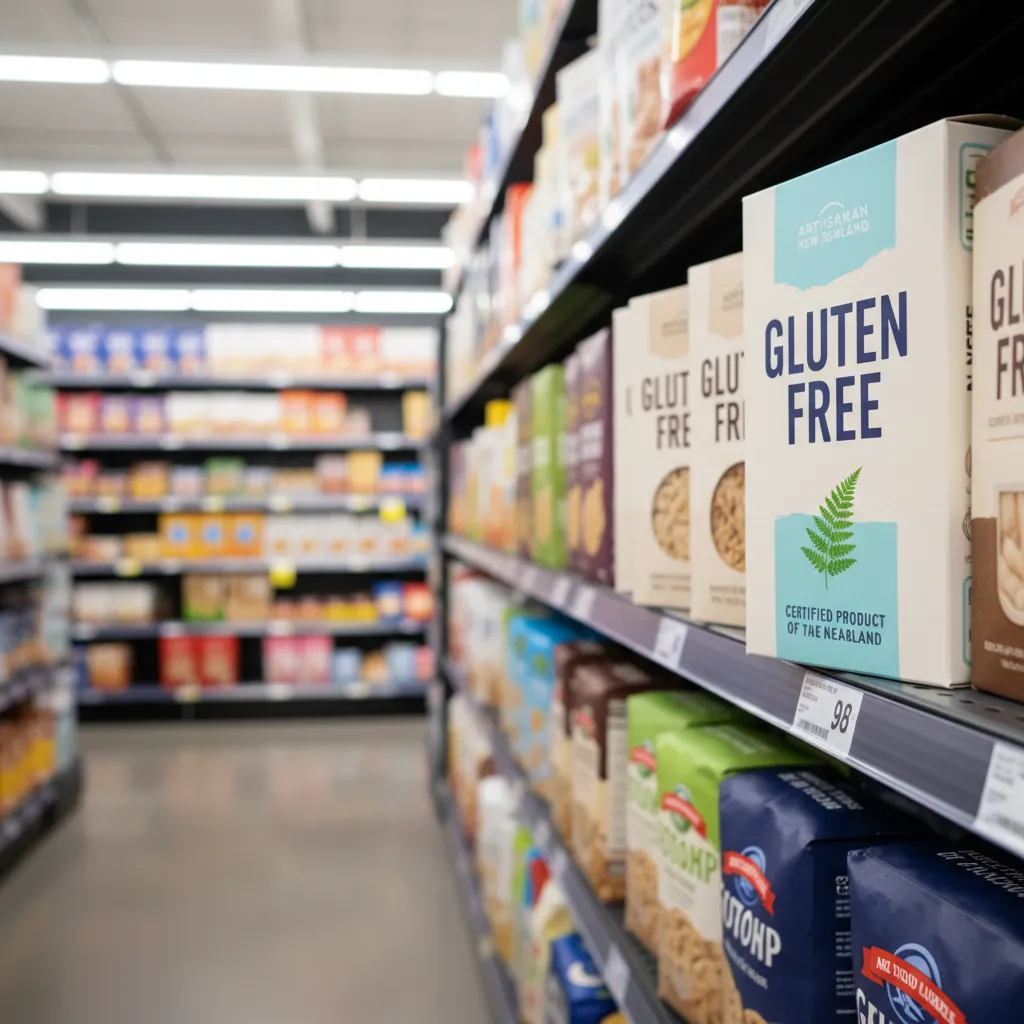
In New Zealand, for a product to be labeled “Gluten Free,” it must contain no detectable gluten. This is different from the Codex Alimentarius standard used in Europe and the USA, which allows up to 20 parts per million (ppm) of gluten. Consequently, products you might eat safely overseas might not be labeled gluten-free in New Zealand because they test between 3ppm and 20ppm. If you see the “Gluten Free” label in NZ, it is the gold standard of safety.
The “May Contain” Warning
Allergen declarations are mandatory. If wheat, rye, barley, or oats are present as an ingredient, they must be declared in bold. However, the precautionary allergen labeling (PAL)—such as “May contain traces of gluten”—is voluntary but widely used. As a strict rule for coeliacs: never ignore a “may contain” statement. Even if the ingredients list looks safe, this warning implies that the manufacturing line is shared and not cleaned to a standard that guarantees no cross-contamination.
Dining Out Resources & The DOP
Dining out remains the biggest challenge for the coeliac community. Fear of accidental glutening can lead to social isolation. However, New Zealand’s hospitality industry is becoming increasingly educated on allergen management.
The Dining Out Programme (DOP)
Coeliac New Zealand (the organization) manages the Dining Out Programme. This is an accreditation system where venues are audited and staff are trained on coeliac-safe practices. When you see the Coeliac NZ accreditation logo on a restaurant window or menu, it signifies that the venue understands the difference between “lifestyle gluten-free” and coeliac disease.
Accredited venues have protocols for:
- Storage: Segregating gluten-free ingredients in sealed containers.
- Preparation: Using dedicated chopping boards, knives, and utensils.
- Cooking: Ensuring dedicated fryers (a critical failure point in many non-accredited venues) and clean water for boiling pasta.

How to Order Safely in Non-Accredited Venues
Not every safe restaurant is accredited. When dining at a standard venue, use the following checklist to vet the kitchen:
- Identify yourself immediately: State, “I have coeliac disease,” rather than “I am gluten-free.” This medical terminology often triggers a more serious response from staff.
- Ask about the fryer: “Is the gluten-free food cooked in the same oil as crumbed items?” If the answer is yes, the chips/fries are not safe.
- Check the toaster: “Do you use a separate toaster or clean grill for gluten-free bread?”
- Sauces and marinades: Ask the chef to double-check soy sauces and thickeners, which are common hidden sources of gluten.
Kiwi Gluten-Free Recipes
Part of the Coeliac New Zealand lifestyle is enjoying the local cuisine without compromise. Many iconic Kiwi dishes can be easily adapted.
The Great Gluten-Free Pavlova
The Pavlova is the quintessential New Zealand dessert. Fortunately, it is naturally gluten-free, consisting of egg whites and sugar. However, cross-contamination can occur if cornflour (cornstarch) used for stabilizing has been processed on shared lines. Always use a certified gluten-free cornflour. To ensure the marshmallow center remains soft and the shell crisp, add a teaspoon of white vinegar to the meringue mixture.
Savoury Pies without the Wheat
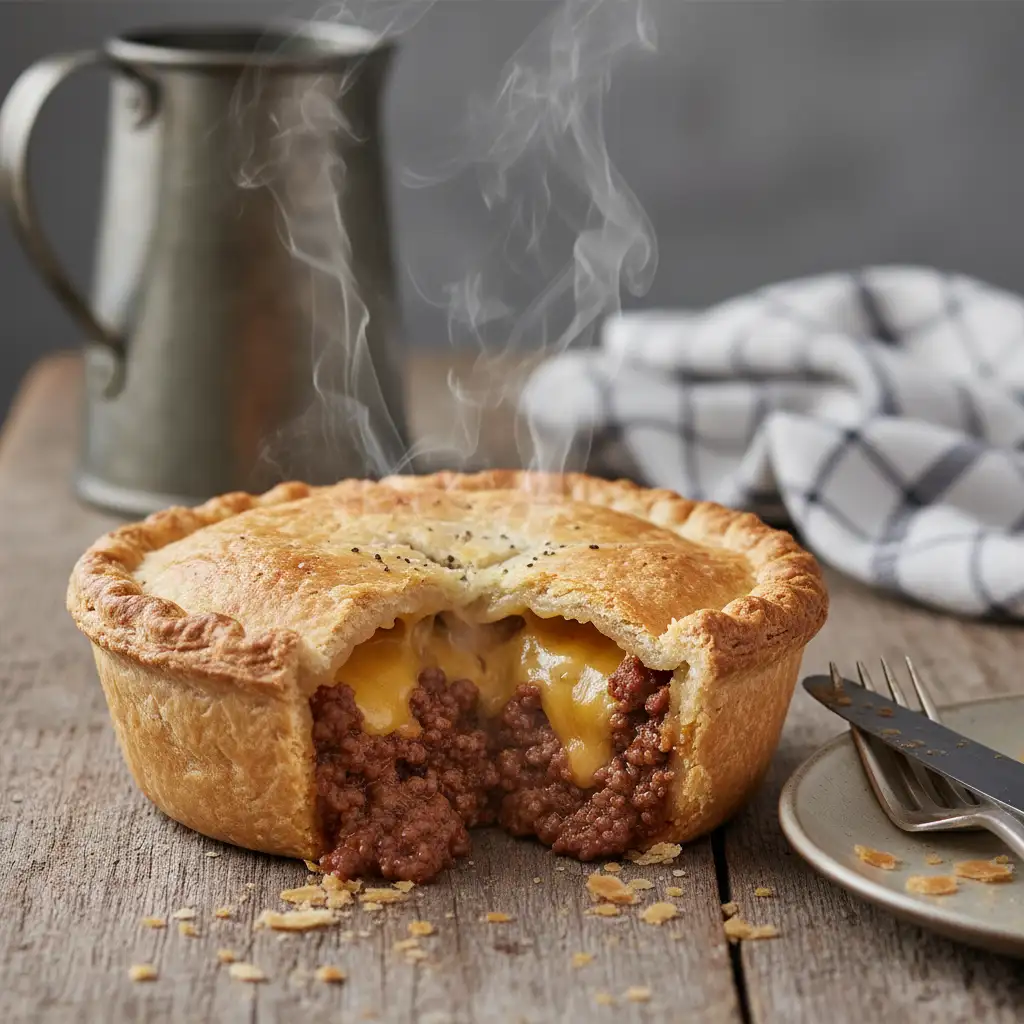
The meat pie is a staple of NZ culture. For coeliacs, the traditional bakery is a no-go zone. However, making GF pastry has become easier with high-quality premixed flours available at supermarkets (such as Edmonds GF flour). A classic mince and cheese pie can be made using a gluten-free shortcrust base and a flaky puff pastry top (store-bought GF puff pastry is widely available in freezer sections).
Pro Tip: When using gluten-free flour for baking, xanthan gum is your best friend. It replicates the elasticity of gluten. Most commercial blends include it, but adding a pinch more can help structural integrity for pies.
New Diagnosis Support
Receiving a diagnosis of coeliac disease can be overwhelming. In New Zealand, the pathway typically involves a blood test (tTG-IgA) followed by a gastroscopy for confirmation. It is vital that you do not stop eating gluten before your medical tests are complete, or you risk a false negative result.
Joining Coeliac New Zealand
The Coeliac New Zealand organization is the primary support body. Membership provides access to a “Crossed Grain” magazine, starter packs, and access to the safe food product directory. This directory is invaluable for newly diagnosed individuals who are learning to read labels. They also offer a helpline and local support groups where you can meet others navigating the same lifestyle.
Navigating the Health System
Once diagnosed, you may be eligible for prescriptions. In New Zealand, Pharmac subsidizes certain gluten-free staple foods (like pasta, bread mixes, and flour) for people with a biopsy-confirmed diagnosis of coeliac disease. You will need to visit your GP to set up these prescriptions, which can significantly reduce the weekly grocery bill, as gluten-free products often carry a high price premium.
Frequently Asked Questions
Is New Zealand good for gluten-free travelers?
Yes, New Zealand is excellent for gluten-free travelers due to strict labeling laws (FSANZ) which define gluten-free as “no detectable gluten,” unlike the 20ppm standard used elsewhere. Supermarkets have extensive ranges, and awareness in the hospitality industry is generally high.
What is the Coeliac New Zealand Dining Out Programme?
The Dining Out Programme is an accreditation initiative run by the Coeliac NZ organization. It audits restaurants and cafes to ensure they follow strict protocols regarding ingredient storage, food preparation, and cross-contamination prevention, providing a safe environment for coeliacs.
Can I get gluten-free food on prescription in NZ?
Yes, New Zealand residents with a biopsy-confirmed diagnosis of coeliac disease are eligible for subsidized gluten-free products through Pharmac. This includes flour, bread mixes, pasta, and baking powder, which can be prescribed by a GP.
Are McDonald’s fries gluten-free in New Zealand?
Generally, McDonald’s fries in New Zealand are made from potatoes and are gluten-free ingredients-wise. However, they are often cooked in shared fryers with crumbed items (like nuggets or McChicken patties), posing a high risk of cross-contamination. Always check with the specific branch regarding their fryer setup.
What alcohol is gluten-free in New Zealand?
New Zealand is famous for its wine, which is naturally gluten-free. Cider is also widely available and usually gluten-free (check labels). Most beers contain gluten, but NZ has a thriving craft beer scene with many breweries producing excellent gluten-free beers made from sorghum, millet, or rice.
Does “Low Gluten” mean safe for Coeliacs in NZ?
No. “Low Gluten” indicates the product has low levels of gluten (often under 200ppm) but is not suitable for people with coeliac disease. Coeliacs should only consume products strictly labeled as “Gluten Free.”