
Coeliac NZ accredited restaurants are dining establishments that have successfully completed the rigorous Dining Out Programme certification. These venues adhere to strict gluten-free food safety protocols, including specialized staff training, ingredient sourcing audits, and dedicated preparation areas to eliminate cross-contamination risks, providing a trusted dining environment for individuals with coeliac disease.
For individuals living with coeliac disease, the simple act of dining out can often feel like navigating a minefield. The fear of accidental gluten ingestion—and the severe health consequences that follow—transforms a social occasion into a source of anxiety. This is where the Coeliac NZ Dining Out Programme steps in as a vital resource.
New Zealand has established itself as a leader in food safety standards, and the Coeliac New Zealand accreditation is the gold standard for gluten-free dining. By identifying Coeliac NZ accredited restaurants, diners can reclaim the joy of eating out with confidence, knowing that the kitchen staff understands the critical difference between a lifestyle choice and a serious autoimmune condition.
What is the Coeliac NZ Dining Out Programme?
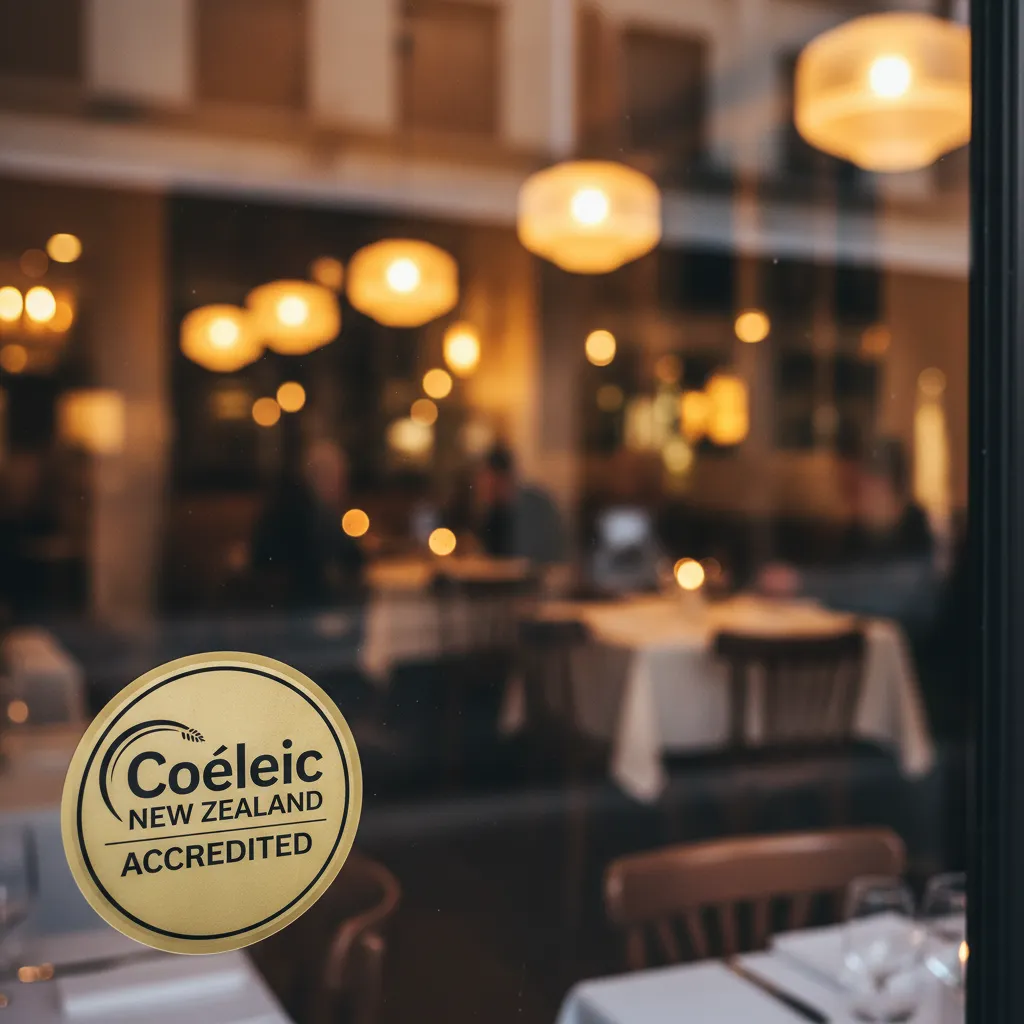
The Coeliac NZ Dining Out Programme is an initiative designed to bridge the gap between the hospitality industry and the gluten-free consumer. It is not merely a marketing label; it is a comprehensive food safety system. When you see the accreditation logo on a restaurant’s door, menu, or website, it signifies that the business has entered a formal partnership with Coeliac New Zealand to ensure the safety of their gluten-free customers.
Unlike a standard “gluten-free friendly” claim, which might simply mean a dish lacks gluten-containing ingredients but is prepared in a shared environment, accreditation guarantees a systemic approach to safety. The programme was developed in consultation with food safety experts and hospitality professionals to ensure it is practical yet rigorous.
What does the accreditation logo actually mean?
The logo serves as a seal of trust. It indicates that the venue has passed an independent audit and adheres to the strict standards set by Coeliac New Zealand. Specifically, it means:
- Ingredient Verification: Every ingredient used in gluten-free dishes has been vetted to ensure it contains no hidden gluten.
- Process Control: The kitchen has established workflows to prevent cross-contamination during storage, preparation, and cooking.
- Staff Awareness: From the head chef to the front-of-house waitstaff, the team understands the severity of coeliac disease.
What Training Do Accredited Venues Undergo?
To become one of the Coeliac NZ accredited restaurants, a venue must do more than just pay a fee. They must demonstrate competency. The training requirements are extensive and cover every aspect of the food handling lifecycle.
The Online and Practical Training Modules
Key staff members are required to complete comprehensive training modules. These modules cover:
- Understanding Coeliac Disease: Staff learn the medical necessity of the diet, debunking the myth that it is a fad. They learn about the symptoms of gluten exposure and the long-term health risks for coeliacs.
- Sourcing and Storage: Training on how to read labels correctly to identify hidden gluten (such as in soy sauce, stocks, or marinades) and how to store gluten-free items above gluten-containing items to prevent crumb fall.
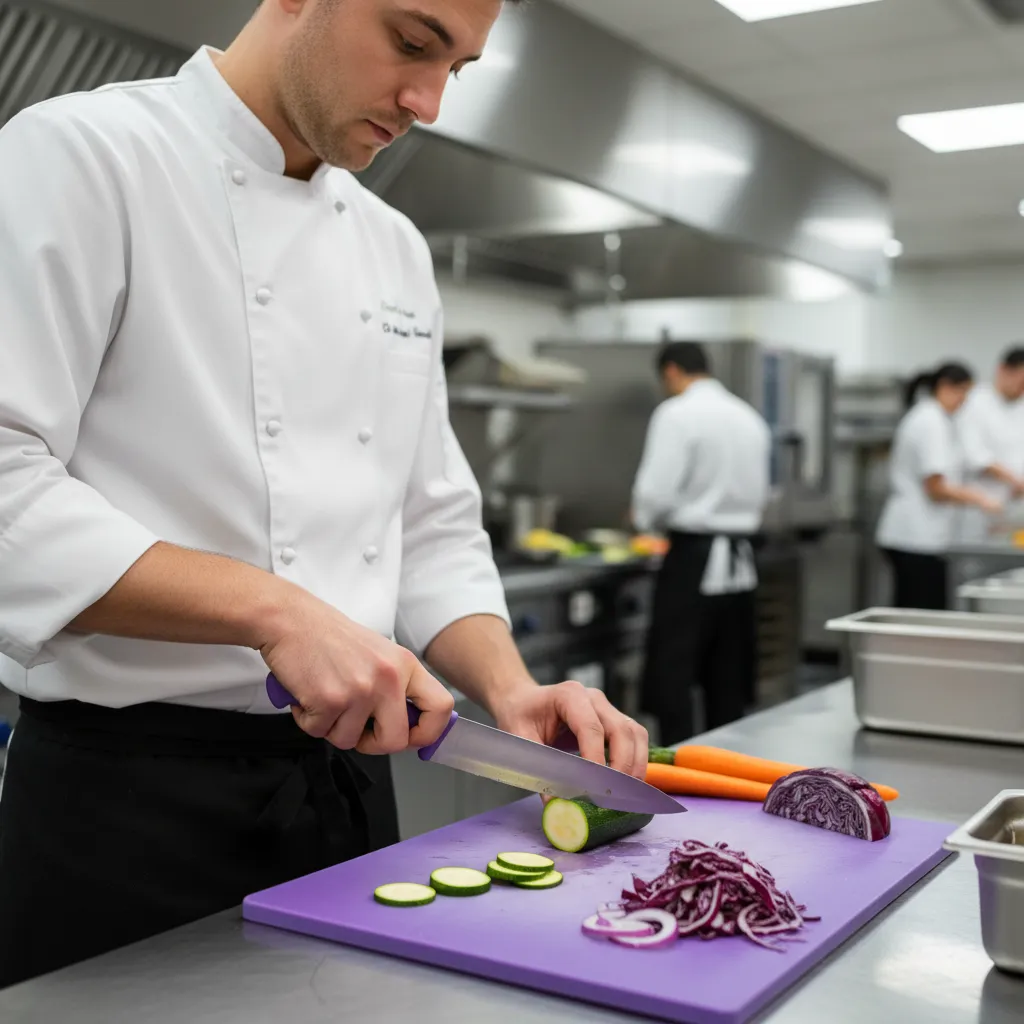
- Preparation Protocols: This is arguably the most critical component. It covers the use of dedicated equipment—separate toasters, dedicated fryers that never share oil with crumbed items, and color-coded chopping boards and utensils.
The Audit Process
Accreditation is not a one-time event. It involves an annual review process. An independent auditor or a verified internal process checks compliance with the standards. This ensures that standards do not slip over time and that new staff are inducted properly into the gluten-free protocols. If a venue fails to maintain these standards, they risk losing their accreditation.
How to Find Coeliac NZ Accredited Restaurants
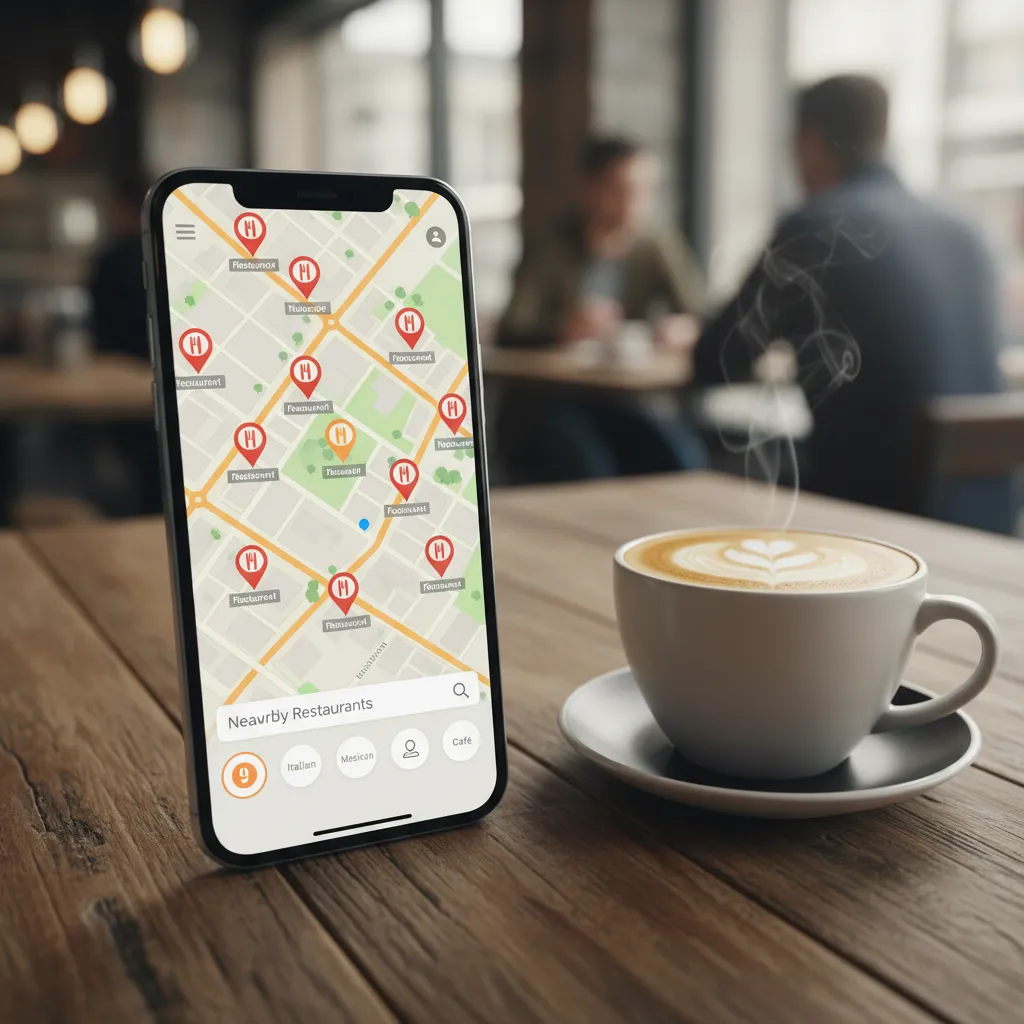
Finding a safe place to eat has become significantly easier with digital tools provided by the organization. Coeliac New Zealand offers specific resources to help you locate accredited partners throughout the country, from Auckland to Invercargill.
Using the Coeliac Link App and Website
The primary tool for finding safe dining is the Coeliac New Zealand website and their associated digital directories. While features may evolve, the core functionality allows users to:
- Search by Region: Filter venues based on the specific city or town you are visiting.
- Filter by Cuisine: whether you are looking for an Indian curry house, a localized café, or fine dining.
- View Accreditation Status: The directory clearly distinguishes between fully accredited venues and those that might just be listed as options (though the focus should always be on accredited partners for maximum safety).
When planning a trip, it is advisable to check the directory in advance. Many accredited venues are destinations in themselves, known within the community for their exceptional care and delicious gluten-free options.
Trusting Non-Accredited Venues: A Risk Assessment Guide
While Coeliac NZ accredited restaurants are the safest option, they are not available in every town or suburb. There will be times when you must dine at a non-accredited venue. In these situations, the responsibility for risk assessment shifts to you, the diner. You must become your own advocate and auditor.
The “Gluten-Free Friendly” Trap
Be wary of the phrase “Gluten-Free Friendly.” This often implies that the ingredients are gluten-free, but the kitchen environment is not. In a busy kitchen, flour can stay airborne for hours, and crumbs can easily migrate.
Red Flags to Watch For
If you walk into a non-accredited venue, look for these immediate red flags:
- Pre-made Cabinet Food: If gluten-free sandwiches are sitting on the same tray or touching gluten-containing pastries in a display cabinet, they are not safe.
- Shared Toasters: Ask if they use a shared toaster. If they use “toaster bags,” ensure they are used correctly, but a dedicated toaster is always preferable.
- Buffets: Buffets are high-risk zones due to cross-contamination by other diners moving spoons between dishes.
- The “Low Gluten” Disclaimer: If a menu states “low gluten” or “we cannot guarantee,” take them at their word—it is likely not safe for a coeliac.

Essential Questions to Ask Your Server
To assess the safety of a non-accredited venue, you need to ask specific, open-ended questions. Avoid yes/no questions, as staff may default to “yes” to be helpful without understanding the nuance.
Scripting Your Safety Check
Try asking these questions:
- “How do you prepare gluten-free meals in the kitchen to keep them separate from regular meals?” (Listen for mention of separate areas, boards, or cleaning protocols).
- “Do you have a dedicated fryer for your gluten-free chips, or is the oil shared with crumbed items like schnitzels or fish?” (Shared oil is a major source of contamination).
- “Can you please let the chef know I have coeliac disease and it is not a lifestyle preference?”
- “How are the sauces thickened? Do you use cornflour or wheat flour?”
The Importance of Supporting Accredited Businesses
Obtaining and maintaining accreditation requires time, money, and effort from restaurant owners. It involves paying for audits, training staff, and often buying duplicate equipment. By choosing to spend your money at Coeliac NZ accredited restaurants, you are voting with your wallet.
You are sending a message to the hospitality industry that the coeliac dollar is valuable and that safe dining is a priority. Supporting these businesses helps ensure they remain profitable and encourages other venues to join the Dining Out Programme, eventually expanding the safe dining map for everyone in New Zealand.
Furthermore, providing feedback is crucial. If you have an excellent experience, leave a review mentioning their coeliac safety. If you encounter an issue at an accredited venue, report it to Coeliac New Zealand so they can follow up and ensure standards are being upheld.
Frequently Asked Questions
How much does it cost to join the Dining Out Programme as a restaurant?
The cost varies depending on the size of the business and the level of support required. It generally involves an annual fee which covers the marketing benefits, listing on the directory, and access to training resources and audits. Interested venues should contact Coeliac New Zealand directly for current pricing tiers.
Are all staff in an accredited restaurant trained?
While the goal is total staff awareness, the requirement usually mandates that the person in charge and key kitchen/front-of-house staff complete the formal training. However, part of the accreditation involves cascading this knowledge to all staff members during induction to ensure a consistent safety culture.
Can I trust a venue that was accredited last year but isn’t on the list now?
If a venue is no longer on the current Coeliac NZ directory, their accreditation may have lapsed. This could be due to a change in ownership, failure to pass an audit, or simply not renewing their membership. You should treat these venues as non-accredited and perform your own risk assessment.
Does accreditation guarantee a 100% gluten-free environment?
Not necessarily. Many accredited restaurants are mixed-use kitchens that serve both gluten and gluten-free food. However, the accreditation certifies that they have strict protocols and physical barriers in place to prevent cross-contamination, making them safe for coeliacs despite handling gluten on the premises.
What should I do if I get sick after eating at an accredited venue?
First, seek medical advice if necessary. Secondly, contact Coeliac New Zealand immediately. They take complaints regarding accredited venues very seriously and will likely investigate the venue to check if protocols were breached. This helps protect the wider community.
Is the Dining Out Programme recognized internationally?
The Coeliac NZ Dining Out Programme is specific to New Zealand standards. However, it is modeled on similar international best practices used by Coeliac UK and Coeliac Australia. The “Crossed Grain” logo and accreditation seals are generally recognized symbols of safety within the global coeliac community.