
Common gluten-free myths in New Zealand often stem from confusing Coeliac disease with a lifestyle choice. Key misconceptions include believing ‘low gluten’ products are safe for Coeliacs, assuming heat destroys gluten proteins, or trusting that simply removing gluten-containing ingredients from a dish eliminates cross-contamination risks. In reality, strict adherence to FSANZ labelling standards is essential to prevent serious autoimmune damage.
Navigating a gluten-free lifestyle in New Zealand requires more than just willpower; it demands a high level of vigilance and education. Whether you have recently been diagnosed with Coeliac disease or are supporting a whānau member, distinguishing fact from fiction is critical for long-term health. The landscape of gluten-free food in Aotearoa is governed by some of the strictest standards in the world, yet social misunderstandings persist.
Is Gluten-Free Just a Fad Diet?
One of the most pervasive myths affecting the Coeliac community in New Zealand is the dismissal of their dietary requirements as a mere trend. While some individuals may choose to avoid gluten for general wellness or perceived weight loss benefits, for the estimated 60,000 to 70,000 New Zealanders with Coeliac disease, gluten is a poison.
Coeliac disease is a serious autoimmune condition, not an allergy or an intolerance. When a person with Coeliac disease ingests gluten—a protein found in wheat, barley, rye, and oats—their immune system attacks the lining of the small intestine. This damage prevents the absorption of vital nutrients and can lead to severe long-term health complications, including osteoporosis, infertility, and bowel cancer.
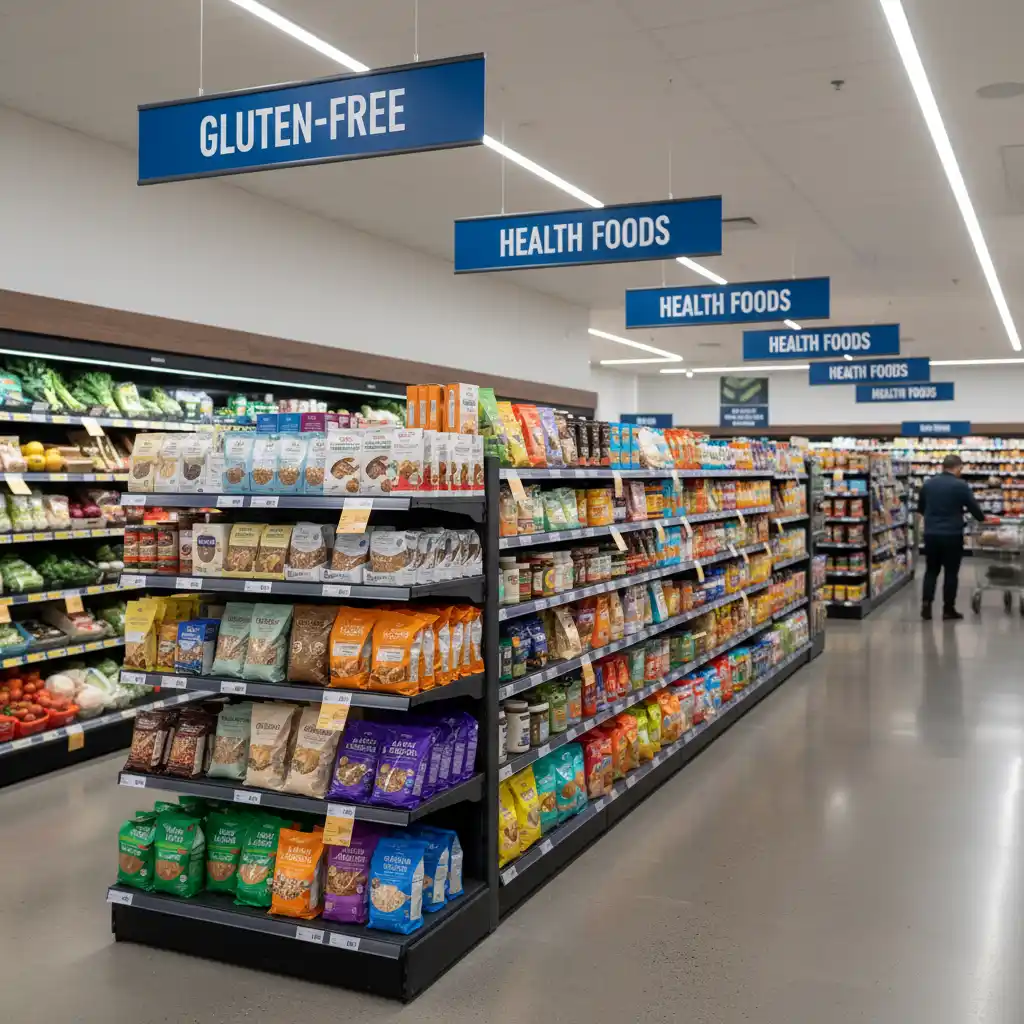
The Difference Between Intolerance and Coeliac Disease
Many Kiwis conflate Non-Coeliac Gluten Sensitivity (NCGS) with Coeliac disease. While NCGS can cause uncomfortable symptoms like bloating and brain fog, it does not cause the same intestinal damage. The myth that “a little bit won’t hurt” often arises from people observing those with mild sensitivities ‘cheating’ on their diet. For a diagnosed Coeliac, however, even a crumb containing gluten can trigger an autoimmune response lasting for weeks.
Understanding NZ Food Labelling Standards
New Zealand, in conjunction with Australia via FSANZ (Food Standards Australia New Zealand), holds some of the strictest gluten-free labelling regulations globally. However, myths abound regarding what is actually safe to eat.
Myth: “Low Gluten” is Safe for Coeliacs
The Reality: Absolutely not. Under FSANZ standards, a product can only be labelled “Gluten-Free” if it contains no detectable gluten. There is a separate category for “Low Gluten,” but this is strictly unsafe for people with Coeliac disease. “Low Gluten” products may contain up to 200 parts per million (ppm) of gluten, which is enough to cause significant intestinal damage. Always look for the words “Gluten-Free” explicitly.
Myth: The “May Contain Traces” Warning is Just Legal Fluff
The Reality: You must take these warnings seriously. New Zealand manufacturers use statements like “May contain gluten” or “Processed on equipment that handles wheat” to indicate a risk of cross-contamination. For a Coeliac, this risk is unacceptable. The absence of gluten ingredients does not make a product gluten-free if it has been dusted with flour from a shared production line.
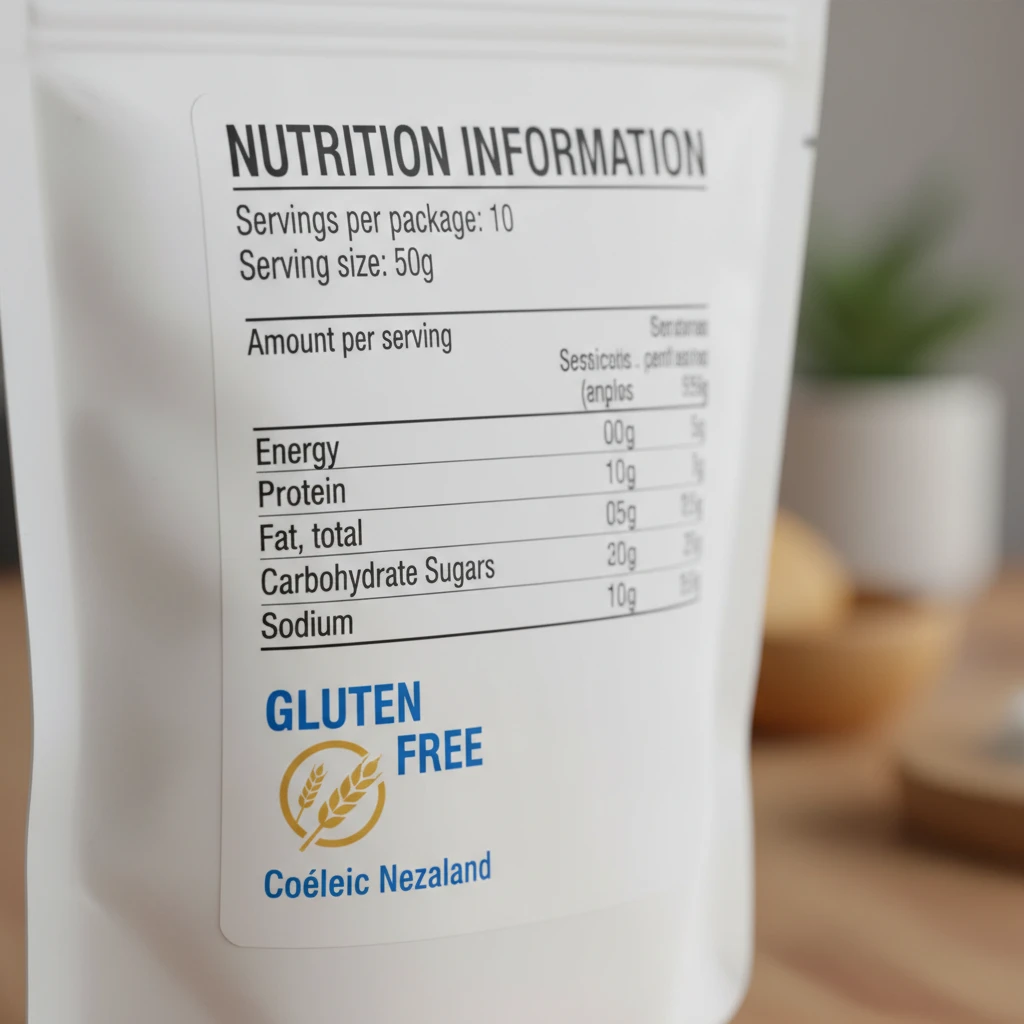
The Crossed Grain Logo
The gold standard for safety in NZ is the Coeliac New Zealand Crossed Grain logo. Products displaying this logo have been independently tested and proven to contain no detectable gluten. It provides a level of assurance beyond standard text labels, effectively busting the myth that you have to guess if a product is safe.
Common Kitchen and Cooking Misconceptions
Even well-meaning home cooks often fall victim to myths regarding the physics and chemistry of gluten. Understanding cross-contamination is usually the biggest hurdle.
Myth: Heat Kills Gluten
The Reality: Gluten is a heat-stable protein, not a bacterium. You cannot “cook the gluten out” of food. Using the same toaster for gluten-free bread and regular bread will result in cross-contamination. Similarly, using the same oil to fry fish and chips and battered hot dogs means the chips are no longer gluten-free. The high temperature of a deep fryer does nothing to neutralize the gluten protein.
Myth: Sourdough and Spelt are Gluten-Free
The Reality: Spelt is an ancient form of wheat and contains gluten. It is strictly forbidden on a Coeliac diet. Regarding sourdough, while the fermentation process breaks down some gluten, traditional wheat sourdough still contains unsafe levels of gluten for Coeliacs. Unless a sourdough bread is made from gluten-free flours (like rice, sorghum, or buckwheat) and baked in a dedicated environment, it is not safe.
Myth: Picking the Croutons Off Makes a Salad Safe
The Reality: Once gluten has touched the food, the food is contaminated. If a café serves a salad with croutons, simply picking them off does not remove the microscopic crumbs left behind on the lettuce leaves. The entire dish must be prepared fresh with clean utensils and gloves.

Educating Friends and Whānau
Social gatherings, BBQs, and potlucks are central to the Kiwi lifestyle, but they are minefields for misinformation. Educating your circle is necessary to ensure you can participate safely.
How to Explain Cross-Contamination
Friends often think you are being “fussy” when you refuse food cooked on a shared BBQ plate. The best way to explain this is the “crumb concept.” Explain that a crumb of bread is to a Coeliac what a spoonful of peanut butter is to someone with a nut allergy. It triggers an internal reaction that lasts for weeks.
The BBQ Myth: “It’s Just Meat”
While plain meat is gluten-free, the environment often isn’t. Sausages in NZ frequently contain wheat flour as a binder (unless labelled GF). Marinades and soy sauces are often wheat-based. Furthermore, if the BBQ grill has been used to cook marinated meats or toast buns, it is contaminated. To keep it safe, ask for your meat to be cooked on a clean piece of foil or a separate, clean grill section.
Myths About Dining Out in New Zealand
New Zealand’s hospitality scene is generally quite aware of dietary requirements, but assumptions can still lead to illness.
Myth: “Wheat-Free” Means Gluten-Free
The Reality: Not always. A product can be wheat-free but contain rye, barley, or oats. In New Zealand, oats are a contentious issue. Under the strict FSANZ code, oats cannot be labelled gluten-free because a protein in oats (avenin) mimics gluten in some Coeliacs, and oats are highly prone to contamination in the field. Therefore, a “wheat-free” muesli containing oats is not suitable for a strict gluten-free diet in NZ.
Myth: Asian Cuisine is Always Safe (Rice-Based)
The Reality: While rice is naturally gluten-free, soy sauce (which contains wheat) is ubiquitous in Asian cooking. Unless a restaurant specifically uses Tamari or a gluten-free soy alternative and cleans their woks thoroughly between orders, the risk is high. Always ask if the chef understands that regular soy sauce is forbidden.

People Also Ask (FAQs)
Is yeast extract gluten-free in NZ?
Not always. Yeast extract is often a byproduct of beer brewing (which uses barley). In New Zealand, popular spreads like Marmite contain yeast extract derived from barley and are not gluten-free. However, some specific brands or versions may be produced from gluten-free yeast sources, so checking the label is mandatory. If barley is the source, it must be declared on the allergen statement.
Can Coeliacs eat oats in New Zealand?
Under the current FSANZ code, oats cannot be labelled “gluten-free” in New Zealand. This is because oats contain a protein called avenin, which causes a reaction in approximately 1 in 5 Coeliacs. Additionally, standard oats are often contaminated with wheat during farming. Coeliac New Zealand recommends that individuals do not consume oats unless they have done a “wheat-free oat challenge” under the supervision of a specialist dietitian and gastroenterologist.
Does gluten-free mean carb-free?
No. Gluten is a protein, not a carbohydrate. Gluten-free foods can be very high in carbohydrates. Foods like rice, potatoes, corn, sugar, and gluten-free flours (like tapioca or rice flour) are all high-carb ingredients. A gluten-free diet is not inherently a low-carb or keto diet.
Is cornflour gluten-free in NZ?
Generally, yes. In New Zealand, “cornflour” is almost always made from maize (corn), which is naturally gluten-free. However, in some other countries, the term can refer to wheat starch. Always check the ingredient list to ensure it says “Maize Starch” or “Corn Starch.” If it is made from wheat, it will be listed as “Wheaten Cornflour” or simply declare wheat as an allergen.
Can you grow out of Coeliac disease?
No, this is a myth. Coeliac disease is a lifelong autoimmune condition. It is not a childhood allergy that you can outgrow. Once diagnosed, a strict gluten-free diet must be maintained for life to prevent intestinal damage and associated health risks.
Are McDonald’s fries gluten-free in NZ?
This is a common query. In New Zealand, McDonald’s fries are generally cooked in a dedicated fryer and do not contain gluten ingredients. However, McDonald’s NZ states that because they operate busy kitchens, they cannot guarantee zero cross-contamination. While many Coeliacs eat them without issue, it depends on your personal sensitivity and risk tolerance regarding cross-contamination in a fast-food environment.
Conclusion
Dispelling the myths surrounding gluten-free living in New Zealand is vital for the safety and inclusion of the Coeliac community. It is not a fad, heat does not fix it, and “low gluten” is not an option. By understanding the strict FSANZ labelling laws and the realities of cross-contamination, we can create a safer environment for everyone. If you suspect you have issues with gluten, do not simply cut it out—seek professional medical advice and get tested properly first. For those living the lifestyle, joining Coeliac New Zealand is the best step toward staying informed and healthy.