
Yeast extract is not automatically gluten-free. While it can be derived from gluten-free sources like sugar beets or baker’s yeast, a significant portion is produced from spent brewer’s yeast—a byproduct of beer manufacturing that contains barley gluten. Unless a product is certified gluten-free or the label explicitly specifies a gluten-free source, individuals with Celiac disease should exercise caution and avoid it.
Navigating the grocery aisles with Celiac disease or non-celiac gluten sensitivity requires the investigative skills of a detective. While wheat, barley, and rye are the obvious culprits, the real danger often lurks in the fine print of ingredient lists. Flavor enhancers, thickeners, and colorings can often hide gluten sources under scientific names, causing anxiety for those strictly avoiding gluten.
Among the most confusing of these additives is yeast extract. Found in everything from savory snacks to soups and gravies, its safety profile is a frequent subject of debate in the gluten-free community. This comprehensive guide dissects the science behind yeast extract and other notoriously confusing additives like maltodextrin and caramel color, empowering you to shop with confidence.
Is Yeast Extract Gluten Free? A Deep Dive
The question “is yeast extract gluten free” does not have a simple yes or no answer because the safety of the ingredient depends entirely on its manufacturing origin. To understand why, we must look at what yeast extract actually is.
Yeast extract is a flavor enhancer used widely in the food industry to add a savory, umami kick to foods. It is created by breaking down yeast cells so they release their liquid contents. This process, known as autolysis, results in a concentrated paste or powder rich in glutamates and nucleotides. It is essentially the food industry’s natural alternative to Monosodium Glutamate (MSG).
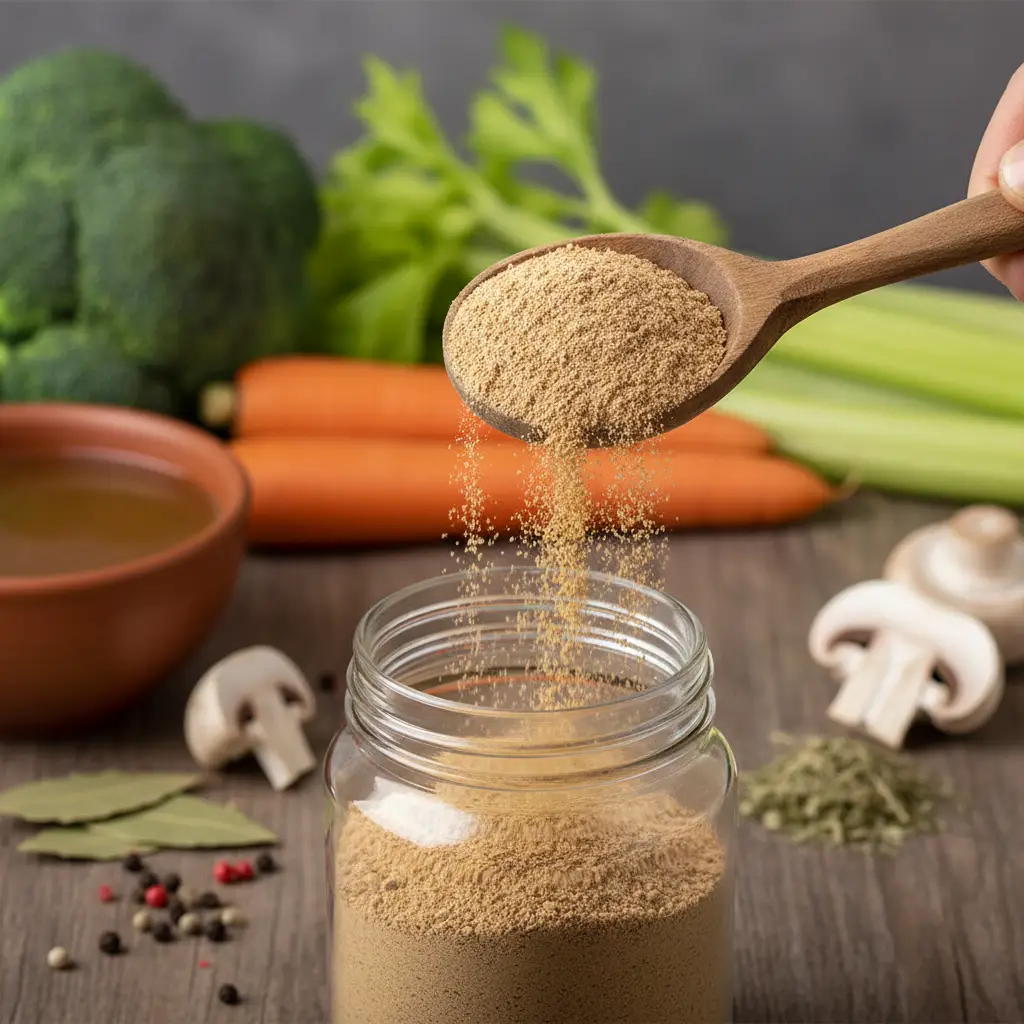
However, the source of that yeast is where the gluten risk lies. The two primary ways yeast extract is produced involve either purpose-grown yeast or recycled yeast from the brewing industry.
The Critical Difference: Brewer’s vs. Baker’s Yeast
Understanding the derivation of the yeast is the single most important factor in determining safety.
1. Spent Brewer’s Yeast (High Risk)
Historically, yeast extract was developed as a way to utilize the waste product from beer brewing. This “spent” yeast is taken from beer vats after fermentation. Since beer is typically brewed from barley (and sometimes wheat), this yeast is contaminated with gluten proteins. Even after the autolysis process, residual gluten peptides remain. If a label simply says “Yeast Extract” without a gluten-free certification, there is a substantial risk it is derived from this barley-contaminated source.
2. Baker’s Yeast or Sugar Beet Yeast (Safe)
Many modern manufacturers produce yeast extract specifically for flavor, growing the yeast on media like molasses or sugar beets. This yeast has never touched barley or wheat. Yeast extract derived from these sources is naturally gluten-free.
3. Autolyzed Yeast Extract
You will often see the term “Autolyzed Yeast Extract.” The term “autolyzed” simply refers to the chemical process of the cell breaking down. Like generic yeast extract, autolyzed yeast extract is not safe unless the source is confirmed to be gluten-free. It carries the same risks regarding spent brewer’s yeast.
The Verdict: If a product is labeled “Gluten-Free,” the yeast extract contained within must adhere to the FDA’s strictly enforced 20ppm (parts per million) threshold, meaning it is safe. If the product has no gluten-free claim, and contains “yeast extract,” it is safer to assume it may contain barley and avoid it.
Maltodextrin: Corn vs. Wheat Sources
Another additive that frequently triggers alarm bells is maltodextrin. It is a white, starchy powder used to improve texture, flavor, and shelf life. The confusion stems from the fact that maltodextrin can be made from a variety of starches, including corn, rice, potato, and wheat.
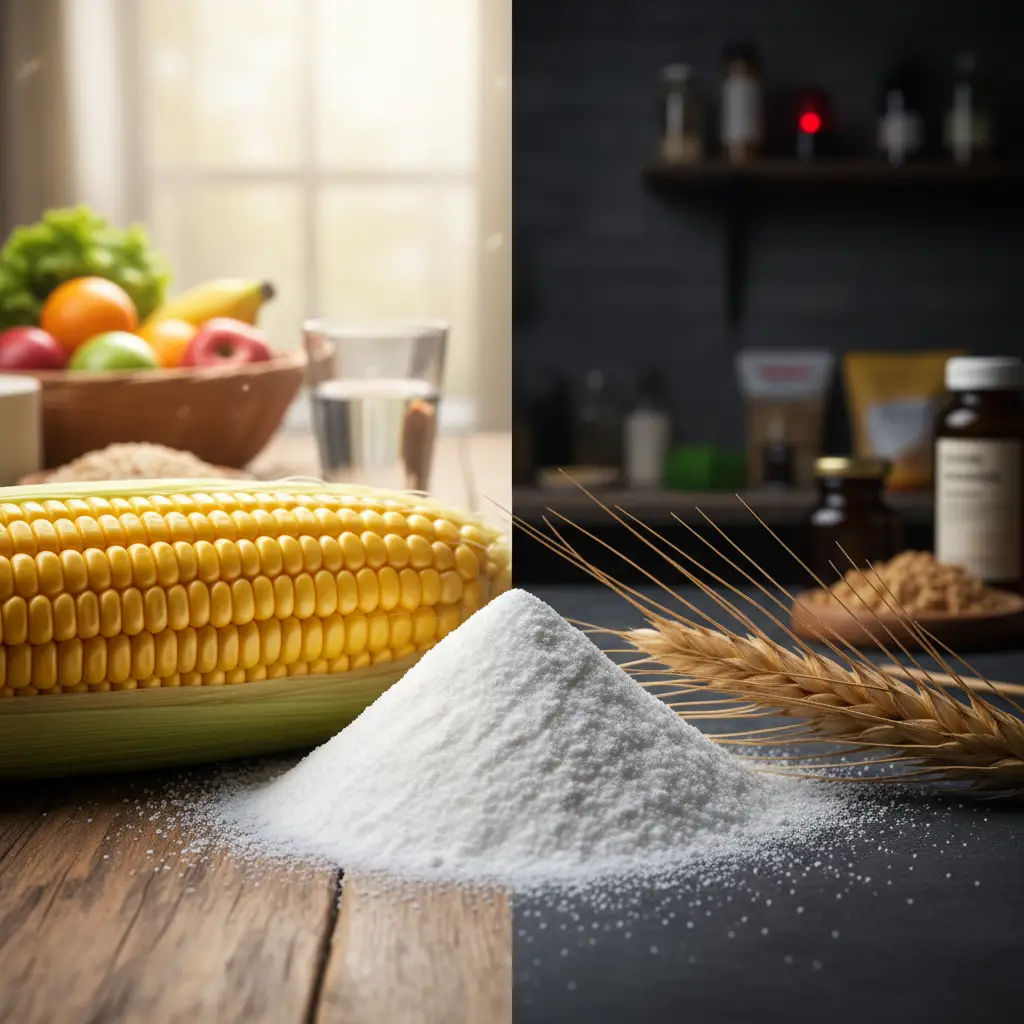
Is Maltodextrin Gluten Free?
Generally, yes—even when derived from wheat. This is one of the most counterintuitive facts in gluten-free labeling.
In the United States, corn is the most common source of maltodextrin. If it is made from wheat, the FDA requires the word “wheat” to appear on the label (e.g., “Maltodextrin (Wheat)”). However, even when maltodextrin is derived from wheat, the manufacturing process is so rigorous that the gluten proteins are effectively removed.
The production involves hydrolysis, a chemical breakdown that strips the starch of its protein components. According to major Celiac disease organizations and dietitians, the resulting maltodextrin is so highly processed that it generally tests well below 20ppm of gluten. Consequently, it is considered safe for most people with Celiac disease.
However, many in the Celiac community prefer to err on the side of caution. If you see “Maltodextrin (Wheat)” and do not see a “Certified Gluten-Free” seal, you may choose to avoid it depending on your personal sensitivity levels.
Caramel Color Confusion: When to Worry
Caramel color is the world’s most widely used food coloring, found in colas, soy sauces, and baked goods. Because “barley malt” is a common association with caramel flavors, many assume caramel color contains gluten.
The Four Classes of Caramel Color
Caramel color is produced by heating carbohydrates. These carbohydrates can be derived from corn, wheat, or sugar beets. The industry divides them into four classes based on the reactants used:
- Class I (Plain Caramel): No ammonium or sulfite compounds.
- Class II (Caustic Sulfite Caramel): Uses sulfite compounds.
- Class III (Ammonia Caramel): Uses ammonium compounds.
- Class IV (Sulfite Ammonia Caramel): Uses both.
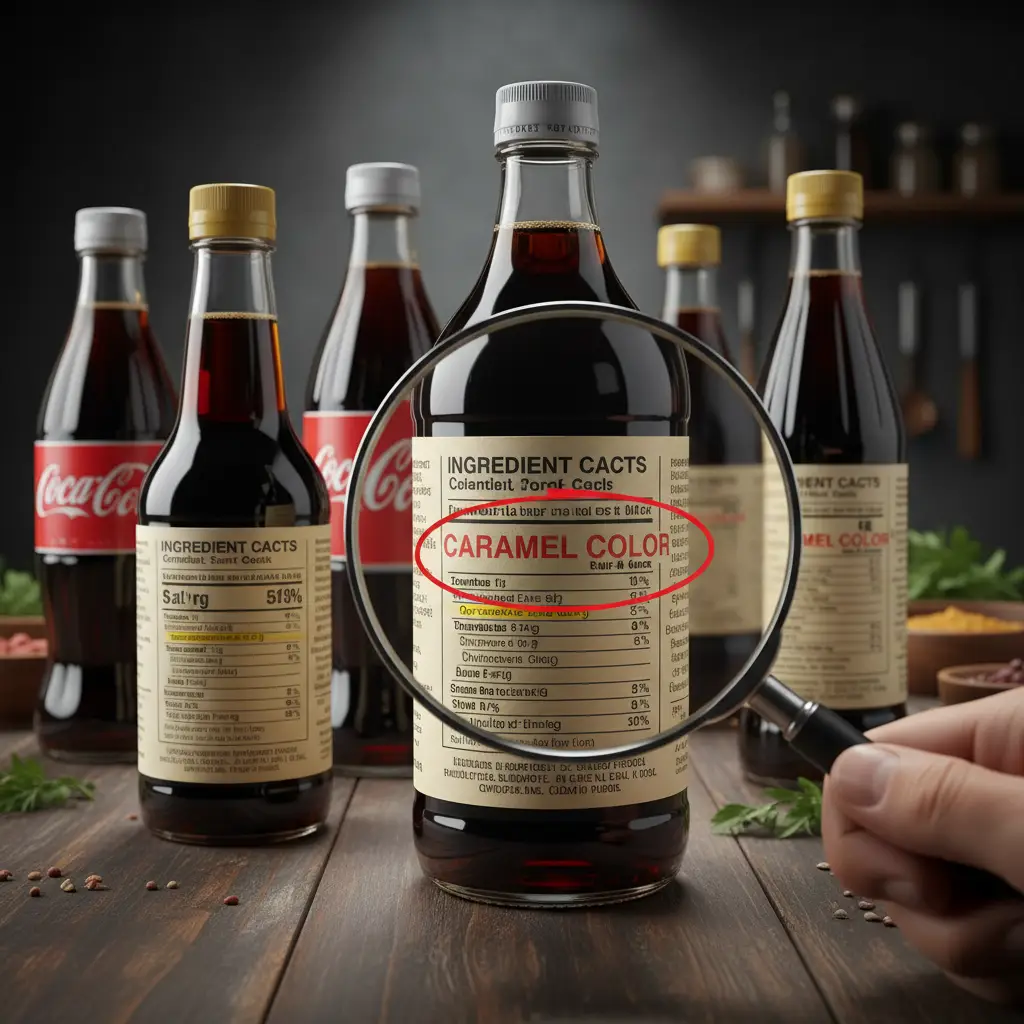
North America vs. Europe: In North America, caramel color is almost exclusively made from corn, making it gluten-free. It is extremely rare to find wheat-based caramel color in the US food supply. However, if wheat is used, it must be declared on the label as an allergen.
In the European Union, wheat-derived caramel color is more common, but similar to maltodextrin, the processing removes the gluten. The European Food Safety Authority (EFSA) and Celiac UK generally consider caramel color safe regardless of the starch source because the gluten protein is destroyed during the high-heat manufacturing process.
Bottom Line: You rarely need to worry about caramel color in the US. If you are traveling internationally or buying imported goods, look for the allergen declaration.
Glucose Syrup and Highly Processed Wheat
Glucose syrup is another sweetening agent that causes hesitation. Like maltodextrin, it is a hydrolysate of starch. While corn is the standard source in the US, wheat starch is frequently used in Europe and Australia.

The gluten-free status of glucose syrup relies on the intensity of its processing. The hydrolysis process used to create glucose syrup separates the starch from the protein (gluten) so effectively that the end product is considered gluten-free, even when the starting material is wheat.
Under EU labeling laws, glucose syrups derived from wheat are exempt from allergen labeling because the potential allergenicity is so low. However, in the US, if wheat is the source, it must be labeled. Despite this, the Celiac Disease Foundation notes that glucose syrup derived from wheat is generally considered safe for people with Celiac disease due to the removal of protein.
Mastering the Label: Red Flags to Watch
While we have established that maltodextrin and glucose syrup are usually safe, and yeast extract is the “wild card,” there are other terms that should trigger immediate caution.
Definite NOs (Unless Certified GF)
- Malt / Malt Extract / Malt Flavoring: Usually derived from barley. This is not gluten-free.
- Brewer’s Yeast: As discussed, this is a byproduct of beer and is not safe.
- Triticum Vulgare: The scientific name for wheat.
- Seitan: This is pure wheat gluten.
The “Maybe” List (Requires Investigation)
- Modified Food Starch: If the source is not specified, it is usually corn in the US. However, if it says “Modified Wheat Starch,” it may contain gluten unless processed to remove it (like in specialized GF wheat starch products).
- Natural Flavors: This catch-all term can occasionally hide barley malt. Most companies will disclose wheat, but barley is not required to be listed as an allergen in the US. If a product is not certified GF and lists “Natural Flavors,” you may need to contact the manufacturer.
- Dextrin: Similar to maltodextrin but less processed. If made from wheat, it may retain gluten.
The safest strategy for any confusing additive is to look for a third-party Gluten-Free certification (like GFCO). This ensures the final product—regardless of the complex chemistry of its additives—has tested below 10ppm or 20ppm of gluten.
People Also Ask
Is autolyzed yeast extract gluten-free?
Autolyzed yeast extract is not always gluten-free. Like standard yeast extract, it can be derived from spent brewer’s yeast, which contains gluten from barley. Unless the product is labeled gluten-free or the manufacturer confirms a gluten-free source (like baker’s yeast), it should be avoided by those with Celiac disease.
Does Marmite contain gluten?
Yes, standard Marmite contains gluten. It is made primarily from yeast extract derived from the brewing industry (spent yeast from beer), which contains barley gluten. However, the brand occasionally releases special versions, so always check the specific jar for a gluten-free label.
Is nutritional yeast gluten-free?
Yes, nutritional yeast is typically gluten-free. Unlike yeast extract which is often a byproduct of brewing, nutritional yeast is usually grown specifically on molasses or sugar beets. It is a deactivated yeast favored by vegans for its cheesy flavor. Always check the label to ensure it wasn’t processed in a facility with shared wheat equipment.
Is modified corn starch gluten-free?
Yes, modified corn starch is gluten-free. The modification refers to physical or chemical changes to the corn starch to handle heat or freezing better. Since it is derived from corn, it does not contain gluten. If the label simply says “Modified Food Starch,” it is usually corn or potato in the US, but check for “Wheat” in the allergen statement.
Can celiacs eat maltodextrin?
Yes, most people with Celiac disease can safely consume maltodextrin. Even when derived from wheat, the processing is so extensive that the gluten proteins are removed, rendering the final product gluten-free (below 20ppm). However, maltodextrin made from corn, rice, or potato is naturally gluten-free.
What is the difference between yeast extract and MSG?
Yeast extract contains naturally occurring glutamates, whereas MSG (Monosodium Glutamate) is the isolated, purified salt of glutamic acid. While they both provide savory umami flavor, yeast extract is a complex food ingredient containing vitamins and proteins, while MSG is a pure additive. Both are generally gluten-free depending on their source material.