
FSANZ gluten free labelling rules mandate that for a product to be labelled “Gluten Free” in New Zealand and Australia, it must contain no detectable gluten, oats, or malted gluten-containing cereals. Unlike international standards allowing up to 20ppm, the FSANZ code requires a strict zero-tolerance approach, ensuring maximum safety for Coeliacs.
Understanding the FSANZ Standard 1.2.7
Navigating the supermarket aisles in New Zealand can be a daunting task for those diagnosed with Coeliac Disease. The stakes are high; even a crumb of gluten can trigger an autoimmune reaction causing severe intestinal damage. Fortunately, New Zealand, in conjunction with Australia, operates under some of the strictest food safety standards in the world regarding allergen management.
The governing body, Food Standards Australia New Zealand (FSANZ), enforces specific codes that manufacturers must follow. The primary regulation governing gluten claims is Standard 1.2.7 (Nutrition, Health and Related Claims) alongside Standard 1.2.3 (Information Requirements – Warning Statements, Advisory Statements and Declarations).
Under these regulations, the term “Gluten Free” is not a marketing buzzword; it is a legal claim. When a manufacturer prints this on a packet in New Zealand, they are legally binding themselves to a standard that exceeds the requirements of the United States, the United Kingdom, and the European Union.
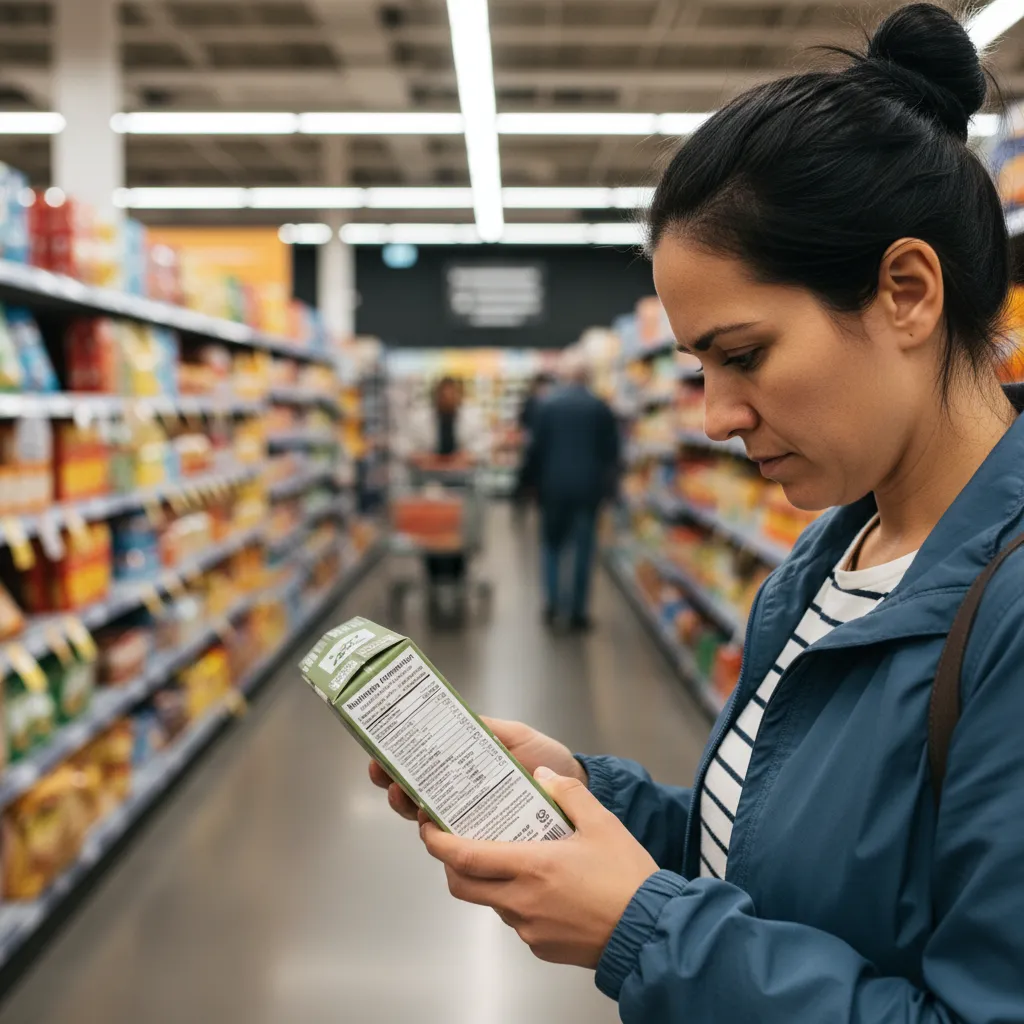
The ‘No Detectable Gluten’ Rule vs. International Standards
One of the most common sources of confusion for newly diagnosed Coeliacs in New Zealand involves the technical definition of “gluten-free.” It is vital to understand that New Zealand’s definition is distinct from the Codex Alimentarius standard used globally.
What is the Codex Standard?
In the EU and USA, a product can be labelled “Gluten Free” if it contains less than 20 parts per million (ppm) of gluten. This threshold was established because, for the vast majority of Coeliacs, 20ppm is considered a safe level that does not cause intestinal damage.
The FSANZ Difference
However, the FSANZ gluten free labelling rules take a zero-tolerance approach. In New Zealand, for a product to be labelled “Gluten Free,” it must meet the following criteria:
- It must not contain any detectable gluten.
- It must not contain oats or their products.
- It must not contain malted gluten-containing cereals (like barley malt extract).
This “no detectable gluten” standard means that if a laboratory test can find gluten, the label cannot be used. This provides an extra layer of security for sensitive individuals in New Zealand but can make shopping for imported goods confusing.
The New Plain English Allergen Labelling (PEAL)
Recent changes to the Food Standards Code have introduced the Plain English Allergen Labelling (PEAL) requirements. This legislation is a game-changer for consumer safety. Manufacturers have been given a transition period, but the goal is to make allergens undeniable on packaging.
Under PEAL, vague terms are no longer acceptable. Manufacturers must:
- Declare the specific grain: You will no longer just see “flour” or “starch.” It must explicitly state “Wheat,” “Barley,” “Rye,” or “Oats.”
- Use bold text: The allergen must be bolded in the ingredient list.
- Summary Statement: A “Contains” statement must be placed immediately near the ingredient list (e.g., “Contains: Wheat, Gluten, Milk“).
This transparency drastically reduces the time it takes to audit a product on the shelf. If you do not see the words Wheat, Rye, Barley, or Oats in bold in the ingredient list or the summary statement, the product is generally free of these ingredients, though cross-contamination risks (discussed later) must still be assessed.
Gluten Free vs. Low Gluten: A Critical Distinction
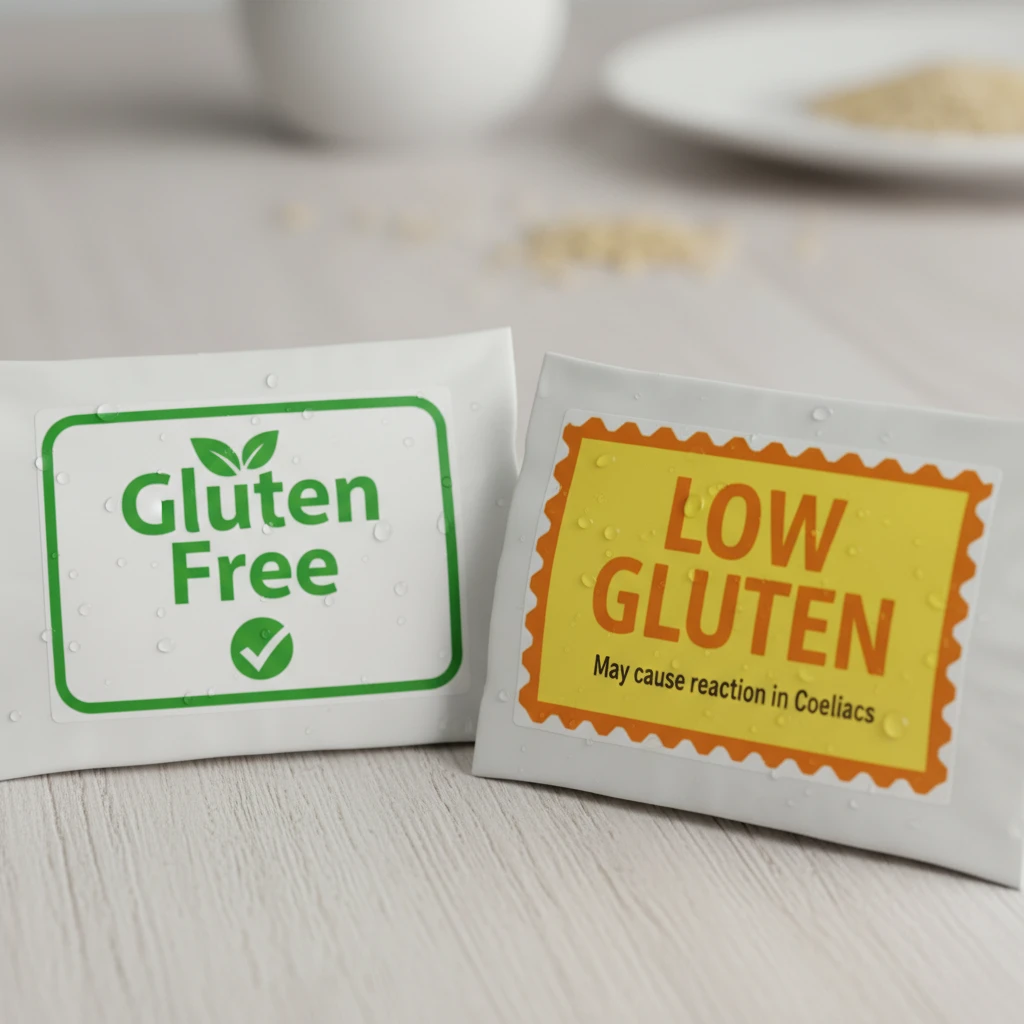
While scanning shelves, you may occasionally encounter products labelled as “Low Gluten.” It is imperative to understand that “Low Gluten” is NOT “Gluten Free.”
Under FSANZ standards:
- Gluten Free: No detectable gluten. Safe for Coeliacs.
- Low Gluten: Contains less than 200ppm of gluten.
A product with 100ppm of gluten is technically “Low Gluten,” but consuming it would be dangerous for someone with Coeliac Disease. This labelling category is generally intended for people who are choosing to reduce gluten intake for lifestyle reasons or mild intolerance, not for those with an autoimmune requirement. If you have Coeliac Disease, you must strictly avoid products labelled “Low Gluten.”
How to Read the Ingredient List Like a Pro
When a product does not carry a specific “Gluten Free” claim, it does not necessarily mean it contains gluten. Many naturally gluten-free products (like canned beans, tomato sauce, or rice crackers) may not pay for the certification or specific labelling but are perfectly safe. In these cases, you must rely on your ability to decode the ingredient list.
The 3-Step Scan
- Scan the Summary Statement: Look for the “Contains” line. If it says “Contains Gluten” or “Contains Wheat,” put it back.
- Check the Ingredient List for Bold Text: Look for Wheat, Rye, Barley, Oats.
- Check for Warning Statements: Look for “May contain” statements regarding gluten-containing cereals.
If a product has no “Gluten Free” logo, but also has no gluten ingredients listed and no cross-contamination warning, it is generally considered “Gluten Free by ingredient” and is safe to consume.
Identifying Hidden Gluten: Malt, Starch, and Additives
While the new PEAL laws make it harder for gluten to hide, there are specific ingredients that continue to cause confusion for New Zealand consumers. Understanding the nuance of these ingredients is what separates a novice label reader from an expert.
Barley Malt Extract
This is the most common “hidden” enemy. Often found in breakfast cereals (like Cornflakes and Rice Bubbles) and chocolates, barley malt extract adds flavor but contains gluten. Even if the main ingredient is corn or rice, the addition of malt extract renders the product unsafe for Coeliacs. Under FSANZ rules, if a product contains malt extract, it cannot be labelled “Gluten Free.”
Wheat Starch vs. Gluten-Free Wheat Starch
Historically, Coeliacs were told to avoid anything with the word “Wheat.” However, technology has evolved. Manufacturers can now process wheat starch to remove the gluten protein, leaving only the starch.
- Standard Wheat Starch: Contains gluten. Unsafe.
- Processed Wheat Starch: If a product is labelled “Gluten Free” but lists “Wheat Starch” in the ingredients, it means the starch has been processed to remove gluten to below detectable levels. This is safe for Coeliacs (but not for those with a Wheat Allergy).
Glucose Syrup and Caramel Colour
You will often see “Glucose Syrup (from Wheat)” or “Caramel Colour (150d from Wheat).” Do not panic. These ingredients are highly processed. The processing creates a hydrolysate that removes the gluten protein entirely. FSANZ regards glucose syrup derived from wheat as safe for people with Coeliac Disease, and it does not need to be declared as a gluten source on the label, although it will often still declare the wheat source for allergy reasons.
Decoding ‘May Contain’ and Precautionary Statements
Precautionary Allergen Labelling (PAL) includes statements like:
- “May contain traces of gluten”
- “Made on equipment that also processes wheat”
- “Packed in a facility that handles gluten”
Unlike the mandatory ingredient list, PAL statements are voluntary. However, leading strict Coeliac organizations in New Zealand advise that these warnings should be taken seriously.
The Risk Assessment
A “May contain” warning usually indicates that the manufacturer cannot guarantee the absence of cross-contamination. This could be due to shared dust in the factory air or shared production lines that are not wet-cleaned between runs.
While some consumers gamble with these products, the safest medical advice for Coeliac Disease is to avoid products with PAL statements regarding gluten, wheat, rye, or barley. If a product has no PAL statement and no gluten ingredients, it is considered safe.
The Trap of Imported Goods
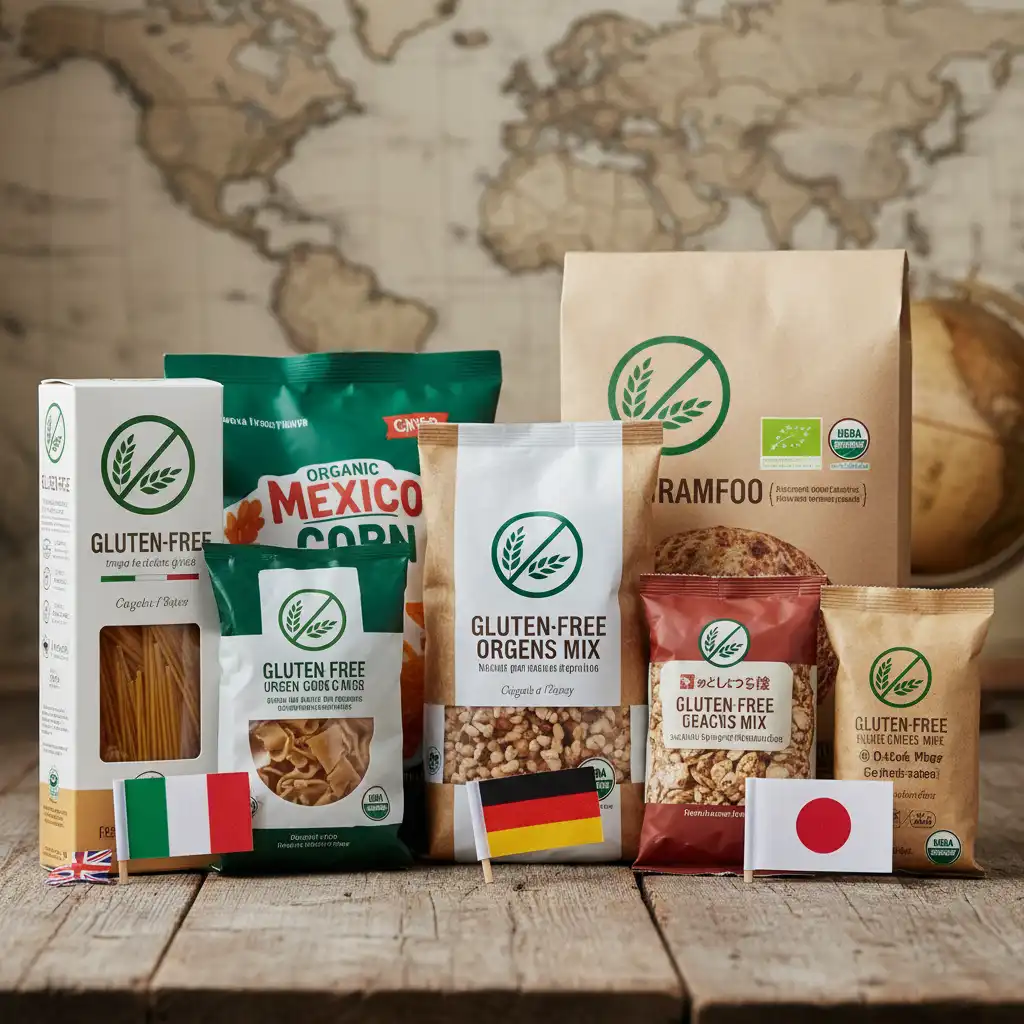
New Zealand imports a significant amount of food from the UK, USA, and Asia. This creates a labelling minefield. A product imported from the UK might have a “Gluten Free” logo on the front but might technically contain 15ppm of gluten (allowed in the UK, but technically detectable).
However, under NZ law, any product sold here should comply with FSANZ standards. If an importer brings in a product labelled “Gluten Free,” they are responsible for ensuring it meets the “No Detectable Gluten” standard. If you are buying from a specialty importer or an international section of a supermarket, exercise extra caution. Always check the back label. If you see “Oats” listed in a product labelled Gluten Free (common in the UK), it does not meet the NZ standard, as oats are not permitted in GF products here due to the protein Avenin.
Conclusion
Mastering the FSANZ gluten free labelling rules is the most powerful tool you have in managing Coeliac Disease. By understanding the strict “no detectable gluten” requirement, distinguishing between regulated claims and marketing fluff, and learning to spot the bolded allergens under the PEAL system, you can shop with confidence.
Remember, the front of the pack is marketing; the back of the pack is fact. Always turn the package over, scan the ingredients, and when in doubt, leave it out.
People Also Ask
What are the requirements for gluten free labelling in NZ?
In New Zealand, under FSANZ Standard 1.2.7, a product labelled “Gluten Free” must contain no detectable gluten, no oats, and no malted gluten-containing cereals. This is stricter than the international standard of 20ppm.
Is ‘May contain traces of gluten’ safe for Coeliacs?
No. Coeliac New Zealand advises avoiding products with “May contain” statements. These warnings indicate a risk of cross-contamination during the manufacturing process which could be sufficient to cause intestinal damage.
Can Coeliacs eat glucose syrup from wheat?
Yes. Glucose syrup derived from wheat is highly processed, removing the gluten protein. It is considered safe for Coeliacs by FSANZ and Coeliac NZ, even if the label states it is derived from wheat.
Are oats gluten free in New Zealand?
No. Under FSANZ rules, a product containing oats cannot be labelled “Gluten Free.” While oats are naturally gluten-free, they contain a similar protein called Avenin which some Coeliacs react to, and they are often contaminated with wheat during farming.
What is the difference between gluten free and low gluten?
“Gluten Free” means no detectable gluten and is safe for Coeliacs. “Low Gluten” means the product contains less than 200ppm of gluten. Low Gluten products are NOT safe for people with Coeliac Disease.
How do I identify gluten on food labels?
Look for the bolded words Wheat, Rye, Barley, or Oats in the ingredient list. Also, check the summary “Contains” statement near the ingredients. If these grains are not listed and there is no “May contain” warning, the product is likely safe.