
Gluten free dining New Zealand requires navigating a distinction between lifestyle options and strict coeliac safety. While many Kiwi eateries offer gluten-free menu items, true safety relies on identifying establishments accredited by the Coeliac New Zealand Dining Out Programme or rigorously questioning staff regarding cross-contamination protocols, specifically shared fryers, toasters, and preparation surfaces.
Understanding Cross-Contamination in NZ Kitchens
New Zealand is often cited as one of the most gluten-free friendly countries in the world. Walk into almost any café in Auckland, Wellington, or Christchurch, and you will likely see the letters “GF” scrawled on cabinet food labels or printed next to menu items. However, for those with Coeliac disease or severe non-coeliac gluten sensitivity, the ubiquity of these labels can be a double-edged sword. The prevalence of the “lifestyle” gluten-free diet means that many kitchens cater to preference rather than medical necessity.
Understanding the operational flow of a standard New Zealand commercial kitchen is critical for safe gluten free dining New Zealand. In many non-specialized establishments, space is at a premium. This often leads to shared preparation areas which are the primary vector for gluten exposure.

The “May Contain” Reality
In New Zealand hospitality law, establishments are required to be truthful about the food they serve. However, unless a venue is strictly gluten-free, there is always a risk. Common cross-contamination points in Kiwi kitchens include:
- The Deep Fryer: This is the most common hazard. Many pubs and cafes will label chips (fries) as GF because the potato itself is gluten-free, but they are cooked in the same oil as crumbed fish, schnitzels, or spring rolls.
- The Toaster: New Zealand has a massive brunch culture. Gluten-free bread is widely available, but if it is toasted in a standard slot toaster used for sourdough, it is not coeliac-safe.
- Coffee Wands: While less common, some cafes use oat milk (which is rarely certified GF in NZ due to crop rotation issues) on the same steam wand as dairy milk without purging, posing a risk.
- Pasta Water: Italian restaurants may offer GF pasta, but it is imperative to confirm it is boiled in a separate pot with fresh water, not the shared starch water used for semolina pasta.
The Coeliac NZ Dining Out Programme
For the highest level of assurance when seeking gluten free dining New Zealand, the Coeliac New Zealand Dining Out Programme (DOP) is the gold standard. This accreditation system was designed to take the guesswork out of eating out for those with medical requirements.
Establishments that display the Dining Out Programme logo have undergone rigorous training and auditing. This is not merely a marketing sticker; it represents a commitment to operational changes that ensure safety. When you see this accreditation, it signifies several key safety pillars:
- Staff Training: Front-of-house and back-of-house staff have completed training modules on coeliac disease and cross-contamination.
- Ingredient Sourcing: The venue has verified the gluten-free status of all ingredients used in their GF dishes.
- Segregation: There are dedicated processes for storage and preparation to prevent gluten transfer.
While the number of fully accredited venues is smaller than the total number of places offering “GF options,” seeking these venues out provides a stress-free dining experience. They are particularly valuable when traveling to new regions where you do not have local knowledge of kitchen practices.

How to Order Safely at Kiwi Cafes
New Zealand’s café culture is legendary. From flat whites to cabinet food (savories and sweets displayed in a glass counter), it is a staple of Kiwi life. Navigating this environment requires a specific set of communication skills. Never assume that a “GF” label implies coeliac safety. Instead, adopt a proactive interrogation strategy.
The Script for Safety
When approaching the counter, identify your needs immediately. Do not say “I’m gluten-free.” Say, “I have Coeliac disease.” Even if the staff member is young or inexperienced, this medical term usually triggers a more serious protocol than a dietary preference.
Critical Questions to Ask:
- “I see you have gluten-free friands/brownies in the cabinet. Are they stored on the same shelf as the wheat muffins?” (Crumb fall is a major issue in cabinets).
- “Is the gluten-free bread toasted in a dedicated gluten-free toaster, or do you use a sandwich press?” (Sandwich presses are high-risk zones).
- “Do you use a separate fryer for the gluten-free chips, or is it shared with crumbed items?”
- “Can the chef change their gloves and wipe down the bench before preparing my meal?”
Most Kiwi hospitality workers are friendly and willing to help. If they seem unsure or hesitate to ask the chef, it is usually a sign to stick to a pre-packaged drink or leave. Trust your gut—both literally and figuratively.

Top Rated GF Restaurants by Region
New Zealand’s culinary landscape is diverse, and fortunately, gluten-free innovation is happening across both the North and South Islands. Here is a commercial investigation into the best regions for safe dining.
Auckland: The Big City Variety
As the largest city, Auckland offers the highest density of dedicated gluten-free bakeries and accredited restaurants. The suburb of Ponsonby and the CBD are hotspots.
- Dedicated Bakeries: Auckland boasts several 100% gluten-free kitchens. These are safe havens where you can order anything from pies to donuts without asking a single question. Look for venues that market themselves as “wholly gluten-free” to eliminate cross-contamination anxiety.
- Asian Fusion: Many high-end Asian fusion restaurants in the Britomart precinct offer extensive GF menus, utilizing tamari instead of soy sauce and rice-based noodles. Always verify the soy sauce brand used in marinades.
Wellington: The Culinary Capital
Wellington prides itself on its food culture. The compact nature of the city makes it easy to hop between venues. Cuba Street and Courtenay Place are central hubs.
- Fine Dining: Wellington has a high concentration of award-winning restaurants that cater immaculately to dietary requirements. Many set menus can be adapted for coeliacs with advance notice.
- Cafe Culture: Wellington cafes are very accustomed to dietary requests. It is common to find cafes where 50% of the cabinet food is gluten-free by default.
Christchurch & The South Island
The South Island is the heart of tourism, catering to international visitors with diverse needs.
- Christchurch: The garden city has seen a resurgence in hospitality. Riverside Market offers various stalls, many of which provide safe GF options, allowing for a “food court” experience that is usually denied to coeliacs.
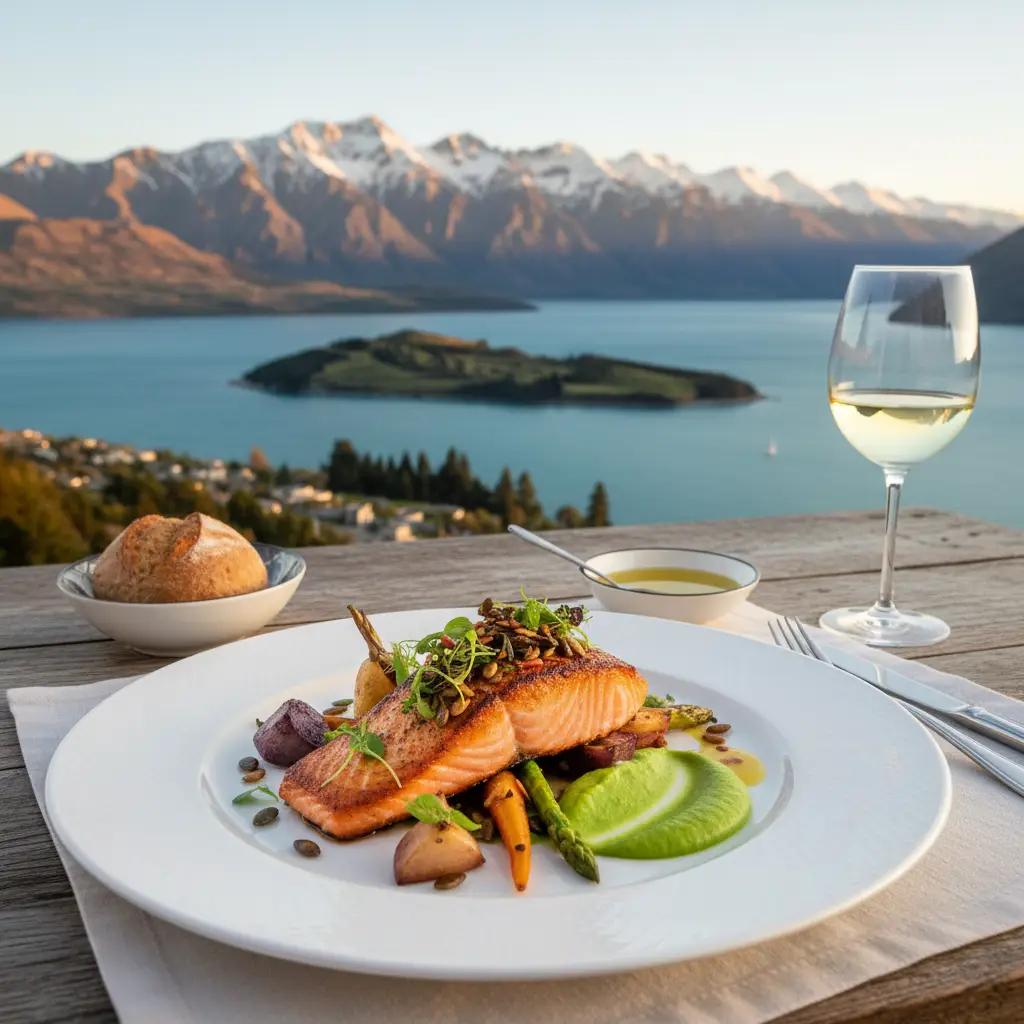
- Queenstown: As the adventure capital, Queenstown restaurants are very process-driven. Even the famous burger joints often have strict protocols for their gluten-free buns, including separate cooking areas, though checking current status during peak season is always advised.
Supermarkets and Self-Catering Tips
For those on an extended trip or utilizing campervans, self-catering is often the safest and most economical way to manage a gluten-free diet in NZ. The two main supermarket chains are Woolworths (formerly Countdown) and New World/Pak’nSave.
Both chains have extensive “Health Food” or “Free From” aisles. You will find trusted international brands alongside excellent local Kiwi brands. Look for the “Crossed Grain” logo on packaging, which indicates certification by Coeliac NZ or Coeliac Australia. Staples like gluten-free Weet-Bix, pasta, and bread are available in even small town Four Square convenience stores, though the variety will be limited in rural areas.
Māori Cuisine and Gluten
A unique aspect of dining in New Zealand is experiencing Māori cuisine (Kai Māori). Traditionally, Māori cooking is naturally lower in gluten compared to European diets, relying heavily on kumara (sweet potato), seafood (kaimoana), and meats cooked in a Hāngī (earth oven).
However, modern adaptations often introduce gluten. Fried bread (Parāoa Parai) and steamed pudding are staples at cultural events and are high-risk. If attending a Hāngī experience, the meat and vegetables cooked in the earth are generally safe, but you must ensure they haven’t been placed in baskets with bread stuffing. Always speak to the host; hospitality (Manaakitanga) is a core value of Māori culture, and hosts will almost always go out of their way to accommodate a guest’s dietary safety if explained respectfully.
People Also Ask
Is New Zealand good for gluten-free dining?
Yes, New Zealand is considered one of the most gluten-free friendly countries globally. Awareness of Coeliac disease is high, and supermarkets stock a wide range of GF products. However, cross-contamination in mixed kitchens remains a risk, so asking specific questions is necessary.
What is the Coeliac NZ Dining Out Programme?
The Dining Out Programme is an accreditation scheme run by Coeliac New Zealand. It certifies restaurants and cafes that have undergone training and audits to ensure they can safely prepare gluten-free food without cross-contamination.
Does McDonald’s NZ have gluten-free buns?
As of 2024, McDonald’s New Zealand does not offer gluten-free buns. While some items like hash browns may lack gluten ingredients, they are cooked in shared fryers, making them unsafe for Coeliacs. Burger Fuel is a popular alternative chain that offers gluten-free buns and has better allergen protocols, though shared surfaces may still exist.
Are fries (chips) gluten-free in New Zealand?
Not always. While the potatoes are gluten-free, most takeaways and cafes cook chips in the same oil as battered fish, sausages, and spring rolls. You must ask if they have a “separate, dedicated fryer” for chips to be safe.
How do you say gluten-free in Māori?
The term for gluten is “pūutiatama.” Therefore, gluten-free can be translated as “kore pūutiatama.” However, most Māori speakers will understand the English term “gluten-free” or “Coeliac” immediately.
Can I bring gluten-free food into New Zealand?
New Zealand has very strict biosecurity laws. You can bring commercially packaged gluten-free snacks (like sealed bars or crackers), but you must declare them on your arrival card. Fresh fruit, vegetables, meat, and honey are strictly prohibited. Failure to declare food can result in an instant $400 NZD fine.