Traveling gluten-free in Europe requires a strategic approach combining advance research, the use of translated dietary cards, and reliance on certified venue networks. Key tips include prioritizing countries with strong celiac associations like Italy, utilizing pharmacy networks for safe snacks, and understanding the specific allergen labeling laws (EU Regulation 1169/2011) enforced across the continent.
Exploring the historic streets of Europe should be a culinary adventure, not a source of anxiety for those with Celiac disease or gluten sensitivity. While the continent is famous for its baguettes, pasta, and pastries, it is also home to some of the most progressive food safety laws and celiac awareness cultures in the world. With the right preparation, Europe can be one of the safest destinations for gluten-free travel.
Why is Italy considered the gold standard for gluten-free travel?
It often comes as a shock to travelers that Italy—the land of pizza and pasta—is arguably the safest country in the world for those with Celiac disease. This paradox is the result of decades of aggressive advocacy, government intervention, and a cultural reverence for food that extends to medical dietary needs.
In Italy, Celiac disease is recognized as a social disease. The government provides vouchers to residents for gluten-free food, and children are screened for the condition early. This systemic awareness filters down to the restaurant industry. When you dine out in Italy, you are not viewed as a fussy eater; you are treated as a customer with a serious medical requirement.
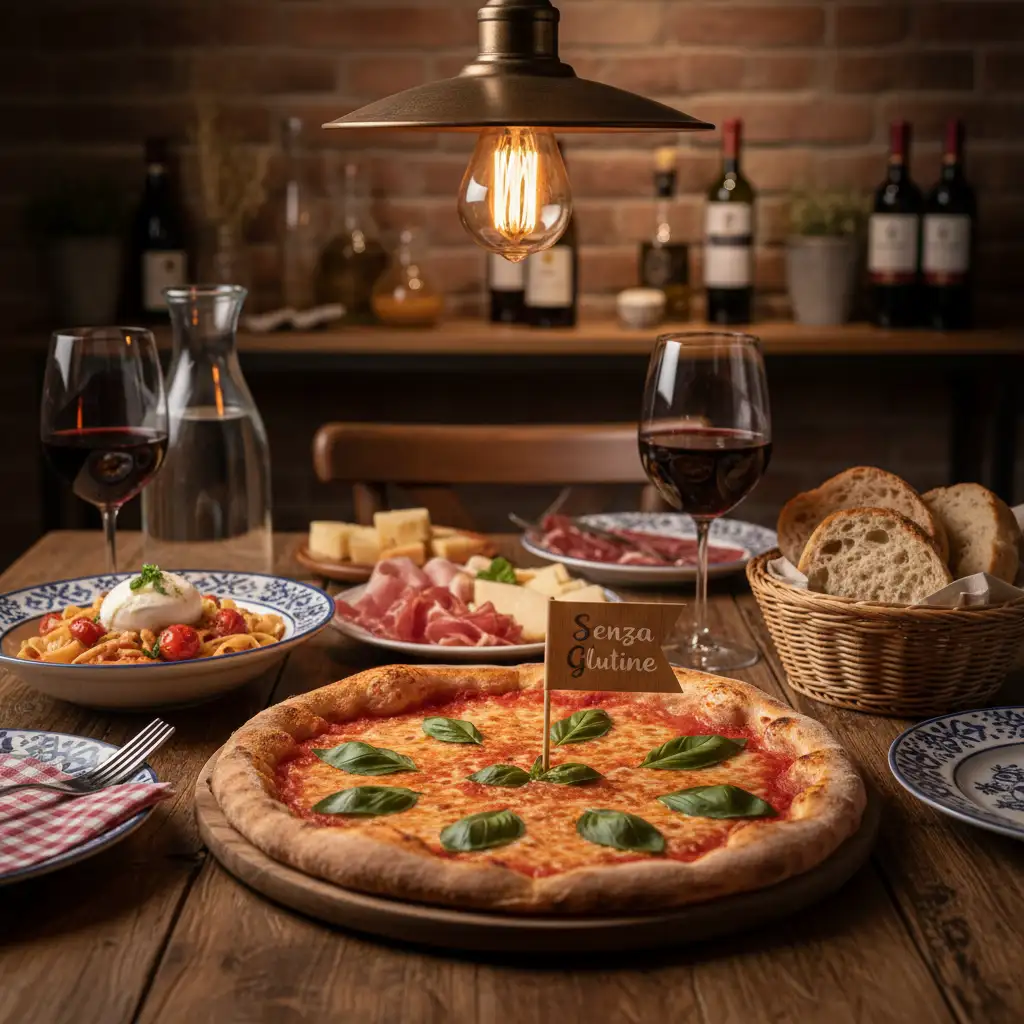
Most Italian restaurant staff are well-versed in cross-contamination protocols. The phrase to know is “Sono celiaco” (I am Celiac) or “Senza glutine” (Without gluten). However, the safety net goes deeper than language. The Italian Celiac Association (AIC) runs a rigorous accreditation program for restaurants (Alimentazione Fuori Casa). Venues participating in this program undergo annual inspections and staff training specifically on preventing cross-contact in the kitchen.
The Importance of the AIC Mobile App
For any gluten-free traveler in Italy, the AIC Mobile App is indispensable. While there is a small fee to access the full database for non-members (often available as a temporary tourist access), it provides a geolocation-based map of every certified safe venue in the country. This eliminates the guesswork and the risk of relying on user-generated reviews from apps like TripAdvisor, which may not account for strict cross-contamination measures.
How can you safely navigate French bakeries and cuisine?
France presents a different challenge compared to Italy. The culinary culture is deeply rooted in wheat flour, from the morning croissant to the roux used in sauces. However, awareness is growing rapidly, particularly in major cities like Paris, Lyon, and Bordeaux. The key to success in France is vigilance and specific terminology.
Unlike Italy, where awareness is ubiquitous, French waiters may sometimes confuse “gluten-free” with a low-carb diet fad. Therefore, it is critical to state, “Je suis coeliaque” (I am Celiac) and specify “Je ne peux pas manger de blé, d’orge, de seigle ou d’avoine” (I cannot eat wheat, barley, rye, or oats). Using a detailed French restaurant card is highly recommended to bridge any language gaps.
Hidden Gluten in French Cooking
When dining in French bistros, be wary of hidden sources of gluten. Sauces are frequently thickened with flour. Buckwheat galettes (savory crepes) are traditionally gluten-free, but many crêperies cook them on the same griddle (billig) as wheat crepes (crêpes de froment). Always ask if the chef uses a dedicated pan or griddle for the buckwheat galettes. Additionally, verify that the galette batter itself is 100% buckwheat (sarrasin) and not cut with wheat flour for texture.
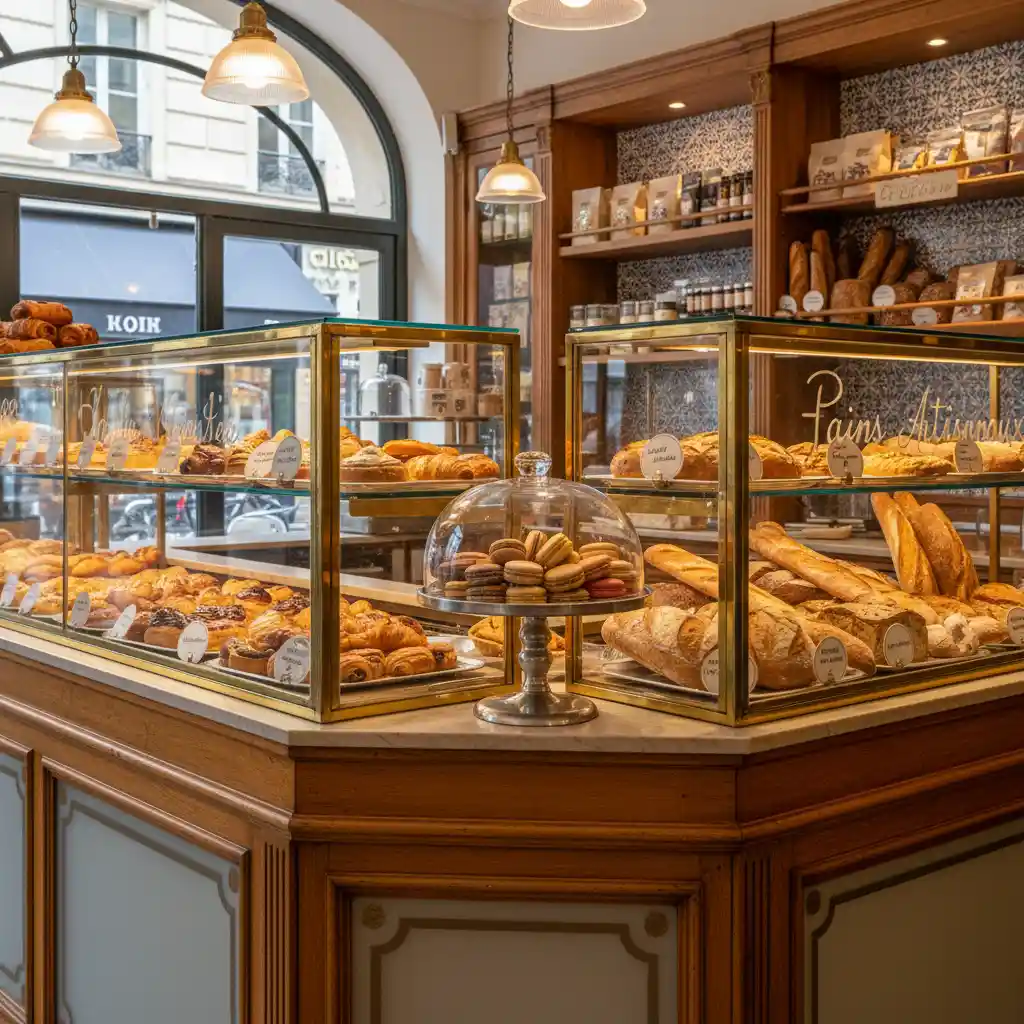
Dedicated gluten-free bakeries (boulangeries sans gluten) are becoming a staple in Paris. These establishments are entirely safe havens where you can enjoy eclairs, baguettes, and quiches without the risk of airborne flour contamination, which is a significant hazard in standard bakeries.
What role do European pharmacies play in accessing GF food?
One of the most unique aspects of gluten-free travel in Southern Europe is the role of the pharmacy. In countries like Italy and Spain, pharmacies are not just for medicine; they are primary distribution points for high-quality gluten-free food.
Because Celiac disease is treated as a medical condition, the gluten-free diet is the “prescription.” Consequently, pharmacies stock a wide array of shelf-stable breads, pastas, biscuits, and snacks. This is incredibly convenient for travelers. If you are in a small town and cannot find a supermarket with a “Free From” aisle, look for the green cross of a pharmacy.
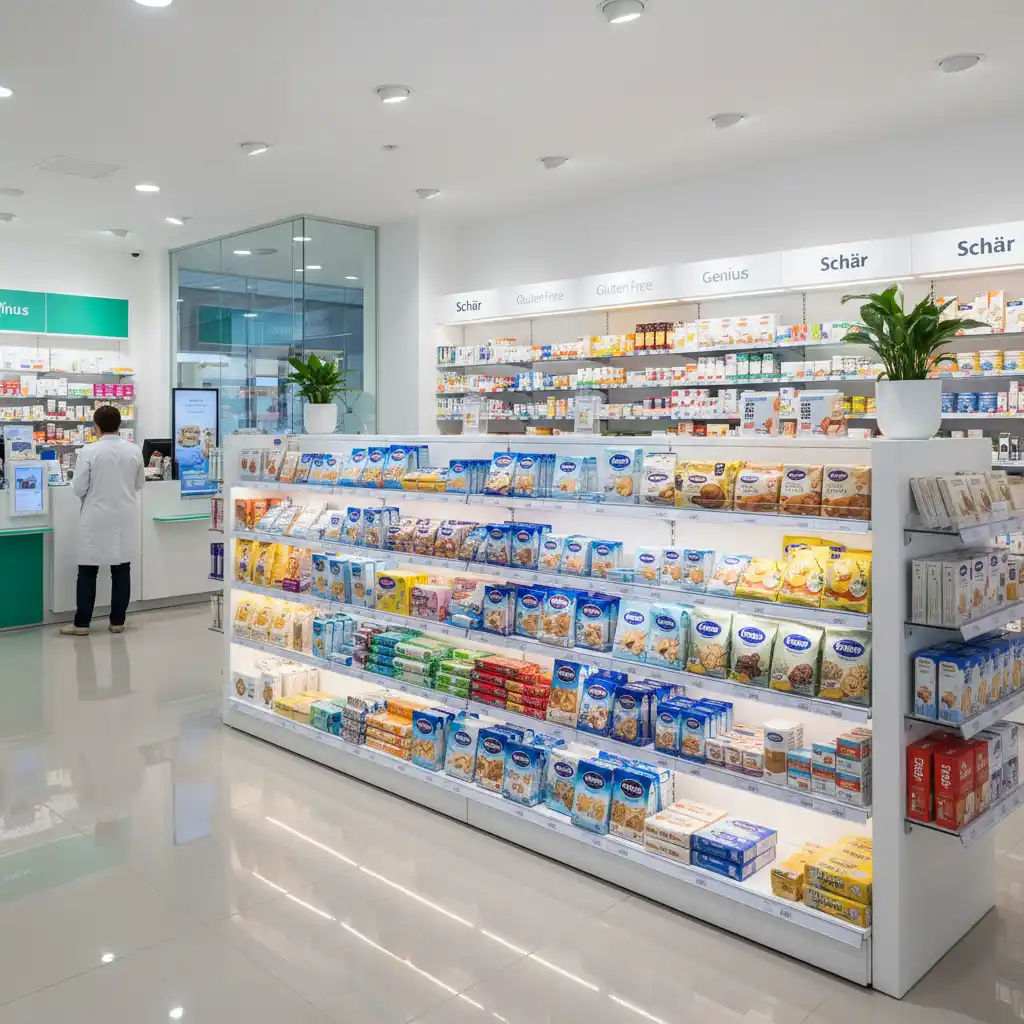
Pharmacy networks ensure that even in the most remote villages, you have access to safe staples. The brands found here (such as Schär, BiAglut, and Nutrifree) are often of higher quality than what you might find in a standard convenience store. In Spain, the FACE (Federación de Asociaciones de Celíacos de España) logo is the mark of safety to look for on products.
How do AIC and other Celiac Society certifications work?
Europe operates under EU Regulation 1169/2011, which mandates that the 14 major allergens (including gluten-containing cereals) must be clearly indicated to consumers. This applies to pre-packed foods and non-pre-packed foods (restaurants and cafes). However, the implementation varies, and “gluten-free” generally means less than 20ppm (parts per million).
For a Celiac traveler, the safest route is to look for National Celiac Society certifications. These organizations audit manufacturers and restaurants, providing a layer of security beyond simple legal compliance.
- Italy (AIC): Look for the “Spiga Barrata” (Crossed Grain) symbol and the “Alimentazione Fuori Casa” sticker on restaurant windows.
- United Kingdom (Coeliac UK): The “GF” accreditation symbol is widely recognized. The Coeliac UK app is an essential tool for scanning barcodes in supermarkets to verify safety.
- Spain (FACE): Spanish restaurants often display the FACE logo if they have been vetted. Spain has a very high awareness of allergen laws, and many menus have clear allergen matrices.
- AOECS (Association of European Coeliac Societies): This is the umbrella organization. The Crossed Grain Symbol licensed by AOECS members is recognized across Europe as the gold standard for safe packaged goods.
What are the best accommodation strategies for Celiacs?
Where you stay can dictate how easily you eat. While many high-end hotels offer gluten-free breakfast options, cross-contamination at a buffet is a persistent risk. To mitigate this, speak to the hotel in advance. Ask for gluten-free bread to be toasted in a separate device or served directly from the kitchen in its original packaging.
Apartment Rentals vs. Hotels:
For extended travel, renting an apartment with a kitchen (via Airbnb, Vrbo, or aparthotels) is often the superior strategy. It allows you to control at least one or two meals a day. You can shop at local markets for fresh produce, cheeses, and meats—naturally gluten-free items—and prepare them safely. This reduces the fatigue of constantly vetting restaurants and lowers the risk of accidental glutening.
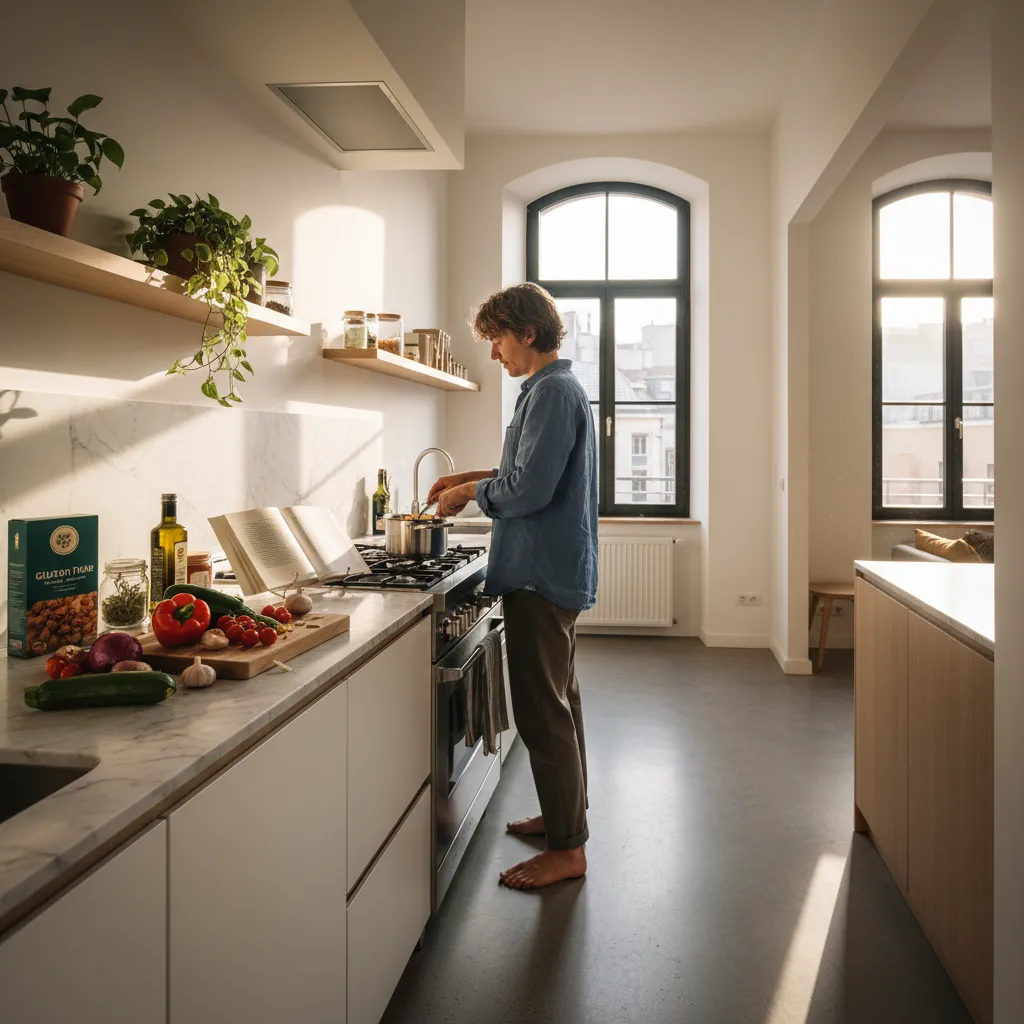
If you choose an apartment, pack a “kitchen safety kit.” This might include a dedicated scrubbing sponge (to avoid using a host’s gluten-contaminated sponge) and toaster bags. Toaster bags are heat-resistant pockets that allow you to toast your bread in a shared toaster without it touching the crumbs of previous users.
What should be in your gluten-free travel survival kit?
Preparation is the antidote to hunger-induced panic. Never board a plane or train in Europe without a supply of emergency calories. While major European rail networks (like Trenitalia or SNCF) and airlines offer gluten-free meals, they must be booked in advance and can sometimes be mishandled or unavailable.
Essential Items to Pack:
- Translated Restaurant Cards: Do not rely on Google Translate on your phone, as signal can be spotty. Print out physical cards in the local language that explicitly explain cross-contamination (e.g., “Please change gloves,” “Use clean utensils”).
- Toaster Bags: As mentioned, these are lightweight and allow you to use any toaster safely.
- Portable Soy Sauce: If you enjoy sushi or Asian cuisine, carry single-serve packets of gluten-free tamari, as many European venues only stock wheat-based soy sauce.
- Protein Bars/Instant Oatmeal: High-density snacks that can survive in a backpack for days.
- Medication: While there is no pill to cure a gluten reaction, carry whatever remedies help you manage symptoms (hydration salts, charcoal, painkillers) in case of an accident.
Conclusion
Traveling Europe gluten-free is not only possible; it can be incredibly rewarding. The key lies in understanding the local culture—embracing the pharmacy networks of Italy and Spain, navigating the bakeries of France with caution, and utilizing the robust certification frameworks provided by the AOECS. By planning ahead, downloading the right apps, and carrying the correct terminology, you can experience the rich culinary history of Europe without compromising your health.
Which European country is best for gluten-free travel?
Italy is widely considered the best European country for gluten-free travel. The Italian government provides stipends for celiac citizens, and the Italian Celiac Association (AIC) maintains a rigorous accreditation program for thousands of restaurants, gelaterias, and hotels, ensuring high safety standards.
Is it safe to eat fries in Europe with Celiac disease?
It depends. In many European countries (like Belgium and France), fries (frites) are often cooked in the same oil as breaded items like croquettes. Always ask if the fryer is dedicated solely to potatoes. In McDonalds across several European countries, fries are often gluten-free, but verification at the specific location is necessary.
How do I ask for gluten-free food in Spanish?
In Spanish, you say “Soy celíaco/a” (I am Celiac) and “Sin gluten” (Without gluten). It is also helpful to say “¿Tienen opciones sin gluten?” (Do you have gluten-free options?) and clarify about cross-contamination (“contaminación cruzada”).
Are European food labeling laws strict regarding gluten?
Yes. EU Regulation 1169/2011 requires the clear labeling of 14 major allergens, including cereals containing gluten, on both pre-packaged foods and non-pre-packaged foods (restaurants). Menus must either display this info or staff must provide it upon request.
Can I bring gluten-free food into Europe?
Generally, yes. You can bring processed, shelf-stable gluten-free snacks like bars, bread, and pasta into the EU for personal use. restrictions usually apply to meat and dairy products from outside the EU, not baked goods or grains.
Do European airlines provide gluten-free meals?
Most major European airlines (Lufthansa, British Airways, Air France, ITA) offer gluten-free meals (GFML) on long-haul flights. However, these must be requested at least 24-48 hours in advance. On short-haul intra-European flights, food is often buy-on-board and GF options may be limited to snacks.