
A gluten-free travel guide is a comprehensive strategic framework designed to assist individuals with Celiac disease or non-celiac gluten sensitivity in navigating global travel safely. It involves meticulous destination research, pre-ordering special airline meals, packing nutrient-dense emergency foods, and utilizing dietary translation cards to communicate strict cross-contamination protocols to foreign food service staff.
Traveling the world offers an unparalleled opportunity to experience new cultures, landscapes, and histories. However, for the millions of individuals living with Celiac disease or gluten intolerance, the prospect of leaving the safety of their home kitchen can induce significant anxiety. The fear of accidental gluten exposure—known as “glutening”—in a foreign country where language barriers exist is a valid concern. Yet, with the right preparation and a robust gluten-free travel guide, traversing the globe is not only possible but can be a culinary delight.
This guide serves as your ultimate resource for maintaining a strict gluten-free diet while exploring the world. From booking your flight to taking your first bite of local street food, we cover every essential step to ensure your health remains protected.
Researching Gluten-Free Friendly Destinations
The foundation of a successful trip lies in choosing the right destination. While you can travel almost anywhere with enough preparation, some countries are inherently more accommodating to gluten-free needs due to labeling laws, cultural awareness, or naturally gluten-free local cuisines.
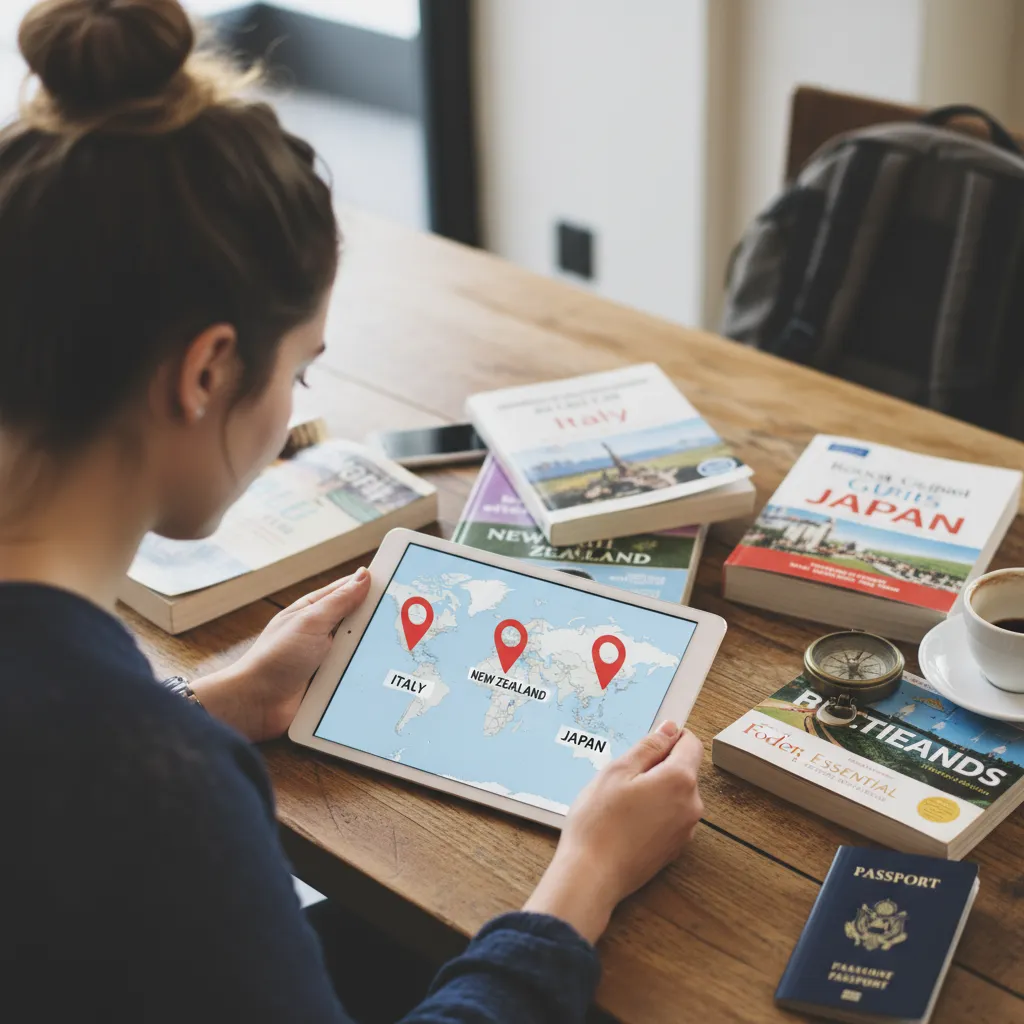
Top Tiers of Gluten-Free Travel
When selecting a destination, it helps to categorize them by ease of access:
- Tier 1: High Awareness (The “Safe Havens”)
Countries like Italy, despite being the land of pasta, are surprisingly the gold standard for Celiac safety. Italy offers government-subsidized gluten-free food for citizens, meaning awareness is ubiquitous. New Zealand and Australia have the strictest labeling laws in the world (detecting gluten at nearly zero ppm rather than the standard 20ppm). Ireland and the UK also boast incredible awareness and labeling standards. - Tier 2: Naturally Gluten-Free Cuisines
Countries like Vietnam, Thailand, and parts of Mexico rely heavily on rice and corn. While cross-contamination (often via soy sauce or bouillon) is a risk, the base ingredients are often safe. In these regions, vigilance regarding sauces is more critical than the main carbohydrate. - Tier 3: Challenging Destinations
Countries heavily reliant on wheat breads, soy sauce (which usually contains wheat), or breaded frying techniques require advanced planning. China and parts of Eastern Europe can be difficult due to language barriers and the ubiquity of hidden gluten in marinades.
Leveraging Technology and Communities
Before booking, utilize dedicated apps and platforms. Find Me Gluten Free is the industry standard for crowd-sourced reviews of restaurants worldwide. Look for reviews from users who identify as “Celiac” rather than just “gluten sensitive” to gauge cross-contamination safety. Additionally, searching hashtags on Instagram like #GlutenFreeParis or #CeliacInTokyo can reveal hidden gems and dedicated gluten-free bakeries that general travel guides might miss.
Navigating Airline Meals and Airports
The journey to your destination is often the most vulnerable point in your travel itinerary. Being trapped at 35,000 feet without safe food is a nightmare scenario that must be avoided through proactive management.
Understanding the GFML Code
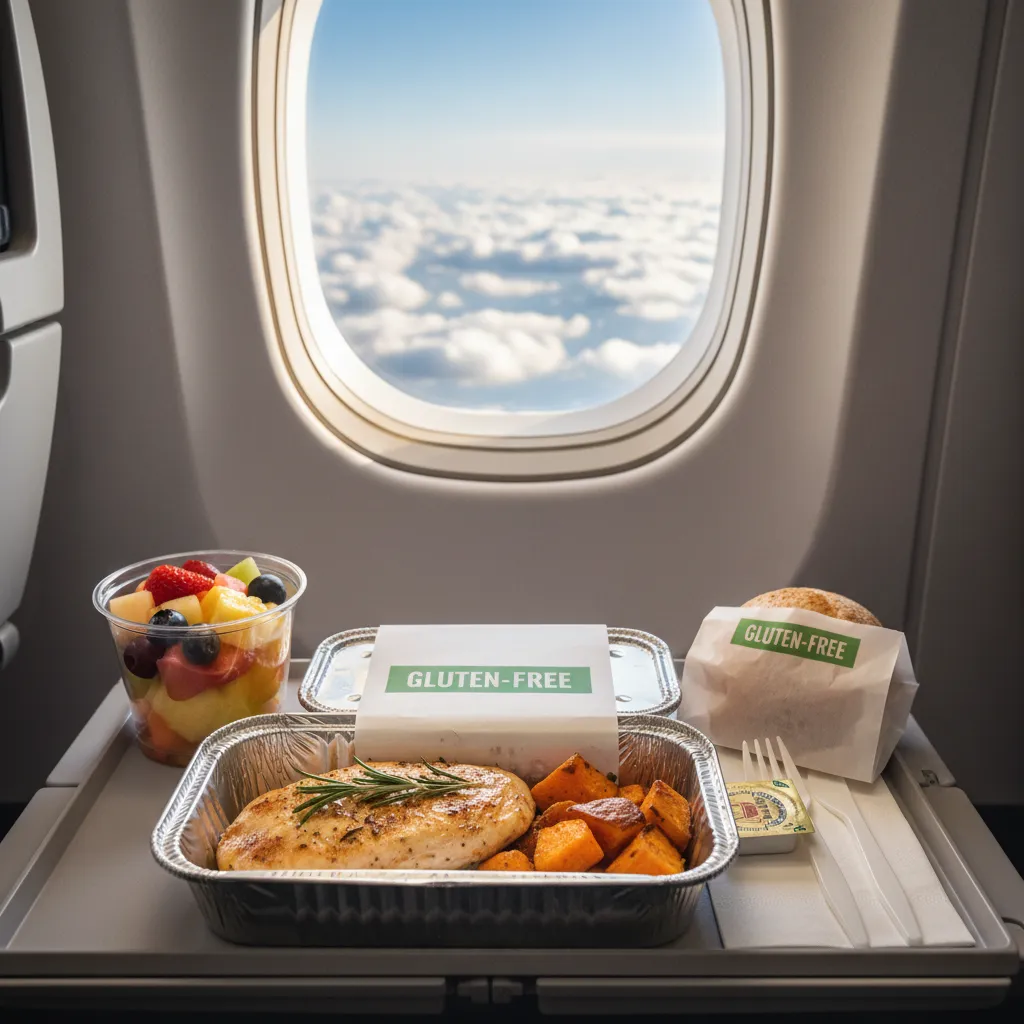
When booking international flights, you will encounter the option to request a special meal. The industry-standard code for a gluten-free meal is GFML. This meal is designed to be free of wheat, rye, barley, and oats. However, it is crucial to understand that these meals are prepared in mass catering facilities. While major airlines take precautions, the risk of error exists.
The “24-Hour Rule” and Gate Confirmation
Requesting your meal at the time of booking is not enough. You must follow the “24-Hour Rule”: Call the airline 24 to 48 hours before departure to confirm your GFML request is attached to your ticket. Sometimes, equipment changes or system glitches can wipe special requests.
Furthermore, when you board the plane, identify yourself to the flight attendant immediately. Ask them to verify that a gluten-free meal is onboard for your seat number. Do not wait until service begins; if the meal is missing, knowing early allows the crew to potentially find fruit or cheese from first class before they run out.
The “Missing Meal” Protocol
Despite best efforts, airlines sometimes fail to load the correct meal. If this happens, remain calm but firm. Ask the flight attendant for an ingredient list of the standard meals—sometimes a curry or salad option is naturally gluten-free, though it carries a higher cross-contamination risk. If no safe food is available, this is where your emergency pack (discussed next) becomes a lifesaver.
The Art of Packing Emergency Food
Experienced gluten-free travelers live by one mantra: “Always assume you will not be able to find food.” Packing a dedicated “food pharmacy” ensures that you never go hungry during delays, strikes, or when arriving late at night when shops are closed.
What to Pack: Nutrient Density vs. Space
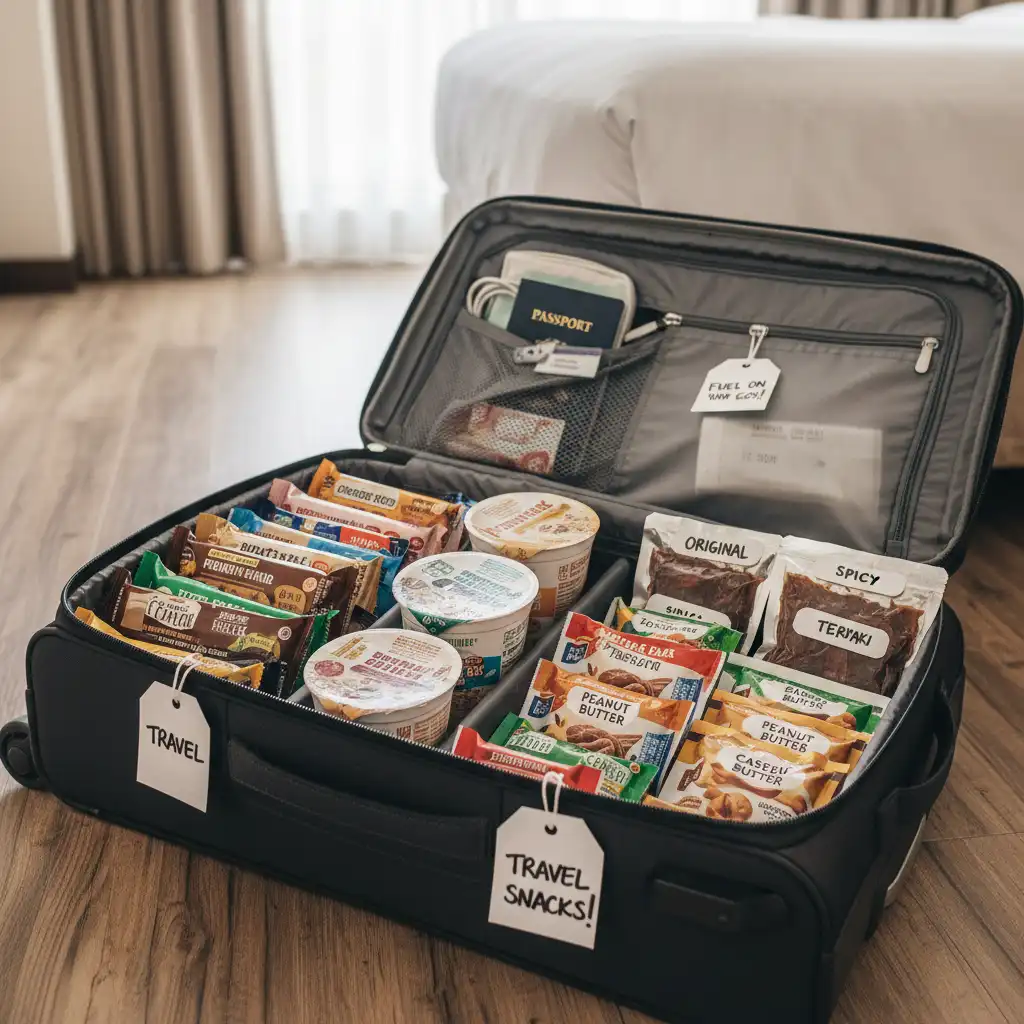
Suitcase space is premium real estate. Focus on high-calorie, nutrient-dense foods that don’t require refrigeration.
- Instant Oatmeal Pots: These are lightweight and only require hot water, which is available on any flight or in any hotel room. Ensure they are certified gluten-free oats.
- Protein Bars: Choose bars that are substantial meal replacements, not just sugary snacks. Look for 15-20g of protein to keep you satiated.
- Jerky and Meat Sticks: A great source of savory protein that travels well. Check labels strictly for soy sauce marinades.
- Single-Serve Nut Butter Packets: These can be squeezed onto fruit (bananas/apples) found at airport kiosks to create a filling snack.
- Freeze-Dried Backpacking Meals: For extreme safety, pack one or two freeze-dried meals (like Mountain House or similar certified GF brands). In a worst-case scenario, you can make a full dinner with just boiling water.
Navigating TSA and Customs
Solid foods are generally allowed through airport security (TSA). However, items like peanut butter or yogurt count as liquids/gels and must follow the 3-1-1 rule (under 3.4oz). When traveling internationally, be wary of bringing fresh produce, meats, or seeds into countries with strict biosecurity laws like Australia or New Zealand. Processed, commercially packaged bars are usually fine, but always declare food on your customs card to avoid fines.
Using Translation Cards Effectively
Language barriers are the most significant cause of accidental gluten exposure abroad. The word “gluten” does not translate directly or conceptually in many cultures. A waiter might understand “no bread” but not realize that soy sauce (containing wheat) or flour-thickened gravy is also forbidden.
Why You Need a Dedicated Celiac Card
Do not rely on Google Translate on the fly. Internet connections fail, and automated translations often miss nuance. A professional dietary translation card explains:
- The Condition: “I have a severe medical condition.”
- The Restrictions: Lists wheat, barley, rye, oats, soy sauce, malt, flour, and breadcrumbs.
- The Preparation: Explicitly mentions cross-contamination, clean utensils, and separate oil.
Digital vs. Physical Cards
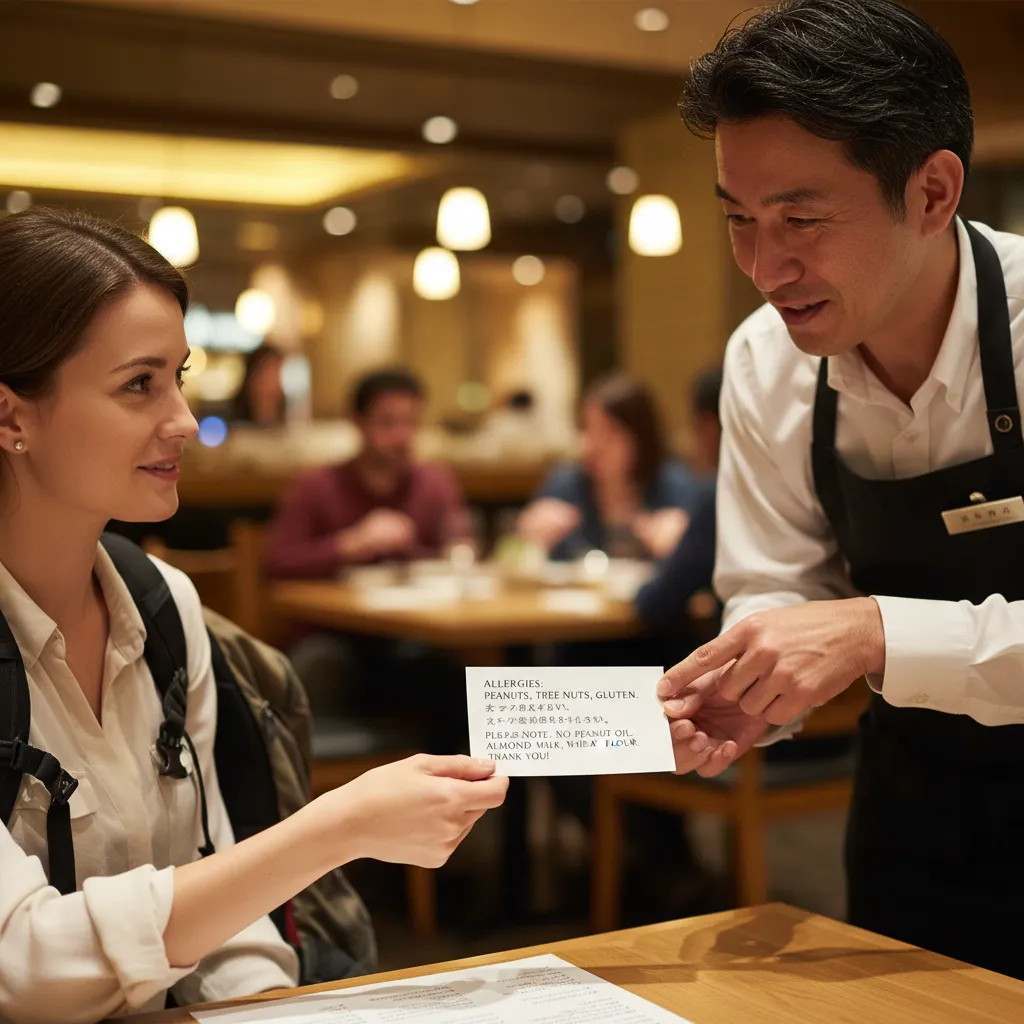
We recommend a hybrid approach. Purchase high-quality plastic cards (like those from Equal Eats or Legal Nomads) that you can hand to a chef. These command authority and are taken more seriously than a phone screen. However, keep digital backups on your phone in case you lose the physical copies.
How to Present the Card
Present the card immediately upon being seated. Smile and be polite—you are asking for extra effort from the staff, and kindness goes a long way. Watch the waiter’s reaction. If they read it quickly and nod dismissively, that is a red flag. If they take it to the chef and discuss it, or look concerned and ask questions, that is a good sign. If they seem confused or hesitant after reading it, it is safer to leave and find another venue.
Strategies for Dining Out and Cross-Contamination
Once you are at a destination, the daily task of dining out begins. Beyond the translation card, you need to develop a “Celiac Radar” for high-risk situations.
Identifying Hidden Gluten
Every culture has its hidden gluten traps. In France, buckwheat crepes (galettes) are safe, but the grill might be greased with butter that touched wheat crumbs. In Japan, sushi rice sometimes contains malt vinegar (barley). In the US, omelets at breakfast buffets might have pancake batter added for fluffiness.
The Cross-Contamination Interview
When ordering, ask open-ended questions to gauge the kitchen’s safety protocols:
- “Do you fry your french fries in the same oil as breaded items like onion rings or calamari?” (Shared fryers are a major source of glutening).
- “Is the meat marinated beforehand? Does the marinade contain soy sauce or beer?”
- “Can you please wipe down the grill or use a clean pan for my meal?”
Accommodation: Hotels vs. Self-Catering
Your choice of accommodation dictates your food freedom. While hotels offer luxury, they often lack the facilities for you to prepare safe meals.
The Case for Apartments (Airbnbs/VRBO)
For many gluten-free travelers, renting an apartment with a kitchen is a game-changer. It allows you to visit a local market, buy fresh, naturally gluten-free ingredients (meats, vegetables, fruits, rice), and cook a 100% safe breakfast and dinner. This reduces the stress of finding three safe restaurants every single day and saves money. If you choose this route, pack a dedicated “kitchen kit” including a travel sponge and perhaps a toaster bag to prevent contamination from existing appliances.
Hotel Strategies
If you prefer hotels, email the concierge in advance. Ask if they offer gluten-free bread at breakfast (and if it is toasted in a separate toaster). High-end hotels are often very accommodating and can prepare special meals if given notice. Request a room with a mini-fridge so you can store GF supplies like yogurt, cheese, and cold cuts.
Frequently Asked Questions
Is it safe to travel to Asia on a gluten-free diet?
Yes, but it requires vigilance. While rice is a staple, soy sauce (which contains wheat) is ubiquitous in marinades and sauces. Countries like Vietnam and Thailand are generally easier than China or Japan. Always use a translation card that specifically mentions soy sauce and ask for plain grilled meats or steamed vegetables with sauce on the side.
What is the best app for finding gluten-free restaurants abroad?
“Find Me Gluten Free” is the most widely used app globally. It allows you to filter by “Dedicated Gluten Free” facilities and read reviews from other Celiacs. Other useful apps include “Gluten Free Roads” (Europe) and general travel apps like TripAdvisor, searching for “gluten free” within restaurant reviews.
Can I bring fresh food through airport security?
You can bring solid foods (sandwiches, fruits, hard cheeses) through security checkpoints like TSA. However, liquid or spreadable items (hummus, yogurt, peanut butter) must follow the liquid restrictions (usually under 100ml/3.4oz). International customs are different; you generally cannot bring fresh produce or meats across international borders.
How do I explain cross-contamination to a waiter who doesn’t speak English?
Do not rely on verbal communication. Use a professionally translated dietary card in the local language. These cards explain the concept of cross-contamination (using separate utensils, oil, and surfaces) clearly. Visual aids or pictures can also help.
What happens if an airline doesn’t have my gluten-free meal?
If the airline fails to provide your pre-ordered meal, ask the flight attendant for an ingredient list of the standard meals to check for naturally gluten-free options (like a fruit plate or plain salad). However, this is risky. This is why packing your own substantial emergency food is a non-negotiable rule for gluten-free travel.
Are cruise ships safe for Celiacs?
Cruise ships are often excellent for gluten-free travelers. Major lines (like Royal Caribbean, Disney, and Celebrity) have dedicated kitchens or protocols. You meet with the Maitre D’ on the first night to plan your meals for the next day. They can often modify almost any dish to be safe.