
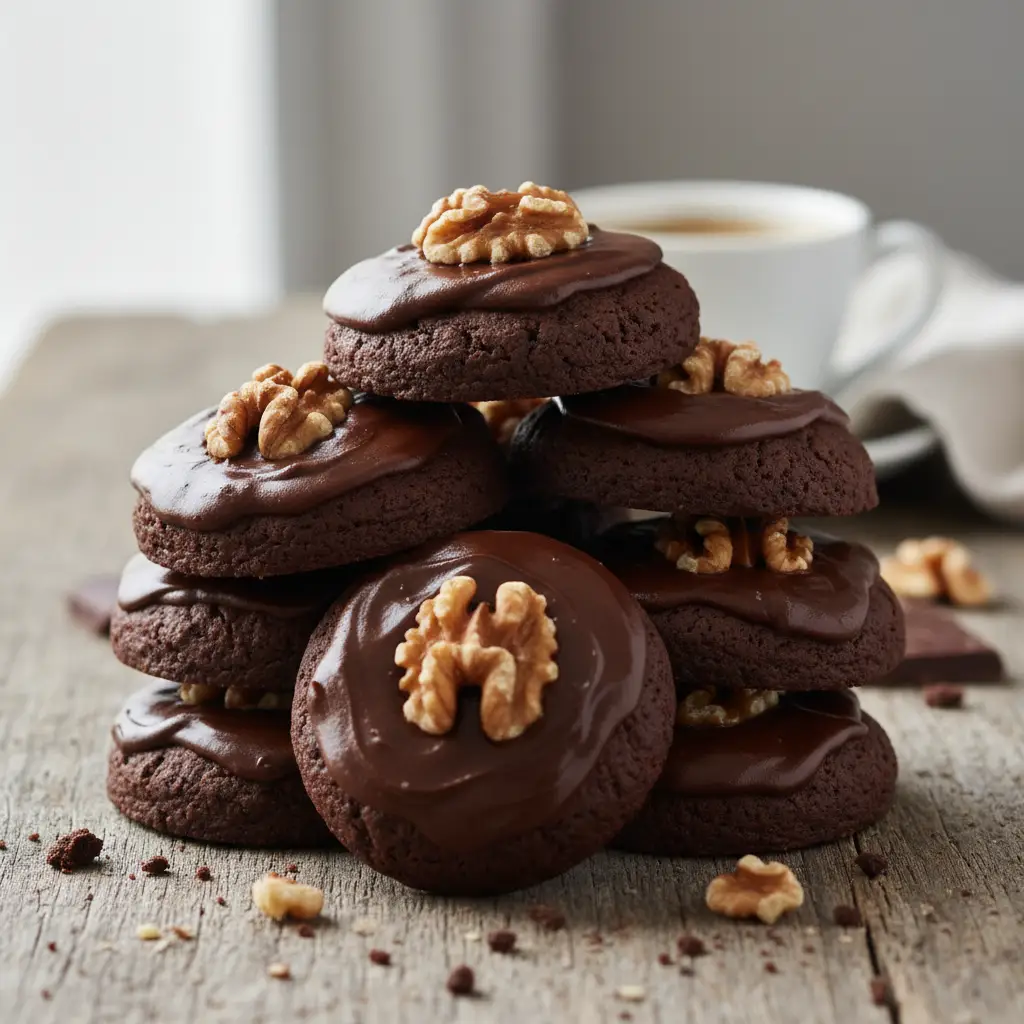
A Gluten Free Afghan Biscuits recipe recreates the iconic New Zealand classic by substituting standard wheat flour with a high-quality gluten-free flour blend and utilizing certified gluten-free cornflakes. These rich, chocolate cookies feature a distinctively crunchy texture, topped with decadent chocolate icing and a traditional walnut half, offering a safe, delicious treat for coeliacs.
For anyone navigating a coeliac lifestyle in New Zealand, the Afghan biscuit is more than just a cookie; it is a cultural institution. Traditionally found in every cafe cabinet and grandmother’s tin from Auckland to Dunedin, this crunchy, chocolatey delight is often off-limits due to the wheat flour and malt-flavoured cornflakes. However, mastering a gluten free afghan biscuits recipe allows you to reclaim this piece of Kiwi heritage without compromising your health.
What Makes the Perfect Gluten Free Afghan Biscuit?
The Afghan biscuit is unique to New Zealand cuisine. It is not a cookie that spreads; rather, it is a dense, butter-rich morsel that relies heavily on cornflakes for structure and texture. The perfect gluten-free version must replicate two distinct characteristics: the “melt-in-your-mouth” buttery base and the satisfying “crunch” of the cornflakes.
In standard baking, gluten provides the binding agent that holds the heavy volume of cornflakes together. When removing gluten, the challenge becomes creating a binding matrix that prevents the biscuit from crumbling into a pile of chocolate dust upon the first bite. Success lies in the ratio of butter to flour and the specific type of gluten-free flour blend used.
Essential Ingredients for Authentic Flavour
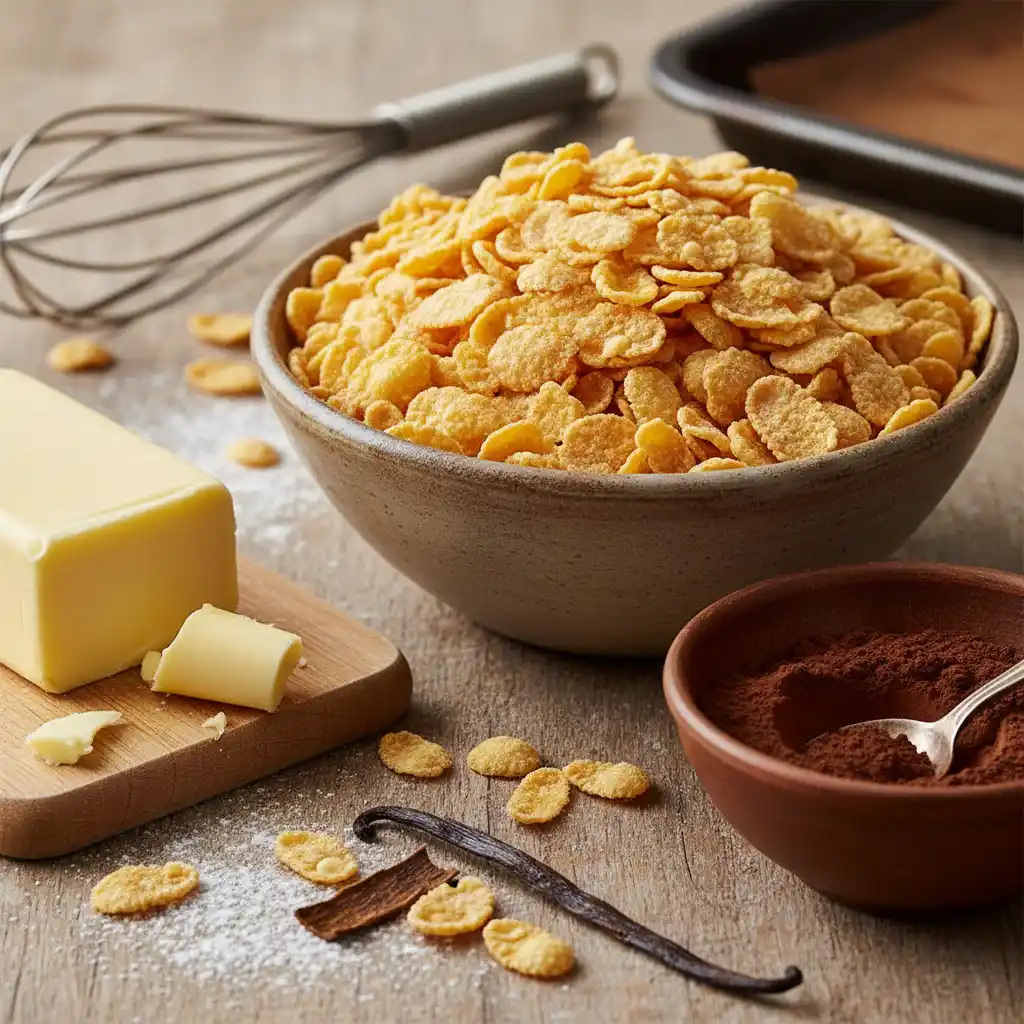
To achieve the depth of flavour required for a high-quality Afghan, ingredient selection is paramount. Unlike sugar cookies which mask ingredients with sweetness, Afghans are cocoa-forward and rely on the quality of the butter.
The Gluten-Free Flour Blend
Do not use coconut flour or almond flour if you want a traditional texture. You need a high-quality gluten-free plain flour blend that includes a binder like xanthan gum or guar gum. If your blend does not contain xanthan gum, you must add half a teaspoon to ensure the dough holds the cornflakes. Rice flour alone is often too gritty, so look for blends containing tapioca starch or potato starch for smoothness.
Butter and Sugar
Softened butter is non-negotiable. It must be soft enough to cream easily but not melted. If the butter is melted, the biscuits will spread too much and lose their signature height. Standard white sugar is traditional, but casting sugar dissolves easier, creating a finer crumb.
Cocoa Powder
Use high-quality Dutch-processed cocoa powder. This provides a darker colour and a smoother, less acidic chocolate flavour compared to natural cocoa. The richness of the cocoa balances the plainness of the cornflakes.
Replacing Cornflakes with GF Options
The most critical substitution in this recipe is the cornflakes. Many home bakers assume all cornflakes are gluten-free because they are made of corn. This is a dangerous misconception for coeliacs.
Traditional cornflakes are flavored with barley malt extract, which contains gluten. Consuming these can cause severe reactions for those with Coeliac disease. When shopping in New Zealand supermarkets, you must look for cornflakes explicitly labelled “Gluten Free.” Brands like Hubbards or specific ranges within the Sanitarium or Kellogg’s lines (depending on current formulations) often offer GF variants. Always check the ingredients list for “barley malt” or “malt extract.”
Texture Tip: Gluten-free cornflakes can sometimes be harder or thicker than traditional ones. Before adding them to your mixture, give them a very gentle crush in your hands. You want them to be integrated into the dough, not sitting entirely separate from it, which causes the biscuit to fall apart.
Getting the Texture Right: The Crunch Factor
One of the most common complaints with gluten-free baking is a sandy or crumbly texture. With Afghans, this issue is compounded by the inclusion of dry cornflakes. To ensure your biscuits are robust:
- Cream Thoroughly: Beat the butter and sugar until pale and fluffy. This aeration helps the structure.
- Do Not Over-Mix: Once you add the flour and cornflakes, mix only until combined. Over-working gluten-free flour can sometimes lead to a gummy texture, though it is less risky than wheat flour.
- Chill the Dough: If your kitchen is warm, chill the dough for 15 minutes before rolling. This solidifies the butter and prevents spreading.
- Cooling is Critical: Gluten-free biscuits are incredibly fragile when hot. You must leave them on the baking tray for at least 10–15 minutes after removing them from the oven. If you try to move them to a wire rack too soon, they will disintegrate. They firm up as they cool.
Step-by-Step Gluten Free Afghan Biscuits Recipe
This recipe yields approximately 12-15 large biscuits.
Ingredients
- 200g Butter, softened
- ½ cup White Sugar
- 1 ¼ cups Gluten-Free Plain Flour (with xanthan gum)
- ¼ cup Cocoa Powder
- 2 cups Gluten-Free Cornflakes
The Method
- Preheat: Preheat your oven to 180°C (160°C fan-forced). Line a baking tray with baking paper.
- Cream: In a large bowl, beat the softened butter and sugar together until the mixture is pale and creamy.
- Sift: Sift the gluten-free flour and cocoa powder into the butter mixture. Stir until well combined. The mixture might look dry initially, but keep mixing; the butter will hydrate the flour.
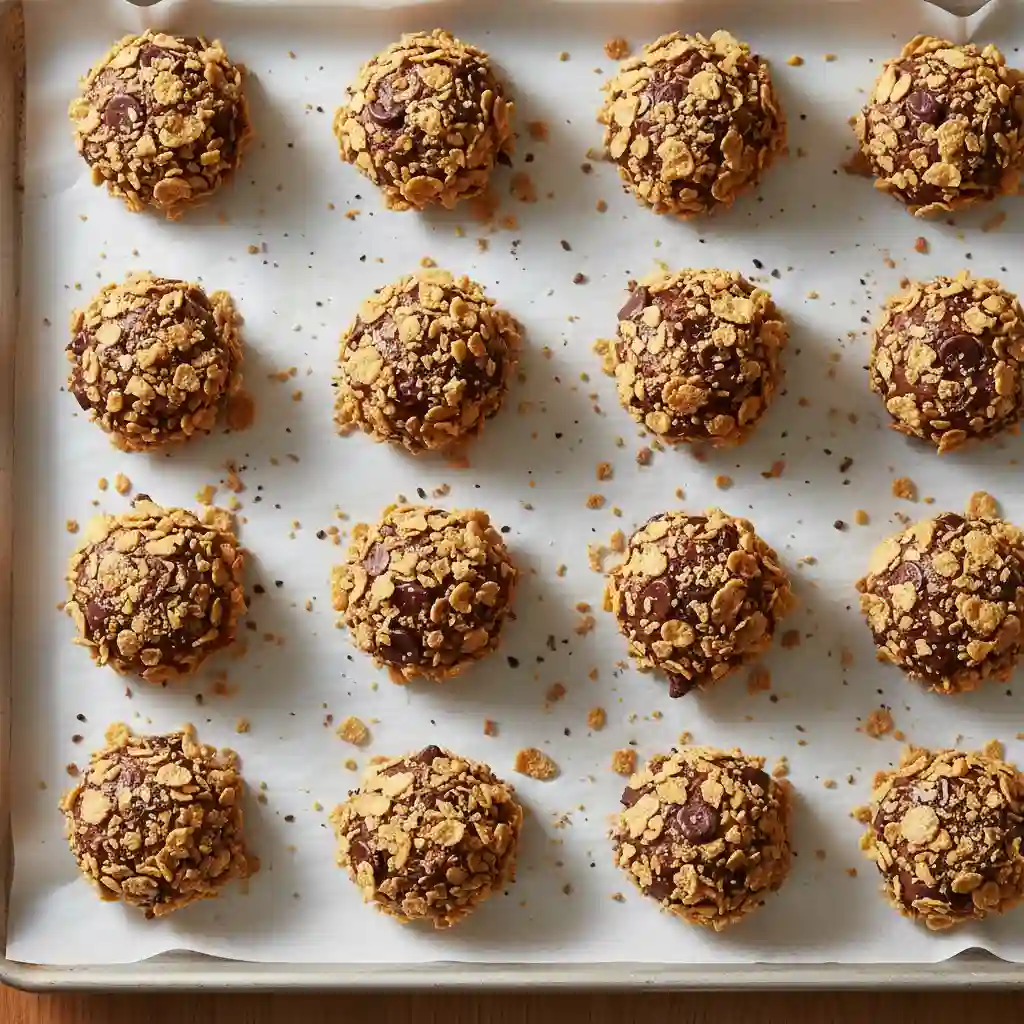
- Fold: Gently fold in the gluten-free cornflakes. Try not to crush them into dust, but ensure they are coated in the chocolate dough.
- Shape: Take spoonfuls of the mixture and roll them into balls. Place them on the prepared tray and flatten them slightly with a fork or the palm of your hand. They should be relatively thick.
- Bake: Bake for 12–15 minutes. They should feel set around the edges but may still be soft in the middle. Do not overbake, or they will become dry.
- Cool: Allow to cool on the tray completely before icing.
Traditional Walnut Decoration and Icing
An Afghan biscuit is not an Afghan without the signature chocolate icing and a walnut half. This originated in the early 20th century and remains the standard presentation in New Zealand cafes.
The Icing
While you can use melted chocolate, the traditional topping is a chocolate buttercream or a simple icing sugar glaze.
- Simple Glaze: Mix 1 cup of icing sugar, 1 tablespoon of cocoa powder, a knob of melted butter, and a splash of boiling water. Mix until you have a thick, spreadable consistency.
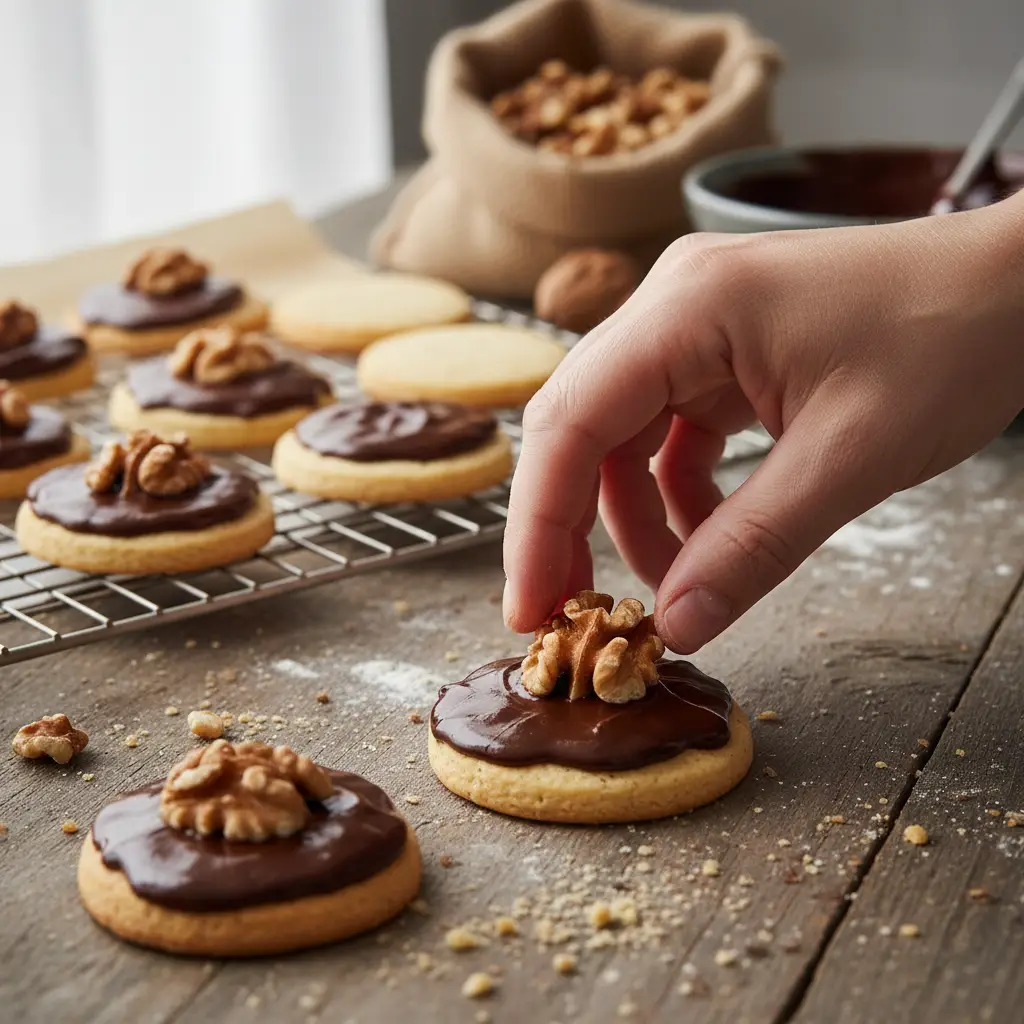
- Application: Place a generous teaspoon of icing on the centre of the cold biscuit and spread it slightly towards the edges, but leave a rim of the biscuit visible.
The Walnut
Press a walnut half firmly into the icing while it is still wet. The bitterness of the walnut cuts through the sweetness of the icing and the richness of the biscuit, providing a necessary flavour balance. For those with nut allergies (outside of the almond/flour restrictions), pumpkin seeds or a dried apricot piece can be a modern, travel-friendly twist, though less traditional.
Gifting Ideas and Storage
For the Coeliac New Zealand traveller or lifestyle enthusiast, these biscuits make exceptional gifts. They are sturdy enough (once cooled) to travel well, making them perfect for bringing to a shared morning tea where cross-contamination is usually a worry.
Storage: Store in an airtight container in a cool, dark place. Due to the high butter content, they can go soft if left in direct sunlight. They will keep fresh for up to 5 days, though the cornflakes may lose a little crunch over time.
Gifting Presentation: Stack 4-5 biscuits in a clear cellophane bag and tie with a rustic twine or a black ribbon for a sophisticated look. Include a small tag noting they are “100% Coeliac Safe” so the recipient knows they can enjoy them without worry.
Why are my gluten free Afghan biscuits crumbling?
Crumbling usually occurs because there is not enough binding agent (xanthan gum) in your flour blend, or the biscuits were moved while still hot. Ensure you use a high-quality GF blend and let the biscuits cool completely on the tray to firm up.
Can I use crushed Weetbix instead of Cornflakes?
No, standard Weetbix contains wheat and is not gluten-free. While there are gluten-free Weetbix alternatives made from sorghum, the texture is different. Cornflakes are the traditional and superior choice for the correct crunch and structure.
Do I need to add Xanthan Gum to the recipe?
If your gluten-free flour blend already contains xanthan gum (check the ingredients list), you do not need to add more. If you are using plain rice flour or a blend without binders, add ½ teaspoon of xanthan gum to prevent the biscuits from falling apart.
Can I freeze gluten free Afghan biscuits?
Yes, you can freeze the baked biscuits without the icing and walnuts. Store them in an airtight container for up to 3 months. Thaw at room temperature and add the icing and walnuts fresh before serving for the best texture.
Why did my Afghan biscuits spread too much?
Spreading usually happens if the butter was melted rather than just softened, or if the oven temperature was too low. Ensure your butter is room temperature but solid, and chill the dough for 15 minutes before baking if your kitchen is hot.
Are all cornflakes gluten free in New Zealand?
No. Most standard cornflakes contain barley malt extract, which contains gluten. You must buy cornflakes specifically labelled “Gluten Free” to ensure they are safe for coeliacs.