
Finding safe gluten-free restaurants in NZ requires identifying venues accredited by the Coeliac New Zealand Dining Out Programme, which ensures strict protocols against cross-contamination. While many Kiwi eateries offer gluten-free options, diners with Coeliac disease must distinguish between “gluten-friendly” menus and dedicated safe preparation areas to dine without risk.
New Zealand has developed a world-class reputation for food safety and dietary inclusivity, making it a fantastic destination for gluten-free travellers and locals alike. However, navigating the nuances between a lifestyle preference and a medical necessity remains a critical skill for safe dining. This comprehensive guide explores how to identify safe venues, what to ask hospitality staff, and where to find the best gluten-free experiences across the country.
How to Eat Out Safely with Coeliac Disease in NZ?
Eating out in New Zealand when you have Coeliac disease or a severe gluten intolerance requires more than just scanning a menu for “GF” symbols. While the hospitality industry in Aotearoa is generally well-educated regarding allergens, the varying degrees of kitchen safety can pose significant risks. To ensure a safe dining experience, one must adopt a proactive approach that begins long before entering the restaurant.

Understanding Cross-Contamination Risks
The primary danger in non-dedicated kitchens is cross-contamination. In New Zealand commercial kitchens, gluten is ubiquitous—found in flour dusting, pasta water, and deep fryers. Even if a dish contains naturally gluten-free ingredients, it can become unsafe through contact.
Common vectors for cross-contamination include:
- Shared Deep Fryers: Ideally, a restaurant should have a dedicated fryer for chips or gluten-free fried chicken. If they fry crumbed fish in the same oil as your fries, the oil is contaminated.
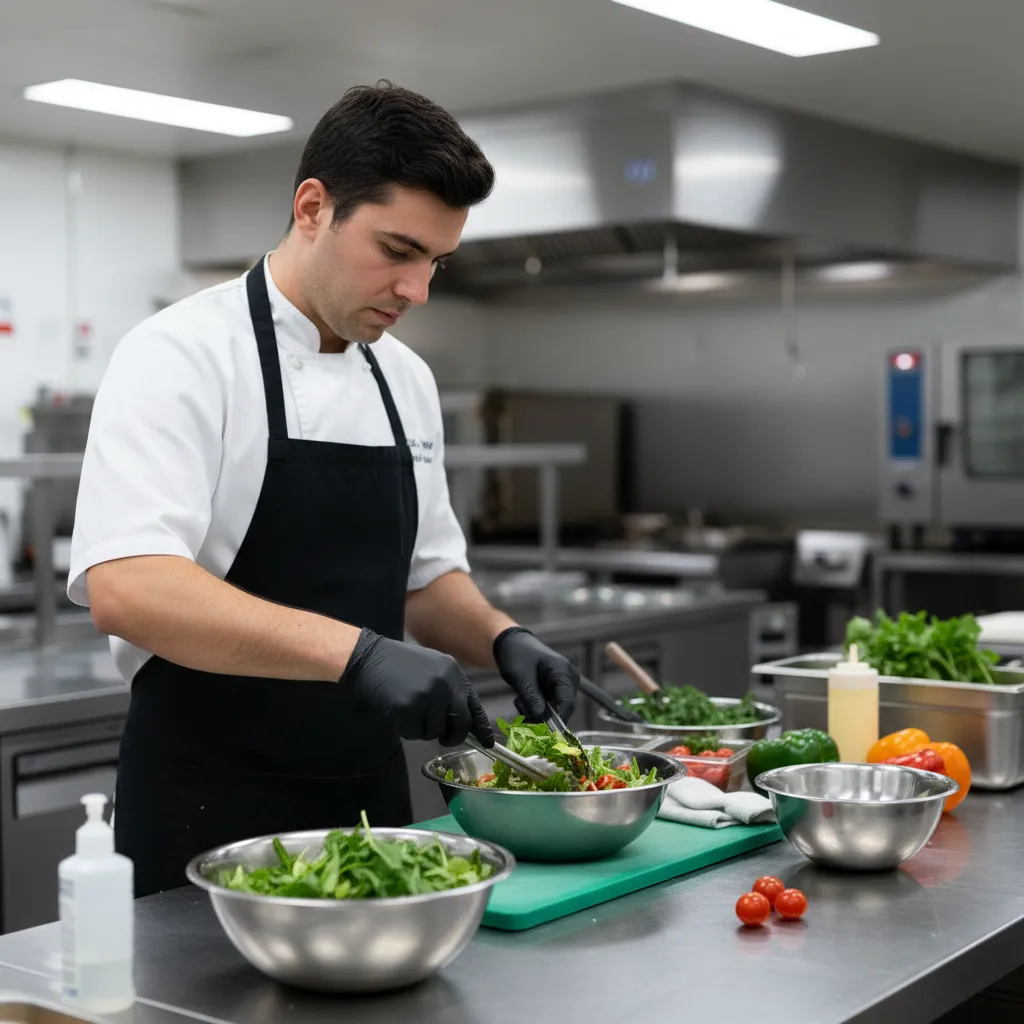
- Toasters and Grill Plates: Gluten-free bread toasted in the same slot as wheat bread picks up crumbs. Similarly, steaks grilled on the same surface as buns can be compromised.
- Pasta Water: Boiling gluten-free pasta in water previously used for wheat pasta is a major safety violation.
- Utensils and Boards: Using the same knife to cut a gluten-free sandwich as a regular one transfers gluten particles.
“Gluten-Free” vs. “Low Gluten” Labeling
In New Zealand and Australia, food labeling standards are among the strictest in the world. However, restaurant menus can sometimes be ambiguous. You may encounter terms like “Gluten Friendly,” “Made without Gluten,” or “Low Gluten.”
“Gluten Friendly” usually implies the ingredients are gluten-free, but the kitchen cannot guarantee zero cross-contamination. This is often suitable for those avoiding gluten for lifestyle reasons but is unsafe for Coeliacs. Conversely, a strict “Gluten-Free” claim on a menu implies the food is safe for Coeliacs, but you must always verbally verify this with the staff to ensure they understand the medical severity.
What Questions Should You Ask Your Server?
Communication is your strongest defense. Never assume a dish is safe; always verify. New Zealand waitstaff are generally friendly and willing to help, but they need specific prompts to check with the kitchen effectively.
The Pre-Booking Script
Call ahead whenever possible. Trying to negotiate dietary requirements during a busy Friday night service is stressful for both you and the staff. When calling to book, try saying:
“Hi, I’d like to make a reservation. I have Coeliac disease, which means I have a severe medical reaction to gluten. Do you have a separate preparation area in the kitchen, or can you guarantee a meal free from cross-contamination?”
On-Arrival Checklist
Once seated, reiterate your needs. Here are the specific questions to ask your server to uncover hidden risks:
- “Is the deep fryer dedicated gluten-free?” If the answer is no, avoid anything fried, including chips, unless they are pan-fried separately.
- “How is the gluten-free bread toasted?” Listen for “dedicated toaster” or “on a piece of foil/baking paper under the grill.”
- “Are the sauces and marinades gluten-free?” Soy sauce and thickeners in gravies are common hidden sources of wheat.
- “Can the chef clean the grill before cooking my meal?” This is vital for burgers and steaks.
- “Do you use a separate colander and water for gluten-free pasta?”
What is the Coeliac NZ Dining Out Programme?
For the highest level of assurance, look for the Coeliac New Zealand (CNZ) Dining Out Programme accreditation. This is the gold standard for gluten-free dining in NZ.
Venues that carry the Dining Out Programme logo have undergone rigorous training and auditing. To achieve this status, a restaurant must:
- Complete training modules for management, front-of-house, and kitchen staff regarding Coeliac disease and safe food handling.
- Undergo an independent audit to verify their kitchen practices separate gluten from non-gluten items effectively.
- Agree to random testing and re-auditing to maintain their status.
When you see the blue crossed-grain or the Dining Out Programme sticker on a restaurant window in Auckland, Wellington, or Christchurch, you can dine with a much higher degree of confidence. These venues understand that a crumb of bread is not just a nuisance, but a health hazard.
Regional Gluten-Free Dining Guide: Where to Eat?
New Zealand’s major cities offer a vibrant culinary scene with extensive options for gluten-free diners. Below is an overview of what to expect in the main hubs.
Auckland: The GF Capital
Auckland boasts the highest concentration of accredited venues. The city is home to several 100% dedicated gluten-free bakeries and cafes, meaning you can walk in and order anything from the cabinet without asking a single question—a rare luxury for Coeliacs.
Look for cafes in suburbs like Ponsonby and Grey Lynn, which are known for their health-conscious demographics. You will find dedicated gluten-free grocers and high-end bistros that offer separate GF menus. Asian fusion restaurants in the CBD often clearly mark GF options, though care must be taken with soy sauce.
Wellington: The Coffee and Brunch Hub
Wellington’s cafe culture is legendary, and fortunately, it is very inclusive. Many iconic Wellington eateries offer gluten-free alternatives to their famous cheese scones and brunch staples.
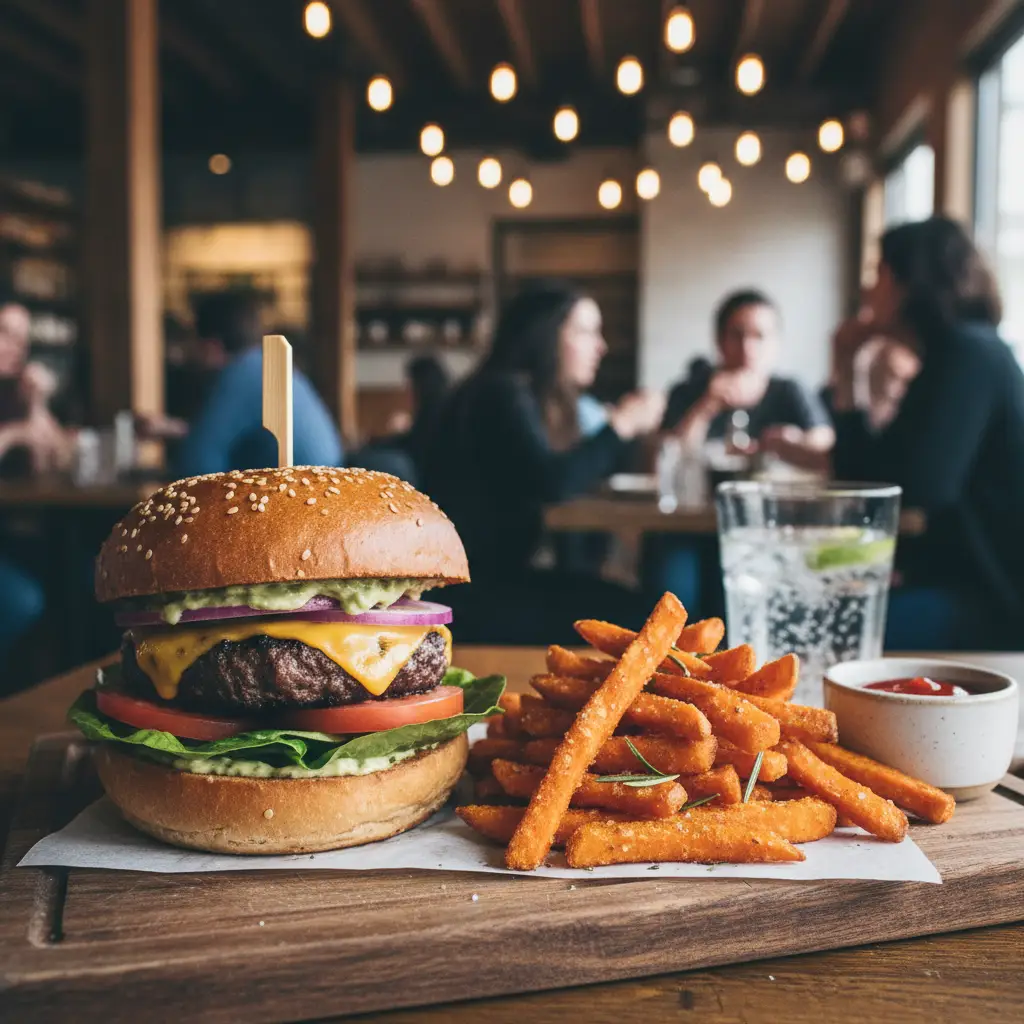
Cuba Street and the waterfront area are hotspots. Wellington is particularly good at catering to multiple allergies simultaneously (e.g., Dairy-Free and Gluten-Free). Several burger joints in the capital are renowned for having dedicated fryers and high-quality GF buns that don’t crumble instantly.
Christchurch & The South Island
Christchurch has seen a resurgence in hospitality with many new, modern eateries designed with dietary requirements in mind. The Riverside Market offers various stalls, some of which are entirely gluten-free.
Further south, Queenstown caters heavily to international tourists, meaning staff are well-versed in dietary requests. You can find accredited fine dining with views of the Remarkables, as well as safe, quick bites for after a day on the ski slopes. Be cautious in smaller, rural South Island towns where “gluten-free” might simply mean “no bread” rather than “no cross-contamination.”
Navigating International Cuisines in NZ
Not all cuisines are created equal when it comes to gluten risk. Here is a quick risk assessment for common dining options in New Zealand:
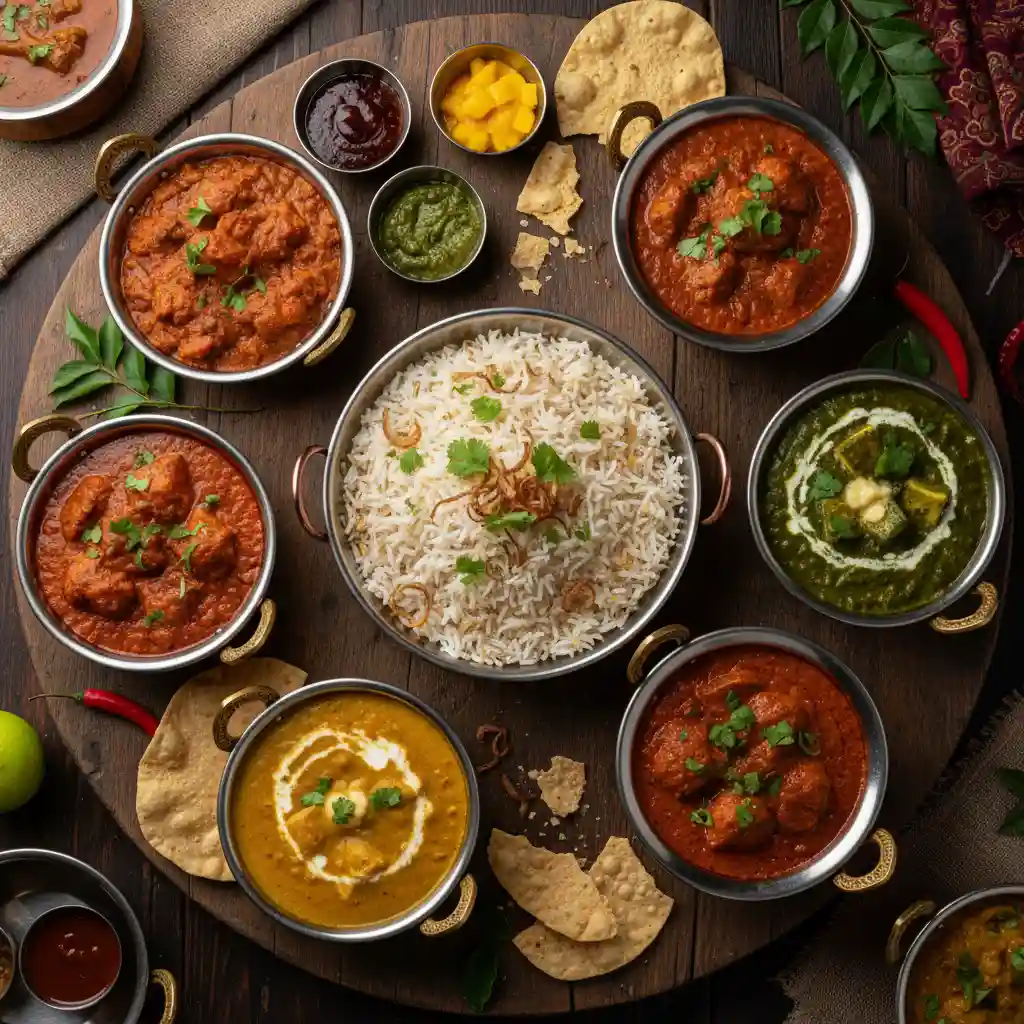
- Indian Cuisine (Low Risk): Generally very safe. Most curries are thickened with vegetable purees, chickpea flour, or cashew paste rather than wheat flour. Pappadums are made from lentil flour. Avoid naan bread and ask if the tandoor oven is shared.
- Thai & Vietnamese (Medium Risk): Rice noodles are a staple, which is great. However, soy sauce is common. You must ask for “Gluten-Free Soy Sauce” or Tamari. Fish sauce is usually GF, but always check.
- Mexican (Low to Medium Risk): Authentic corn tortillas are safe, but many NZ-Mex places use wheat tortillas. Nachos are usually safe if the chips are 100% corn and fried in a dedicated fryer.
- Italian (High Risk): High risk of flour in the air. Only eat at Italian restaurants that offer certified gluten-free pasta and pizza bases and, crucially, cook them in separate water/ovens.
- Fish and Chips (High Risk): The Kiwi classic. Unless the shop advertises a “Gluten-Free Night” or a dedicated fryer with rice-flour batter, this is generally a no-go zone due to oil contamination.
Essential Apps and Resources
Technology has made dining out significantly easier. In New Zealand, two primary resources dominate:
- Find Me Gluten Free (App): Widely used in NZ. It relies on user reviews. Look for reviews from users who identify as “Celiac” rather than just “Gluten Free” to gauge safety levels.
- Coeliac New Zealand Website: The official body maintains a directory of accredited Dining Out Programme partners. This is the most reliable list available.
By combining these digital tools with the right questions and a basic understanding of kitchen protocols, you can enjoy New Zealand’s diverse culinary landscape without compromising your health.
Frequently Asked Questions
Is McDonald’s NZ gluten-free safe?
McDonald’s New Zealand does not offer a certified gluten-free menu. While some items may not contain gluten ingredients (like beef patties without buns), the risk of cross-contamination in their fast-paced kitchens is extremely high. They generally do not recommend their food for those with Coeliac disease.
What is the difference between Coeliac and gluten intolerance?
Coeliac disease is an autoimmune condition where gluten damages the small intestine lining, causing long-term health issues. Gluten intolerance (or sensitivity) causes uncomfortable symptoms like bloating and pain but does not damage the intestine. Coeliacs require strict cross-contamination protocols, whereas intolerant diners may tolerate small traces.
Are Hell Pizza gluten-free bases safe for Coeliacs?
Hell Pizza is one of the few chains in NZ that is accredited by the Coeliac NZ Dining Out Programme. They follow strict procedures to prevent cross-contamination, making their gluten-free pizzas generally safe for Coeliacs, provided the store adheres to the accredited standards.
Can I bring my own gluten-free food into a restaurant in NZ?
Most restaurants in New Zealand do not allow outside food due to food safety regulations. However, if you have severe allergies, many venues are understanding if you call ahead to explain. It is polite to ask for permission rather than assuming it is permitted.
Is soy sauce in New Zealand gluten-free?
Standard soy sauce contains wheat and is not gluten-free. You must look for “Tamari” or soy sauce specifically labeled “Gluten-Free.” Most Asian restaurants in NZ use standard soy sauce, so you must specifically request a gluten-free alternative.
How do I find 100% gluten-free bakeries in NZ?
The best way to find 100% dedicated gluten-free bakeries is through the Coeliac New Zealand directory or by using the “Dedicated Gluten Free” filter on the Find Me Gluten Free app. Major cities like Auckland and Christchurch have several dedicated venues.