

Gluten Free New Zealand: The Ultimate Resource for Coeliac Health and Living
Navigating a gluten-free lifestyle in New Zealand (Aotearoa) has evolved from a niche dietary requirement into a well-supported, mainstream health movement. Whether you are a newly diagnosed coeliac, a long-term sufferer of gluten intolerance, or a caregiver, understanding the landscape of gluten free New Zealand is essential for maintaining health and quality of life. In this comprehensive guide, we delve deep into the resources, medical pathways, and community support systems that make New Zealand one of the most progressive countries for those avoiding gluten. The journey toward health begins with knowledge, and in New Zealand, that knowledge is anchored by world-class standards and a passionate community dedicated to coeliac advocacy.

For many, the transition to a gluten-free diet follows a period of significant health challenges. Coeliac disease, an autoimmune disorder where the ingestion of gluten leads to damage in the small intestine, affects approximately 1 in 70 New Zealanders. However, it is estimated that up to 80% of those with the condition remain undiagnosed. This gap highlights the critical need for a centralized knowledge hub. In New Zealand, the term ‘gluten-free’ is not just a marketing buzzword; it is a clinical necessity governed by strict food standards that ensure safety for those whose immune systems react to even trace amounts of wheat, rye, barley, and oats. Living gluten-free in New Zealand means joining a community that values transparency, safety, and culinary innovation.
Coeliac New Zealand: Your Primary Support Network
At the heart of the gluten-free movement in Aotearoa is Coeliac New Zealand (CNZ). This non-profit organization serves as the primary authority and support network for individuals living with coeliac disease and dermatitis herpetiformis. Their mission is to provide support, information, and advocacy to those affected by the condition, ensuring that every New Zealander can live a healthy life, gluten-free. CNZ works tirelessly to bridge the gap between medical professionals, food manufacturers, and the end consumer.
Membership with Coeliac New Zealand offers a wealth of benefits, including access to the ‘Coeliac Link’ magazine, which provides the latest medical research, recipes, and product reviews. Perhaps most importantly, CNZ manages the Crossed Grain Logo program in New Zealand. This internationally recognized symbol is a quick and reliable way for consumers to identify products that have been tested and proven to meet the strict FSANZ (Food Standards Australia New Zealand) criteria for gluten-free status. By supporting CNZ, individuals contribute to a collective voice that advocates for better food labelling laws and increased public awareness of the disease.
The Path to Diagnosis: Navigating the NZ Healthcare System
The journey to a gluten-free life in New Zealand typically begins in a GP’s office. If you suspect you have coeliac disease, the most crucial advice is: do not stop eating gluten before you are tested. Testing for coeliac disease requires the presence of gluten-related antibodies in the blood and, subsequently, evidence of damage in the small intestine. If gluten is removed from the diet prematurely, these markers may disappear, leading to a false-negative result.
The diagnostic pathway in New Zealand generally follows a two-step process. First, a GP will order a Coeliac Serology blood test to look for Tissue Transglutaminase (tTG) antibodies. If these levels are elevated, the patient is usually referred to a gastroenterologist for a small bowel biopsy. This procedure, often performed via endoscopy, is the ‘gold standard’ for diagnosis. In New Zealand, this can be accessed through the public health system (though waiting lists vary) or via private healthcare for those with insurance or the means to pay. A formal diagnosis is vital not only for personal health management but also for accessing certain government supports and ensuring that medical professionals take your dietary needs seriously in hospital or aged-care settings.
Decoding New Zealand Food Labels and Safety Standards
New Zealand operates under the Australia New Zealand Food Standards Code, which contains some of the most stringent gluten-free labelling laws in the world. Specifically, Standard 1.2.7 and Standard 1.2.8 dictate how gluten must be declared on packaging. In New Zealand, a product can only be labelled ‘Gluten-Free’ if it contains ‘No Detectable Gluten.’ This is a higher standard than in many other countries, such as the US or parts of Europe, where ‘gluten-free’ can mean up to 20 parts per million (ppm). This rigorous standard provides an extra layer of safety for sensitive individuals.
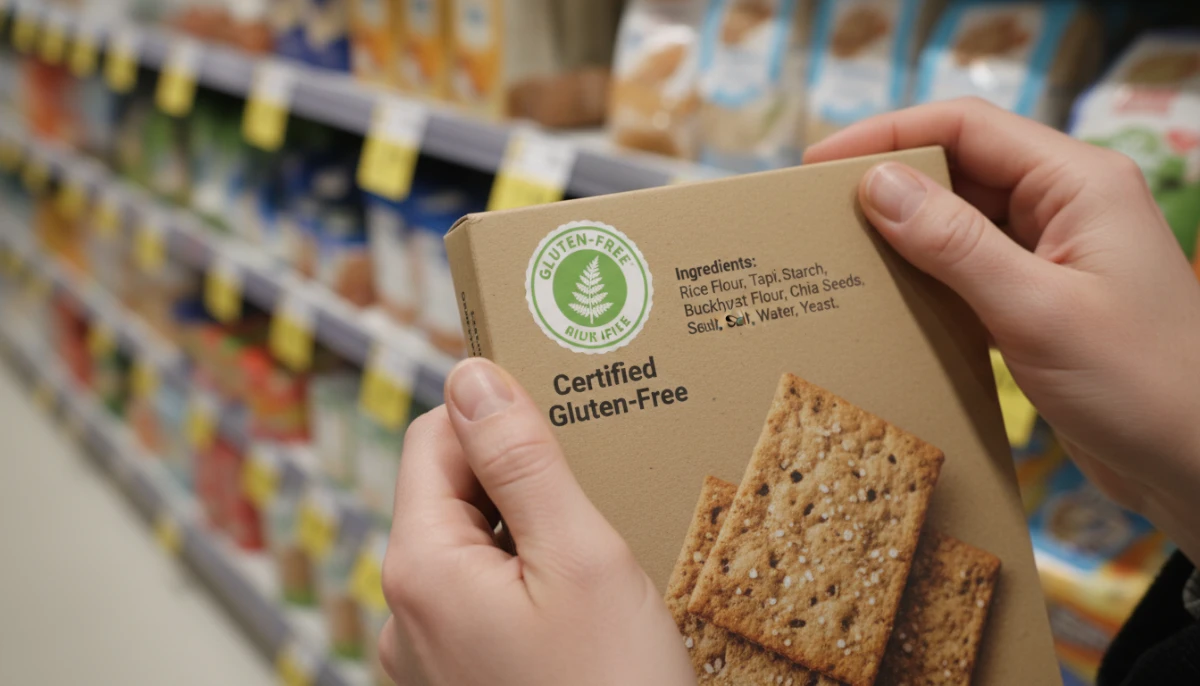
However, shoppers must still be vigilant. The ‘May Contain’ statements—often referred to as Precautionary Allergen Labelling (PAL)—are voluntary in New Zealand. These statements indicate that while gluten is not an intentional ingredient, there is a risk of cross-contamination during the manufacturing process. For those with coeliac disease, these statements require careful consideration and often a conversation with the manufacturer. Understanding the difference between ‘gluten-free’ and ‘low gluten’ is also essential; ‘low gluten’ products (which can contain up to 200ppm) are generally not suitable for those with coeliac disease in New Zealand.
Shopping and Dining Out: A Kiwi Perspective
New Zealand’s major supermarket chains—Woolworths (formerly Countdown), New World, and PAK’nSAVE—have significantly expanded their gluten-free offerings over the last decade. Most stores now feature a dedicated ‘Health’ or ‘Gluten-Free’ aisle, stocking everything from locally made breads like Vogel’s Gluten-Free range to international staples. Kiwi brands such as Bakels, Venerdi, and Hubbards have become household names for their commitment to quality gluten-free production.
Dining out in New Zealand has also become safer thanks to the Dining Out Programme (DOP) administered by Coeliac New Zealand. This program trains and accredits restaurants, cafes, and hotels in safe gluten-free food preparation practices. When you see the DOP logo in a window or on a menu, you can have greater confidence that the staff understand the risks of cross-contamination and the importance of using separate utensils and preparation areas. From the gluten-free fish and chips in coastal towns to high-end degustation menus in Auckland and Wellington, the options for safe dining are vast and growing.
Latest Research and Innovations in the NZ Gluten-Free Space
New Zealand is not just a consumer of gluten-free products; it is a hub for research and innovation. Local universities and crown research institutes are constantly investigating the genetic markers of coeliac disease and the development of new, high-quality gluten-free grains. One area of ongoing discussion in New Zealand is the status of oats. Unlike in the Northern Hemisphere, oats are not considered gluten-free in New Zealand, even if they are ‘certified’ elsewhere. This is because a percentage of people with coeliac disease react to avenin, a protein in oats similar to gluten. New Zealand research continues to lead the way in understanding this sensitivity.
Furthermore, the rise of ‘Gluten-Free NZ’ social media groups and local support circles has fostered a grassroots movement of recipe sharing and product discovery. These communities provide real-time updates on new products hitting the shelves and warnings about recipe changes in popular brands. The intersection of technology and health is evident in apps like ‘The Coeliac NZ App,’ which helps users scan barcodes to check for gluten status against a verified database.

Conclusion: Embracing a Vibrant Gluten-Free Life in Aotearoa
Living gluten-free in New Zealand is a journey that, while challenging at first, is supported by a robust framework of medical expertise, strict food safety laws, and a vibrant community. By leveraging the resources provided by Coeliac New Zealand, understanding the diagnostic pathway, and becoming a savvy label reader, you can navigate the gluten-free landscape with confidence. New Zealand offers a wealth of safe, delicious, and nutritious options that ensure a diagnosis of coeliac disease is not an end to culinary enjoyment, but the beginning of a new, healthier chapter. Stay informed, stay connected, and enjoy the best of what gluten free New Zealand has to offer.