
Foods with hidden gluten are products that appear safe but contain wheat, barley, or rye derivatives masked by ambiguous labeling or processing methods. Common culprits include soy sauce, processed meats, salad dressings, and soups where gluten acts as a thickener, stabilizer, or flavor enhancer, posing serious risks for individuals with celiac disease.
Navigating a gluten-free diet requires more than simply avoiding bread and pasta. For those managing celiac disease or non-celiac gluten sensitivity, the grocery store can be a minefield of potential triggers. Gluten, a protein found in wheat, barley, and rye, possesses unique adhesive and thickening properties that make it a favorite additive in the food processing industry. Consequently, it lurks in products where consumers least expect it, hiding behind technical names and within complex ingredient lists.
The Science of Hidden Gluten
To understand where gluten hides, one must understand its function in food science. Gluten is not merely a nutrient; it is a functional protein. It provides elasticity to dough, acts as a binder in meat products, serves as a carrier for flavorings, and stabilizes emulsions in sauces. Because of these versatile characteristics, food manufacturers frequently utilize gluten-derived ingredients to improve the texture, mouthfeel, and shelf-life of processed foods.
For the uninitiated, this means that a product that looks entirely unconnected to grain—such as a chocolate bar or a bottle of salad dressing—may contain dangerous levels of gluten. The risk is compounded by labeling laws that vary by country. While the FDA requires the disclosure of wheat, it does not explicitly require the disclosure of barley or rye in the same manner, leaving loopholes for ingredients like “malt flavoring” or “yeast extract.”
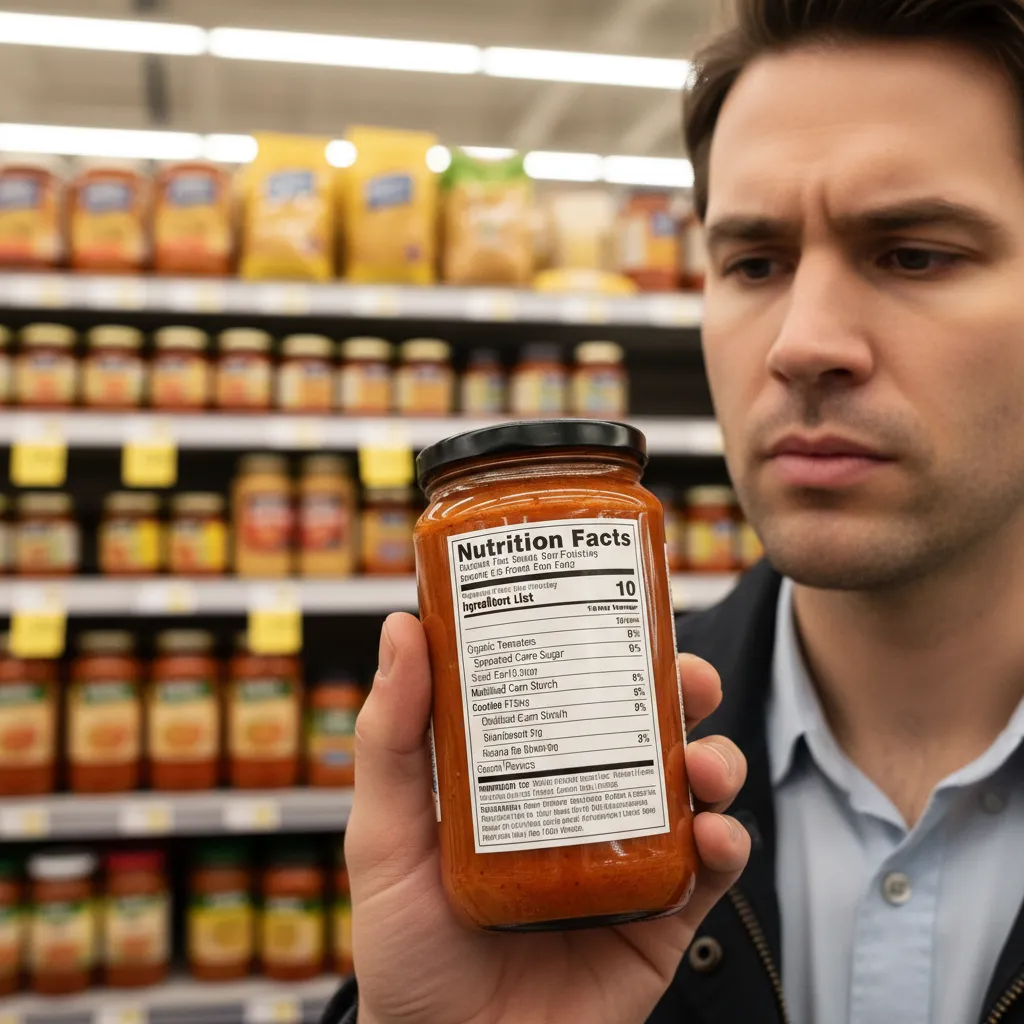
Soy Sauce and Malt Vinegar: The Liquid Traps
One of the most common sources of accidental gluten ingestion occurs with condiments, specifically soy sauce and vinegar varieties. These liquids are ubiquitous in restaurants and home cooking, often leading to inadvertent exposure.
Why does soy sauce contain gluten?
Traditional soy sauce is not made solely from soybeans. The fermentation process typically involves a mash of equal parts soybeans and crushed wheat. The wheat provides the sugars necessary for fermentation, which gives soy sauce its distinct savory depth. For someone with celiac disease, even a splash of standard soy sauce can trigger an autoimmune reaction. The alternative is Tamari, a Japanese-style soy sauce that is traditionally made with little to no wheat (though one must always check the label to ensure it is 100% gluten-free).
Is malt vinegar safe for celiacs?
No, malt vinegar is not safe. The term “malt” indicates that the product is derived from barley. Just as malted milkshakes and malted barley flour contain gluten, so does malt vinegar. It is the standard vinegar used on fish and chips and in many steak sauces. Distilled white vinegar, apple cider vinegar, and balsamic vinegar are generally gluten-free because the distillation process removes the gluten protein, or they are made from gluten-free sources like apples and grapes. However, if a label simply says “vinegar” and the ingredients list “malt,” it must be avoided.
Thickeners and Modified Food Starches
Processed foods often rely on thickening agents to achieve a desirable consistency. This category of ingredients represents one of the most confusing areas for gluten-free dieters due to the ambiguity of chemical naming conventions.
What is Modified Food Starch?
Modified food starch is a chemically altered starch used to withstand heat, acid, and freezing. The source of this starch can be corn, potato, tapioca, or wheat. In the United States, if the starch is derived from wheat, it must be declared on the label (e.g., “Modified Wheat Starch”). However, in other parts of the world, or in products with vague labeling, the source may not be specified. If a product label reads simply “Modified Food Starch” without a specified source, and the product is not certified gluten-free, it is prudent to exercise caution, although corn is the most common source in the US.
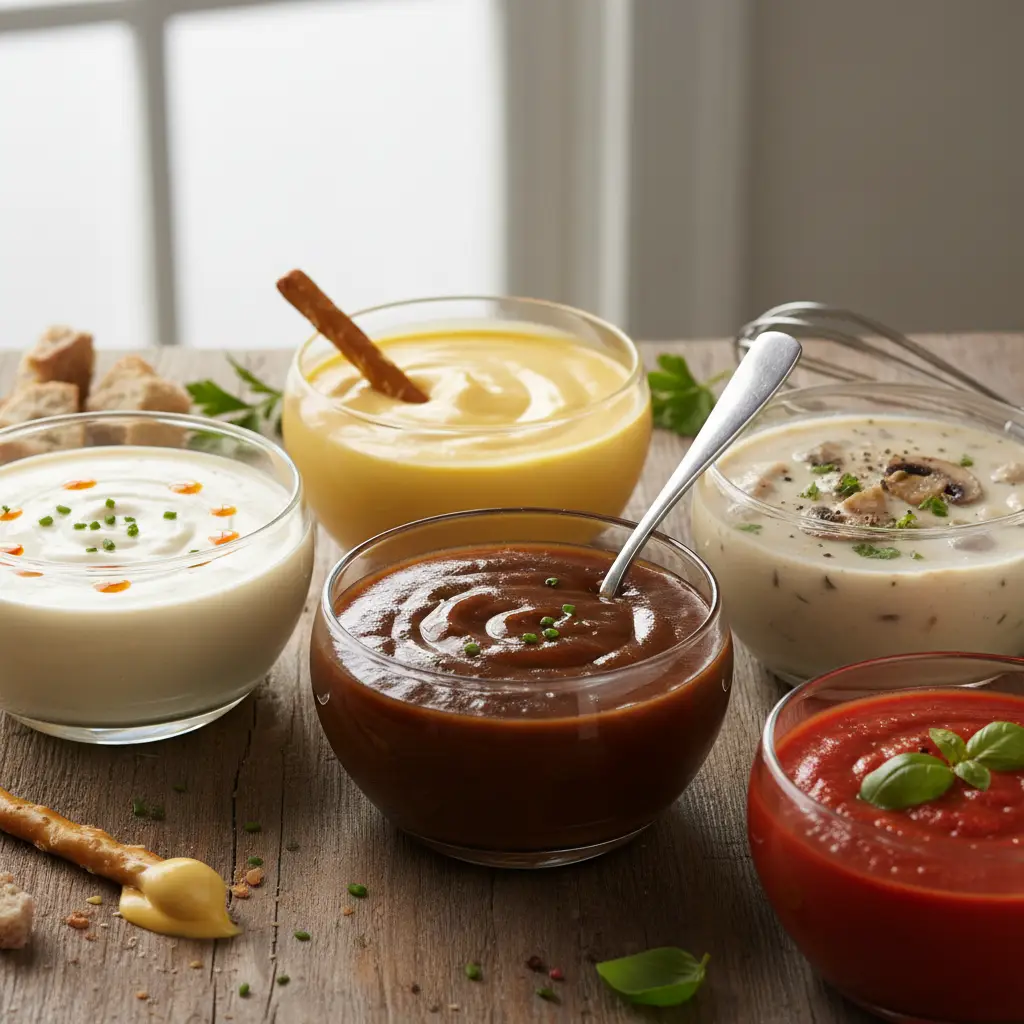
Hydrolyzed Vegetable Protein (HVP)
Hydrolyzed Vegetable Protein is a flavor enhancer similar to MSG. It is created by boiling vegetables (such as corn, soy, or wheat) in acid. If the protein source is wheat, the final product contains gluten. While labels are required to state “Hydrolyzed Wheat Protein,” older products or imported goods might simply list “Hydrolyzed Vegetable Protein,” creating a potential hazard.
Processed Meats and Fillers
Meat is naturally gluten-free, but processed meats are a different story. Manufacturers often use gluten-containing grains as fillers to increase the bulk of the product at a lower cost, or as binders to hold the meat together.
How to spot gluten in deli meats
Sausages, hot dogs, bologna, and salami are high-risk categories. The casing of the meat or the mixture inside may contain wheat flour or rusk (a breadcrumb-like filler). Furthermore, deli meats sliced at the counter pose a massive cross-contamination risk. If the same slicer is used for a gluten-containing loaf (like a pepper loaf with fillers) and then used for roast beef without thorough cleaning, the roast beef becomes contaminated.
The Imitation Crab Warning
Surimi, commonly known as imitation crab meat found in California rolls and seafood salads, is almost never gluten-free. It is a processed fish product that uses wheat starch as a binder to create the texture of crab meat. Always verify if a sushi roll uses real crab or imitation crab before consuming.
Condiments, Soups, and Sweets
The pantry is filled with items that seem innocent but harbor hidden gluten. Awareness of these specific categories is essential for maintaining a strict gluten-free regimen.
Cream-Based Soups and Bouillon
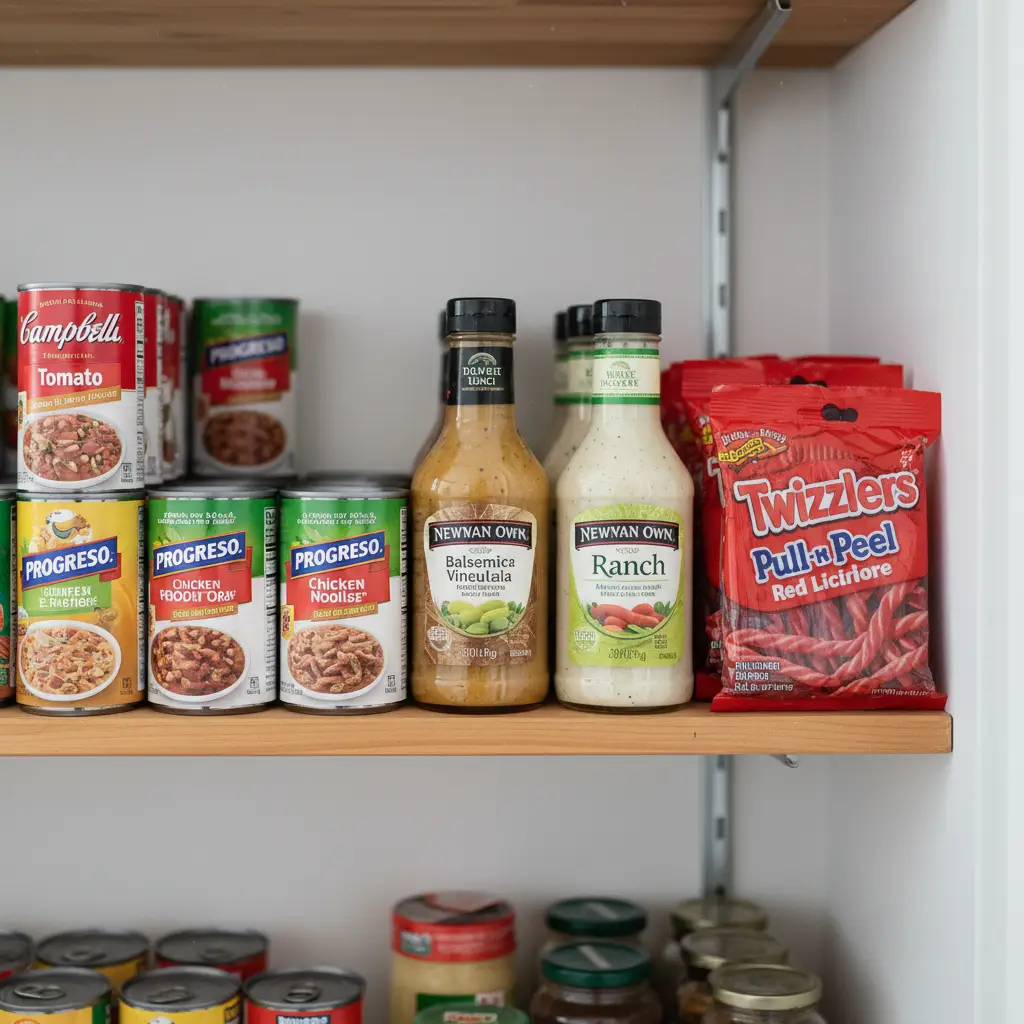
Most canned cream soups (cream of mushroom, cream of chicken) use wheat flour as a roux to thicken the soup. Additionally, bouillon cubes and stocks often contain yeast extract from barley or hydrolyzed wheat protein to boost the savory flavor profile. Always look for stocks labeled explicitly as “Gluten-Free.”
Licorice and Confectionery
Many people are shocked to learn that red and black licorice are essentially candy-coated wheat flour. Wheat is the primary ingredient in most major licorice brands. Furthermore, chocolate bars that include wafers or cookie bits are obvious sources, but even plain chocolate can be risky if it is molded on shared equipment that processes pretzel-containing chocolates.
Cross-Contamination in Manufacturing
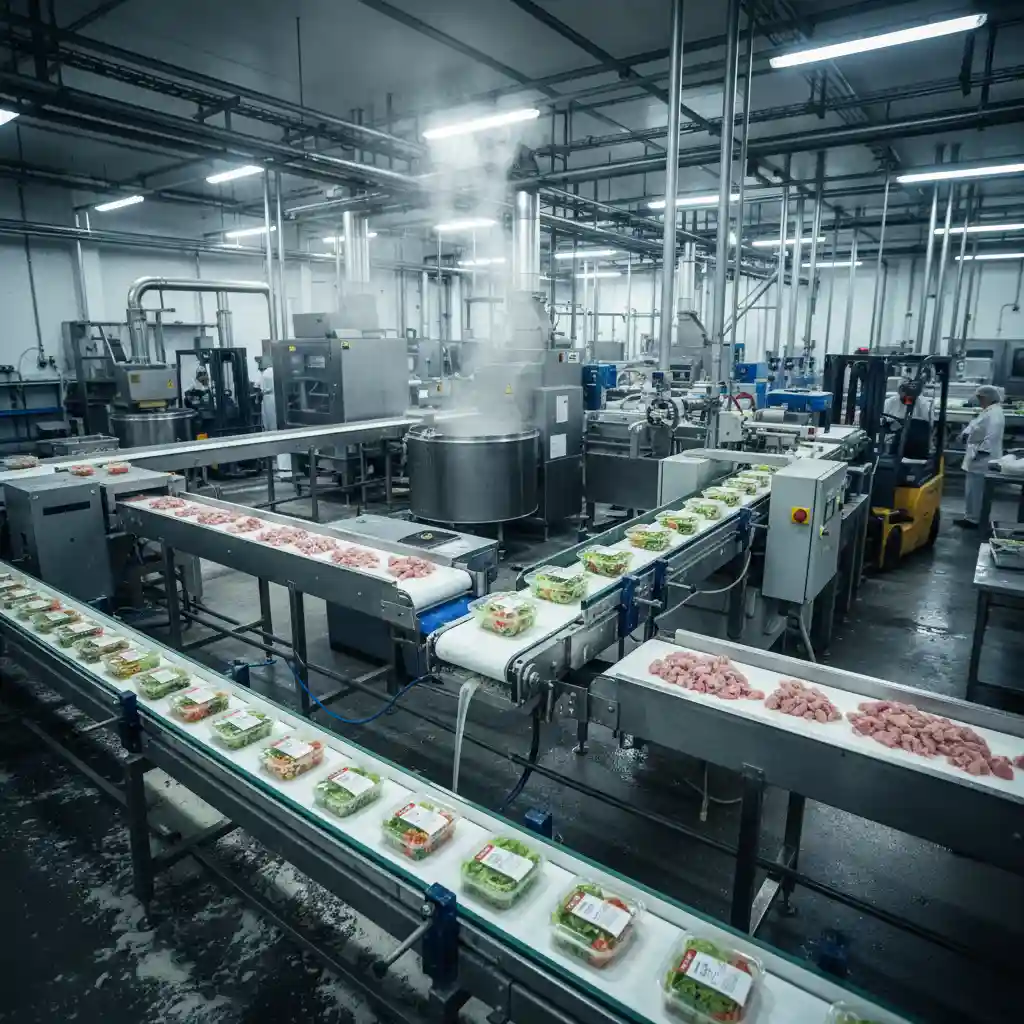
Even if a product’s ingredient list appears free of gluten-containing grains, the manufacturing environment plays a critical role in the safety of the food. This is often referred to as “hidden” gluten because it is not an intentional ingredient but a contaminant.
The “May Contain” Statement
Voluntary advisory statements like “May contain traces of wheat” or “Processed in a facility that also processes wheat” should be taken seriously by those with celiac disease. These warnings indicate that shared equipment—such as conveyor belts, mixers, or packaging lines—is used for both gluten-free and gluten-containing products. Industrial cleaning protocols are rigorous, but gluten is microscopic and sticky; complete removal is difficult to guarantee without dedicated facilities.
The Oats Controversy
Oats are naturally gluten-free, but they are frequently grown in fields adjacent to wheat or processed in the same mills. This leads to a high probability of cross-contamination. Persons with celiac disease should only consume oats that are certified gluten-free, ensuring they have been grown and processed in a purity protocol environment.
Mastering the Art of Label Reading
To successfully identify foods with hidden gluten, you must become a vigilant label reader. It is not enough to look for the word “wheat.” You must scan for a variety of terms that indicate the presence of gluten.
Keywords to Avoid:
- Barley: Malt, Malt Extract, Malt Flavoring, Malt Vinegar, Brewer’s Yeast.
- Rye: Generally listed as Rye, but often found in sourdough starters or pumpernickel.
- Triticale: A hybrid of wheat and rye.
- Wheat varieties: Spelt, Kamut, Farro, Durum, Semolina, Graham, Einkorn.
- Additives: Dextrin (usually corn, but can be wheat), Seitan (pure wheat gluten), Vegetable Gum (check source).
When in doubt, look for the third-party “Certified Gluten-Free” seal. This certification ensures the product contains less than 10ppm (parts per million) or 20ppm of gluten, which is generally considered safe for celiacs.
People Also Ask
Does ketchup have hidden gluten?
Most major brands of ketchup are gluten-free, as they are made from tomatoes, vinegar (distilled), sugar, and spices. However, some specialty or organic ketchups may use malt vinegar (barley) or wheat-based thickeners. Always check the label for “malt” or “wheat.”
Are french fries naturally gluten-free?
Potatoes are gluten-free, but restaurant french fries are often fried in the same oil as breaded items like onion rings or chicken nuggets, leading to cross-contamination. Additionally, some frozen fries are coated in a wheat-based batter to make them crispier. Always ask about a dedicated fryer.
Is cornstarch safe for a gluten-free diet?
Yes, pure cornstarch is naturally gluten-free. However, cross-contamination can occur during packaging. It is best to buy cornstarch that is labeled gluten-free to ensure it hasn’t been processed on shared equipment with wheat flour.
Does chocolate contain gluten?
Pure chocolate is gluten-free. However, many chocolate bars contain added ingredients like cookie crumbs, malt extract, or crispy rice (which may contain malt). Always read the ingredient list and look for allergy warnings regarding wheat.
Is yeast extract the same as gluten?
Not always, but frequently. Yeast extract can be derived from spent brewer’s yeast (a byproduct of beer making, which contains barley gluten) or from sugar beets/corn. If the source isn’t specified as gluten-free, it is safer to avoid products containing yeast extract.
Can you wash gluten off food?
No. You cannot wash gluten off food to make it safe. For example, picking croutons off a salad or washing pasta sauce off meat does not remove the microscopic gluten proteins that have already contaminated the dish. The food remains unsafe for someone with celiac disease.