
New Zealand gluten free recipes involve adapting traditional Kiwi favourites—such as Afghan biscuits, Lolly Cake, and savoury pies—by substituting wheat flour with high-quality gluten-free blends containing rice, tapioca, and potato starch. Mastering the Kiwi coeliac lifestyle requires utilising naturally gluten-free local produce like kumara, lamb, and fresh seafood, while strictly managing cross-contamination during iconic social events like summer BBQs.
New Zealand’s culinary culture is deeply rooted in home baking, summer barbecues, and fresh seasonal produce. For those diagnosing with Coeliac disease or adhering to a gluten-free diet, navigating the landscape of classic Kiwi comfort foods can initially seem daunting. From the crunch of a cornflake-laden Afghan biscuit to the soft sweetness of a Lolly Cake, many national icons rely heavily on wheat. However, with the rising awareness of Coeliac disease in Aotearoa, adapting these classics has never been easier. This guide provides authoritative strategies for transforming New Zealand gluten free recipes into safe, delicious staples that compromise nothing on flavour.

Adapting NZ Baking Classics
Baking is a cornerstone of New Zealand hospitality. The “ladies a plate” tradition and morning teas often feature items laden with gluten. Successfully adapting New Zealand gluten free recipes requires understanding the chemistry of gluten replacements and knowing which local ingredients to swap.
How do you make Gluten Free Afghan Biscuits?
The Afghan biscuit is perhaps the most iconic New Zealand cookie, traditionally made with flour, butter, sugar, cocoa, and cornflakes, then topped with chocolate icing and a walnut. The primary challenge here is two-fold: the flour and the cornflakes.
Standard cornflakes often contain malt barley extract, which is not gluten-free. To create an authentic gluten-free Afghan, you must source cornflakes explicitly labelled as gluten-free. For the flour, a standard 1:1 gluten-free baking blend (commonly found in NZ supermarkets like Edmonds or Bakels) works well, but because these biscuits rely on a specific “crunch,” adding a teaspoon of extra cocoa or a small amount of almond meal can help replicate the texture. When binding the mixture, you may find gluten-free dough slightly more crumbly; pressing the mixture firmly into balls before slightly flattening them on the tray is crucial to prevent them from falling apart.
Mastering the Gluten Free Lolly Cake
Lolly Cake is a non-baked treat beloved by generations, traditionally made with malt biscuits, butter, condensed milk, and fruit puffs. The obstacle here is the malt biscuit. Malt is derived from barley and is unsafe for coeliacs.
To adapt this recipe, replace malt biscuits with a plain gluten-free vanilla wine biscuit or arrowroot biscuit. Since these lack the “malty” flavour, you can add a tablespoon of gluten-free cocoa or a teaspoon of vanilla essence to deepen the flavour profile. Ensure the fruit puffs are gluten-free (most major NZ brands are, but always check the label for wheat starch). The result is indistinguishable from the original and remains a hit at potlucks.
Reinventing Louise Cake and Ginger Crunch
Slice recipes like Louise Cake and Ginger Crunch rely on a sturdy base. Wheat flour provides structural integrity that prevents the base from crumbling under the weight of jam, meringue, or icing. When baking these gluten-free, it is advisable to add Xanthan gum if your flour blend does not already contain it (usually 1/4 teaspoon per cup of flour). This acts as a binder.
For Ginger Crunch, the texture should be snappy. Using a blend high in rice flour helps achieve this crispness. For Louise Cake, the base is more shortcake-like; using a blend with tapioca starch or cornflour (cornstarch) will provide the necessary tenderness to contrast with the crisp meringue topping.

Hosting a GF BBQ: The Kiwi Summer Staple
The barbecue is the heart of the Kiwi summer. However, it is also a high-risk environment for cross-contamination. Breadcrumbs in sausages, marinades containing soy sauce, and shared grill plates make it a minefield for coeliacs. Hosting a safe BBQ requires strict protocols.
What are the best Gluten Free Sausages in NZ?
Historically, sausages (or “snags”) were packed with wheat fillers. Today, New Zealand has excellent regulations regarding allergen labelling. Many premium brands (like Hellers or local butcheries) now offer extensive gluten-free ranges. Look for the crossed-grain logo or clear “Gluten Free” text. Be wary of the “Pre-Cooked” variety, as these are more likely to contain wheat binders than fresh meat sausages. Always verify the packaging, even if you have bought the brand before, as formulations can change.
Managing Marinades and Sauces
Teriyaki, soy, and darker marinades are staple BBQ flavours but are typically wheat-based. To create New Zealand gluten free recipes for the grill, swap standard soy sauce for Tamari or a specific gluten-free soy sauce. Worcestershire sauce is another hidden source of gluten (barley malt vinegar), so ensure you purchase a GF-certified version.
For a classic Kiwi glaze on lamb chops or chicken skewers, use a mixture of honey, garlic, rosemary, and Tamari. This provides that sticky, savoury finish without the gluten risk.
Prevention of Cross-Contamination
If you are cooking for both coeliacs and non-coeliacs, the grill surface is the danger zone. If a wheat bun has been toasted on the grill or a gluten-containing sausage cooked there, the plate is contaminated.
- Use a BBQ Liner: Teflon BBQ sheets (often called grill mats) are inexpensive and effective. Dedicate one mat solely for gluten-free items.
- Separate Tongs: Never use the same tongs to turn a gluten sausage and a gluten-free steak. Colour-code your utensils if possible.
- Cook GF First: If you cannot separate the cooking surfaces, cook all gluten-free items first on a clean grill before any gluten products are introduced.
Kiwi Kids and Birthday Parties
Growing up Coeliac in New Zealand can be isolating during social events if not managed well. Birthday parties are notorious for Fairy Bread, sausage rolls, and cheerios, all of which are traditionally gluten-heavy.

The Fairy Bread Solution
Fairy bread—white bread smeared with butter and covered in hundreds and thousands—is a non-negotiable for many Kiwi kids. The key here is the bread. Gluten-free bread has improved significantly in NZ, with brands like Vogel’s and Bakels offering soft white loaves that don’t crumble instantly. Ensure the hundreds and thousands are gluten-free (most are, but some fancy sprinkles contain wheat starch).
Sourcing Safe Cheerios and Party Pies
“Cheerios” (cocktail sausages) are a party staple. Like regular sausages, these often contain wheat fillers. Brands like Hellers produce gluten-free cocktail sausages that are widely available. For sausage rolls and party pies, making them at home is often the safest and tastiest option.
Use pre-made gluten-free puff pastry sheets (available in the frozen section of supermarkets like Countdown, New World, and Pak’nSave). Wrap the pastry around a filling of gluten-free sausage meat, onion, and herbs. Brush with egg wash and bake until golden. These homemade versions are often superior to the store-bought wheat versions and freeze exceptionally well.
Seasonal Eating in NZ: Naturally GF
One of the best strategies for a rich gluten-free lifestyle is to focus on what New Zealand produces best: fresh, unprocessed ingredients. By leaning into seasonal eating, you naturally avoid processed foods where gluten often hides.
Feijoa Season
Come autumn, New Zealand is awash with feijoas. This fruit is naturally gluten-free and perfect for crumbles and muffins. When adapting a Feijoa Crumble, replace wheat flour with a blend of almond meal, rolled quinoa flakes (or GF oats if tolerated and certified), and brown sugar. The nuttiness of the almond meal complements the floral taste of the feijoa beautifully.
The Versatile Kumara
The Kumara (sweet potato) is a staple carbohydrate that is far superior to wheat pasta nutritionally and texturally for many dishes. Use roasted Gold Kumara as a base for salads, or mash Orange Kumara as a topping for a Shepherd’s Pie. For a modern twist, use thinly sliced kumara as “toast” replacements or as layers in a gluten-free lasagna instead of pasta sheets.
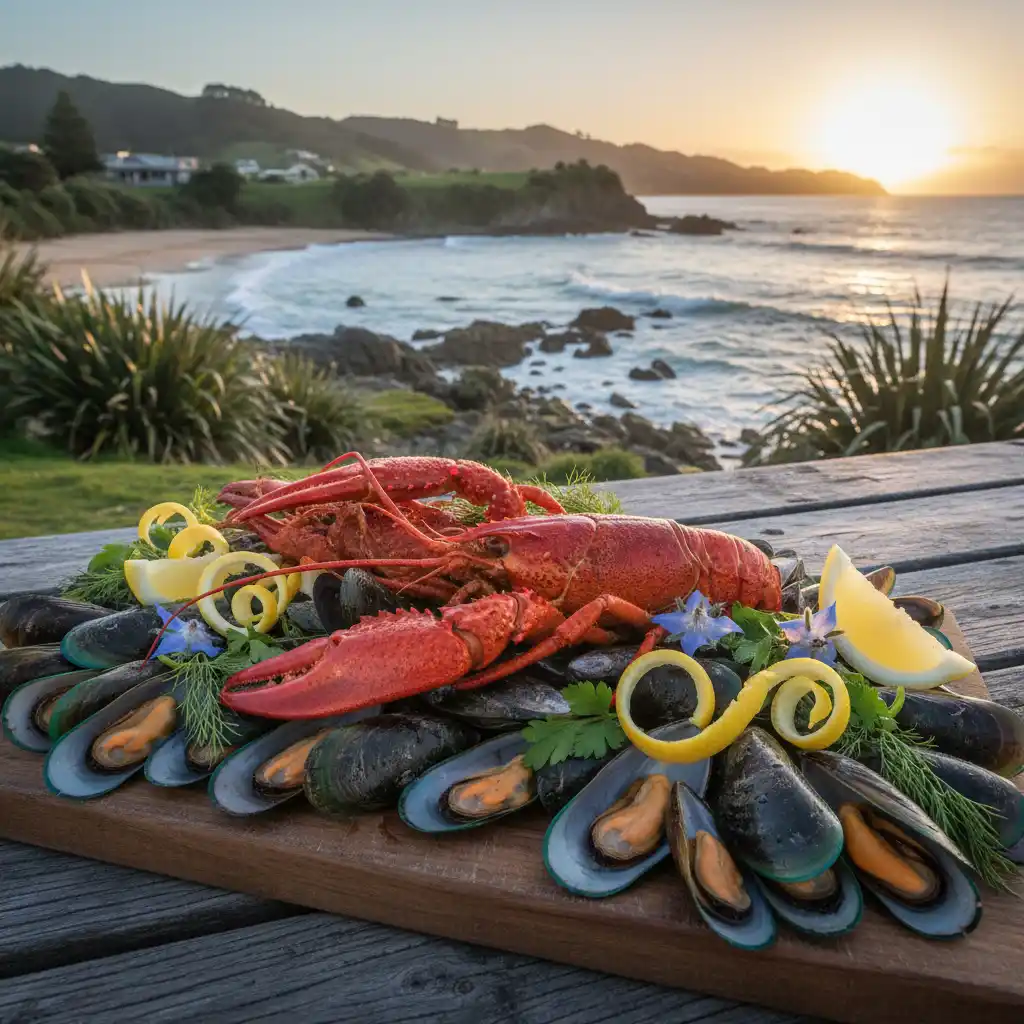
Fresh Kaimoana (Seafood)
New Zealand’s Green Lipped Mussels, crayfish, and snapper are world-class. The traditional way to eat fish and chips involves a wheat-flour batter, which is off-limits. However, pan-frying snapper in butter and lemon, or steaming mussels in white wine and garlic, provides a gourmet meal that requires no gluten substitutes. If you crave battered fish, use a batter made from soda water, rice flour, and cornflour. The soda water aerates the batter, creating a tempura-like crunch that rivals any local chippie.
Essential Pantry Staples for the NZ Coeliac
To successfully execute New Zealand gluten free recipes on a whim, your pantry needs specific foundational ingredients. The availability of these items has skyrocketed in local supermarkets.
- High-Grade GF Flour Blend: Look for blends that include guar gum or xanthan gum. This saves you from buying expensive additives separately.
- Buckwheat Flour: Despite the name, buckwheat is wheat-free. It has an earthy flavour perfect for savoury pancakes or dark chocolate baking.
- Almond Meal: Essential for adding moisture to gluten-free cakes, which can otherwise be dry.
- Tamari Sauce: The safe alternative to soy sauce.
- Polenta and Quinoa: Excellent side dishes to replace couscous (which is wheat).
- GF Cornflakes and Rice Bubbles: Essential for those Afghan biscuits and chocolate crackles.
Living gluten-free in New Zealand is no longer a restriction on enjoying the country’s rich culinary heritage. By understanding ingredients and mastering a few substitution techniques, you can continue to enjoy every potluck, BBQ, and birthday party with confidence.
Frequently Asked Questions
What is the best flour to use for gluten free baking in NZ?
For general baking, pre-mixed blends from brands like Edmonds, Bakels, or Healtheries are excellent as they often contain the necessary gums (Xanthan or Guar) to replace gluten’s elasticity. For more specialised baking, a mix of rice flour, tapioca starch, and potato starch allows for better texture control.
Are classic NZ lollies gluten free?
Many are, but not all. Pascall Marshmallows and Wine Gums are generally gluten-free, but you must always check the packet for “Wheat Starch” or “Glucose Syrup from Wheat” (though highly processed glucose syrup is often considered safe, strictly avoid wheat starch). Licorice usually contains wheat flour.
Where can I buy gluten free pies in New Zealand?
Most major supermarkets (Countdown, New World) stock frozen gluten-free pies from brands like I Love Pies or Pavillion. Additionally, many local bakeries now offer fresh gluten-free options, though you must ask about cross-contamination risks in the cabinets.
Is traditional Maori bread (Rewena) gluten free?
No, traditional Rewena bread relies on a potato starter bug used with wheat flour. However, gluten-free versions can be made using the potato starter method combined with a high-quality gluten-free bread flour blend, though the texture will be denser.
How do I identify gluten free products in NZ supermarkets?
Look for the “Crossed Grain” logo, which is the symbol of Coeliac New Zealand accreditation. Additionally, allergens must be bolded in ingredient lists by law in Australia and New Zealand, making it easier to spot wheat, barley, rye, or oats.
Can I eat oats on a gluten free diet in NZ?
Under the Australia New Zealand Food Standards Code, oats cannot be labelled as “gluten-free” even if they are uncontaminated, due to the protein avenin which mimics gluten. While some coeliacs tolerate pure oats, it is recommended to consult a dietitian or gastroenterologist before introducing them.