
Living a gluten free NZ lifestyle involves the strict elimination of wheat, barley, rye, and oats from your diet, adhering to the Food Standards Australia New Zealand (FSANZ) code. Because New Zealand has the world’s strictest labeling laws, a “Gluten Free” label guarantees no detectable gluten, making it safer for Coeliacs compared to international standards allowing 20ppm.
Navigating a gluten-free lifestyle in Aotearoa is a unique journey. While New Zealand boasts some of the highest rates of Coeliac disease diagnosis and awareness globally, the specific regulations and local food culture require a tailored approach. Whether you are a newly diagnosed Coeliac, gluten intolerant, or cooking for a whānau member who is, understanding the nuances of the “gluten free nz” landscape is essential for long-term health and dietary satisfaction.
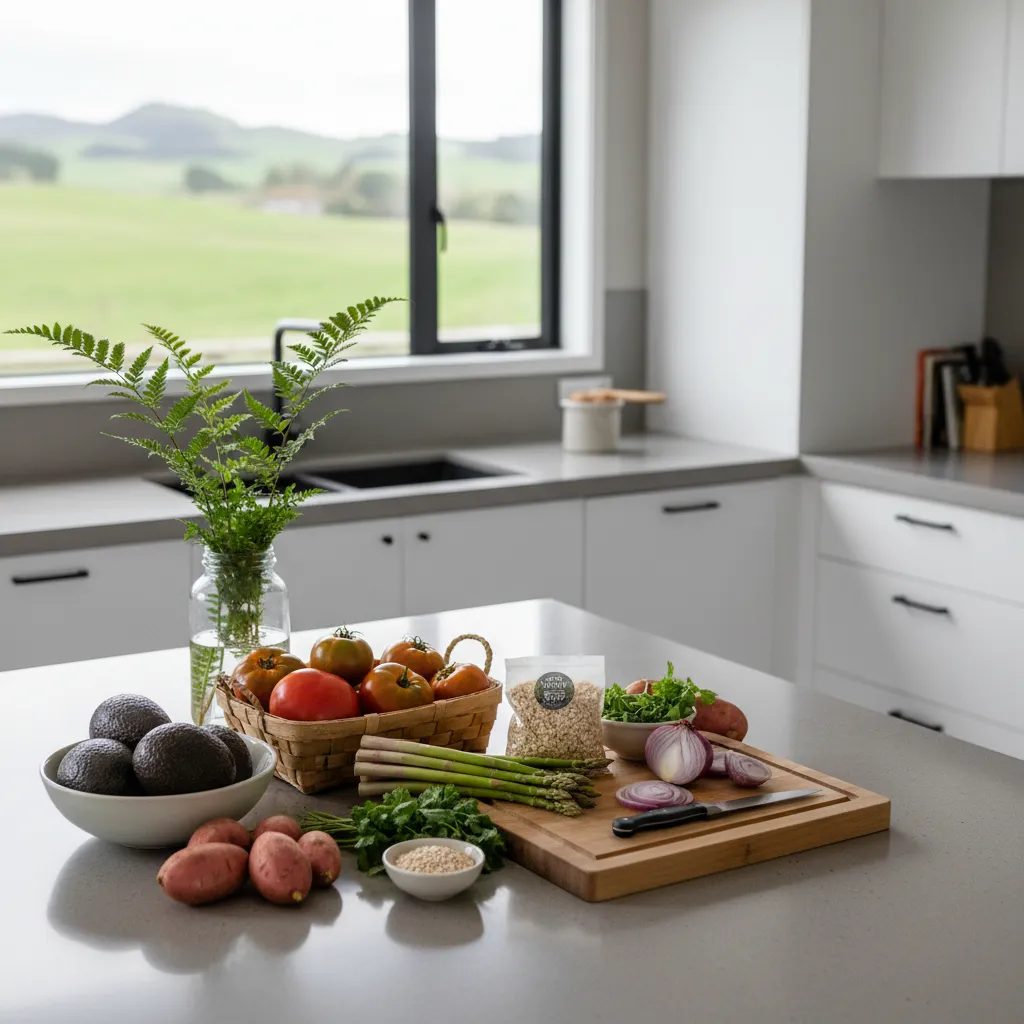
Introduction to the Gluten-Free Lifestyle in New Zealand
Adopting a gluten-free diet in New Zealand is distinct from many other parts of the world due to the regulatory environment managed by Food Standards Australia New Zealand (FSANZ). Understanding these standards is the first step to safety.
What defines “Gluten Free” in NZ?
In the United States and Europe, products can be labeled “gluten-free” if they contain less than 20 parts per million (ppm) of gluten. However, under the FSANZ Code, the rules in New Zealand are significantly stricter. For a product to be labeled “Gluten Free” in Aotearoa, it must contain no detectable gluten. This strict standard offers a higher level of protection for those with Coeliac disease.
It is important to note the distinction regarding oats. In many countries, “pure” or uncontaminated oats are considered gluten-free. In New Zealand, oats are not permitted in products labeled gluten-free. This is because a protein in oats called avenin mimics gluten and causes a reaction in approximately 20% of Coeliacs. Therefore, a strict gluten free nz diet excludes oats entirely unless advised otherwise by a specialist dietitian.
Navigating NZ Supermarkets: What to Buy
New Zealand supermarkets—primarily Woolworths (formerly Countdown), New World, and Pak’nSave—have drastically improved their gluten-free offerings over the last decade. However, the cost of living crisis means shopping requires strategic planning.
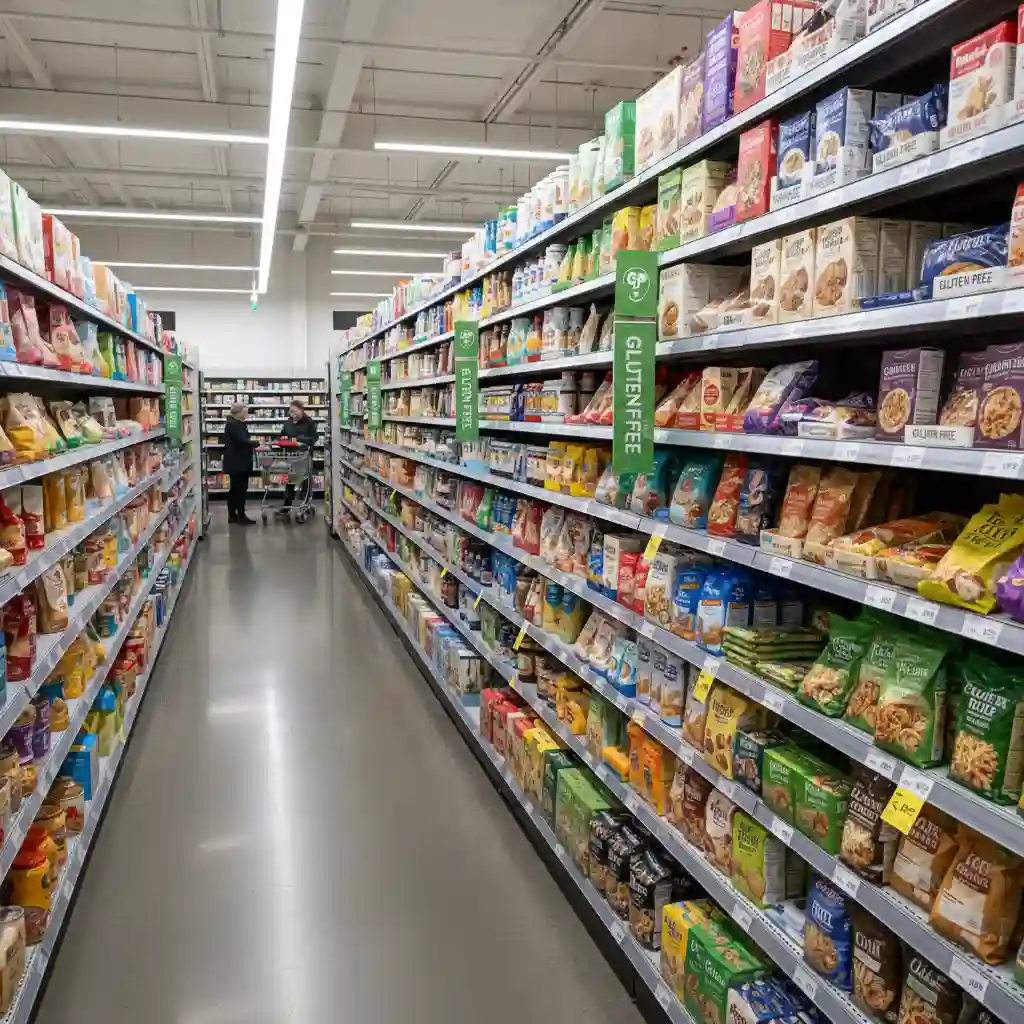
How to read NZ Food Labels?
New Zealand allergen labeling laws are robust. Manufacturers must declare gluten-containing cereals in the ingredient list, usually in bold text. Here is the hierarchy of safety when scanning shelves:
- The “Gluten Free” Label: The gold standard. Tested and contains no detectable gluten.
- The “Coeliac New Zealand” Crossed Grain Logo: This indicates the product is not only gluten-free but the manufacturer is an accredited partner of Coeliac NZ, providing an extra layer of trust.
- “May Contain” Statements: These are voluntary warnings used by manufacturers to indicate a risk of cross-contamination during production. If a product says “May contain traces of gluten/wheat,” it is generally unsafe for a Coeliac.
- Ingredient Reading: If there is no GF label, you must read the ingredients. Look for Wheat, Barley, Rye, and Oats. Note that glucose syrup derived from wheat is actually considered safe in NZ because the processing removes the gluten protein, but many people choose to avoid it for peace of mind.
Best Budget Buys and Hidden Gems
Gluten-free alternatives (bread, pasta, flour) often carry a premium price tag. To manage the “gluten tax,” focus on naturally gluten-free foods which are abundant in NZ:
- Fresh Produce: Kumara, pumpkin, and potatoes are excellent, cheap carbohydrate sources.
- Meat and Dairy: NZ beef, lamb, and dairy are world-class and naturally GF. Be careful with processed meats like sausages; always check the packet or buy from a butcher who can verify the crumb used.
- Bulk Bins: Be cautious with bulk bins (Bin Inn, etc.) due to high cross-contamination risks. It is safer to buy packaged rice and lentils.
Dining Out Safely: From Cafes to Fast Food
New Zealand has a vibrant cafe culture, but cross-contamination is a significant risk in commercial kitchens. The phrase “gluten-friendly” is often used by establishments that use GF ingredients but cannot guarantee a sterile environment. For a diagnosed Coeliac, “friendly” is rarely safe enough.

What is the Dining Out Programme?
Coeliac New Zealand runs a Dining Out Programme (DOP). Venues with this accreditation have undergone rigorous training on cross-contamination, separate preparation areas, and ingredient sourcing. Finding a DOP-accredited venue is the safest way to dine out. You can search for these venues directly on the Coeliac NZ website.
Navigating the “Cabinet Food” Culture
Kiwi cafes are famous for their cabinet food—muffins, slices, and savory pies. However, cabinets are high-risk zones. A gluten-free brownie placed next to a wheat-based scone can easily become contaminated by crumbs.
Safety Tip: Always ask for food from “out the back” (fresh from the kitchen) rather than the display cabinet. Ask the staff to change their tongs and use a clean surface.
Fast Food Options in NZ
Sometimes you need a quick meal. Here is the status of common NZ fast food chains as of 2024 (always verify in-store):
- Hell Pizza: Offers GF bases and takes significant care, but they work in a high-flour environment. They are generally considered one of the safer pizza options but always inform them of an allergy.
- Burger Fuel: Offers a gluten-free bun and has a button for “allergy” which prompts staff to change gloves and clean the grill. Their fries are often cooked in a dedicated fryer, but you must ask to confirm.
- Fish and Chips: The national dish is tricky. Most local chippies fry their chips in the same oil as battered fish and donuts (wheat). You must find a shop that offers a dedicated fryer for chips or offers GF batter cooked separately.
Everyday Kiwi Family Meals Made Gluten-Free
Living gluten free nz style doesn’t mean missing out on the classics. With a few substitutions, you can enjoy traditional Kiwi fare safely.
How to make a GF Mince and Cheese Pie?
The meat pie is an icon. To make it at home, swap standard pastry for high-quality GF pastry sheets (available in the freezer section of most supermarkets, brands like Edmonds or Paneton). For the filling, thicken your mince gravy with cornflour (cornstarch) instead of wheat flour. Ensure your soy sauce and stock cubes are gluten-free, as these are common hidden sources of wheat.
Surviving the Kiwi BBQ
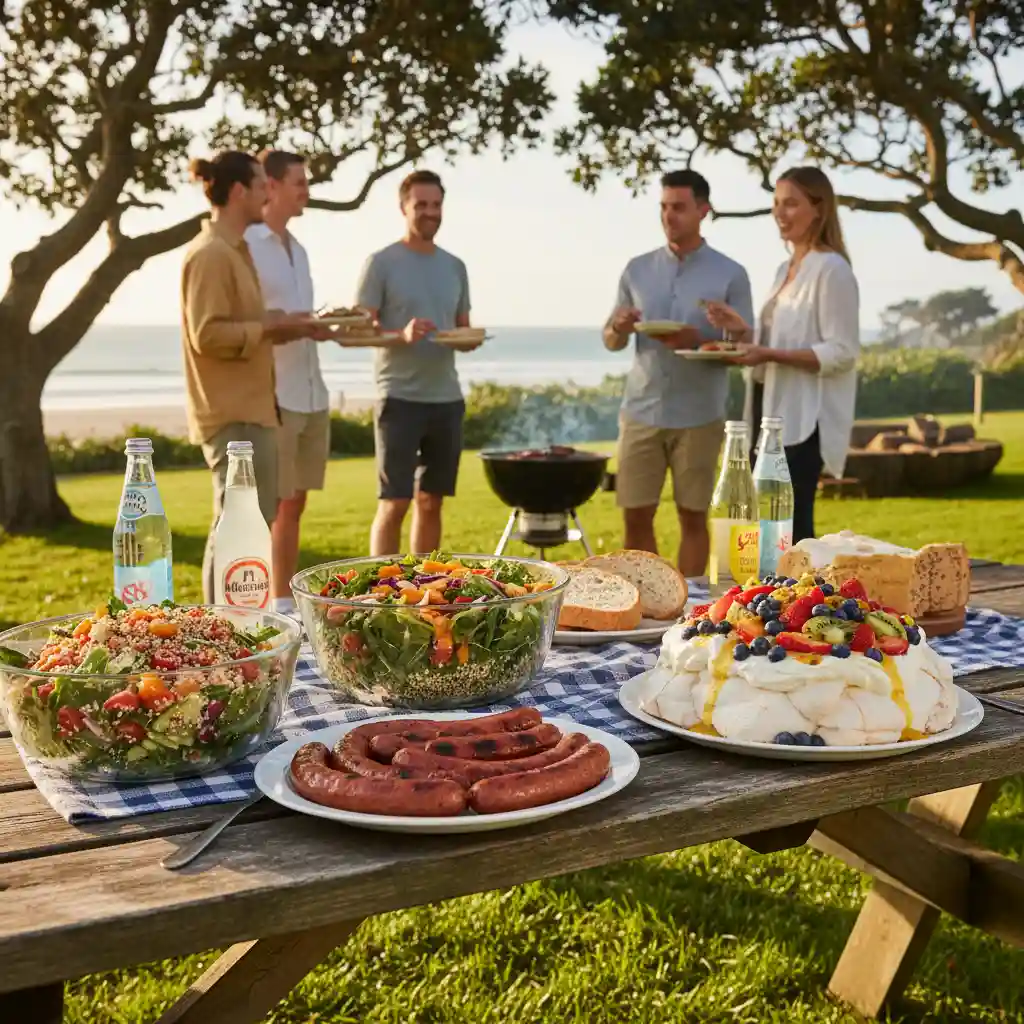
Summer in Aotearoa means BBQs. This is generally a safe environment as it focuses on meat and salad, but watch out for:
- Sausages: Many cheaper sausages use wheat flour as a binder. Look for the GF label on the pack (e.g., Hellers often has GF options).
- Marinades: Soy sauce and malt vinegar are wheat/barley based. Use Tamari (GF soy sauce) and cider vinegar or wine vinegar instead.
- The Grill: If bread has been toasted on the BBQ plate, it is contaminated. Cook GF meat on a separate foil tray or clean the grill thoroughly before starting.
The Great Pavlova
Fortunately, the quintessential Kiwi dessert, the Pavlova, is naturally gluten-free, consisting of egg whites and sugar. However, check the icing sugar. Pure icing sugar is GF, but “icing mixture” sometimes contains wheat starch to prevent clumping. Always choose pure icing sugar or a mixture that specifies it uses tapioca or maize starch.
Resources for Newly Diagnosed Coeliacs
If you have recently received a diagnosis, you are not alone. There is a strong support network available in New Zealand.
Coeliac New Zealand
This is the primary advocacy body. Becoming a member provides you with a “starter pack,” access to their magazine, and the ability to use their helpline. They advocate for better labeling and medical support.
Pharmac Subsidies
In New Zealand, unlike many other countries, diagnosed Coeliacs (confirmed by biopsy) are eligible for a Pharmac subsidy on special foods. This includes gluten-free flour mixes, baking mixes, and pasta. You will need a prescription from your GP. This can significantly offset the cost of groceries. The products are collected from your local pharmacy.
Apps and Digital Tools
- Find Me Gluten Free: While global, this app has extensive reviews for NZ restaurants.
- Coeliac NZ App: Offers a directory of accredited venues and products.
Living gluten-free in Aotearoa is a journey of education and adaptation. By leveraging the strict local labeling laws, utilizing the Pharmac subsidy, and learning to navigate the supermarket aisles and restaurant menus with confidence, you can enjoy a vibrant, healthy, and delicious lifestyle in the Land of the Long White Cloud.
Frequently Asked Questions
Is food labeled “Gluten Free” in NZ safe for Coeliacs?
Yes. New Zealand has the strictest standards in the world. A “Gluten Free” label means there is no detectable gluten in the product, making it safe for Coeliacs. There is no allowance for 20ppm as there is in Europe or the USA.
Are oats gluten-free in New Zealand?
No. Under the FSANZ code, oats are not permitted in products labeled “Gluten Free” in New Zealand. This is because a protein in oats (avenin) can cause reactions in some Coeliacs, and there is a high risk of cross-contamination during farming.
Can I get gluten-free food on prescription in NZ?
Yes. If you have a medically diagnosed case of Coeliac disease (usually via biopsy), your GP can prescribe a range of gluten-free flours, baking mixes, and pastas which are subsidized by Pharmac.
What alcohol is gluten-free in NZ?
Wine, cider, spirits (rum, gin, vodka, tequila), and sherry are generally gluten-free. Regular beer is not. You must buy beer specifically labeled “Gluten Free.” Note that some “low carb” beers still contain gluten.
Is Wattie’s tomato sauce gluten-free?
Many Wattie’s sauces are gluten-free, but formulations change. You must check the bottle for the “Gluten Free” text or the crossed-grain logo. Do not assume all varieties (e.g., Homestyle vs. Lite) are the same.
How do I find safe gluten-free restaurants in NZ?
The safest method is to look for the Coeliac New Zealand “Dining Out Programme” accreditation logo on the restaurant’s door or website. Apps like “Find Me Gluten Free” are also helpful but rely on user reviews rather than official audits.