
Gluten-free Thanksgiving tips center on strict cross-contamination prevention and clear communication. Essential strategies include verifying turkey ingredients for hidden gluten, using cornstarch instead of flour for gravies, bringing your own safe plate to potlucks, and establishing a dedicated “clean” preparation area in the kitchen to ensure safety for those with Celiac disease.
Thanksgiving is often synonymous with flour-thickened gravies, bread-based stuffings, and endless pies. For individuals managing Celiac disease or non-celiac gluten sensitivity, this holiday can transition from a celebration of gratitude to a source of significant anxiety. Successfully navigating these events requires a strategic approach that balances social enjoyment with strict medical necessity.
The Strategic Decision: Hosting vs. Attending
The first step in your holiday strategy is determining the venue. This decision dictates the level of control you possess over the food environment.
The Case for Hosting
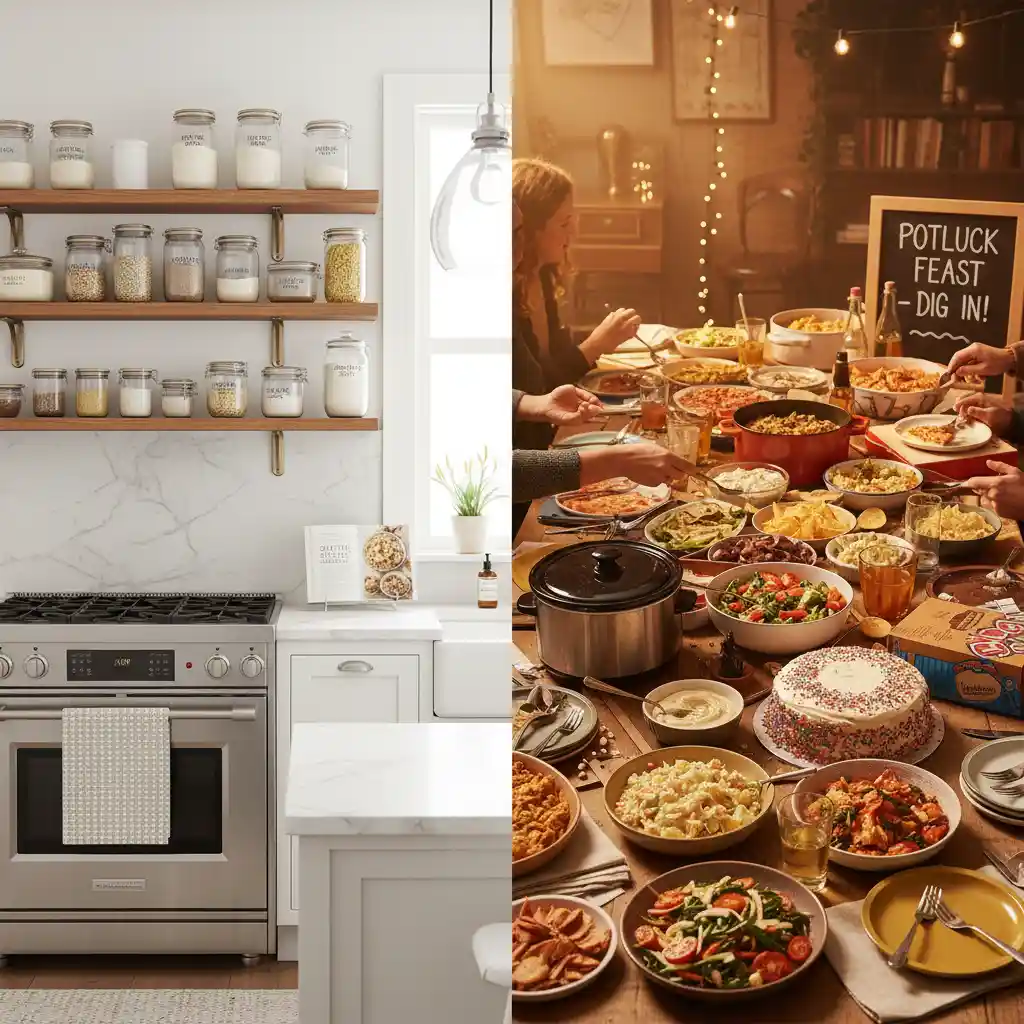
Hosting is arguably the safest option for anyone with Celiac disease. When you control the kitchen, you control the ingredients, the cookware, and the cleaning protocols. You can ensure that the turkey is not basted with wheat-based broth and that the stuffing is made with gluten-free bread. However, hosting requires significant effort and the financial burden of preparing a specialized meal for a large group.
The Reality of Attending
Attending a gathering hosted by someone else relinquishes control. Unless the host is intimately familiar with cross-contamination protocols, the risk factor increases exponentially. Even well-meaning relatives may not understand that using the same spoon to stir the regular pasta and the gluten-free veggies renders the veggies unsafe. If you choose to attend, your strategy must shift from “management” to “defense.”
Mastering the Host Role: Creating a Safe Haven
If you decide to host, you have the opportunity to create a meal where everyone can eat freely without fear. Here is how to execute a flawless gluten-free Thanksgiving.
Securing the Turkey
The centerpiece of the meal is often a source of confusion. While fresh poultry is naturally gluten-free, many commercial turkeys come pre-basted or injected with solutions to enhance flavor and tenderness. These solutions often contain wheat or barley malt.
Actionable Tip: Purchase a fresh, unbasted turkey. If buying a frozen or pre-packaged bird, look for a certified gluten-free label or verify the ingredients list for “natural flavors” or “hydrolyzed vegetable protein,” which can hide gluten.
The Cross-Contamination Protocol
If your household is not 100% gluten-free year-round, you must perform a deep clean before holiday cooking begins.
- Scrub Surfaces: Clean all countertops, handles, and knobs.
- Eliminate Porous Tools: Do not use wooden spoons, scratched non-stick pans, or plastic cutting boards that have touched gluten. These materials trap microscopic gluten particles that cannot be washed away. Use stainless steel or new dedicated tools.
- Oven Safety: Do not cook gluten-filled dishes (brought by guests) on the rack above your gluten-free turkey. Gravity causes crumbs to fall, contaminating the food below.
The Guest Survival Guide
Being a guest requires diplomacy and vigilance. You must advocate for your health without appearing ungrateful.

Pre-Event Communication
Do not wait until you arrive to discuss your dietary restrictions. Call the host weeks in advance. A script might look like this: “I’m really looking forward to Thanksgiving. As you know, I have Celiac disease, which means I have to be incredibly strict about gluten to avoid getting sick. I’d love to coordinate with you so I can participate safely without adding stress to your cooking.”
The “Pre-Eat” Strategy
One of the most effective gluten-free thanksgiving tips is to never arrive hungry. Eat a substantial, safe meal before you leave your house. This removes the desperation of hunger, allowing you to focus on socializing rather than risking a questionable appetizer. If there is nothing safe to eat, you will not starve, and you won’t feel pressured to eat something risky just to satiate hunger.
The Art of Bringing Your Own Safe Plate
Bringing your own food is often the only way to guarantee safety at a potluck or non-GF household. This isn’t rude; it’s a medical necessity.
Logistics of the BYO Method
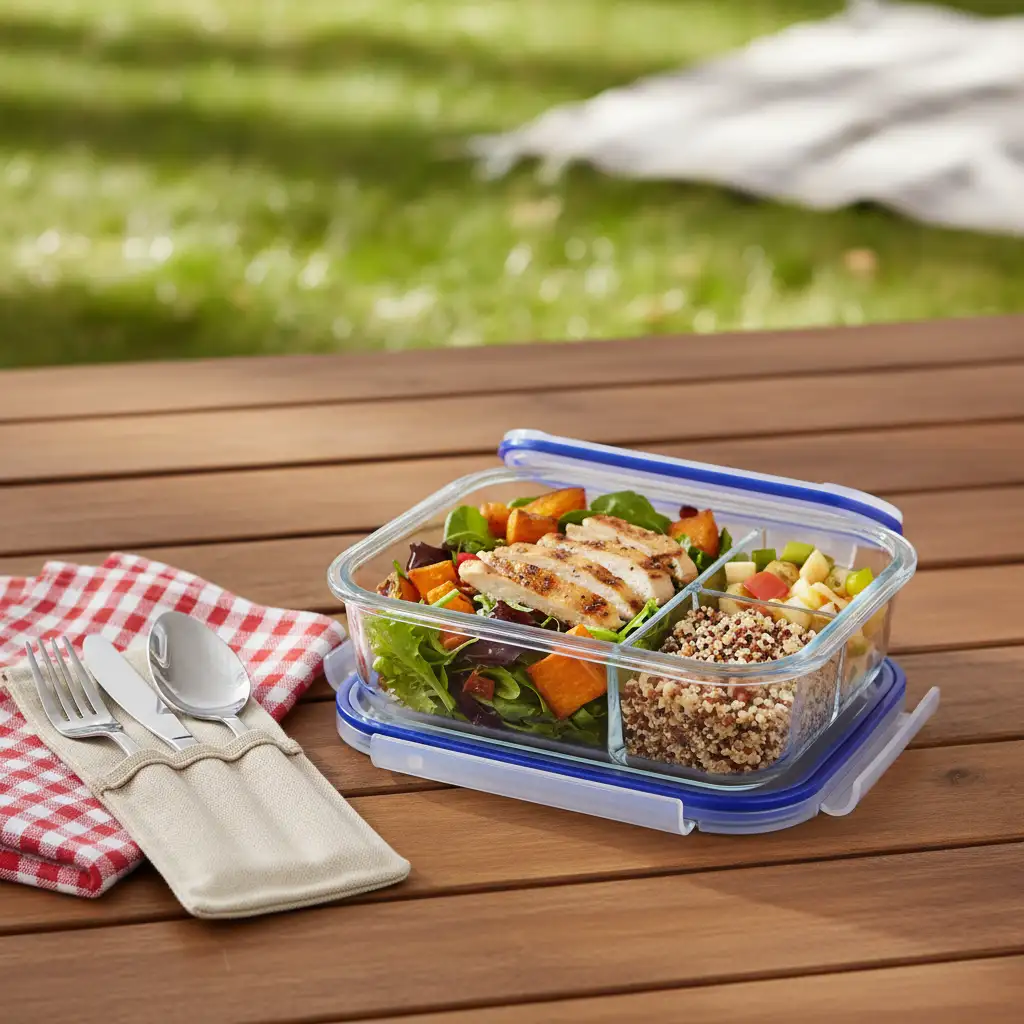
Bringing a safe plate requires planning. You want your meal to resemble what others are eating so you don’t feel alienated, but it must be self-contained.
- Use Microwave-Safe Containers: Glass containers with locking lids are ideal. They prevent spills during transport and can be popped directly into the microwave.
- Bring Your Own Serving Utensils: Even if you bring a dish to share, bring a serving spoon. Ensure your dish is placed first in the buffet line, or serve yourself first before others potentially cross-contaminate it with spoons from other dishes.
- Foil is Your Friend: If the host is heating rolls in the oven, ask to heat your food wrapped tightly in two layers of foil to prevent airborne flour or crumbs from settling on your meal.
Cheers to Safety: Navigating Alcohol at Parties
Alcohol is a hidden minefield during the holidays. Social lubrication often leads to lowered inhibitions regarding food safety, so having a plan for drinks is crucial.
Safe vs. Unsafe Drinks
Safe Options:
- Cider: Most hard ciders are naturally gluten-free (fermented from apples), but always check the label for added barley malt.
- Wine: Pure wines are gluten-free. Be cautious with wine coolers or flavored wine beverages.
- Distilled Spirits: Pure distilled liquor (vodka, gin, rum, tequila, whiskey) is generally considered gluten-free, even if derived from grains, as the distillation process removes the gluten protein. However, reactions vary, and many Celiacs stick to corn or potato-based vodkas to be safe.
Unsafe Options:
- Beer: Unless specifically labeled “Gluten-Free” (not just “Gluten-Removed”), beer is off-limits.
- Malt Beverages: Many holiday punches or bottled coolers are malt-based.
Social Scripts: Handling Pressure and Polite Declines
Perhaps the hardest part of a gluten-free Thanksgiving is the social pressure. Relatives may urge you to “just have a little bit” or claim that “a crumb won’t hurt.”
Firm but Kind Scripts
You need to be comfortable saying no. Here are a few scripts to memorize:
- “That looks delicious, but I have to stick to my safe foods so I don’t get sick. I hope you enjoy it!”
- “I’m saving room for the dish I brought, thank you though!”
- “My doctor has me on a very strict protocol right now, so I’m not taking any chances today.”
Remember, your health is more important than your great-aunt’s feelings about her pie. Most people will respect a medical boundary if stated clearly and without hesitation.
Hidden Gluten Sources in Holiday Classics
To wrap up your preparation, be vigilant about these specific holiday offenders:
- Gravy: Usually thickened with wheat flour. Use cornstarch, arrowroot powder, or sweet rice flour as a substitute.
- Stuffing: The primary ingredient is bread. Even cornbread stuffing often contains wheat flour in the cornbread mix.
- Creamed Vegetables: Creamed corn or spinach often uses a béchamel sauce base made with flour (roux).
- Soy Sauce: Often used in marinades for turkey or green beans; standard soy sauce contains wheat. Use Tamari instead.
- Bouillon Cubes: Used for stocks and soups, these frequently contain gluten.
People Also Ask
How do you navigate Thanksgiving with Celiac disease?
Navigating Thanksgiving with Celiac disease involves either hosting the dinner yourself to control ingredients or bringing your own safe, sealed meal to a guest event. It requires communicating clearly with hosts about cross-contamination and avoiding all food that hasn’t been verified as safe.
Is turkey naturally gluten-free?
Yes, fresh turkey is naturally gluten-free. However, consumers must be wary of processed, frozen turkeys which may be injected with broths, flavorings, or spices containing wheat or barley. Always check the label or buy fresh.
What are common gluten sources in Thanksgiving dinner?
Common sources include stuffing (bread), gravy (wheat flour thickener), pie crusts, green bean casserole (fried onions and cream soup), and sometimes the turkey baste itself.
How do I tell my family I can’t eat their food?
Be honest, firm, and polite. Frame it as a medical necessity rather than a preference. Use phrases like “I have to be strict to avoid getting sick” and offer to bring a dish to share so you are contributing to the meal.
Can I eat ham on a gluten-free diet?
Ham is often gluten-free, but glazed hams can be risky. Many glazes contain thickeners, soy sauce, or malt vinegar which contain gluten. Verify the glaze ingredients or make your own.
What alcohol is safe for a gluten-free Thanksgiving?
Safe options include wine, hard cider, and distilled spirits like vodka, rum, and tequila. Avoid beer (unless labeled gluten-free), ales, lagers, and malt-based coolers.