
Navigating the NZ healthcare system for Coeliac disease involves a structured pathway starting with a GP referral for specific antibody blood tests and a confirmatory gastroscopy. Upon formal diagnosis, New Zealand residents become eligible for government-subsidized gluten-free staples funded by PHARMAC, access to specialist dietitian support, and long-term monitoring plans managed through primary care providers.
Receiving a Coeliac disease diagnosis in New Zealand triggers a significant lifestyle change, but the country’s healthcare infrastructure offers robust support systems to manage the condition effectively. Unlike many other nations, New Zealand provides unique financial assistance through subsidized food prescriptions, ensuring that the gluten-free diet—the only medical treatment for the disease—remains accessible. Understanding how to maneuver through General Practitioners (GPs), specialists, and the pharmacy system is critical for long-term health and financial well-being.
The Pathway to Diagnosis: Blood Tests and Biopsies
The journey through the NZ healthcare system typically begins in a General Practitioner’s office. It is vital to note that you must continue eating gluten until all testing is completed to avoid false-negative results.
What is the First Step in Testing?
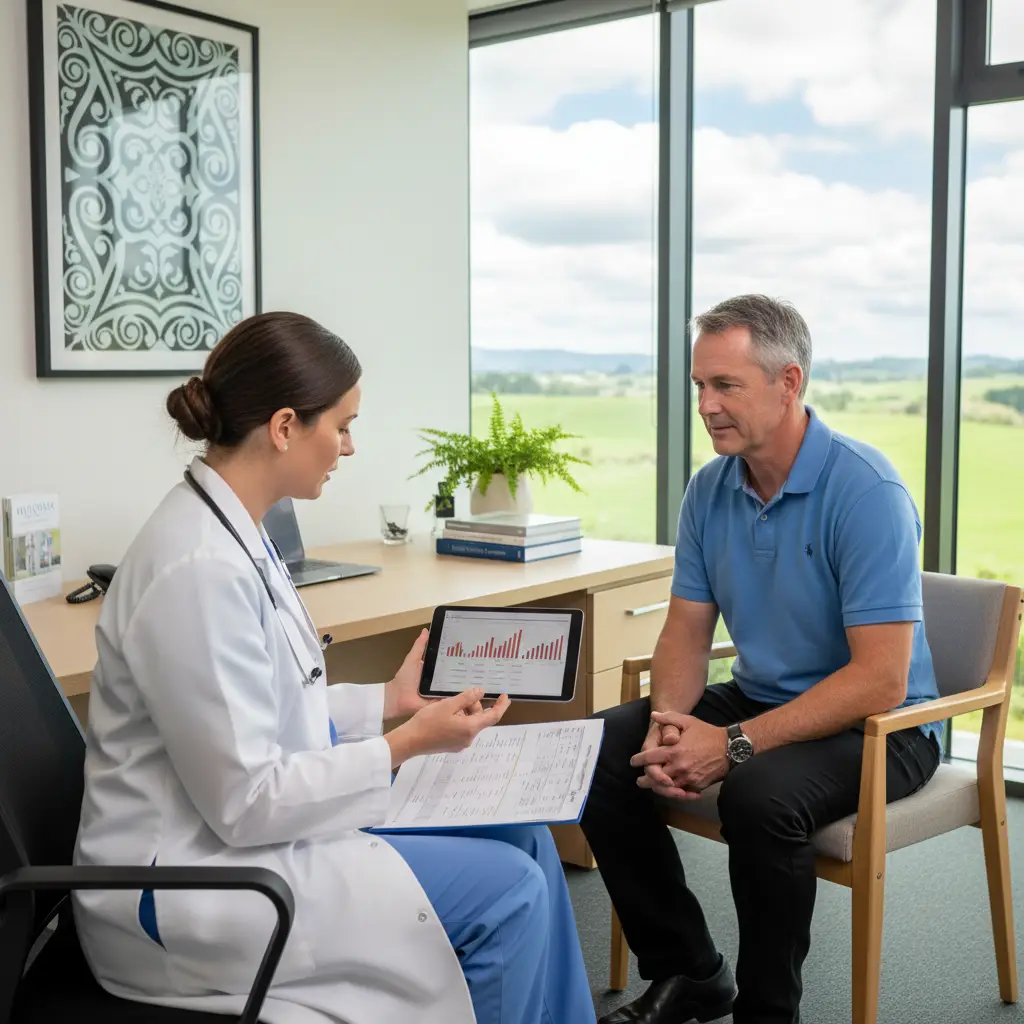
Your GP will request a specific set of blood tests known as Coeliac Serology. This primarily looks for Tissue Transglutaminase antibodies (tTG-IgA). In New Zealand, this test is generally funded if you meet specific clinical criteria, though some medical centers may charge a phlebotomy fee. If the serology is positive, it indicates a high probability of Coeliac disease, but it is not usually sufficient for a formal diagnosis on its own, especially regarding accessing government subsidies.
Why is a Gastroscopy Necessary?
To confirm the diagnosis and assess the level of damage to the small intestine (villous atrophy), a gastroscopy with a duodenal biopsy is the gold standard. In the New Zealand healthcare context, a confirmed biopsy is often required to obtain a “Special Authority” number. This number is the key to unlocking PHARMAC-funded gluten-free food. Without the biopsy confirmation, you may be diagnosed as “gluten intolerant” rather than Coeliac, which precludes you from accessing financial subsidies.
Accessing Specialists: Public vs. Private Care
Once your blood tests suggest Coeliac disease, your GP will refer you to a Gastroenterologist. In New Zealand, you have two primary routes: the public health system (Te Whatu Ora) or private practice.
How Does the Public System Referral Work?
In the public system, your GP sends a referral to the local District Health Board (DHB) or hospital. Each region has different thresholds for acceptance based on capacity and severity of symptoms. If accepted, the consultation and subsequent gastroscopy are free of charge. However, wait times can be significant, ranging from several months to over a year in some regions. During this wait, patients are advised to keep eating gluten, which can be physically and mentally challenging.
Is Private Care Worth the Cost?
For those with health insurance or the ability to self-fund, seeing a private Gastroenterologist significantly accelerates the process. An appointment can often be secured within weeks. While the cost for a consultation and gastroscopy can range between $1,500 and $2,500 NZD without insurance, the speed of diagnosis allows patients to start their gluten-free recovery sooner. Many comprehensive NZ health insurance policies cover these diagnostic procedures fully.
Unlocking PHARMAC Subsidies and Prescriptions
One of the most distinct advantages of the NZ healthcare system for Coeliacs is the funding provided by PHARMAC. This government agency subsidizes specific gluten-free products, acknowledging that for Coeliacs, food is medicine.
What Gluten-Free Food is Funded?
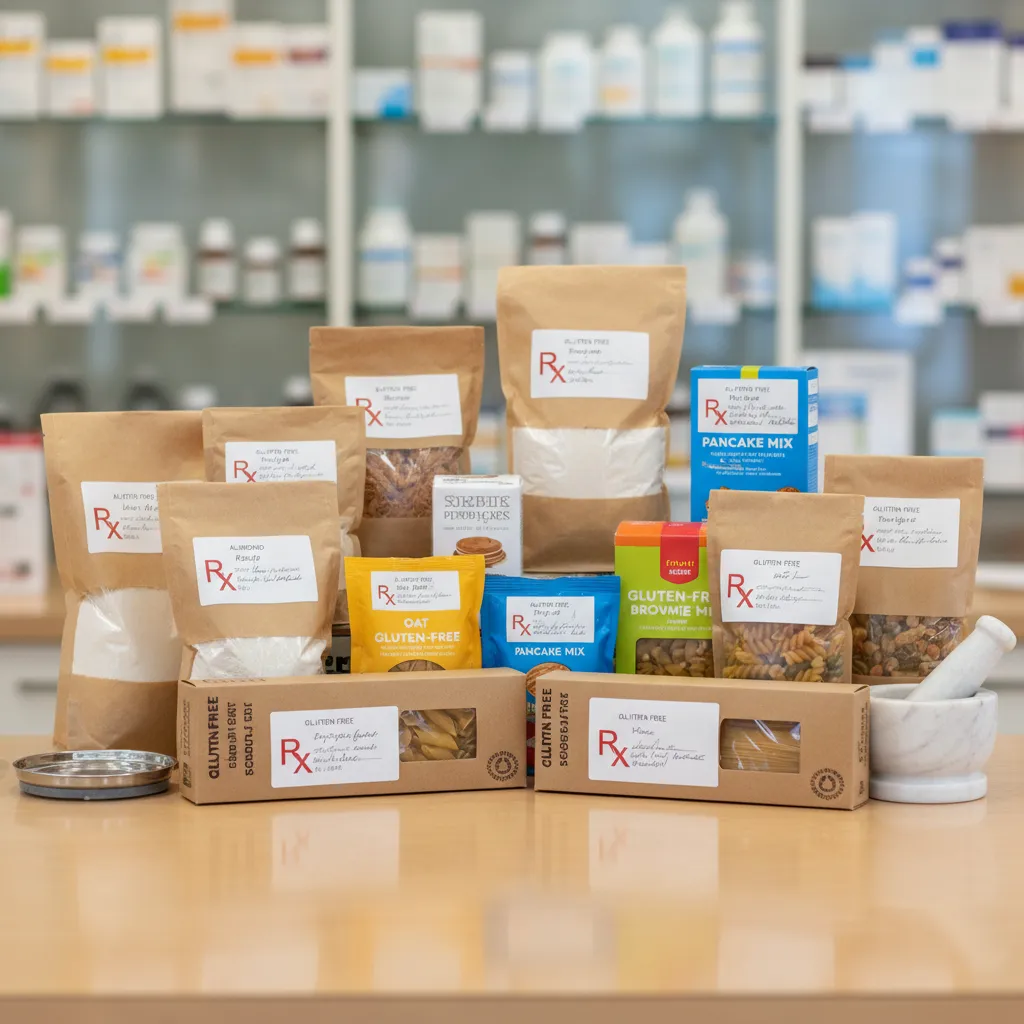
PHARMAC does not fund ready-to-eat products like cookies or bread loaves. Instead, the funding focuses on staples that allow you to bake and cook. Subsidized items typically include:
- Gluten-Free Flour Mixes: High-quality baking mixes for bread and general use.
- Pasta: Various shapes like spirals, penne, and spaghetti.
- Bread Mixes: Specialized mixes designed for bread machines or oven baking.
The selection varies slightly depending on the supplier contracts PHARMAC holds at the time, but generally, brands like Bakels and Healtheries are common fixtures on the list.
How to Get Your Special Authority Number
To access these products, your GP or Specialist must apply for a Special Authority number on your behalf. This application confirms you have a biopsy-proven diagnosis of Coeliac disease (or dermatitis herpetiformis). Once approved, the Special Authority is valid for two years initially and can be renewed by your GP indefinitely.
The Cost Breakdown
Once you have your Special Authority, your GP will write a prescription for a three-month supply of products. You take this script to your local pharmacy just like a medicine prescription. As of recent policy changes, the standard prescription co-payment ($5) has been scrapped for most, making these supplies free at the point of collection for many New Zealanders. However, check with your specific pharmacy as some may charge a small packaging or administration fee for bulky food orders.
The Critical Role of Dietitian Support
Transitioning to a strict gluten-free diet involves more than just swapping bread brands; it requires a complete overhaul of how you view food, cross-contamination, and label reading. Dietitians are essential navigators in this process.

Public vs. Private Dietitians
Upon diagnosis within the public system, you are often entitled to sessions with a hospital-based dietitian. These sessions focus on the fundamentals: identifying hidden gluten, understanding cross-contamination in shared kitchens, and ensuring nutritional adequacy (calcium, iron, and fiber intake often drop on a GF diet).
Private dietitians, particularly those specializing in gastrointestinal health, offer more tailored advice. They can help navigate the “grey areas” of labelling laws in Australia and New Zealand (FSANZ), which are among the strictest in the world. They can also assist if you have overlapping conditions like IBS or lactose intolerance, which are common in newly diagnosed Coeliacs.
Long-term Management and Annual Reviews
Coeliac disease is a lifelong autoimmune condition, and in the NZ healthcare model, management eventually shifts back to your GP for annual monitoring. It is easy to become complacent once symptoms subside, but silent damage can occur if the diet slips.
What Should an Annual Review Include?
You should proactively book an annual review with your GP. This appointment should cover:
- Repeat Serology (tTG-IgA): To ensure antibody levels have returned to normal, indicating effective dietary adherence.
- Nutritional Blood Panel: Checking for deficiencies in Iron (Ferritin), Vitamin B12, Folate, and Vitamin D.
- Bone Density Scan (DEXA): Adults are often referred for a bone density scan to check for osteopenia or osteoporosis, as malabsorption prior to diagnosis can weaken bones.
- Flu Vaccination: Coeliacs are eligible for funded flu vaccines in New Zealand as they are considered to have a chronic condition.

Support Groups and Resources
Medical support is only one pillar of navigating the system; community support provides the practical knowledge needed for daily life.
Coeliac New Zealand (CNZ)
Coeliac New Zealand is the primary charitable organization supporting people with the condition. While they are a non-profit and not a direct part of the government healthcare system, they work closely with medical advisors.
Membership Benefits: Joining CNZ is highly recommended for the newly diagnosed. Their “Dining Out Guide” is an invaluable resource for finding safe restaurants across New Zealand that understand cross-contamination protocols. They also provide a starter pack that simplifies the confusing initial weeks of the diet.
Mental Health Support
The psychological toll of a chronic dietary restriction is often overlooked. New Zealand’s healthcare system includes access to mental health support through the “Health Improvement Practitioner” (HIP) roles available in many GP practices. If you find yourself struggling with food anxiety or social isolation due to your diagnosis, ask your GP to speak with a HIP. These sessions are often free and can provide strategies for coping with the lifestyle adjustment.
Frequently Asked Questions
Is the gluten-free diet funded for everyone in New Zealand?
No, PHARMAC funding is specifically restricted to those with a biopsy-confirmed diagnosis of Coeliac Disease or Dermatitis Herpetiformis. People with non-coeliac gluten sensitivity (NCGS) or those who choose the diet for lifestyle reasons are not eligible for the Special Authority number required for subsidized products.
How much does a gluten-free prescription cost?
Following the removal of the standard $5 prescription co-payment in mid-2023, most prescriptions are now free at the point of collection at participating pharmacies. However, some pharmacies may charge a small administration or handling fee for large boxes of food products, so it is worth calling ahead to check.
Can I get a diagnosis without a gastroscopy?
In adults, a gastroscopy with biopsy remains the gold standard in New Zealand and is usually required for PHARMAC funding. However, for children, new guidelines from the European Society for Paediatric Gastroenterology (ESPGHAN) sometimes allow for diagnosis via very high antibody levels without a biopsy, provided a Pediatric Gastroenterologist oversees the diagnosis.
What happens if I accidentally eat gluten?
If you are Coeliac, accidental ingestion will trigger an autoimmune reaction. There is no “stomach pump” or medication to stop this reaction once it starts. The NZ healthcare advice is to rest, stay hydrated, and manage symptoms. If symptoms are severe (severe dehydration or pain), you should visit your GP or an After-Hours clinic.
Does health insurance cover gluten-free food?
Generally, private health insurance in New Zealand does not cover the cost of food, even for medical diets. However, some policies offer a “health maintenance” or “wellbeing” allowance that might contribute toward dietitian consultations or membership fees for Coeliac New Zealand.
How do I find a GP who understands Coeliac disease?
While all GPs are trained in general medicine, their knowledge of specific autoimmune conditions varies. Coeliac New Zealand and local Facebook support groups are excellent places to ask for recommendations for GPs in your area who are known to be proactive regarding Coeliac care and PHARMAC prescriptions.