
Gluten free groceries in NZ are readily available at major supermarkets like Woolworths, New World, and Pak’nSave, typically located in a dedicated health food aisle or integrated within product categories. To ensure safety, shoppers must identify the ‘Coeliac New Zealand’ Crossed Grain logo or verify ‘Gluten Free’ claims compliant with strict FSANZ standards.
The Ultimate Guide to Buying Gluten Free Groceries in NZ
Navigating the aisles of a New Zealand supermarket can be a daunting task when you are first diagnosed with Coeliac disease or gluten intolerance. The landscape of gluten free groceries NZ shoppers rely on has changed dramatically in the last decade. Gone are the days of ordering dry, cardboard-like bread from specialty catalogs. Today, our major supermarket chains offer robust selections of safe, delicious, and high-quality alternatives.
However, availability does not always equate to ease. Understanding the nuances of New Zealand food labeling laws, knowing which supermarket chain offers the best value for specific items, and identifying hidden sources of gluten in Kiwi pantry staples is essential for your health and your wallet. This guide serves as your comprehensive roadmap to mastering the weekly shop without compromising on safety or taste.
Supermarket Showdown: Woolworths vs. New World vs. Pak’nSave
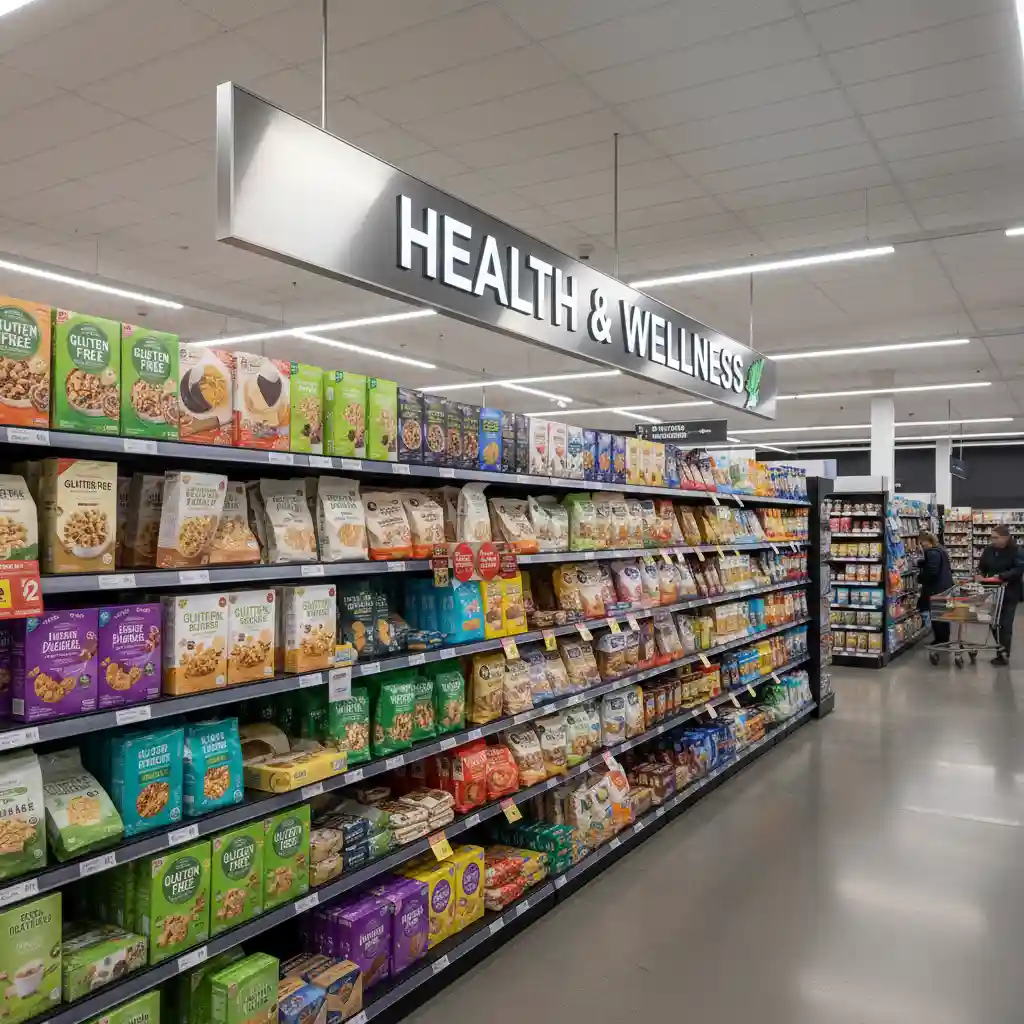
In New Zealand, the grocery duopoly (Woolworths NZ and Foodstuffs) dictates the availability of gluten-free products. Each chain has a distinct approach to stocking gluten free groceries NZ consumers need. Understanding these differences can save you time and money.
Woolworths (formerly Countdown)
Woolworths is often considered the most consistent option for gluten-free shopping across the country. They have invested heavily in their private label “Free From” range. These products, identifiable by their distinct purple packaging, cover everything from pasta and flour to biscuits and crackers.
The key advantage at Woolworths is the “Macro Wholefoods Market” aisle. This dedicated section segregates special dietary foods from the general population, reducing the risk of accidental selection of gluten-containing items. Their online shopping interface also has a robust filter for “Gluten Free,” making Click & Collect orders highly efficient for avoiding label fatigue.
New World
New World supermarkets are individually owned and operated, which means the range of gluten-free groceries can vary significantly from store to store. However, New World generally positions itself as a premium offering and often stocks a wider variety of artisan and niche gluten-free brands that you might not find at Woolworths or Pak’nSave.
Look for the “Pams” brand (Foodstuffs’ private label). Pams has an extensive range of naturally gluten-free products, and their labeling is transparent. New World is often the best place to find high-end gluten-free goods like Venerdi paleo breads, specialized nut flours, and gourmet GF sauces. The trade-off is often a slightly higher price point at the checkout.
Pak’nSave
For those strictly watching their budget, Pak’nSave is the necessary destination. While the shopping experience is no-frills, the savings on gluten-free staples can be substantial. Pak’nSave stocks the same “Pams” brand as New World but usually at a lower price.
The challenge at Pak’nSave is organization. Unlike Woolworths, Pak’nSave often integrates gluten-free products onto the main shelves next to wheat-based counterparts. This requires a higher level of vigilance. You might find the GF San Remo pasta right next to the standard wheat pasta, increasing the risk of grabbing the wrong packet if you are in a rush. However, for bulk buying staples like rice, potatoes, and GF cereals, they are unbeatable.
Decoding Labels: FSANZ and ‘May Contain’ Warnings
New Zealand operates under the Food Standards Australia New Zealand (FSANZ) code, which has some of the strictest gluten labeling regulations in the world. This is excellent news for shoppers looking for gluten free groceries NZ wide.
What does “Gluten Free” mean in NZ?
Under Standard 1.2.7, for a product to be labeled “Gluten Free” in New Zealand, it must contain no detectable gluten. This includes no detectable oats or malt. This is a higher standard than in the USA or Europe, where up to 20 parts per million (ppm) is often allowed. If you see “Gluten Free” printed on a NZ package, it is safe for Coeliacs.
The “May Contain” Dilemma
You will often see statements like “May contain traces of gluten” or “Packaged in a facility that handles wheat.” These are voluntary precautionary allergen labeling (PAL) statements. For someone with Coeliac disease, these products should generally be avoided. While the risk may be low, cross-contamination in manufacturing lines is a real danger.
The Crossed Grain Logo
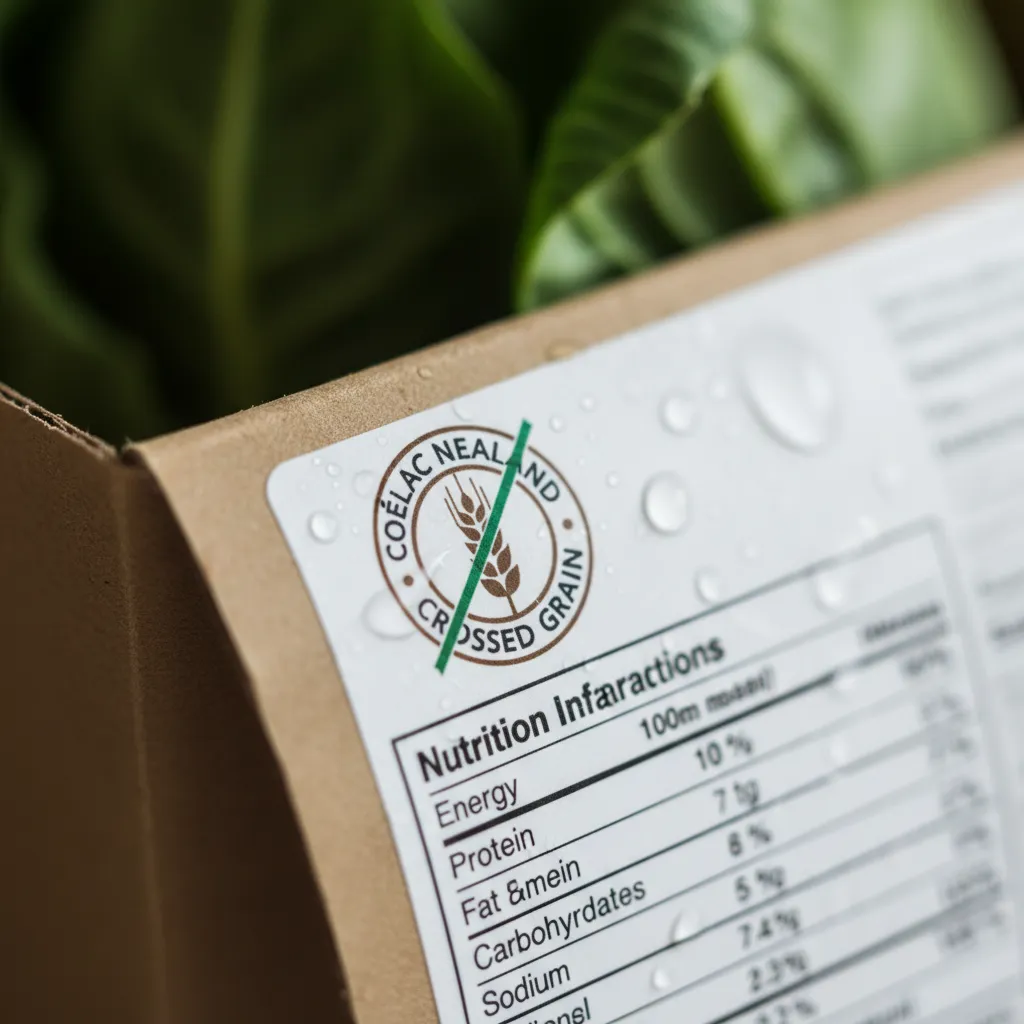
The gold standard for safety is the Coeliac New Zealand Crossed Grain logo. Manufacturers pay a licensing fee and undergo rigorous testing to display this symbol. When you see this logo, you have an extra layer of assurance that the product is not only safe but that the manufacturer is committed to the gluten-free community.
Managing the ‘Coeliac Tax’: Budgeting Tips
It is an unfortunate reality that a gluten-free diet is more expensive. Studies suggest that gluten-free substitutes can cost between 200% to 500% more than their wheat-based equivalents. Here is how to mitigate that cost while shopping in NZ.
1. Focus on Naturally Gluten-Free Foods
The most expensive items are processed substitutes: GF bread, GF cookies, and GF ready-meals. To save money, build your meal plan around naturally gluten-free pillars: fresh fruit and vegetables, fresh meat (check sausages and marinades), rice, potatoes, quinoa, and dairy. If your trolley is 80% whole foods, the price difference at the checkout shrinks significantly.
2. Buy in Bulk
Stores like Bin Inn or the bulk bins at Pak’nSave (use caution with cross-contamination in scoop bins—packaged bulk is safer) offer better rates on GF flours and grains. For families, buying a 5kg bag of rice is far more economical than small microwave rice packets.
3. Join Coeliac New Zealand
Becoming a member of Coeliac New Zealand often provides access to “New World Clubcard” specials or specific discounts with partners. Furthermore, keeping receipts for special dietary foods can sometimes be used for disability allowance support if you qualify through WINZ (Work and Income NZ), though strict criteria apply regarding health deficits.
The Essential NZ Gluten-Free Pantry Checklist
Building a functional pantry is key to survival. Here are the specific brands and items available in NZ supermarkets that you should stock up on.
Baking Essentials
- Edmonds Gluten Free Flour: The iconic NZ brand offers a reliable standard flour and self-raising flour. Note: It usually requires xanthan gum if not already added, though their new blends are improving.
- Bakels Gluten Free Baking Mixes: Widely considered the best commercial bakery mixes in NZ. Their GF bread mix and brownie mix are pantry staples.
- Xanthan Gum: Essential for baking from scratch. Usually found in the health food aisle of New World or Woolworths.
Pasta and Grains
- San Remo Gluten Free Pasta: The most widely available and affordable GF pasta in NZ. It holds its shape well.
- Barilla Gluten Free: Slightly more expensive but excellent texture.
- SunRice: Most plain rice is GF, but always check flavored rice sachets.
Sauces and Condiments
- Soy Sauce: You must buy “Gluten Free Soy Sauce” or Tamari. The standard Kikkoman or Wattie’s soy sauce contains wheat. Kikkoman has a clearly labeled GF version with a blue label.
- Stock Powder: Massel stock cubes and powders are all gluten-free and vegan. They are a safe bet compared to traditional Maggi stocks which may contain wheat.
- Tomato Sauce: Wattie’s Tomato Sauce is gluten-free (check the bottle to be sure, but the classic formula is safe).

The Battle of the Breads: Reviewing NZ Brands
Bread is the holy grail of gluten free groceries NZ shoppers search for. The technology has improved, and we now have options that don’t need to be toasted to be edible.
Vogel’s Gluten Free
Vogel’s is a Kiwi icon, and their GF range is very popular. They offer a seeded loaf that mimics the density of their traditional bread. It is widely available at all three major supermarkets. It toasts well but can be a bit crumbly when fresh.
Venerdi
Venerdi is often hailed as the premium choice. Based in Auckland, they produce Paleo, Keto, and Sourdough GF breads. Their “Broken Wheat” (which contains no wheat, just mimics the texture) and Sourdough options are excellent. They are pricier and typically found in the health aisle or at New World/specialty stores.
MacKenzie High Country Bread
A newer contender that has gained a loyal following. Their gluten-free loaves are soft and have a slice size closer to “normal” bread, making them great for sandwiches.
Hidden Gluten in Kiwi Favorites
Even seasoned shoppers can get tripped up by hidden gluten in products that seem innocent. In the New Zealand context, watch out for these specific traps.
Sausages and Processed Meats
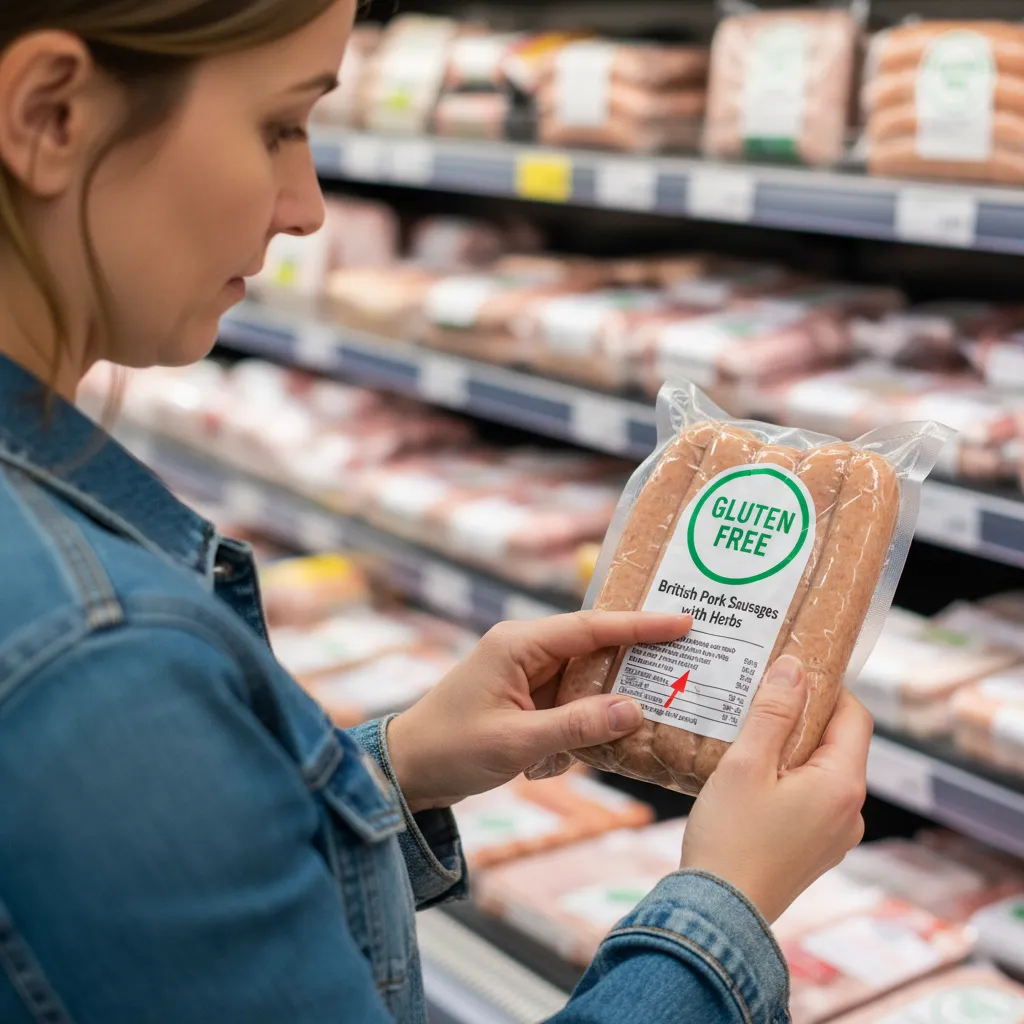
Traditionally, NZ sausages (snarlers) use wheat flour as a binder / filler. Never assume a sausage is gluten-free unless stated. Brands like Hellers and The Butcher’s Son have extensive gluten-free ranges, clearly marked with the crossed grain or “GF” text. Salami and luncheon meat also require label checking.
Hot Chips and Frozen Fries
Frozen chips in the supermarket freezer often have a wheat-based batter to make them crispy. Look for plain cut fries and always read the ingredients. Brands like Wattie’s and McCain have specific GF varieties, but their “Beer Battered” or “Seasoned” wedges are almost always off-limits.
Chocolate and Confectionery
While plain dairy milk chocolate is often safe, many bars contain biscuit pieces or malt extract (barley). For example, a standard KitKat is not GF. However, many Whittaker’s blocks are gluten-free (check the back, they label clearly). Pascall Marshmallows are generally GF, but always check for “wheat starch” in other confectionery brands.
Conclusion
Surviving the weekly shop for gluten free groceries in NZ is entirely possible with a bit of preparation and knowledge. By sticking to the perimeter of the store for fresh produce, utilizing the health food aisles in Woolworths and New World, and carefully checking labels for the strict FSANZ definition of “Gluten Free,” you can enjoy a varied and safe diet. Remember, when in doubt, leave it out. The safety of your gut is worth the extra minute it takes to read the ingredient list.
What is the best supermarket for gluten free food in NZ?
Woolworths (Countdown) is generally considered the best for consistency and range due to their dedicated “Macro Wholefoods” aisle and “Free From” private label. However, New World often stocks more premium, artisan gluten-free brands.
Are oats gluten free in New Zealand?
No. Under FSANZ regulations, oats cannot be labeled gluten-free in New Zealand. Even oats labeled “wheat-free” contain a protein called avenin, which mimics gluten and can cause reactions in some Coeliacs. Coeliac NZ recommends avoiding oats unless you have completed a medically supervised oat challenge.
Is yeast extract gluten free in NZ?
Not always. Traditional Marmite and Vegemite contain yeast extract derived from barley (a source of gluten). However, there is a specific “Gluten Free Vegemite” available in NZ supermarkets with a distinct pale label. Always check the jar.
How can I identify gluten on NZ food labels?
By law, allergens including wheat, barley, rye, and oats must be declared on the label. Look for the bold text in the ingredient list. If the product claims “Gluten Free,” it must have no detectable gluten.
Is gluten free food more expensive in NZ?
Yes, gluten-free specialty products like bread and pasta are significantly more expensive than standard versions. To save money, focus on naturally gluten-free foods like rice, potatoes, vegetables, and fresh meats.
Can I get a WINZ allowance for gluten free food?
In some cases, yes. If you have a diagnosed medical condition like Coeliac Disease, you may be eligible for the Disability Allowance from Work and Income NZ to help cover the extra costs of a special diet. You will need a doctor’s verification.