
A classic New Zealand gluten-free pavlova requires four key ingredients: room temperature egg whites, caster sugar, white vinegar, and gluten-free cornflour (maize starch). The secret to the iconic crisp shell and marshmallow center lies in slow-baking at a low temperature and allowing the meringue to cool completely inside the oven to prevent thermal shock and cracking.
The Ultimate Guide to a Gluten Free Kiwi Christmas
For many New Zealanders, Christmas isn’t complete without the dual centerpieces of the dessert table: the towering Pavlova and the decadent Trifle. However, for those navigating a Coeliac lifestyle, the festive season can be fraught with cross-contamination anxiety and label-reading fatigue. The good news is that the quintessential Kiwi Christmas dessert is naturally close to being gluten-free, and with a few specific adjustments, it can be completely safe for everyone at the table.
Creating a gluten free pavlova recipe NZ style means adhering to the traditions that make our version distinct from the Australian interpretation—specifically, the emphasis on a thick, marshmallow-like interior protected by a fragile, crisp crust. Achieving this texture requires not just a recipe, but an understanding of the chemistry involving proteins, sugar, and heat.
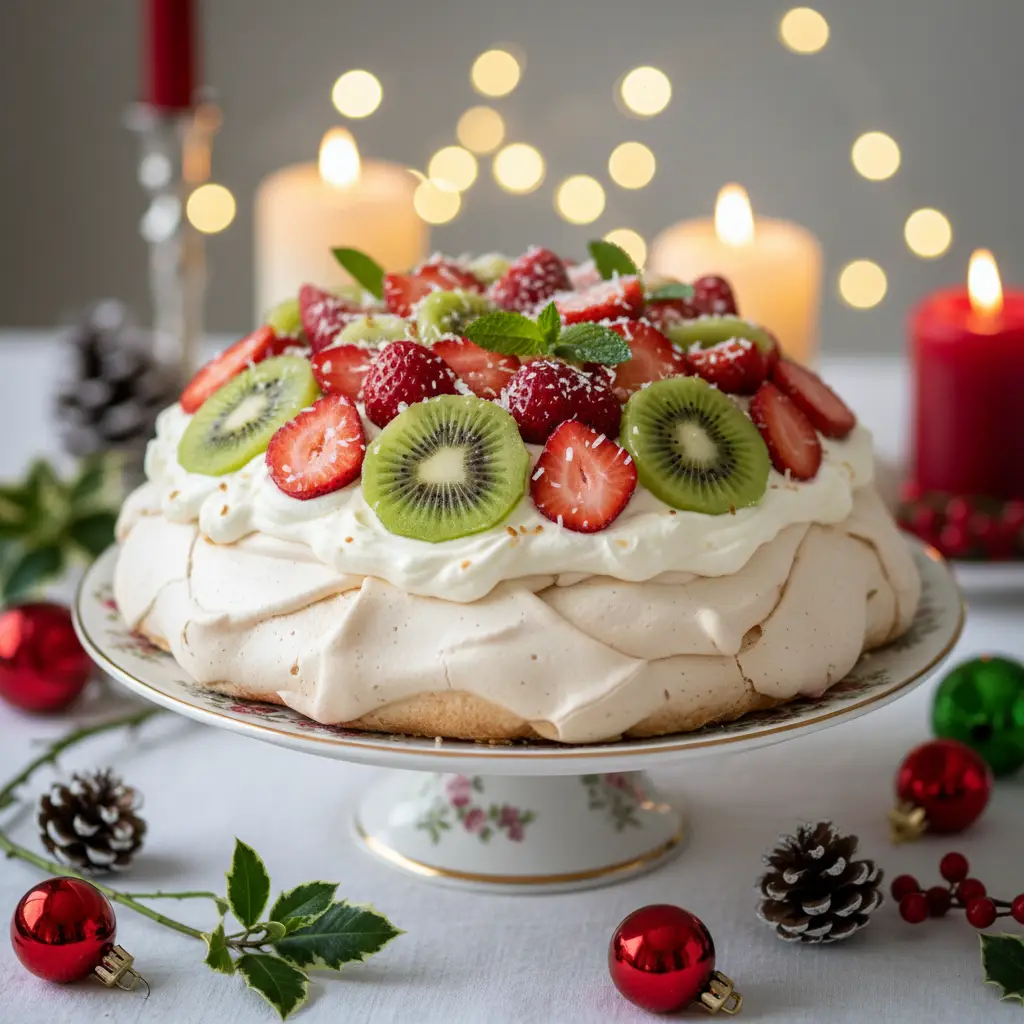
The Perfect Gluten Free Pavlova Recipe NZ Style
To achieve the standard required for a Coeliac-safe celebration, precision is key. This recipe is formulated for stability and texture, ensuring your meringue stands tall without weeping.
Ingredients
- 6 Large Egg Whites: Must be at room temperature. Cold whites do not aerate to the same volume.
- 300g Caster Sugar: Do not use standard white sugar; the granules are too large and won’t dissolve fully, leading to weeping syrup.
- 2 Teaspoons White Vinegar: Acid stabilizes the foam.
- 2 Tablespoons Gluten-Free Cornflour: Essential for the soft center.
- 1 Teaspoon Vanilla Extract: Use a high-quality extract rather than essence.
Method
- Preheat and Prep: Preheat your oven to 150°C (fan bake not recommended as it can dry the shell too quickly). Line a baking tray with baking paper. Draw a 20cm circle on the underside of the paper as a guide.
- Whisk the Whites: Ensure your bowl is impeccably clean. Any trace of grease or yolk will prevent the whites from stiffening. Beat the egg whites until soft peaks form.
- Add Sugar Gradually: Add the sugar one tablespoon at a time while beating on high speed. This process should take about 10 minutes. The mixture is ready when it is thick, glossy, and you cannot feel any sugar granules when rubbing a bit of meringue between your thumb and finger.
- Fold in Stabilizers: Sift the gluten-free cornflour over the meringue. Add the vinegar and vanilla. Gently fold these in with a spatula. Do not beat, or you will knock out the air you just incorporated.
- Shape: Pile the meringue onto the baking paper inside your circle. Use a spatula to sweep the sides up, creating a slight crater in the center for the cream later.
- Bake: Place in the oven and immediately turn the temperature down to 120°C. Bake for 1 hour and 15 minutes.
- Cool: Turn the oven off and leave the door slightly ajar (use a wooden spoon to hold it open). Let the pavlova cool completely inside the oven. This is critical for preventing collapse.
The Secret to a Marshmallow Centre
The defining characteristic of a New Zealand pavlova, as opposed to a French meringue, is the contrast between the shell and the interior. A French meringue is dry and crisp all the way through. A Kiwi pavlova must have a soft, marshmallow-like texture inside.
The secret lies in the addition of cornflour and vinegar. The vinegar (acid) helps to denature the proteins in the egg whites, allowing them to form a stronger network that traps air bubbles more effectively. The cornflour acts as a buffer against high heat and helps to keep the center soft by absorbing moisture and gelatinizing during the baking process.
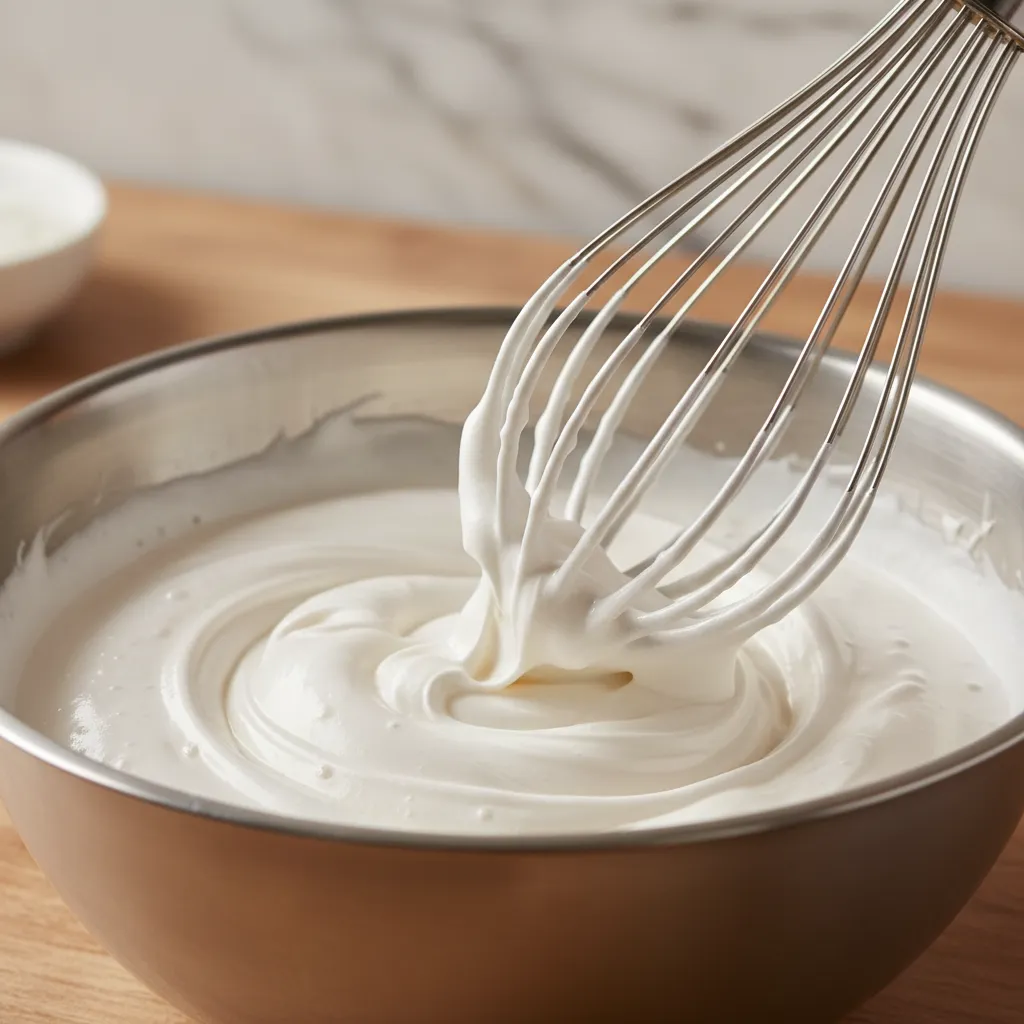
Is Cornflour Gluten Free? A Critical Warning for NZ Bakers
One of the most common pitfalls when making a gluten free pavlova recipe in NZ involves the cornflour. In many parts of the world, “cornstarch” is always made from maize. However, in New Zealand and the UK, products labeled as “Cornflour” can sometimes be made from wheat.
Wheaten Cornflour vs. Maize Cornflour
Historically, “Wheaten Cornflour” was a staple in NZ pantries (often the standard Edmonds red box). This product contains gluten and is unsafe for Coeliacs. You must look for:
- Maize Cornflour: Derived from corn (maize) and naturally gluten-free.
- Gluten-Free Certification: Always check the packaging for the “Gluten Free” label or the Crossed Grain logo.
If you use wheaten cornflour by mistake, the entire pavlova will contain gluten. Always double-check your pantry staples before Christmas baking begins.
Troubleshooting: Cracks, Weeping, and Collapse
Even seasoned bakers struggle with meringue. Here are the solutions to the most common issues:
Why is my pavlova weeping sugar syrup?
This is usually caused by undissolved sugar or over-baking. If you add the sugar too quickly, it doesn’t integrate into the protein structure. Ensure you beat the mixture until the sugar is completely dissolved. High humidity can also cause weeping; try to bake on a dry day or store the pavlova in an airtight container immediately after cooling.
Why did my pavlova crack?
Cracks are often caused by thermal shock—cooling the pavlova too quickly. This is why leaving it in the oven with the door ajar is mandatory. A sudden drop in temperature causes the air bubbles inside to contract rapidly, pulling the crust apart. Small cracks are normal and can be covered with cream; large structural cracks indicate cooling issues.
The Ultimate Gluten Free Christmas Trifle
While the pavlova is the star, the trifle is the decadent, boozy support act. A traditional trifle relies heavily on sponge cake, custard, and jelly. Making this gluten-free requires careful sourcing of ingredients, particularly the sponge layer.
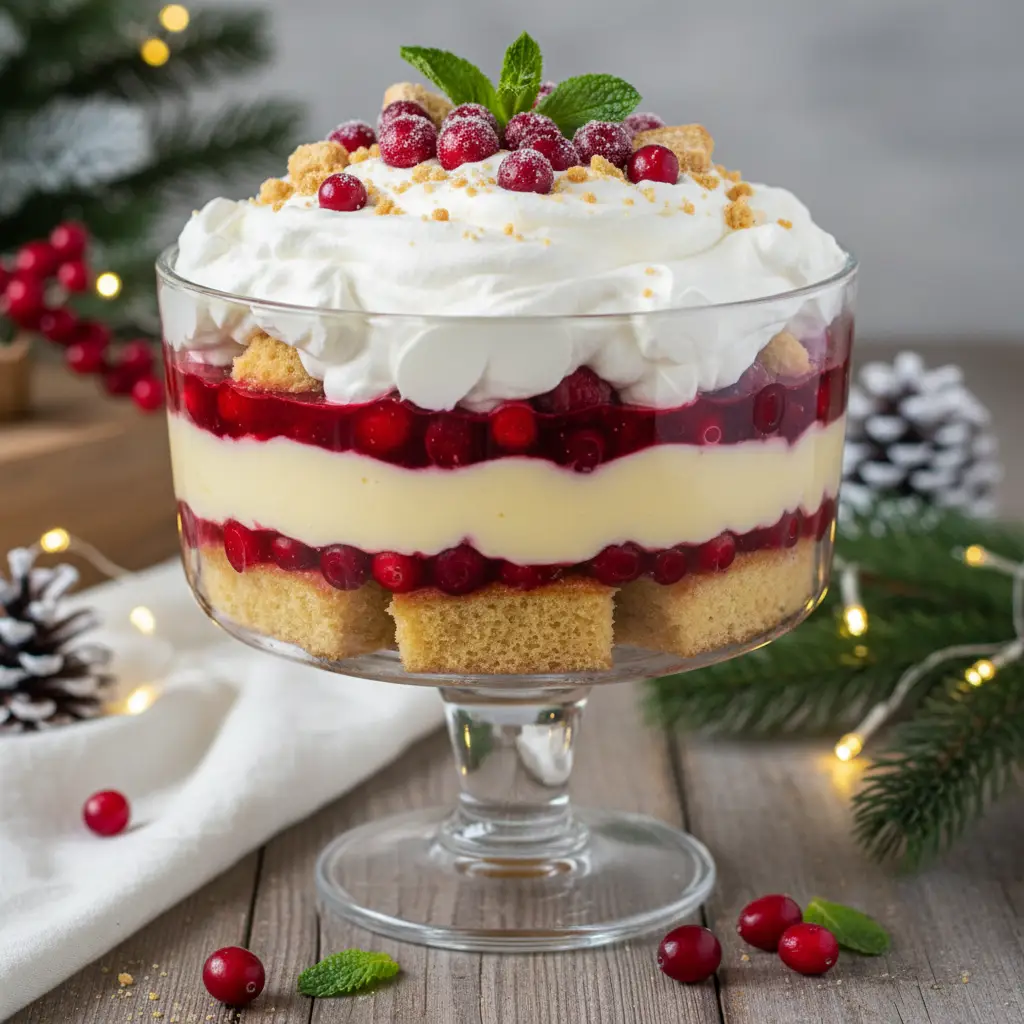
Making GF Sponge for Trifle
The sponge in a trifle needs to be slightly dry so it can soak up the sherry or fruit juice without turning into absolute mush. You have two main options for a gluten-free base:
Option 1: The Store-Bought Hack
Several NZ supermarkets stock gluten-free vanilla wine biscuits or plain gluten-free sponge cakes in the bakery aisle. While convenient, these can sometimes be too dense. If using store-bought GF cake, cut it into cubes and leave them out on a wire rack for a few hours to stale slightly before assembly.
Option 2: Homemade GF Genoise Sponge
For the best results, bake a simple GF sponge sheet:
- 3 Eggs
- 100g Caster Sugar
- 100g GF High-Grade Flour Blend
- 1 tsp GF Baking Powder
Whisk eggs and sugar until pale and thick (ribbon stage). Sift in flour and baking powder, fold gently, and bake at 180°C for 15-20 minutes. This sponge is light, airy, and absorbs sherry perfectly.
Dairy Free Variations
Modern Christmas gatherings often include guests who are both Coeliac and Dairy Free (or Vegan). Fortunately, both the Pavlova and Trifle can be adapted.
Dairy-Free Pavlova Toppings
The meringue base is naturally dairy-free. Instead of standard whipped cream, use:
- Coconut Cream: Chill a can of full-fat coconut cream overnight. Scoop out the solid top layer and whip it with a little icing sugar.
- Plant-Based Whips: Brands like ‘Naturli’ or generic soy whips available in NZ supermarkets whip up surprisingly well.
Dairy-Free Trifle Custard
Standard custard powder (like Edmonds) is often gluten-free (check the label), but it requires milk. To make it dairy-free, prepare the custard powder using almond milk or soy milk. Note that plant milks often thicken differently, so you may need slightly more powder to achieve a thick consistency suitable for layering.

Final Assembly Tips for the Big Day
Timing is everything when hosting a gluten-free Christmas. The pavlova can be made up to two days in advance and stored in an airtight container (undecorated). Do not decorate it until just before serving, as the cream will soften the crisp shell.
The trifle, conversely, benefits from time. Assemble your trifle the night before or the morning of Christmas. This allows the flavors of the sherry, jelly, and fruit to permeate the gluten-free sponge, softening any gritty texture that is sometimes present in GF baked goods.
By mastering these two recipes, you ensure that no one at your table feels left out. The joy of a Kiwi Christmas lies in sharing, and with these safe, delicious adaptations, everyone can grab a spoon and dig in.
People Also Ask
Can you make pavlova on a humid day in NZ?
It is difficult to make pavlova on a humid day because the sugar in the meringue attracts moisture from the air, causing the shell to become soft and sticky or the pavlova to weep. If you must bake on a humid day, keep the kitchen windows closed, bake longer at a lower temperature to dry it out, and store it in an airtight container immediately after cooling.
What is the best vinegar to use for pavlova?
White vinegar is the best choice for pavlova because it is colorless and has a neutral flavor profile once baked. Apple cider vinegar or white wine vinegar can be used in a pinch, but avoid dark vinegars like balsamic or malt vinegar (which also contains gluten).
How do I know when my pavlova is cooked?
A pavlova is cooked when the outside is crisp and pale (not browned) and it easily lifts off the baking paper without sticking. If it feels soft to the touch or sticks to the paper, it needs more time. Remember to let it cool in the oven to finish setting.
Can I use icing sugar instead of caster sugar for pavlova?
No, you should not use icing sugar for pavlova. Icing sugar often contains anti-caking agents (like cornflour or tapioca starch) which can alter the texture. Furthermore, icing sugar dissolves too quickly and lacks the crystalline structure needed to stabilize the egg whites during the initial whisking.
Is Edmonds custard powder gluten free?
As of recent formulations, standard Edmonds Custard Powder is often gluten-free, but you must check the packaging every time. Manufacturers change formulations. Look for the “Gluten Free” statement on the tub. If you are Coeliac, avoid buying from bulk bins where cross-contamination can occur.
How long does a gluten free pavlova keep?
An undecorated gluten-free pavlova can be stored in an airtight container at room temperature for up to 5 days. Once decorated with cream and fruit, it must be refrigerated and eaten within 24 hours, as the moisture will cause the meringue to collapse.