Coeliac support groups in New Zealand consist of a robust network of regional coordinators managed by Coeliac New Zealand (CNZ) and active online communities. These groups provide essential resources, including local coffee catch-ups, kids’ camps, and peer-to-peer advice via Facebook, helping individuals navigate the gluten-free lifestyle, shopping, and dining across the North and South Islands.
Regional Coeliac NZ Coordinators
For those newly diagnosed or moving to a new area, the most reliable source of support comes from the official body, Coeliac New Zealand (CNZ). While the head office provides high-level advocacy and resources, the true heartbeat of the community lies with the Regional Coordinators. These are volunteers who dedicate their time to creating local networks of support.
The Role of a Coordinator
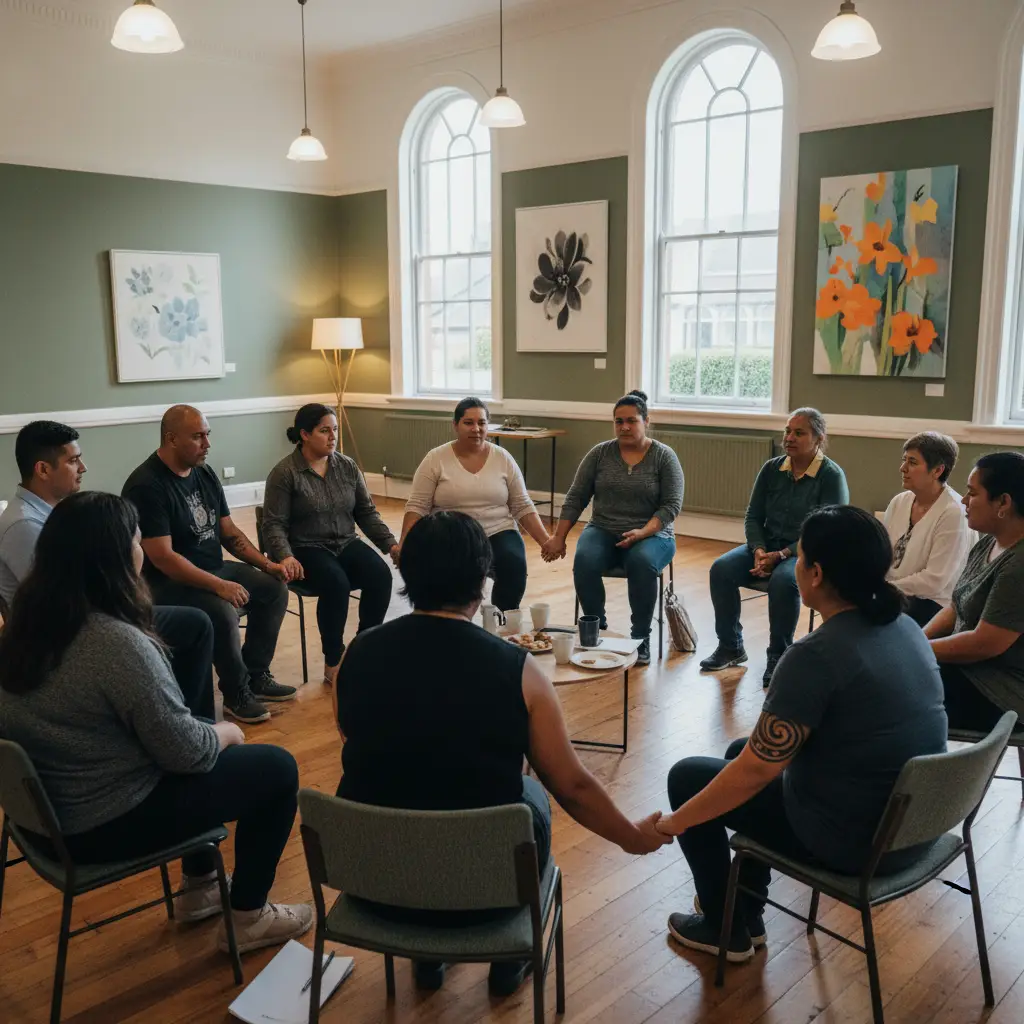
Regional coordinators act as the bridge between individual members and the national organization. Their primary function is to facilitate connection. They are often long-term coeliacs themselves or parents of coeliac children, possessing a wealth of local knowledge regarding safe dining venues, specialized bakeries, and medical professionals who understand the condition. Engaging with a coordinator is often the first step in moving from a state of overwhelm to a state of empowerment.
North Island Networks
The North Island, being the most populous region, hosts a dense network of support groups. Key hubs include:
- Auckland: Due to its size, Auckland is often split into sub-regions (North Shore, Central, West, East, and South). These groups differ significantly; some focus heavily on dining out events due to the high concentration of accredited venues, while others focus on family picnics.
- Wellington: The capital’s support network is known for its strong advocacy and close ties with national health bodies. Regular meetups often occur in the CBD and the Hutt Valley.
- Bay of Plenty & Waikato: These regions have very active coordinators who frequently organize supermarket tours—an invaluable service for the newly diagnosed learning to read labels.
South Island Networks
The South Island community is renowned for its tight-knit nature. Coordinators here often deal with more rural logistics, helping members in remote areas connect.
- Canterbury/Christchurch: This is one of the most active branches in the country. They frequently host guest speakers, including dietitians and gastroenterologists, providing medical insights alongside social support.
- Otago/Dunedin: With a large student population, this group often provides specific support for young adults navigating university life gluten-free.
- Nelson/Tasman: Known for lifestyle-focused events, often combining outdoor activities with gluten-free picnics.
Online Facebook Communities
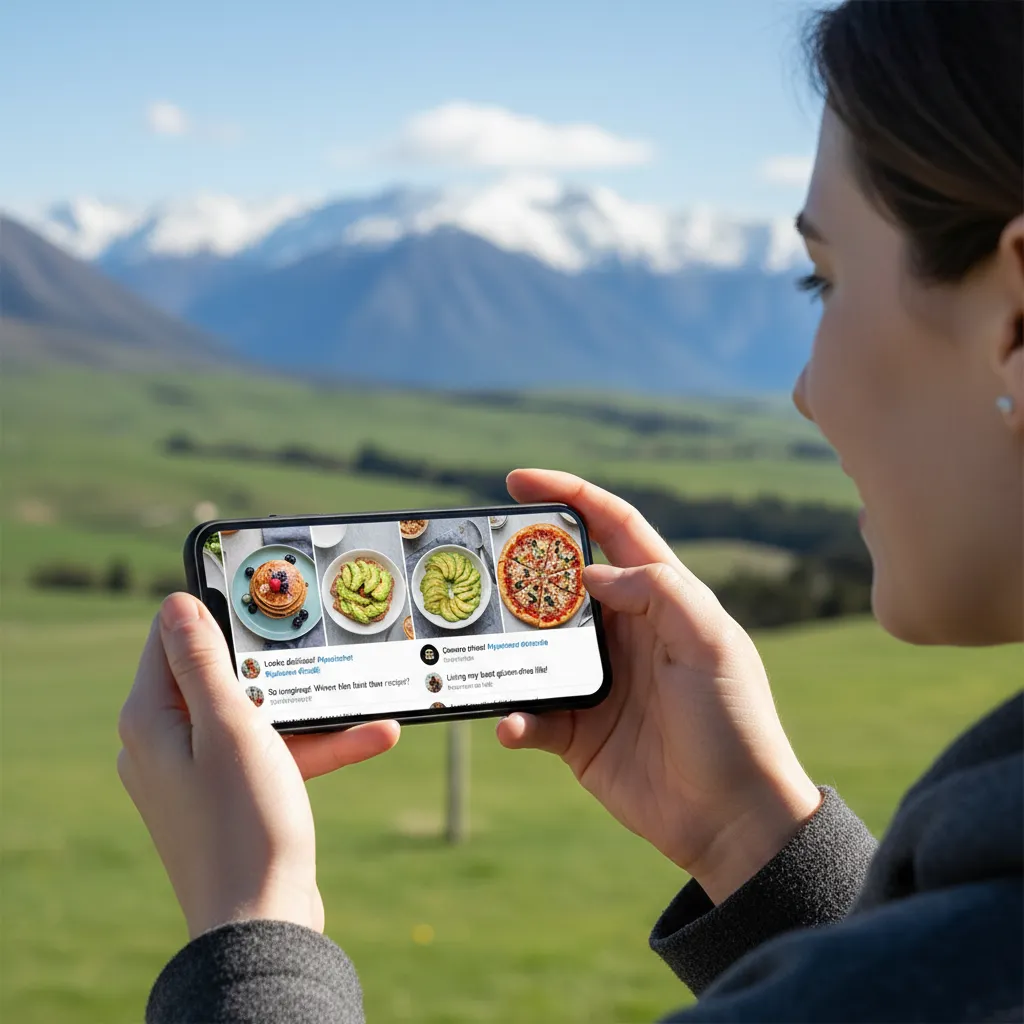
While face-to-face interaction is vital, the immediate nature of online support cannot be overstated. For many in New Zealand, Facebook groups serve as a daily lifeline for “coeliac support groups New Zealand” searches, offering real-time answers to questions like “Is this product safe?” or “Where can I eat in Taupō?”
Major National Groups
There are several private groups that require admin approval to join, ensuring a safe space for medical discussion and personal sharing.
- Coeliac New Zealand Members Only: This is the official digital space for paid members of CNZ. The information here is vetted and generally aligns strictly with the Crossed Grain logo standards and FSANZ (Food Standards Australia New Zealand) regulations.
- Coeliac Disease New Zealand Support Group (Unofficial): With thousands of members, this is a high-volume group. It is excellent for product discovery. If a new gluten-free biscuit hits the shelves at Countdown or New World, you will hear about it here first. However, users must be discerning, as advice is peer-based rather than medically professional.
Niche and Regional Digital Groups
Beyond the national pages, micro-communities exist to serve specific needs:
- Gluten Free Kids NZ: A support group specifically for parents. Discussions revolve around school lunches, birthday parties, and navigating the education system with a 504 plan or dietary requirement plan.
- Regional Facebook Pages: Search for “Coeliac [Your City].” These pages are less about general advice and more about logistics: “Does anyone know if the fish and chip shop on Main Street has changed their fryer oil?”
Events and Coffee Catch-ups
Social isolation is a significant side effect of coeliac disease. The anxiety surrounding cross-contamination often leads individuals to decline social invitations. Official events and coffee catch-ups are designed to break this cycle by providing a guaranteed safe environment.

What Happens at a Coffee Catch-up?
These are informal gatherings usually held at a cafe accredited by the Coeliac New Zealand Dining Out Programme. This accreditation ensures that the kitchen has strict protocols to prevent cross-contamination.
At these events, conversation typically flows between:
- New Diagnosis Support: Veterans of the lifestyle sharing tips with newcomers.
- Product Swaps: Members bringing along items they found but didn’t like, or sharing sourdough starters.
- Mental Health Checks: Simply venting about the frustrations of being “the difficult one” at a dinner party is therapeutic when done among people who understand.
Annual Awareness Week Events
Every year, typically in June, Coeliac Awareness Week triggers a surge of events. These are larger than the monthly catch-ups and may include high tea events, gluten-free food fairs, and educational seminars. Coordinators usually require RSVPs weeks in advance due to high demand.
Kids Camps and Youth Events
Growing up with coeliac disease presents unique challenges, from feeling left out at pizza parties to the fear of school camps. To combat this, specific youth-oriented support structures have been established.
The Coeliac NZ Kids Camp
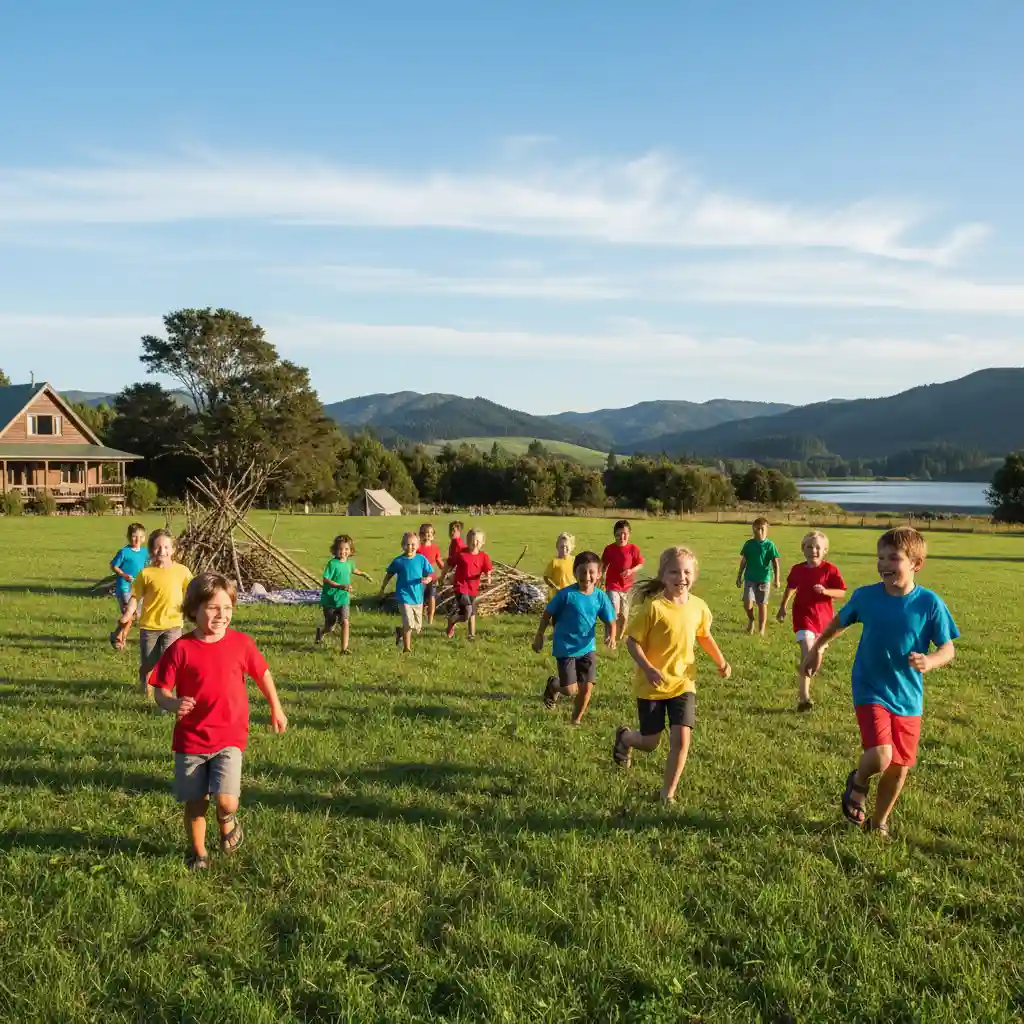
Perhaps the crown jewel of the community calendar is the annual kids’ camp. Organized by Coeliac New Zealand, this event allows children aged 8-12 (ages may vary by year) to experience a traditional Kiwi camp experience without the anxiety of food safety.
Key Benefits of the Camp:
- 100% Gluten-Free Kitchen: The entire catering operation is gluten-free, meaning kids can eat anything they see. This freedom is a rare luxury for coeliac children.
- Normalization: Being in an environment where they are the majority, not the minority, boosts self-esteem.
- Education: Kids learn self-advocacy skills, how to read labels, and how to explain their condition to friends, all while engaging in activities like kayaking, abseiling, and archery.
Teen Workshops
As children transition to adolescence, the challenges shift toward risk-taking and social pressure. Youth events for teens often focus on managing the condition while dating, traveling, and attending parties with alcohol (which may contain gluten). These are often workshop-style events held in major cities.
Support for Travelers in NZ
New Zealand is a popular destination for travelers, and the local coeliac support groups extend their hospitality to visitors. If you are traveling to NZ, joining the local Facebook groups prior to arrival is highly recommended.
Leveraging Local Knowledge
Tourists can post their itinerary in these groups to receive tailored advice. For example, a traveler heading to the West Coast of the South Island (a remote area) can be warned by locals to stock up on gluten-free bread in Christchurch before departing, as supply in small towns like Haast can be sporadic.
The Role of Community in Mental Health
Finally, it is crucial to acknowledge that coeliac support groups are not just about food; they are about mental well-being. Studies consistently show that those with chronic dietary conditions suffer higher rates of anxiety and depression.
Active participation in a support group mitigates these risks by:
- Validating Experiences: Confirming that your symptoms and frustrations are real.
- Reducing Vigilance Fatigue: Allowing you to relax in vetted environments.
- Building Resilience: Learning coping mechanisms from those who have lived with the condition for decades.
Whether you prefer the anonymity of an online forum or the warmth of a coffee catch-up, engaging with coeliac support groups in New Zealand is a critical step in mastering your health and happiness.
How do I join Coeliac New Zealand?
You can join Coeliac New Zealand by visiting their official website and purchasing a membership. Membership offers access to the ‘Crossed Grain’ magazine, a welcome pack with resources, access to the dining out guide, and entry to member-only support groups and events.
Is coeliac disease considered a disability in New Zealand?
Generally, Coeliac Disease is not classified as a disability in New Zealand for the purpose of general disability allowances. However, it is recognized as a serious medical condition. Families with children who have coeliac disease may sometimes qualify for the Child Disability Allowance if the condition requires substantial extra care and attention, though this is assessed on a case-by-case basis.
How much is the coeliac subsidy in NZ?
The Disability Allowance for coeliac disease (often referred to as a subsidy) helps cover the extra cost of a gluten-free diet. As of recent updates, this is a weekly payment available through Work and Income NZ (WINZ). You must meet income and asset tests, and have your doctor sign a form confirming the diagnosis and the necessity of the diet.
Are there gluten-free food banks in New Zealand?
While there are no specific “gluten-free only” food banks, many standard food banks (such as the Salvation Army or City Missions) are increasingly aware of dietary requirements. It is best to contact the local food bank coordinator in advance to request a gluten-free parcel, as supply depends on donations.
What is the best app for gluten-free NZ?
The “Coeliac NZ Dining Out Guide” is the official resource, often accessible via mobile for members. Additionally, the “Find Me Gluten Free” app is widely used globally and has many user-generated reviews for New Zealand restaurants, though users should verify current safety protocols directly with the venue.
Is New Zealand good for gluten-free travelers?
Yes, New Zealand is considered one of the most coeliac-friendly countries in the world. Awareness of gluten-free requirements is high in the hospitality industry, and labeling laws (FSANZ) are very strict, making it safer to buy packaged foods compared to many other regions.