
A Kiwi Coeliac Lifestyle Guide serves as a comprehensive roadmap for managing autoimmune gluten intolerance within New Zealand. It encompasses navigating strict Food Standards Australia New Zealand (FSANZ) regulations, identifying establishments accredited by the Coeliac New Zealand Dining Out Programme, accessing PHARMAC-subsidized gluten-free products, and managing cross-contamination risks during social events and travel.
Living with Coeliac Disease in New Zealand presents a unique set of challenges and advantages. While the country boasts high awareness levels and strict food labeling laws, the logistics of daily life—from the classic Kiwi BBQ to road-tripping through remote areas—require strategic planning. This guide provides authoritative advice on mastering the Coeliac lifestyle in Aotearoa.
Understanding Coeliac Disease in New Zealand
What distinguishes the Coeliac diagnosis and standards in NZ?
In New Zealand, Coeliac Disease is treated as a serious autoimmune condition rather than a lifestyle choice. The diagnosis pathway typically involves serology (blood tests) followed by a gastroscopy with a biopsy to confirm villous atrophy. What sets New Zealand (and Australia) apart globally is the rigorous definition of “Gluten-Free.”
Under the Food Standards Australia New Zealand (FSANZ) code, a product labeled “Gluten-Free” must contain no detectable gluten. This is stricter than the Codex Alimentarius standard used in the USA and Europe, which allows up to 20 parts per million (ppm). Consequently, products found on Kiwi shelves labeled “Gluten-Free” are among the safest in the world for Coeliacs. However, this also means that some imported products labeled GF overseas may not meet local labeling requirements if they haven’t been re-tested or re-packaged.
How does the ‘Oats’ controversy affect Kiwi Coeliacs?
A critical distinction for the Kiwi Coeliac lifestyle is the status of oats. Under current FSANZ regulations, oats cannot be labeled as gluten-free in New Zealand. Even oats that are grown in dedicated fields and processed in gluten-free facilities (often labeled “wheat-free” or “uncontaminated”) are generally not recommended for newly diagnosed Coeliacs. Coeliac New Zealand advises that oats should only be introduced under medical supervision and after a gastroscopy confirms healing, as a protein in oats called avenin can trigger a similar immune response in some individuals.

Dining Out Gluten-Free in NZ
How to identify safe restaurants using the Dining Out Programme?
Dining out remains one of the highest risk activities for Coeliacs due to cross-contamination. Fortunately, Coeliac New Zealand operates the Dining Out Programme (DOP). Establishments carrying this accreditation have undergone rigorous training and auditing to ensure their kitchen practices are safe. When you see the DOP logo on a restaurant door or website, it indicates that the venue understands the difference between “gluten-friendly” (often suitable for fad dieters) and “Coeliac-safe.”
However, DOP venues are not available in every small town. When dining at non-accredited venues, the “Kiwi Coeliac” must be vigilant. New Zealand hospitality staff are generally well-trained regarding allergens, but you must explicitly state, “I have Coeliac Disease,” rather than just saying, “I am gluten-free.” This triggers a higher level of care in the kitchen, often involving changing gloves and using clean utensils.
What specific questions should you ask in NZ cafes?
New Zealand has a vibrant cafe culture, but it is fraught with hazards like crumb-filled toasters and shared fryers. To ensure safety, use this checklist of questions:
- The Toaster: “Do you use a separate toaster or toast bags for gluten-free bread?” (If they share a toaster, the bread is not safe).
- The Fryer: “Is the fryer dedicated solely to gluten-free items, or do you cook crumbed fish and chips in the same oil?” (Shared oil is a major source of contamination in NZ fish and chip shops).
- The Cabinet: “Are the gluten-free items in the cabinet stored on the top shelf to prevent crumbs falling from standard pastries?”
- Sauces: “Are the relishes and mayonnaise gluten-free?” (Thickeners in mass-produced sauces can be a hidden source of gluten).

Gluten-Free Travel & Accommodation in NZ
How to manage a gluten-free diet while road-tripping?
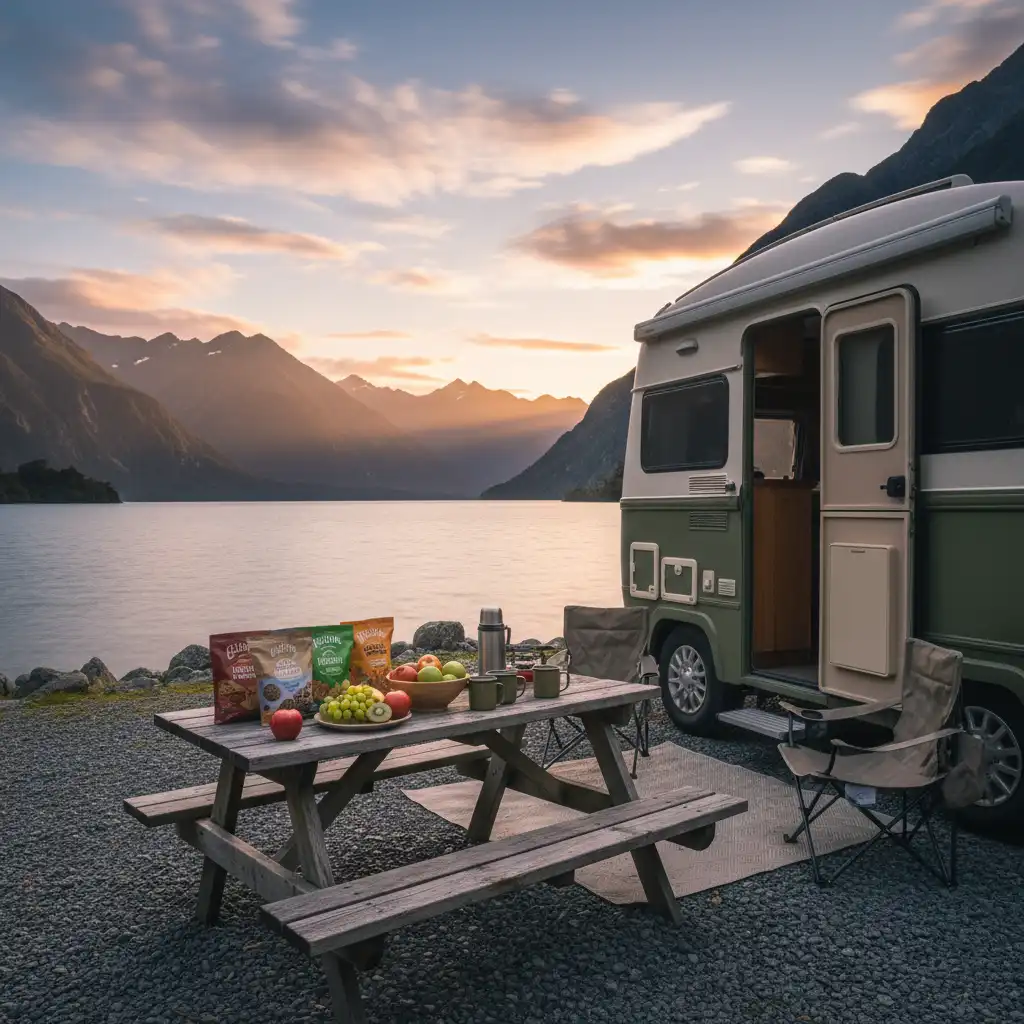
New Zealand is the ultimate road-trip destination, but rural areas (wop-wops) may have limited dining options. The cornerstone of a successful Kiwi Coeliac road trip is the supermarket network. The three main chains—Woolworths (formerly Countdown), New World, and Pak’nSave—all feature extensive “Health Food” or “Free From” aisles.
Before leaving a major city, stock up on essentials. Gluten-free bread (brands like Vogel’s, Venerdi, and Bakeworks are popular), crackers, and freeze-dried meals (like Radix Nutrition or Real Meals, which offer GF options) are vital. If you are traveling to remote locations like the West Coast of the South Island or East Cape, assume that cafes may not be able to cater to strict Coeliac requirements safely.
What accommodation types minimize cross-contamination risks?
For the strict Coeliac, self-catering accommodation is often superior to hotels. Motels and Airbnbs with kitchenettes allow you to control your food preparation. However, shared kitchens pose a risk. Travel with a “Coeliac Kit” containing:
- Toaster Bags: Essential for using shared toasters safely.
- A scrub sponge: Never trust the communal sponge in a motel, which may be full of breadcrumbs.
- Foil or Baking Paper: To line baking trays in the oven.
- A small chopping board: Wooden boards in rentals are porous and can harbor gluten.
If staying in hotels, verify if the breakfast buffet labels allergens. Even if labeled, buffets are high-risk due to other guests moving spoons between dishes. Requesting a plated gluten-free meal from the kitchen is always the safer option.
Social Life & Community for Coeliacs
How to navigate the Kiwi BBQ safely?
The barbecue is a staple of New Zealand social life, but it is a minefield for Coeliacs. The traditional Kiwi sausage often contains wheat flour as a binder/filler. Furthermore, sausages are often cooked on a hot plate alongside bread or marinated meats containing soy sauce (which usually contains wheat).
To navigate this:
- BYO Meat: Bring your own gluten-free sausages (brands like Hellers often have GF ranges labeled with the Crossed Grain logo).
- Foil Barrier: Ask the host to cook your food on a piece of aluminum foil to separate it from the main grill.
- Sauce Check: Ensure the tomato sauce (ketchup) and mustard are gluten-free. Wattie’s Tomato Sauce is a Kiwi icon and is generally gluten-free, but always check the label.
- The Bread: Avoid the communal bread bag. Bring your own GF buns or bread in a sealed container.
Where can I find local support networks?
Isolation can be a significant issue for those newly diagnosed. Coeliac New Zealand offers a membership that connects you with regional support coordinators. These volunteers organize coffee groups, kids’ events, and supermarket tours. Additionally, Facebook groups such as “Coeliac New Zealand Support Group” provide real-time advice on product findings and restaurant reviews. Engaging with these communities provides emotional support and practical tips specific to the NZ market.
Practical Home & Daily Living for Kiwi Coeliacs
How does PHARMAC funding work for Coeliacs?
One of the distinct advantages of the Kiwi Coeliac lifestyle is government support. In New Zealand, PHARMAC (the government drug buying agency) subsidizes special foods for people with diagnosed Coeliac Disease. This includes gluten-free flour mixes, baking mixes, and pasta.
To access this, you must have a formal diagnosis and a prescription from your GP or specialist. Once prescribed, you can pick up these staples at your local pharmacy for a fraction of the supermarket cost. This system significantly reduces the financial burden of the gluten-free diet, which is notoriously expensive.
How to set up a gluten-free kitchen in a shared household?
Many Kiwi households are “mixed,” containing both Coeliacs and gluten-eaters. To maintain safety without banning gluten entirely:
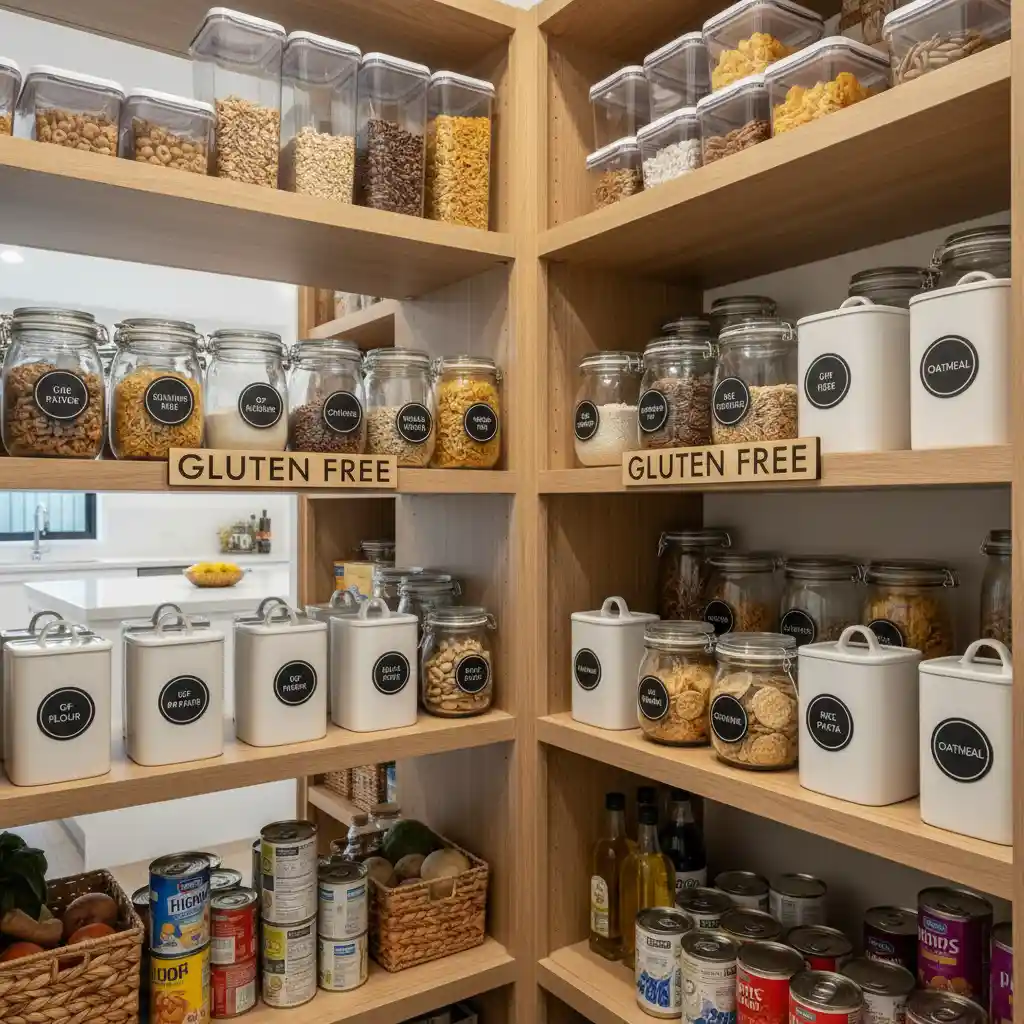
- The Top Shelf Rule: Always store gluten-free products on the top shelves of the pantry and fridge. This prevents gravity-assisted contamination where crumbs from wheat products fall into safe food.
- Color Coding: Use stickers or colored containers (e.g., Green for Gluten-Free) to distinguish butter, jams, and spreads. “Double dipping” a knife into a butter tub after buttering toast is a common way gluten spreads.
- Dedicated Equipment: Invest in a separate toaster, colander (pasta strainers are hard to clean perfectly), and wooden spoons.
People Also Ask
Is New Zealand good for gluten-free travelers?
Yes, New Zealand is widely considered one of the safest countries for gluten-free travelers. Awareness of Coeliac Disease is high, and strict food labeling laws (FSANZ) mean that products labeled “Gluten-Free” must contain no detectable gluten. Most cafes and restaurants offer gluten-free options, though cross-contamination checks are still necessary.
What is the Crossed Grain logo in NZ?
The Crossed Grain logo is a symbol licensed by Coeliac New Zealand to products that have been tested and proven to be gluten-free and safe for Coeliacs. It provides a quick and reliable way for shoppers to identify safe products without needing to decipher complex ingredient lists.
Can Coeliacs eat oats in New Zealand?
Generally, no. Under current New Zealand food standards, oats cannot be labeled gluten-free. Coeliac New Zealand recommends that Coeliacs avoid oats unless they are undertaking an “oat challenge” under the supervision of a specialist, as a protein in oats (avenin) can mimic gluten reactions in some people.
Is gluten-free food expensive in New Zealand?
Gluten-free specialty items are more expensive than standard wheat counterparts in supermarkets. However, New Zealand residents with a diagnosed condition can access subsidized gluten-free flour and pasta through PHARMAC prescriptions, which helps offset these costs significantly.
How do I get tested for Coeliac Disease in NZ?
Testing in New Zealand begins with a visit to your General Practitioner (GP) for a specific blood test (tTG-IgA). If markers are elevated, you will be referred to a gastroenterologist for a gastroscopy and biopsy. It is crucial not to stop eating gluten before these tests, or the results may be false negatives.
Are McDonald’s fries gluten-free in NZ?
In New Zealand, McDonald’s fries are generally cooked in a dedicated fryer and do not contain wheat ingredients (unlike in the US). However, McDonald’s NZ states they cannot guarantee zero cross-contamination due to kitchen operations. Many Coeliacs eat them safely, but it is a personal risk assessment based on sensitivity.