
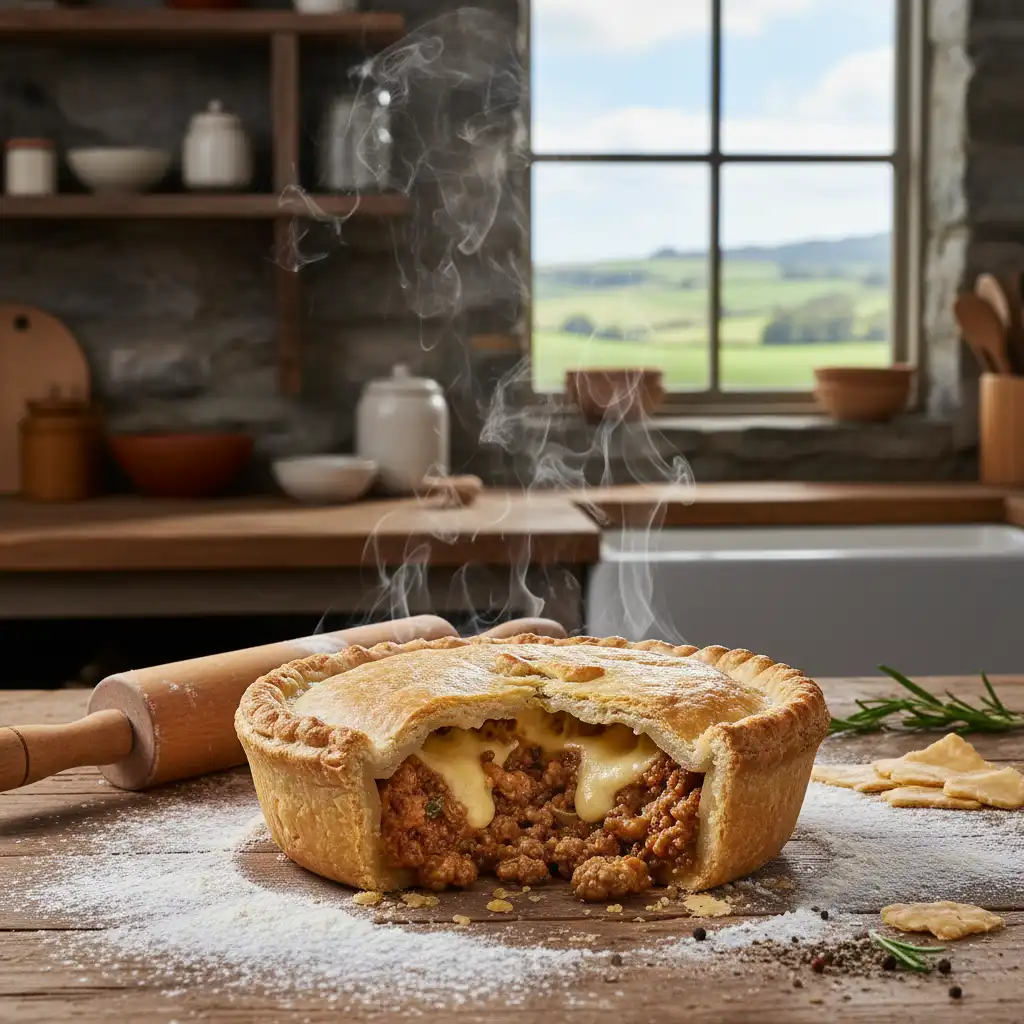
Creating the ultimate New Zealand gluten-free meat pie recipe requires a specialized approach to pastry structure. The secret lies in using a high-protein gluten-free flour blend fortified with xanthan gum to mimic elasticity, combined with ice-cold grated butter to ensure flakiness. For the filling, a rich beef mince stew thickened with cornflour and seasoned with gluten-free soy sauce or yeast extract provides that authentic bakery flavor without the wheat.
For many New Zealanders diagnosed with Coeliac disease or gluten intolerance, the most lamented loss is the iconic bakery pie. The classic Kiwi meat pie—steaming hot, encased in golden flaky pastry, and often bursting with melted cheese—is a cultural staple. Fortunately, the gluten-free landscape in New Zealand has evolved significantly. It is no longer necessary to settle for dense, cardboard-like crusts. With the right techniques and locally sourced ingredients, you can replicate the texture and taste of a traditional bakery pie in your own kitchen.
This comprehensive guide focuses on the transactional mechanics of constructing a gluten-free meat pie. We move beyond simple ingredient lists to discuss the hydrocolloid science of gluten-free baking, the sourcing of safe meat products in NZ supermarkets, and the preservation of texture during storage.
Mastering Gluten-Free Flaky Pastry
The greatest barrier to a successful pie is the pastry. Wheat flour contains gluten, which provides elasticity and structure. Without it, pastry tends to be brittle and difficult to handle. To achieve a “flaky” texture rather than a “shortbread” texture, we must manipulate fats and hydration carefully.
Essential Ingredients for NZ Kitchens
In New Zealand, we are fortunate to have access to several high-quality gluten-free flour blends. For pastry, you generally require a “baking blend” rather than just rice flour or tapioca starch alone.
- The Flour Blend: Look for blends available at Countdown or New World such as Edmonds Gluten Free Plain Flour or Bakels Gluten Free Baking Mix. These usually contain a mix of rice flour, maize starch, and tapioca starch.
- Xanthan Gum: If your flour blend does not include xanthan gum, you must add it. It acts as the binder, replacing the gluten strands. A general rule is one teaspoon per cup of flour for pastry.
- Fats: A mixture of butter and lard produces the best flake. However, for a standard butter puff style, stick to high-quality NZ butter (like Anchor or Mainland), keeping it as cold as possible.
The Grating Technique
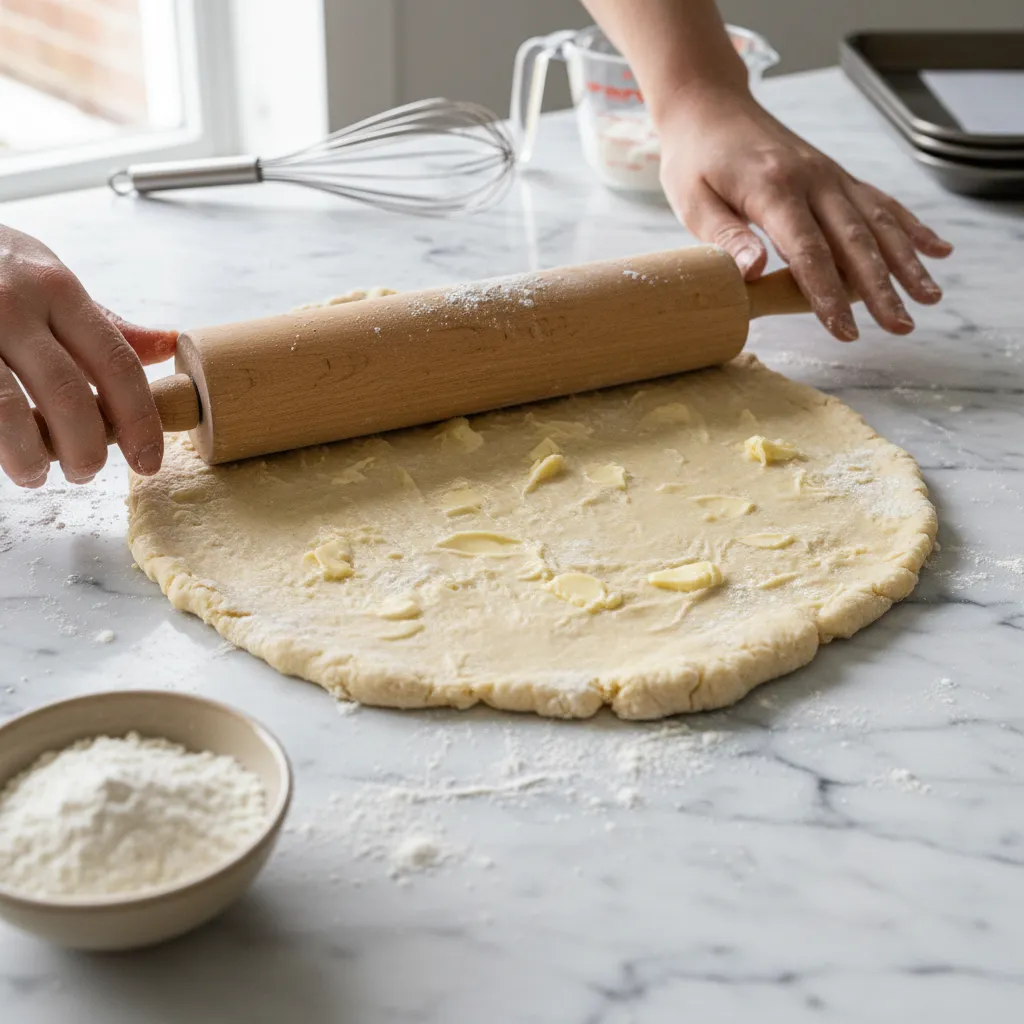
Traditional pastry involves “rubbing in” the butter. For gluten-free pastry, the “grating” method is superior. Freeze your block of butter for 30 minutes, then grate it directly into your flour mixture. Stir it through gently so the shards of butter remain intact. When these shards melt in the oven, they create steam pockets, pushing the layers of dough apart to create flakiness.
Hydration and Binding
Water management is critical. Gluten-free flours absorb water differently than wheat. You must use ice-cold water to keep the butter from melting. Add an egg or an egg yolk to the dough; the protein in the egg helps structure and color, preventing the pale, anaemic look common in GF baking. A teaspoon of apple cider vinegar can also help relax the dough and improve the lift.
Classic Mince and Cheese Filling Guide
While the pastry is the vessel, the filling is the soul of the pie. A “gluten free meat pie recipe nz” search often yields generic beef stews. To get the bakery taste, you need specific viscosity and umami depth.
Selecting the Beef
Avoid “Premium” lean mince for pies. You want standard beef mince (often labeled ‘Prime’ in NZ). The higher fat content (around 15-20%) is essential for keeping the filling moist during the double-cooking process (stewing, then baking). If the meat is too lean, the filling will be dry and crumbly.
Building the Umami Profile
Wheat-based pies often rely on flour-based roux for flavor. Since we cannot use wheat flour, we must build flavor elsewhere:
- Onion and Garlic: Sauté these until translucent before adding meat.
- Gluten-Free Soy Sauce: A tablespoon adds depth and color.
- Tomato Paste: Essential for that rich, dark color and acidity.
- Yeast Extract: A teaspoon of a gluten-free yeast extract (ensure you check the label as standard Vegemite/Marmite may contain gluten or be processed on shared lines—look for the specific GF versions) adds an incredible “meaty” punch.
Thickening the Gravy
A runny pie is a disaster. To thicken your gravy without wheat flour, Cornflour (corn starch) is the standard NZ pantry staple. Mix 2 tablespoons of cornflour with a little cold water to make a slurry, then stir it into the boiling mince mixture. Allow it to cook for at least 2 minutes to activate the starch fully. The filling should be thick enough to hold its shape when cool. Crucial Step: You must let the filling cool completely (preferably overnight) before putting it into the pastry. Hot filling will melt the butter in the pastry before it hits the oven, ruining the structure.
The Cheese Factor
For the authentic Kiwi experience, use a sharp Tasty Cheese (Cheddar). Mild cheese gets lost against the rich gravy. Cut the cheese into small cubes rather than grating it; cubes create pockets of molten cheese, whereas grated cheese can disappear into the sauce.

Assembly and Baking Techniques
Handling gluten-free pastry requires patience. It lacks the stretch of wheat dough, so if it cracks, simply patch it with wet fingers.
Pie Maker vs. Oven
The “Pie Maker” (like the Sunbeam or Kmart varieties) is a staple in many Kiwi homes. These are actually excellent for gluten-free pies because they cook the pastry from both sides simultaneously and quickly, reducing the chance of the pastry slumping.
If using a conventional oven:
1. Grease your pie tins generously.
2. Roll the pastry between two sheets of baking paper to prevent sticking.
3. Blind baking (baking the base without filling first) is recommended for larger family pies to ensure the bottom is cooked. For individual hand pies, it is usually unnecessary if your oven is hot enough.
The Glaze
Gluten-free pastry struggles to brown. A heavy egg wash (whisked egg with a splash of milk) is mandatory. Brush it over the top generously. For extra bakery aesthetics, sprinkle sesame seeds or poppy seeds on top.
Sausage Rolls: Sourcing GF Sausage Meat in NZ
Often baked alongside pies, sausage rolls are the other half of the bakery equation. The challenge here is the sausage meat, which traditionally uses wheat breadcrumbs as a filler and binder.
Supermarket Options
In New Zealand, you need to be vigilant with sausage meat. Brands like Hellers often have specific gluten-free sausages, but their bulk sausage meat tubes may differ. Always check the ingredients list for “wheat flour” or “breadcrumbs.”
Many local butchers (such as the Mad Butcher or specialty organic butchers) now offer specific gluten-free sausage meat. If you cannot find GF sausage meat, buy high-quality GF pork sausages and squeeze the meat out of the casings.
DIY Sausage Filling
To make your own filling using plain pork mince:
1. Mix 500g pork mince with 1 cup of gluten-free breadcrumbs (make your own from stale GF bread).
2. Add grated onion, carrot, and fresh sage.
3. Season generously with salt and pepper.
This mixture provides a texture far superior to plain mince and mimics the “sausage roll” mouthfeel.

Freezing and Reheating Tips for Lunches
One of the main reasons for making pies at home is meal preparation. Gluten-free pastry freezes well, but reheating requires care to avoid the dreaded “soggy bottom.”
Freezing Instructions
You can freeze pies either baked or unbaked.
Unbaked: Freezing them raw is often better for pastry texture. Assemble the pies, wrap them individually in plastic wrap, and freeze. Bake them from frozen, adding an extra 10-15 minutes to the cooking time.
Baked: Cool the pies completely on a wire rack before freezing. If you wrap them while warm, condensation will form ice crystals, which will make the pastry soggy upon thawing.
Reheating for the Best Texture
Never reheat a gluten-free pie in the microwave if you value the crust. Microwaves steam the moisture from the filling into the pastry, turning it into mush.
The Air Fryer Method: The air fryer is the best tool for reheating pies. Set it to 160°C and heat for 10-12 minutes. This re-crisps the pastry while heating the centre.
Oven Method: Place on a rack (not a tray) in a 180°C oven for 20 minutes. The airflow underneath helps crisp the bottom.
Frequently Asked Questions
What is the best store-bought gluten-free pastry in NZ?
In New Zealand, the most widely available and reliable brand is often the Edmonds Gluten Free Pastry sheets found in the freezer section. Pavillion is another premium brand available in select supermarkets that offers excellent puff pastry results.
Why is my gluten-free pastry crumbling when I roll it?
Crumbling usually indicates the dough is too dry or too warm. Ensure you have used enough liquid and a binding agent like xanthan gum. If it warms up, the butter melts and the structure fails—chill the dough in the fridge for 20 minutes before trying again.
Can I use cornflour to thicken the mince filling?
Yes, cornflour (corn starch) is the standard thickener for pie fillings in NZ. It is naturally gluten-free. Mix it with cold water to form a slurry before adding it to the hot meat to prevent lumps.
How do I stop the bottom of the pie from being soggy?
To prevent a soggy bottom, ensure your filling is completely cold before putting it into the pastry. Additionally, bake the pie on a preheated baking tray or pizza stone in the lower third of the oven to deliver intense heat to the base immediately.
Is yeast extract gluten-free?
Standard Marmite and Vegemite contain yeast from beer brewing (barley) and are not gluten-free. However, both brands produce specific “Gluten Free” versions in NZ. Always check the jar for the “Gluten Free” label.
Can I make these pies dairy-free as well?
Yes. Substitute the butter in the pastry for a high-quality plant-based baking block (not soft margarine) or lard. For the filling, simply omit the cheese or use a dairy-free cheese alternative, and ensure your pastry glaze uses plant milk or just egg.