
The ultimate gluten-free meat pie recipe NZ style relies on a high-protein gluten-free flour blend combined with cold, grated butter and xanthan gum to create a flaky, structural pastry. The filling features quality beef mince simmered in a rich, cornflour-thickened gravy with vintage cheddar, replicating the iconic Kiwi bakery experience without wheat.
For New Zealanders living with Coeliac disease or gluten intolerance, the classic “Mince and Cheese” pie is often the most missed comfort food. The flaky golden lid, the sturdy base that doesn’t collapse in your hand, and the rich, umami-packed gravy are staples of Kiwi culture. Recreating this at home requires specific techniques to overcome the lack of gluten, particularly in the structural integrity of the pastry.
The Science of Flaky Gluten-Free Pastry
The greatest challenge in executing a gluten free meat pie recipe NZ enthusiasts will love lies entirely in the crust. Traditional pastry relies on gluten networks to hold layers of fat (butter) in suspension. When baked, the water in the butter evaporates into steam, pushing the gluten layers apart to create “lift” or flakiness.
In gluten-free baking, we must simulate this network using hydrocolloids like Xanthan Gum or Guar Gum, combined with a precise blend of starches and proteins. If your pastry is crumbly, it lacks hydration or binding agents. If it is rock hard, it contains too much starch or was overworked.
Essential Ingredients for NZ Meat Pies
To achieve the bakery-standard result, ingredient quality and type are non-negotiable. Do not substitute the flour types unless using a high-quality pre-mixed commercial blend available in New Zealand supermarkets (such as Edmonds GF or Bakels).
For the Pastry
- High-Grade GF Flour Blend (400g): A mix of rice flour, tapioca starch, and potato starch is ideal.
- Xanthan Gum (1 tsp): Crucial for elasticity. If your blend already has it, omit this.
- Cold Butter (200g): Must be cubed and frozen or very cold.
- Egg (1 large): Provides structure and color.
- Ice Water (80-100ml): Keeps the fat from melting during mixing.
- Salt (1 tsp): For flavor.
For the Filling
- Premium Beef Mince (500g): Aim for 10-15% fat content for flavor; lean mince can be too dry.
- Beef Stock (300ml): Ensure it is certified gluten-free (check the label for hidden wheat thickeners).
- Onion & Garlic: The aromatic base.
- Tomato Paste (1 tbsp): Adds acidity and depth.
- Worcestershire Sauce (1 tbsp): Critical Warning: Many brands contain barley malt vinegar. Use a certified GF brand like Lea & Perrins (check the orange label version in NZ) or a generic GF alternative.
- Cornflour (Cornstarch): For thickening the gravy.
- Cheese: A block of Tasty or Vintage Cheddar, cubed (not grated), provides those pockets of molten cheese.
Step-by-Step: Making the Pastry
Temperature control is the most critical factor here. If the butter melts before the pie hits the oven, you will end up with a greasy, dense crust rather than flaky layers.
1. The “Rough Puff” Method
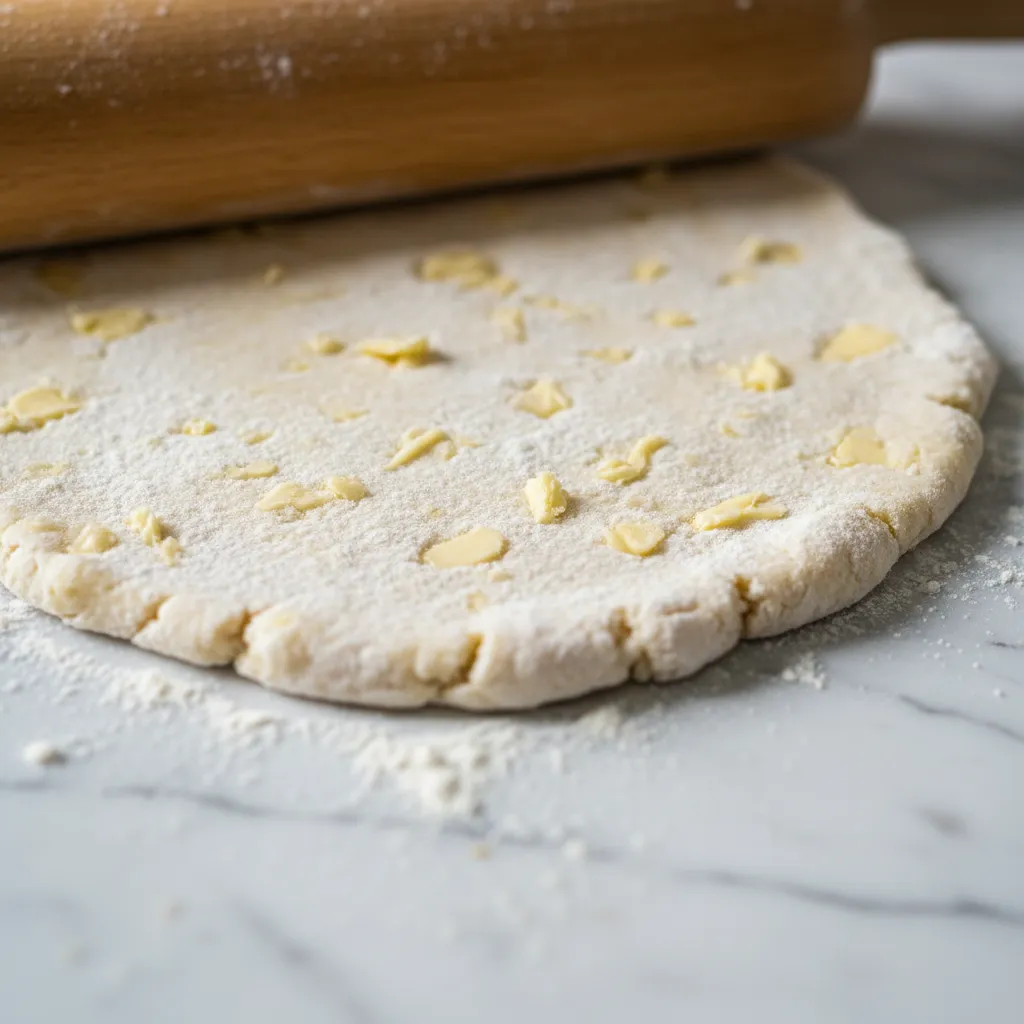
Place your flour, salt, and xanthan gum in a large bowl or food processor. Add the cold, cubed butter. Pulse or rub the butter into the flour with your fingertips until the mixture resembles coarse breadcrumbs, but—and this is vital—leave some chunks of butter the size of peas. These chunks are what create the flaky layers.
2. Hydration
Whisk the egg with the ice water. Slowly drizzle this into the flour mixture while mixing with a knife or pulsing. Do not dump it all in at once. Stop adding liquid as soon as the dough begins to clump together. Gluten-free flours absorb water differently depending on the brand, so you may need slightly more or less water.
3. Resting
Turn the dough onto a surface (lightly dusted with GF flour) and bring it together into a disc. Do not knead it heavily. Wrap it in plastic wrap and refrigerate for at least 30 minutes. This allows the flours to hydrate fully and the butter to firm up again.
The Classic Mince & Cheese Filling
While the pastry rests, prepare the filling. A great NZ pie is not loose meat; it is meat suspended in a thick, rich gravy.
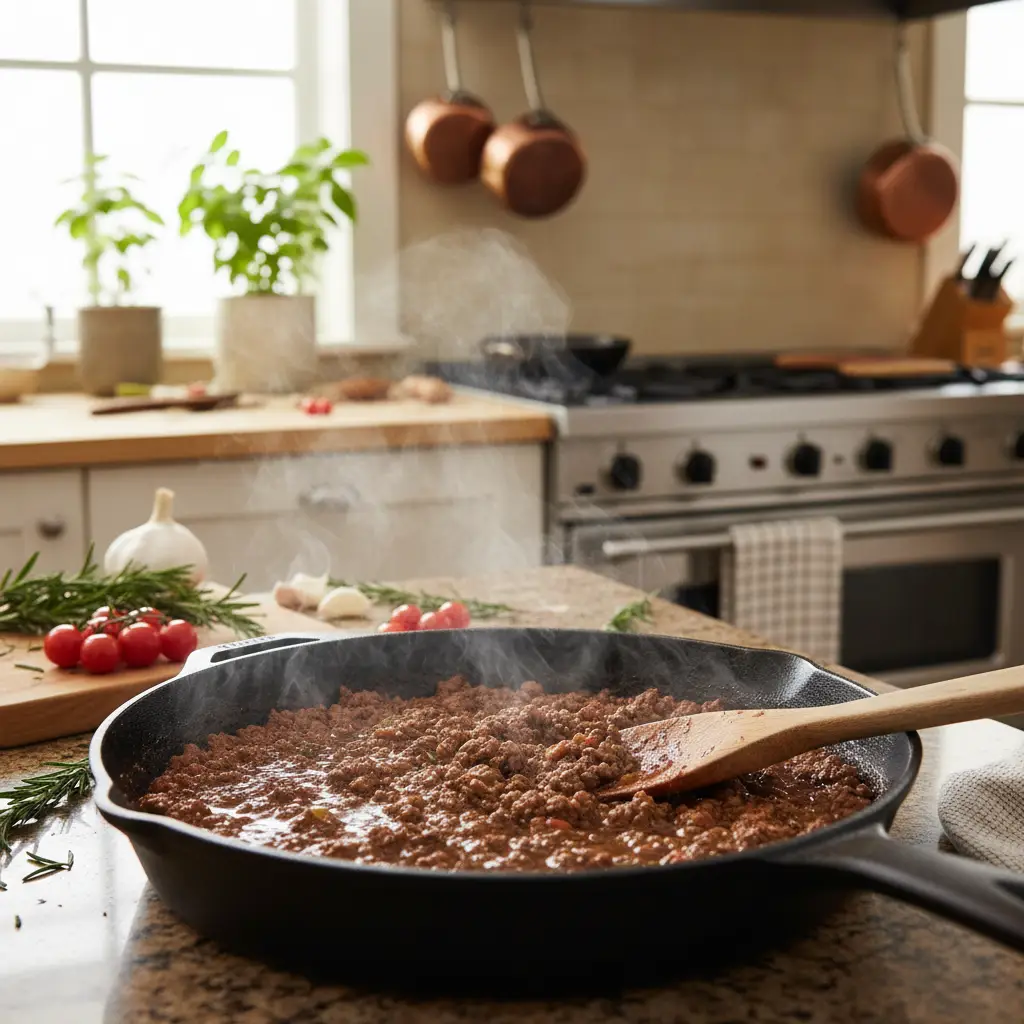
Sauté your finely diced onion and garlic in a splash of oil until soft. Increase the heat and add the beef mince. Cook until browned, breaking up any large clumps with a wooden spoon. Add the tomato paste and gluten-free Worcestershire sauce, cooking for another minute to caramelize the paste.
Pour in the beef stock and bring to a simmer. In a separate small bowl, mix 2 tablespoons of cornflour with 2 tablespoons of cold water to create a slurry. Stir this into the simmering meat. Cook for 5-10 minutes until the gravy is thick and glossy. It should be thicker than a stew, as it needs to hold its shape inside the pastry.
Crucial Step: You must let the filling cool completely before putting it into the pastry. Hot filling will melt the butter in the raw dough, ruining the crust structure.
Blind Baking: The Secret to Crisp Bottoms
Soggy bottoms are the enemy of the meat pie. Because gluten-free pastry doesn’t absorb moisture as well as wheat pastry, it can become gummy if not treated correctly. Blind baking (pre-baking the shell) is highly recommended for larger family-sized pies, though you can sometimes skip it for small individual muffin-tin pies if you use a metal tin and high bottom heat.
How to Blind Bake GF Pastry
- Roll out 2/3 of your dough between two sheets of baking paper (this prevents sticking without adding excess flour).
- Line your greased pie dish with the pastry. Trim the edges.
- Prick the base all over with a fork.
- Line the pastry with crumpled baking paper and fill with baking beans or uncooked rice.
- Bake at 200°C (400°F) for 15 minutes. Remove the paper and beans, and bake for another 5 minutes to dry out the base.
Assembly and Baking Instructions
Once your base is par-baked (or raw if making small pies) and your filling is cold, it is time to assemble the ultimate Kiwi classic.
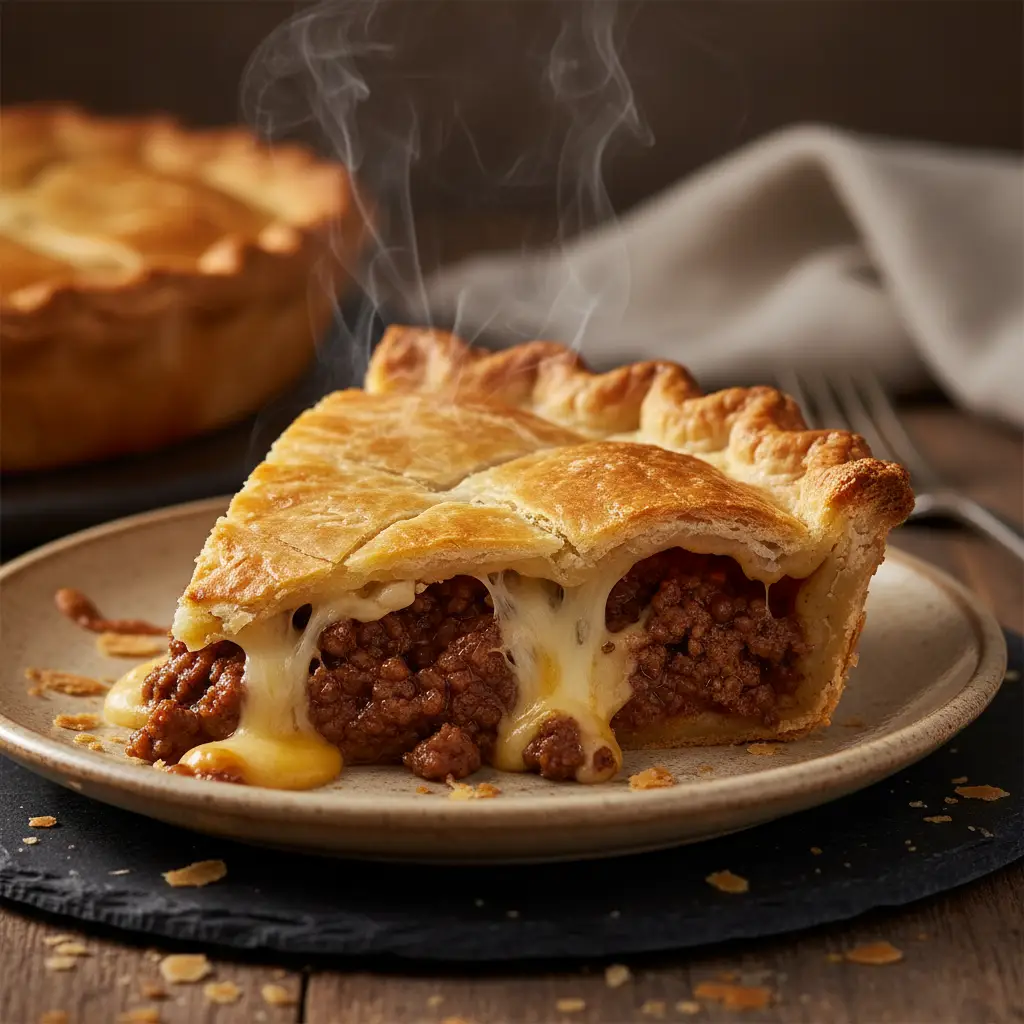
Spoon the cold mince mixture into the pie casing. Do not overfill, or it will leak. Press cubes of Tasty cheese into the mince. Do not simply sprinkle grated cheese on top; cubes provide a better texture and flavor pocket.
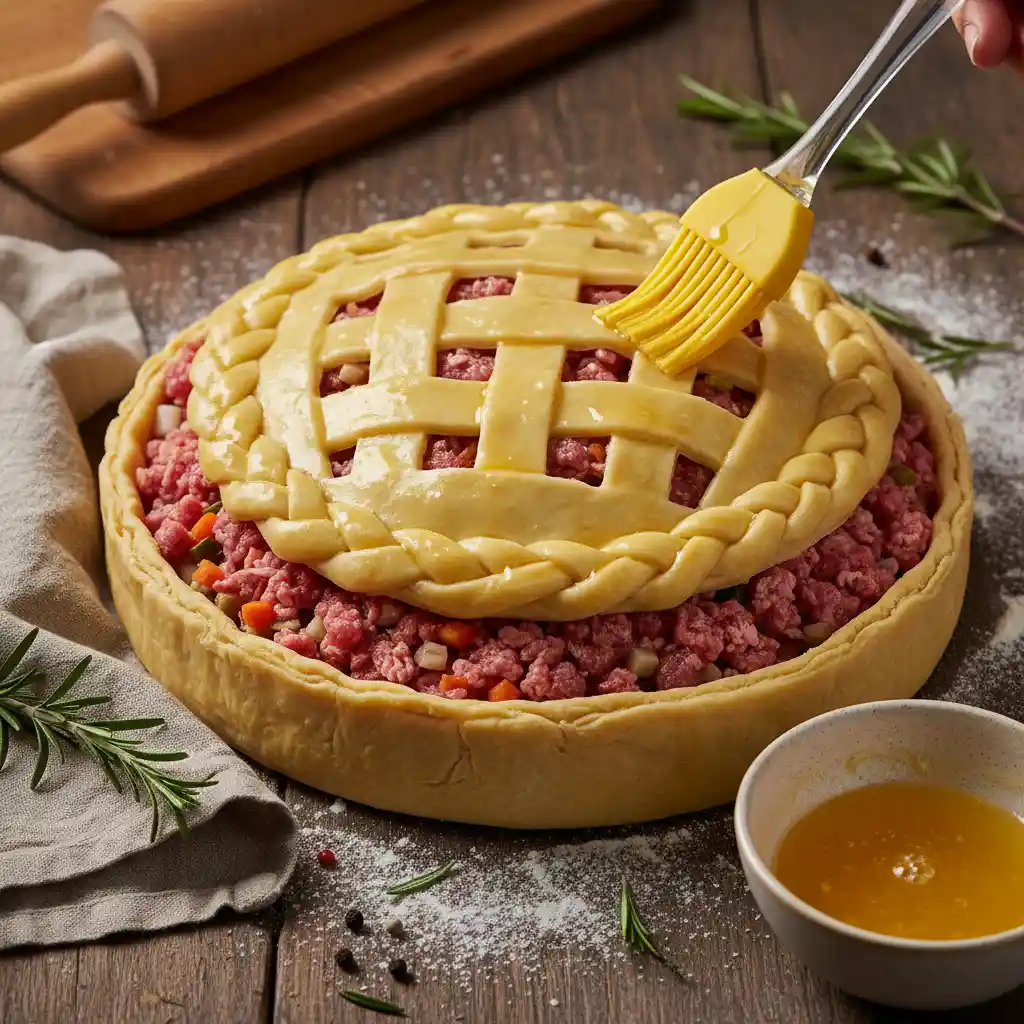
Roll out the remaining dough for the lids. Brush the rim of the base pastry with a little beaten egg or water. Place the lid on top and press the edges to seal. You can crimp them with a fork or your fingers for a decorative finish. Cut a small steam hole in the center of the lid.
Brush the top generously with egg wash (beaten egg with a splash of milk) for that iconic golden-brown gloss.
Bake at 200°C (390°F) fan-bake for 25-30 minutes, or until the pastry is deep golden brown and the filling is bubbling hot.
Best Store-Bought Alternatives in NZ
Sometimes you simply don’t have the time to bake from scratch. Fortunately, the New Zealand market has improved drastically regarding gluten-free convenience foods. If you are looking for a quick fix, here are the top contenders found in NZ supermarket freezers or specialty stores:
1. I Love Pies (Gluten Free Range)
Often considered the gold standard in NZ supermarkets. Their sour cream and rosemary pastry is particularly good and lacks the gritty texture of cheaper brands. Their Angus Beef Mince pie is a staple.
2. Who Ate All The Pies
A South Island-based company that produces gourmet family-sized pies. Their gluten-free range is extensive and uses high-quality cuts of meat. They are often found in New World supermarkets or specialty delis.
3. Jesters Pies
While a fast-food chain, some Jesters locations offer specific gluten-free pies baked in separate pie makers to avoid cross-contamination. Always ask the staff about their current safety protocols regarding cross-contact.
4. Bakeworks
Known for their bread, Bakeworks also produces a range of gluten-free savory items. Their pastry is functional and safe for Coeliacs, though slightly less buttery than the homemade version above.
Troubleshooting Common GF Pie Issues
Even seasoned bakers struggle with gluten-free pastry. Here is how to fix the most common problems.
Why did my pastry crumble when rolling?
The dough was likely too dry or too cold. If it cracks immediately, knead it briefly with wet hands to introduce a tiny amount of moisture and warmth. Always roll between baking paper to support the structure.
Why is the pastry hard and tough?
This usually happens for two reasons: too much xanthan gum was used, or the dough was overworked. Unlike wheat dough, you can’t “develop gluten,” but over-mixing can destroy the aeration provided by the baking powder or butter layers.
Why did the filling leak out?
The filling was likely too hot when it went into the shell, melting the pastry before it could set. Alternatively, the edges weren’t sealed properly with egg wash.
People Also Ask
What is the best gluten-free flour for pastry?
In New Zealand, a high-protein blend is best. Look for blends that contain a mix of rice flour, tapioca starch, and potato starch. Brands like Edmonds Gluten Free Plain Flour or Bakels Gluten Free Baking Mix are reliable options readily available in supermarkets.
How do you thicken pie filling without flour?
Cornflour (cornstarch) is the standard gluten-free thickener in NZ. Mix it with a small amount of cold water to create a slurry before adding it to the hot liquid. Arrowroot powder or potato starch are also excellent alternatives that provide a glossy finish.
Can you buy gluten-free pies in NZ gas stations?
It is becoming more common. BP Wild Bean Cafes and Z Energy stations occasionally stock gluten-free pies (often wrapped in plastic to prevent contamination). However, availability varies by location, so it is safer to check the freezer section of a supermarket.
Why is my gluten-free pastry so sticky?
Gluten-free flours often require more hydration than wheat flour, but they can become sticky if the dough gets too warm. If it is unmanageable, chill the dough in the fridge for 20 minutes. The starches will absorb the liquid and the butter will firm up, making it easier to handle.
Is Worcestershire sauce gluten-free?
Not always. Traditional Worcestershire sauce often contains malt vinegar derived from barley, which contains gluten. In New Zealand, you must look for “Gluten Free” on the label. Lea & Perrins makes a specific gluten-free version with an orange label, and many generic store brands are naturally GF (using spirit vinegar), but always check the ingredients.
Can I freeze these homemade pies?
Yes, absolutely. You can freeze them unbaked (raw) or baked. If freezing raw, bake them from frozen but add an extra 10-15 minutes to the cooking time and lower the temperature slightly to ensure the filling heats through before the pastry burns.