
Gluten free tramping food NZ refers to lightweight, durable, and safe nutrient-dense provisions designed for hikers with Coeliac disease or gluten intolerance exploring New Zealand’s wilderness. Essential options include certified freeze-dried meals, naturally gluten-free energy bars, and homemade dehydrated supplies that eliminate the risk of cross-contamination in remote environments.
Embarking on one of New Zealand’s Great Walks or exploring the rugged backcountry requires meticulous planning, especially when dietary restrictions are in play. For those with Coeliac disease or non-coeliac gluten sensitivity, sourcing reliable gluten free tramping food in NZ is not just a preference—it is a safety necessity. The physical demands of tramping require high-calorie, nutrient-dense fuel, but the remoteness of the Southern Alps or the bush means you cannot simply pop into a supermarket if your supplies fall short.
Fortunately, the landscape of outdoor nutrition in Aotearoa has evolved significantly. Gone are the days when gluten-free hikers were restricted to heavy tins of tuna and rice crackers. Today, New Zealand boasts world-class freeze-dried food manufacturers who cater specifically to allergen-free diets, ensuring you can summit peaks without compromising your gut health.
What are the Best Gluten Free Dehydrated Meals in NZ?
When weight is a premium and calorie intake is critical, freeze-dried (dehydrated) meals are the gold standard for multi-day tramps. For the gluten-free hiker, the primary concern is the integrity of the manufacturing process. New Zealand has several standout brands that offer safe, delicious options.
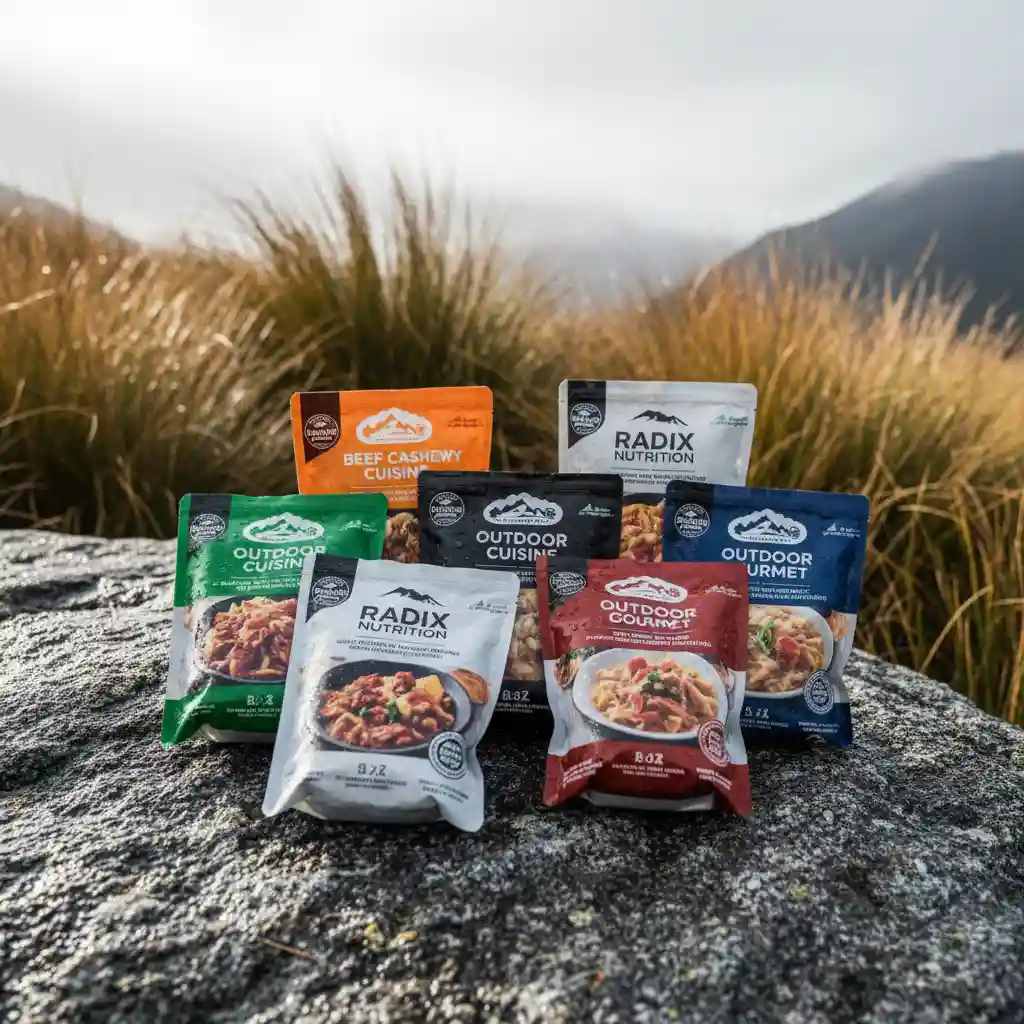
Radix Nutrition
Radix Nutrition has rapidly become a favourite among elite athletes and serious trampers in New Zealand. Their approach is scientific, focusing on nutrient density and bioavailability. Crucially for Coeliacs, their entire range is gluten-free. They do not process gluten in their facility, which provides the highest level of safety against cross-contamination.
Their Ultra range is particularly useful for tramping, offering high calories (often 800kcal+) in a lightweight package. Flavours like Mexican Chilli with Organic Beef or the plant-based Indian Curry are popular. The texture is often superior to traditional freeze-dried meals because they use micronutrient-dense ingredients rather than cheap fillers.
Real Meals
Founded by Nathan Fa’avae, a world champion adventure racer, Real Meals focuses on distinct, chef-cooked flavours before the freeze-drying process. This results in a meal that tastes more like “real food.” They clearly label their gluten-free options. Their Sri Lankan Chicken Curry and Venison Burger (stew form) are standout GF options. Always check the back of the packet for the “Gluten Free” label, as they do produce gluten-containing meals in the same lineup.
Back Country Cuisine
The ubiquity of Back Country Cuisine in DOC huts is undeniable. They are the classic Kiwi tramping meal. While they have a wide range of gluten-free options (marked with a GF symbol), those with severe Coeliac disease should read the allergen warnings carefully. They are generally considered safe, but unlike Radix, they are produced in facilities that handle wheat. Popular GF choices include the Roast Lamb and Vegetables and the Honey Soy Chicken.
Absolute Wilderness
Based in Nelson, Absolute Wilderness vacuum packs their freeze-dried meals, which often results in a smaller pack volume—great for stuffing into a crowded pack. Their Tom Kha Gai and Wild Mushroom Risotto are excellent gluten-free choices that rehydrate quickly and offer gourmet flavours rarely found on the trail.
How to Pack High-Energy Gluten Free Snacks?
Tramping burns a significant amount of energy, often between 3000 to 5000 calories a day depending on the terrain and pack weight. Relying solely on breakfast, lunch, and dinner is rarely enough. You need consistent fuel intake while moving.
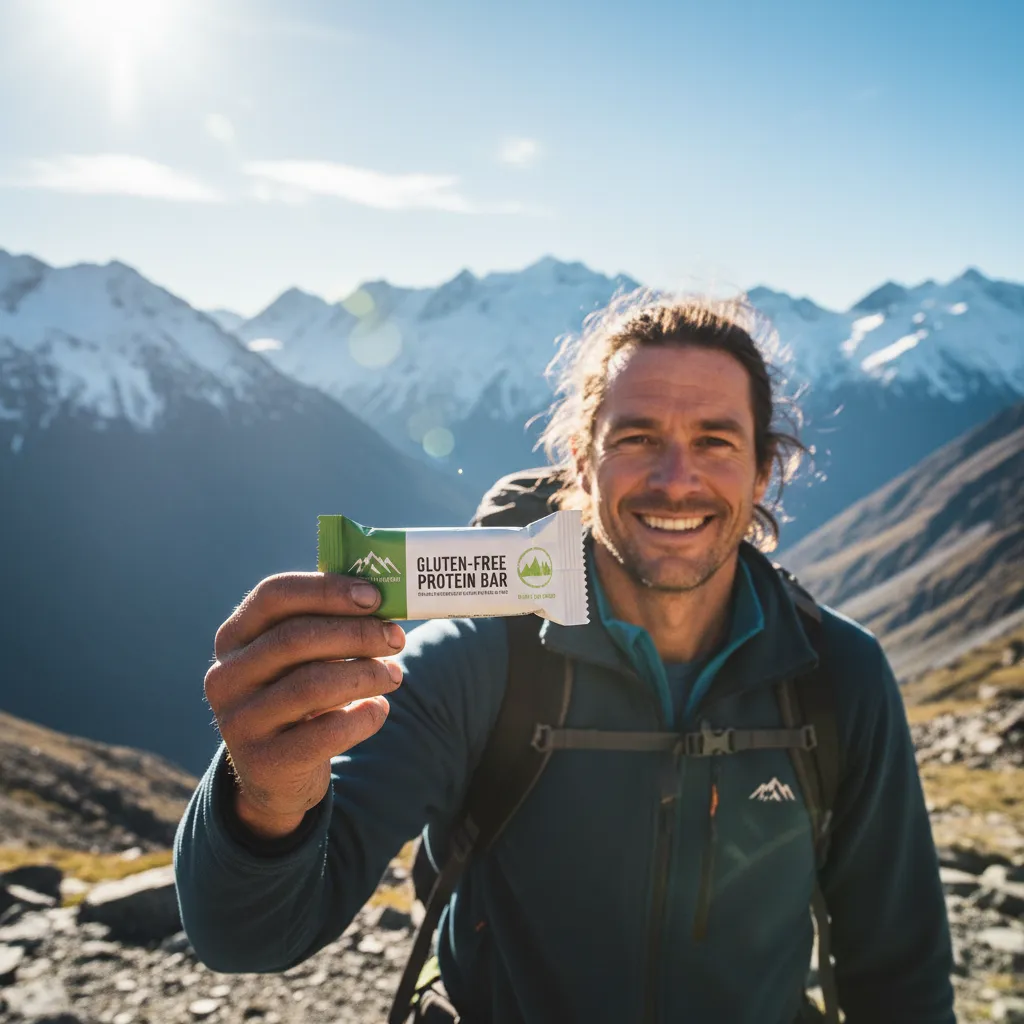
Commercial Bars and Balls
Finding GF bars that don’t crumble into dust in your pack is an art. Look for:
- Frooze Balls: These are naturally gluten-free, vegan, and come in durable packets. The Peanut Butter & Jelly flavor provides a good mix of fats and sugars.
- Nothing Naughty Bars: A NZ brand offering protein bars that are gluten-free and relatively affordable compared to imported sports nutrition.
- Ploggs: While the famous “One Square Meal” bars contain gluten (oats/wheat), alternatives like Ploggs or specific GF muesli bars are essential. Always double-check labels on oat-based products, as oats are often contaminated unless certified wheat-free.
Jerky and Biltong
Meat sticks are excellent for salt replacement and protein. Canterbury Biltong and Jack Link’s usually have GF labelling. Be wary of teriyaki flavours, as soy sauce often contains wheat. Stick to original or peppered varieties that explicitly state “Gluten Free.”
Chocolate and Gels
Whittaker’s Chocolate is a staple in any Kiwi tramper’s pack. Most of their blocks (like the Creamy Milk or Dark Almond) are gluten-free, but always avoid the ones with biscuit pieces. Energy gels (like GU or Leppin) are useful for that final push up a steep saddle, and most are naturally gluten-free.
How Can Coeliacs Prevent Cross-Contamination in Shared Huts?
For a Coeliac, a DOC hut kitchen can be a high-risk environment. Crumbs from other trampers’ bread, pasta water splashed on benches, and communal cleaning gear can all harbor gluten.
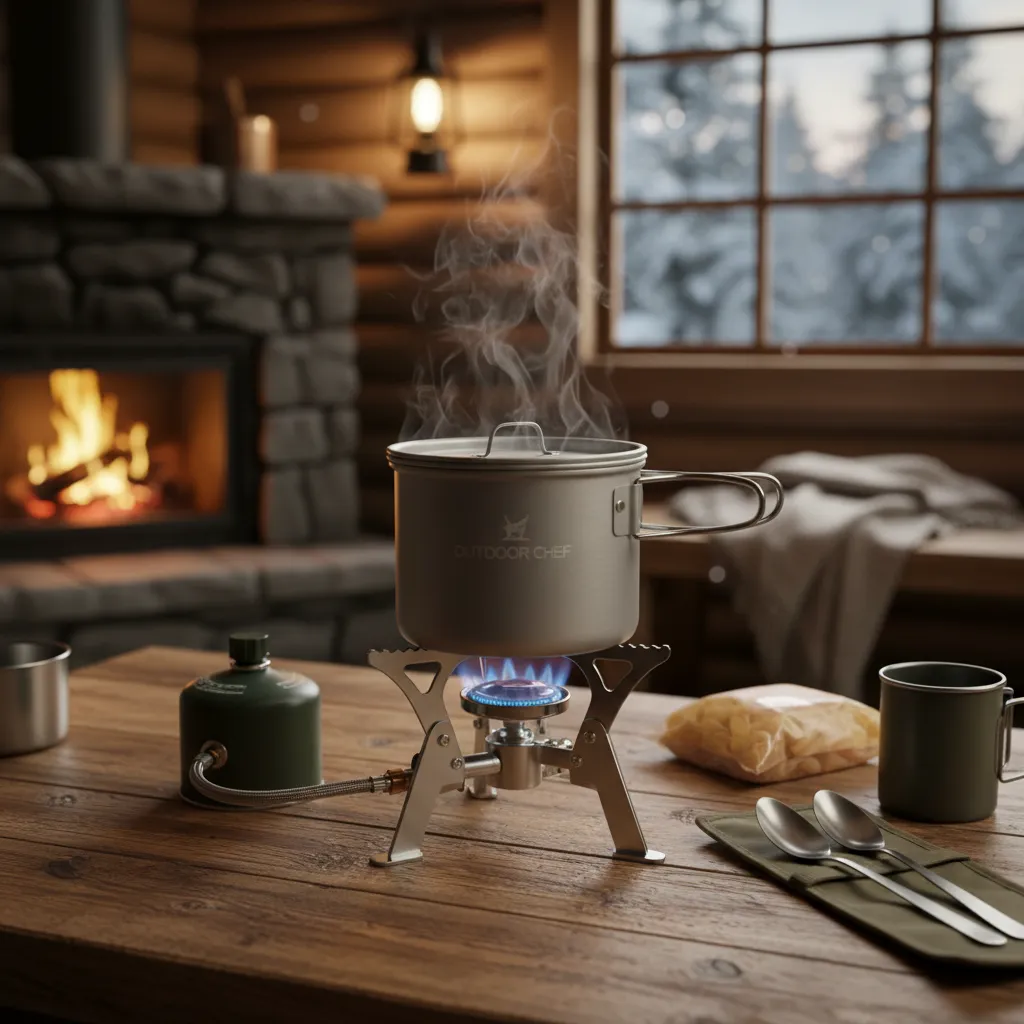
The Golden Rules of Hut Safety
- Bring Your Own Pot and Utensils: Never rely on communal pots found in huts. Even if scrubbed, scratches in aluminium pots can retain gluten proteins. Carry a lightweight titanium or aluminium pot and your own spork.
- Avoid the Communal Sponge: The dish brush or sponge at the hut sink is a prime vector for cross-contamination. It has likely scrubbed hundreds of pots of glutenous pasta. Bring a small piece of your own scourer or a dedicated cloth.
- Surface Management: Before setting down your food or utensils, wipe the bench with your own wet wipe or cloth. Better yet, prepare your food on top of your own plate or a silicone mat.
- Boil-in-the-Bag is Best: The safest method is to boil water in your dedicated pot and pour it directly into the freeze-dried meal pouch. This eliminates the need for your food to touch any surface other than your own spoon.
What are the Best DIY Gluten Free Trail Mix Recipes?
In New Zealand, we call it “Scroggin.” Making your own is cheaper and safer than buying bulk bin mixes which are often cross-contaminated with wheat-based pretzels or cereal pieces. A good scroggin mix should have the “G.O.R.P” ratio (Good Old Raisins and Peanuts) but elevated for high energy.
Recipe 1: The Tropical Energy Booster
This mix is high in natural sugars for quick energy bursts.
- 1 cup Dried Mango slices (ensure no wheat flour dusting)
- 1 cup Macadamia nuts (high fat content for long burn)
- 1/2 cup Coconut chips
- 1/2 cup Dried Pineapple chunks
- 1/2 cup White Chocolate buttons (check ingredients)
Recipe 2: The Savoury Keto Crunch
Good for those who get sick of sweet snacks.
- 1 cup Tamari-roasted Almonds (Tamari is GF soy sauce)
- 1 cup Pumpkin seeds (Pepitas)
- 1/2 cup Beef Jerky bits (GF certified)
- 1/2 cup Wasabi Peas (Check label strictly, many use wheat flour. If unsure, sub for salted cashews)
How to Dehydrate Your Own Gluten Free Meals?
If you tramp frequently, investing in a dehydrator can save money and ensure total control over ingredients. This is the ultimate way to guarantee gluten-free safety.

Adapting Meals for Dehydration
The key to dehydrating GF meals is to avoid fats during the cooking process, as fats can go rancid. Add olive oil or butter back in when you rehydrate on the trail.
- Pasta: Cook gluten-free pasta (corn/rice blend holds up best) until al dente. Dehydrate at 57°C (135°F) until brittle. It rehydrates much faster than raw pasta.
- Risotto: Arborio rice dehydrates beautifully. Make a mushroom or pumpkin risotto without cheese/oil. Spread thin on trays. Add parmesan powder on the trail.
- Sauces: Make a thick bolognaise using cornflour to thicken (not wheat flour). Spread on fruit leather trays (solid sheets) and dry until it cracks like bark.
Rehydration Tips
Homemade dehydrated meals usually require a little more time to rehydrate than freeze-dried commercial ones. Put your meal and boiling water in a cozy (insulated pouch) and let it sit for 15-20 minutes to ensure the GF pasta or rice is fully tender.
Sample 3-Day GF Tramping Menu
Day 1:
Breakfast: GF Porridge oats (certified) with dried apricots and milk powder.
Lunch: GF Wraps (Old El Paso or similar) with salami and hard cheese (keeps well for days).
Dinner: Radix Nutrition Mexican Chilli.
Snacks: Whittaker’s Chocolate, Scroggin mix.
Day 2:
Breakfast: Dehydrated hash browns (check ingredients) with bacon bits.
Lunch: Tuna sachets (flavoured ones usually GF, check label) on GF crackers (seed crackers are durable).
Dinner: Real Meals Sri Lankan Curry.
Snacks: Biltong, Frooze balls.
Day 3:
Breakfast: Coffee and a high-protein GF bar.
Lunch: Hard cheese, leftover salami, dried fruit.
Dinner: (If staying out) Back Country Cuisine Roast Lamb.
Snacks: Remaining scroggin.
People Also Ask
What tramping food is naturally gluten free?
Many high-energy foods are naturally gluten free, including nuts, seeds, dried fruits, hard cheeses, salami, tuna sachets, rice, quinoa, and fresh vegetables. However, always check packaging for “may contain traces” warnings if you have Coeliac disease.
Is Back Country Cuisine gluten free?
Back Country Cuisine offers a specific range of meals labelled as Gluten Free (GF). However, they are produced in a facility that also handles wheat, so while they follow strict cleaning protocols, those with anaphylaxis or extreme sensitivity should proceed with caution or choose a dedicated GF brand like Radix.
Can you buy gluten free bread that lasts for camping?
Most standard gluten-free bread is fragile and crumbles easily. For tramping, vacuum-packed gluten-free wraps or dense seed-based crackers (like Vogel’s GF or homemade seed crackers) are far more durable and space-efficient options.
How do I clean my pot to ensure it is gluten free in a hut?
Do not use the communal scrubbing brush. Use a small piece of your own scourer or steel wool. Boil water in the pot first to loosen debris, scrub with your dedicated pad, and rinse thoroughly away from the water source. Sanitizing with boiling water before cooking is a good final step.
Are One Square Meal bars gluten free?
Standard One Square Meal (OSM) bars contain rolled oats and wheat, making them unsuitable for Coeliacs. However, OSM has released specific Gluten Free bites and bars. Always look for the “Gluten Free” certification on the front of the packet.
What is the best milk powder for tramping?
Full cream milk powder is the best for energy density. Standard cow’s milk powder is naturally gluten free. Coconut milk powder is a great dairy-free, high-fat alternative that adds creaminess to curries and porridge. Ensure the powder doesn’t have anti-caking agents derived from wheat (rare, but possible).