
Gluten-free travel in New Zealand requires navigating a landscape with strict labeling laws and growing Coeliac awareness. While major cities feature venues accredited by the Coeliac New Zealand Dining Out Programme, rural areas necessitate self-catering strategies. Safe travel relies on understanding FSANZ food standards, utilizing specialized apps, and communicating cross-contamination risks effectively to hospitality staff.
Traveling to Aotearoa (New Zealand) offers breathtaking landscapes, from the geothermal wonders of Rotorua to the alpine peaks of the South Island. For those living with Coeliac disease or non-coeliac gluten sensitivity, however, the primary concern isn’t the scenery—it is food safety. New Zealand is generally considered a safe destination for gluten-free travelers, provided one understands the local regulations, the hospitality culture, and the logistics of dining in remote areas.
This comprehensive guide explores the nuances of the New Zealand hospitality industry, the specific standards set by Food Standards Australia New Zealand (FSANZ), and practical strategies for maintaining a strictly gluten-free diet while on the road.
Overview of the Hospitality Landscape for Coeliacs
New Zealand’s hospitality scene is diverse, ranging from high-end bistros in Auckland and Wellington to rustic country pubs and roadside cafes. The awareness of dietary requirements has surged in the last decade, driven by global health trends and the advocacy work of Coeliac New Zealand.
In urban centers, it is common to see menus marked with “GF” (Gluten Free), “DF” (Dairy Free), and “V” (Vegetarian). Front-of-house staff in reputable establishments are generally well-trained in allergens. However, a distinction must be drawn between “gluten-friendly” (often targeting lifestyle dieters) and “Coeliac-safe” (suitable for those with an autoimmune requirement).
The “Kiwi” attitude is often described as “she’ll be right”—a laid-back approach that can be charming in social settings but dangerous in food safety. While many chefs take allergens seriously, there remains a risk in non-accredited venues where a shared fryer or a dusty pizza station might compromise a meal. Therefore, vigilance is required, particularly when ordering “gluten-free” items like fish and chips or café cabinet food.
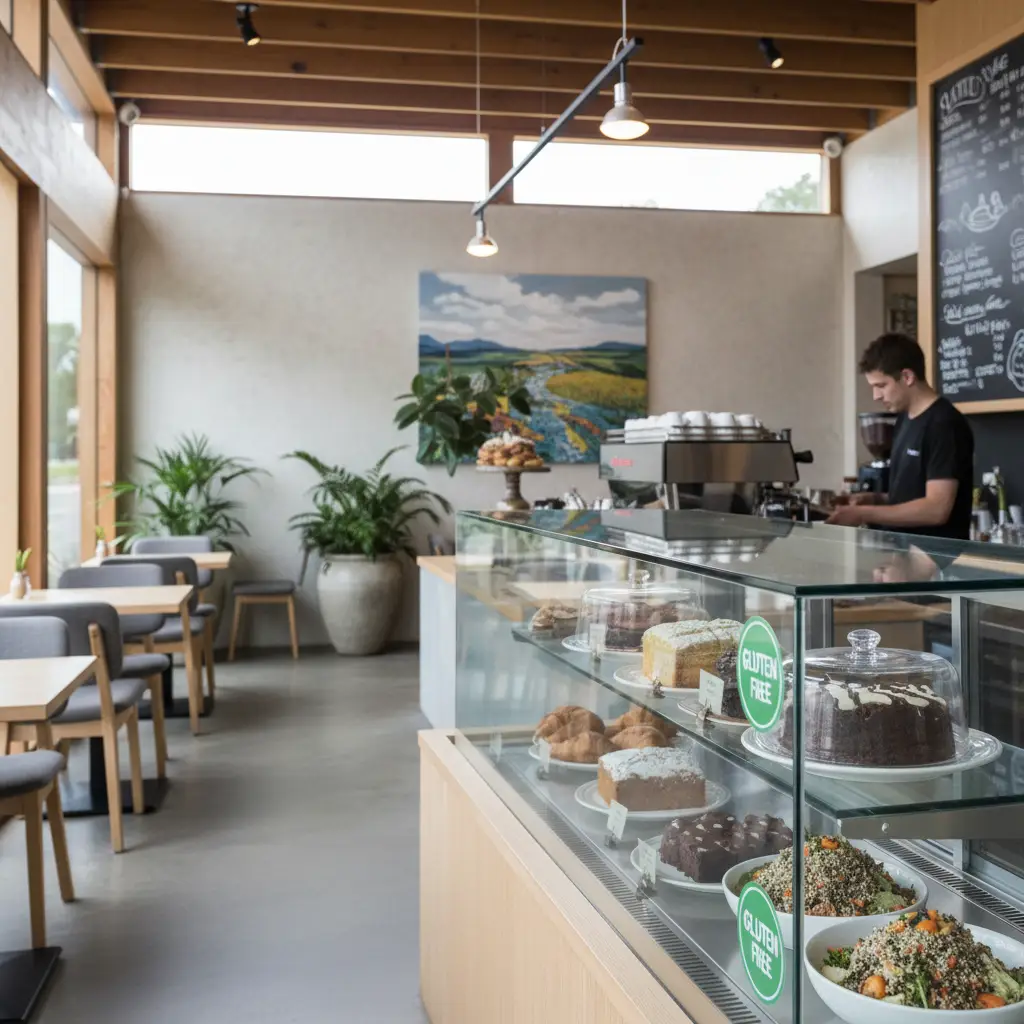
Understanding NZ Gluten-Free Labeling Laws
One of the biggest advantages of traveling in New Zealand is the strict regulatory environment. Food standards are governed by FSANZ (Food Standards Australia New Zealand). Under the Australia New Zealand Food Standards Code, the rules are often stricter than in the United States or Europe.
What does “Gluten Free” mean in NZ?
In New Zealand, for a product to be labeled “Gluten Free,” it must contain no detectable gluten. This differs from the Codex Alimentarius standard used in the UK, EU, and USA, which allows up to 20 parts per million (ppm). Consequently, products found on NZ shelves labeled “Gluten Free” are extremely safe for Coeliacs. If a product contains oats or malt, it cannot be labeled gluten-free, even if those ingredients are processed to remove gluten, due to the strict interpretation of the code regarding oats in this region.
The Coeliac NZ Dining Out Programme
For the highest level of assurance, travelers should look for the Coeliac New Zealand Dining Out Programme (DOP) accreditation. This is an initiative designed to accredit venues that meet rigorous gluten-free food safety standards.
Venues that carry the Crossed Grain logo accreditation have undergone:
- Staff Training: Both kitchen and front-of-house staff are trained on Coeliac disease and cross-contamination.
- Kitchen Audits: Processes are reviewed to ensure separate preparation areas, dedicated equipment (like fryers and toasters), and secure storage of gluten-free ingredients.
- Ingredient Verification: Supply chains are checked to ensure no hidden gluten enters the safe menu items.
Using the Coeliac NZ website or associated resources to find these venues can significantly reduce the stress of dining out. While the number of accredited venues is smaller than the total number of restaurants offering GF options, they provide a sanctuary where you can eat without the need for an interrogation of the chef.
Planning a Road Trip
The quintessential New Zealand experience is a road trip. Whether you are navigating the winding roads of the Coromandel or the vast plains of Canterbury, preparation is key. Rural towns may have only one general store or a petrol station, where gluten-free options might be limited to a bag of potato chips or fruit.

Accommodation Strategy
When booking accommodation, prioritize motels, apartments, or holiday parks that offer kitchenette facilities. Having access to a microwave, toaster (bring your own toast bags!), and a fridge allows you to prepare breakfast and lunch, saving your “eating out” energy for dinner in larger towns where options are plentiful.
The “Emergency” Kit
Always carry a dedicated food bin in your vehicle containing:
- Toaster Bags: Essential for using shared toasters in hostels or motels.
- Gluten-Free Bread/Wraps: Vacuum-sealed options last longer.
- GF Soy Sauce: Many rural sushi places do not stock GF soy sauce.
- Crackers and Tinned Tuna: For protein emergencies.
- Dedicated Utensils: A knife, fork, and spoon, plus a small cutting board, to avoid using communal hostel cutlery that may not have been washed properly.
Questions to Always Ask the Chef
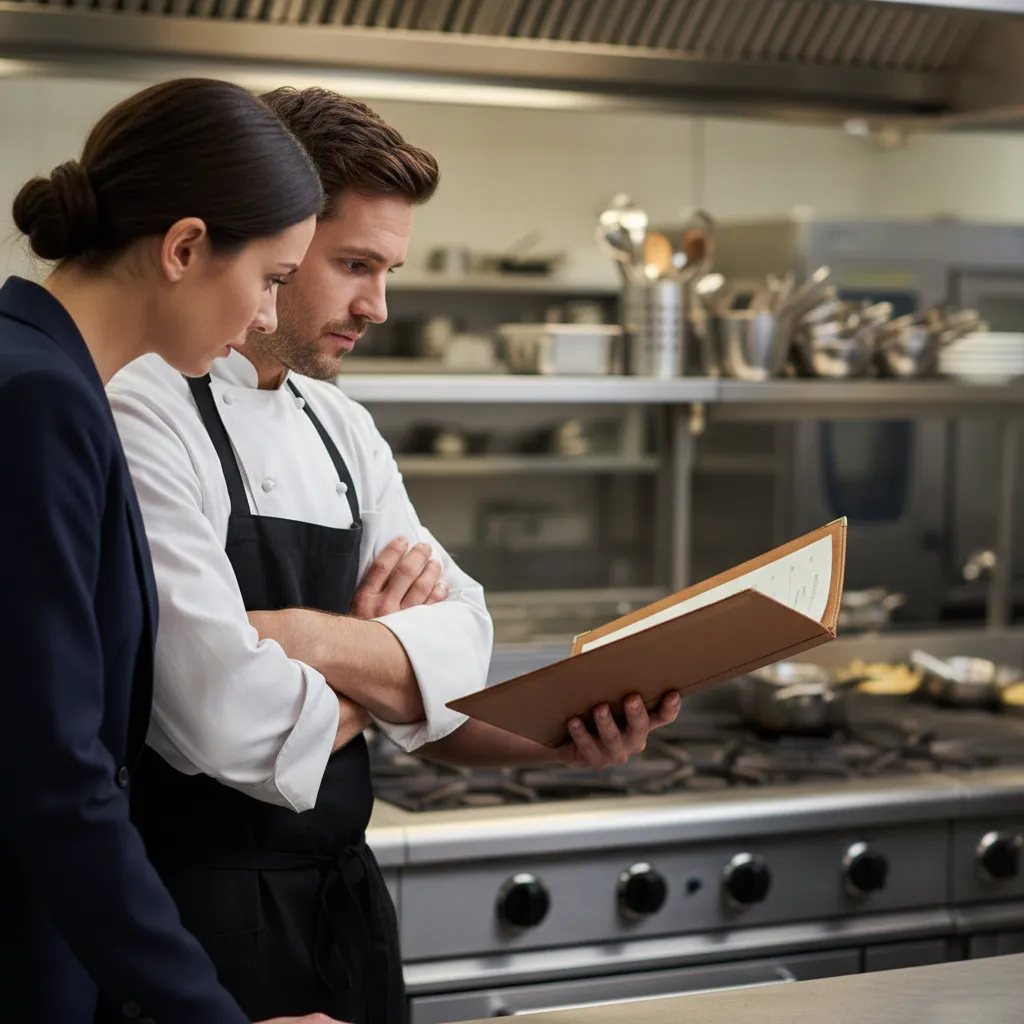
When dining at a venue that is not officially accredited, you must advocate for your health. Do not rely solely on the “GF” markings on a menu. Use the following questions to assess the risk of cross-contamination.
1. Is the deep fryer dedicated gluten-free?
Many venues mark chips (fries) as GF because the potato is gluten-free, but they cook them in the same oil as crumbed fish or onion rings. Always ask: “Do you cook breaded items in the same oil as the chips?” If the answer is yes, the chips are unsafe.
2. How is the pasta prepared?
Ask if they use a separate pot of fresh water and a clean colander for gluten-free pasta. It is a common mistake in busy kitchens to reuse pasta water or dip a colander into gluten-contaminated water to reheat noodles.
3. How do you prevent contamination on the grill/plancha?
If you are ordering a burger (on a GF bun) or a steak, ask if they toast regular buns on the same grill surface. Request that your meal be cooked on a clean section of the grill or in a separate pan.
4. Are the sauces thickened with wheat starch?
This is common in Asian cuisine and gravies. Ask specifically if cornflour (cornstarch) or wheat flour was used as the thickener.
Navigating New Zealand Supermarkets
New Zealand has two main supermarket giants: Woolworths (formerly Countdown) and Foodstuffs (which operates New World and Pak’nSave). Both chains are excellent for gluten-free travelers.
Where to find GF products?
Most supermarkets have a dedicated “Health Food” or “Gluten Free” aisle where you will find pasta, flour, cookies, and cereals. However, fresh gluten-free bread is often located in the bakery section (usually on a specific shelf to separate it from wheat bread), and chilled GF items like fresh pasta or yogurts are integrated into the main fridges.
Label Reading
Look for the bold warning statements on the back of packages. Allergens like Wheat, Rye, Barley, and Oats must be declared in bold. If a product says “May contain traces of gluten,” it is best to avoid it. Trust the “Gluten Free” label implicitly due to the strict FSANZ standards mentioned earlier.
Regional Dining Highlights
Auckland
As the largest city, Auckland has the highest density of dedicated gluten-free bakeries and accredited restaurants. Ponsonby and the CBD are hotspots for safe dining. You can find everything from GF dumplings to high-end French cuisine.
Wellington
The capital is famous for its cafe culture. Wellington is incredibly allergy-aware. Cuba Street and the waterfront offer numerous eateries where staff are knowledgeable. It is arguably the easiest city in NZ for a Coeliac to navigate.
Queenstown
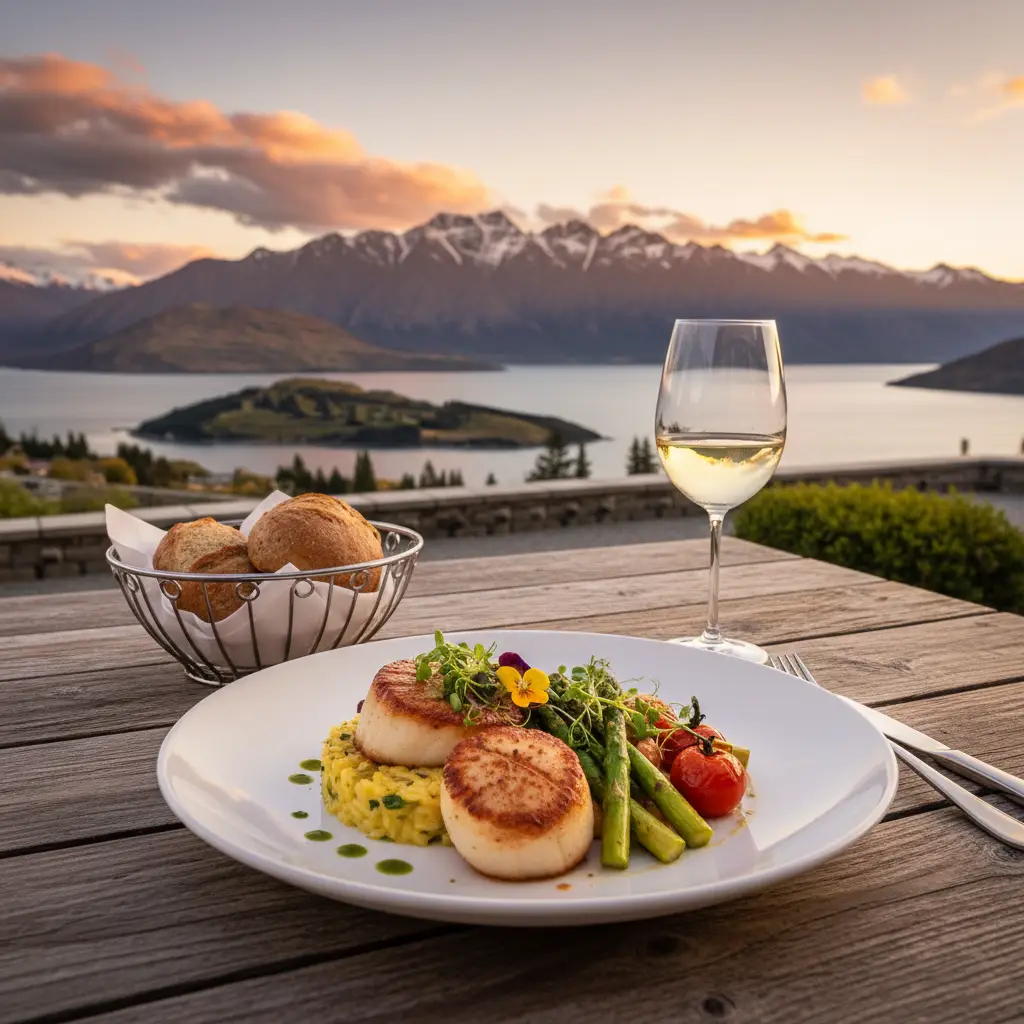
As the adventure capital, Queenstown caters to international tourists and has a high standard of food service. However, it is very busy. Reservations are essential, and mentioning your dietary requirement at the time of booking allows the kitchen to prepare.
Biosecurity: Bringing Food into NZ
International travelers must be aware of New Zealand’s extremely strict biosecurity laws. When you land, you must declare all food items.
What you CAN bring: Commercially packaged, shelf-stable gluten-free bread, pasta, bars, and snacks are generally permitted if the packaging is sealed and you declare them.
What you CANNOT bring: Fresh fruit, vegetables, meat, honey, and homemade food. Failure to declare food can result in an immediate fine of $400 NZD or more. It is usually better to buy fresh produce upon arrival, but bringing your favorite packaged GF bread or protein bars is a smart move for the initial transit period.
People Also Ask (PAA)
Is New Zealand good for gluten free travel?
Yes, New Zealand is excellent for gluten-free travel. It has strict food labeling standards (FSANZ) where “Gluten Free” means no detectable gluten. Major cities have high awareness, and supermarkets stock a wide range of GF products, though rural areas require more caution and self-catering.
What is the gluten free standard in NZ?
The standard in New Zealand and Australia is stricter than the EU or USA. A product labeled “Gluten Free” must contain no detectable gluten. Products containing oats cannot be labeled gluten-free in NZ, even if they are uncontaminated oats, due to the food code regulations.
Are McDonald’s fries gluten free in New Zealand?
Generally, McDonald’s fries in NZ are made from potatoes and are gluten-free by ingredient, but they are often cooked in shared oil with gluten-containing items (like McChicken patties). Therefore, they are not considered safe for Coeliacs due to cross-contamination risks.
Can I buy gluten free bread in NZ supermarkets?
Yes, all major supermarkets (Woolworths, New World, Pak’nSave) stock multiple brands of gluten-free bread. Common reliable brands include Vogel’s GF, Venerdi, and Burgen. These are usually found in the bakery aisle or the health food aisle.
Does New Zealand have a Coeliac association?
Yes, Coeliac New Zealand is the national advocacy body. They manage the Dining Out Programme accreditation and provide resources, apps, and support for people with Coeliac disease living in or visiting New Zealand.
Is Hangi food gluten free?
Traditional Maori Hangi involves cooking food in an earth oven. The core ingredients—meat, kumara (sweet potato), potato, and pumpkin—are naturally gluten-free. However, stuffing (often made with bread) is usually placed on top of the meat baskets. You must check with the preparer if the stuffing was kept separate to ensure it is safe.