
Coeliac disease is a serious autoimmune condition where the immune system reacts abnormally to gluten, causing damage to the small intestine lining. In New Zealand, it affects approximately 1 in 70 people. The only effective treatment is a strict, lifelong gluten-free diet to prevent long-term health complications and restore nutrient absorption.
Living with Coeliac Disease in New Zealand presents a unique set of challenges and opportunities. From navigating the specific diagnostic pathways within the New Zealand healthcare system to understanding the strict Food Standards Australia New Zealand (FSANZ) labeling laws, Kiwi coeliacs must be well-informed to manage their health effectively. This guide provides a comprehensive overview of diagnosis, management, and lifestyle adjustments required for thriving in Aotearoa while living gluten-free.
What is Coeliac Disease? (NZ Context)
Coeliac disease is not a food allergy or a dietary fad; it is a permanent autoimmune disorder. When a person with coeliac disease consumes gluten—a protein found in wheat, barley, rye, and oats—their immune system launches an attack on the small intestine. Specifically, this reaction damages the villi, the tiny finger-like projections that line the gut and are responsible for absorbing nutrients.
In New Zealand, the prevalence of coeliac disease is significant. Coeliac New Zealand estimates that up to 100,000 Kiwis may have the condition, though a staggering number remain undiagnosed. The genetic predisposition (HLA-DQ2 and HLA-DQ8 genes) is common in the population, but environmental factors also play a role in triggering the disease.

What are the common symptoms for Kiwis?
Symptoms can vary drastically between individuals, which is why it is often referred to as a “clinical chameleon.” In the New Zealand context, general practitioners (GPs) are increasingly vigilant for non-gut symptoms. While traditional symptoms include diarrhea, bloating, and abdominal pain, many Kiwis present with:
- Unexplained Iron Deficiency Anaemia: This is a leading indicator, especially in women.
- Chronic Fatigue: Feeling tired despite adequate sleep.
- Bone Health Issues: Osteoporosis or osteopenia diagnosed at a young age.
- Fertility Issues: Unexplained infertility or recurrent miscarriages.
- Dermatitis Herpetiformis: An itchy, blistering skin rash often affecting elbows and knees.
How is Coeliac Disease Diagnosed in New Zealand?
Securing a correct diagnosis is critical before making any dietary changes. A common mistake many New Zealanders make is removing gluten from their diet before testing, which leads to false-negative results.
The Golden Rule: Keep Eating Gluten. You must consume gluten daily (equivalent to four slices of bread per day) for at least six weeks prior to testing to ensure accuracy.
Step 1: The Blood Test (Serology)
Your journey begins with a visit to your GP. They will request a specific blood test known as the Tissue Transglutaminase IgA (tTG-IgA) antibody test. In New Zealand, this test is widely available and funded through the public health system in many cases, though GP consultation fees apply. If you have an IgA deficiency, further testing (Deamidated Gliadin Peptide or DGP) may be required.
Step 2: The Gastroscopy (Biopsy)
If your blood tests are positive (elevated antibodies), you will be referred to a gastroenterologist for a gastroscopy. This is the “gold standard” for diagnosis.
- Public System: You will be referred to your local DHB (District Health Board) / Te Whatu Ora hospital. Wait times can vary significantly depending on the region and urgency.
- Private System: If you have medical insurance or choose to pay out-of-pocket, you can see a private specialist, usually reducing the wait time to a few weeks.
During the procedure, the specialist takes tiny biopsies from the small intestine. These samples are examined under a microscope to check for villous atrophy (damage to the gut lining).

Decoding NZ Food Labels & Standards
One of the biggest advantages for coeliacs living in New Zealand is the strictness of our food labeling laws. Food Standards Australia New Zealand (FSANZ) enforces some of the toughest gluten-free standards in the world.
What does “Gluten Free” mean in NZ?
Unlike the USA or Europe, where “gluten-free” can contain up to 20 parts per million (ppm) of gluten, in New Zealand, a product labeled “Gluten Free” must contain no detectable gluten. It applies to:
- Foods labeled “Gluten Free”
- Foods displaying the Coeliac New Zealand “Crossed Grain” logo
Understanding “Low Gluten” vs. “Gluten Free”
You may occasionally see products labeled “Low Gluten.” These usually contain less than 200ppm of gluten. These are NOT safe for people with Coeliac Disease. They are intended for people who are reducing gluten intake but do not have the autoimmune condition.
The “May Contain” Warning
Precautionary allergen labeling (PAL) such as “May contain traces of gluten” or “Processed on equipment that also processes wheat” is voluntary in NZ. However, for a strict coeliac, these products are generally best avoided unless you can verify the manufacturing protocols with the supplier. The risk of cross-contamination is real and can cause damage even without obvious symptoms.
Navigating the NZ Healthcare System for Coeliacs
Once diagnosed, management is primarily self-led through diet, but healthcare professionals play a vital role.
Role of the Dietitian
After diagnosis, it is highly recommended to see a New Zealand Registered Dietitian. They can help you navigate the initial transition, ensure you are getting enough fiber and B vitamins (often lacking in GF substitutes), and teach you how to read complex labels. Many hospitals provide a dietitian appointment following a diagnosis in the public system.
Pharmac Funding Status
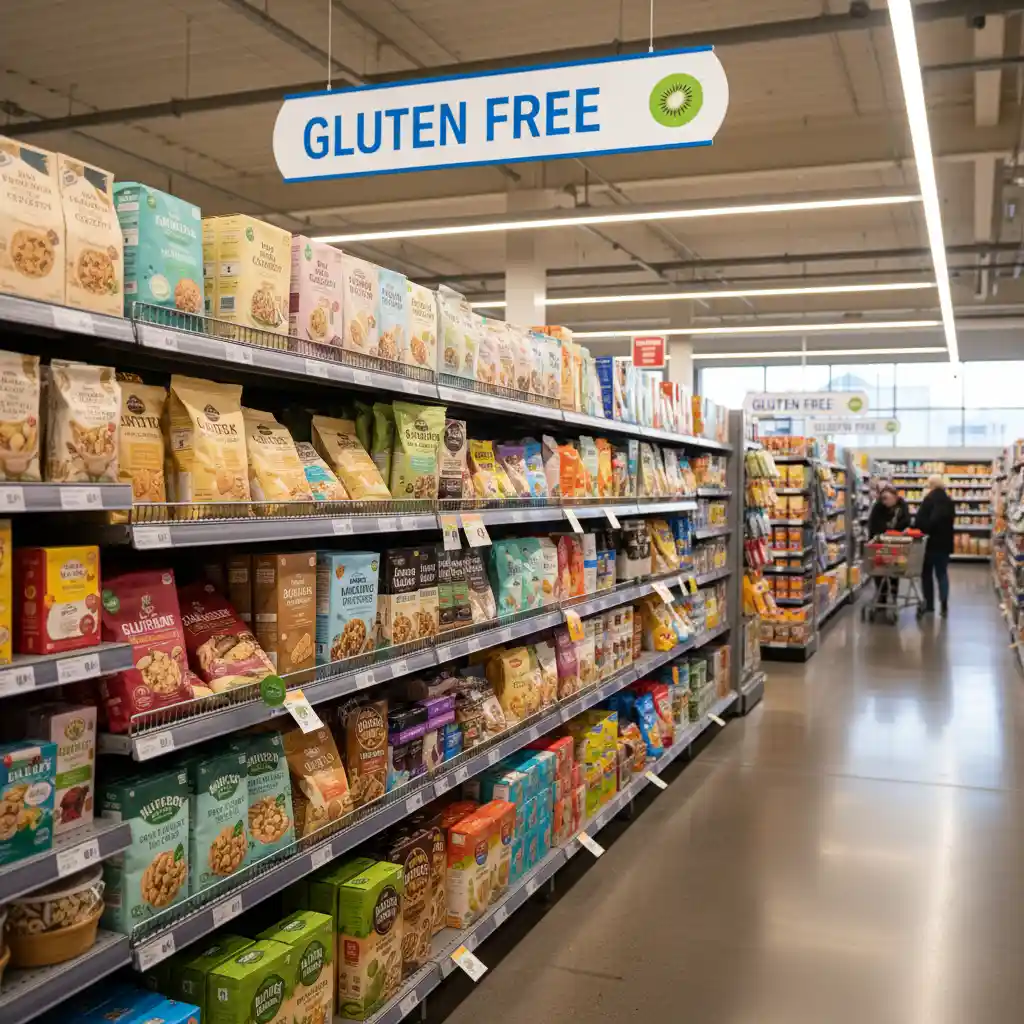
Historically, Pharmac (the NZ government pharmaceutical purchasing agency) provided subsidies for gluten-free staple foods (flour, baking mixes, pasta) for diagnosed coeliacs. However, this subsidy has been largely discontinued nationwide. Currently, adults and children generally do not receive government funding for gluten-free food, meaning the financial burden of the diet falls entirely on the patient. This makes budgeting and learning to cook with naturally gluten-free whole foods (potatoes, rice, kumara, fresh meat, and vegetables) essential for Kiwi families.
Eating Out and Socializing Safely
Socializing in New Zealand often revolves around food—BBQs, fish and chips, and café culture. This can be a source of anxiety for newly diagnosed coeliacs.
The Coeliac New Zealand Dining Out Programme
Coeliac New Zealand operates a Dining Out Programme where venues are accredited for their safe gluten-free practices. Looking for the Crossed Grain logo on restaurant doors or websites is a quick way to find safe venues. These establishments have undergone training to manage cross-contamination risks in the kitchen.
Navigating the “Kiwi BBQ”
The classic Kiwi barbecue is a staple of summer, but it poses risks:
- Sausages: Many standard sausages contain wheat fillers (breadcrumbs). Always look for GF-labeled sausages (e.g., Hellers, specialized butcher brands).
- Marinades and Sauces: Soy sauce usually contains wheat. Use Tamari or GF soy sauce. Check tomato sauce and mustard bottles for “may contain” warnings.
- The Grill: If regular bread or marinated meat has been on the grill, it is contaminated. Ask the host to cook your food on a clean section of the grill first, or wrap your food in foil.
Fish and Chips
A Friday night tradition, but high risk. Unless a fish and chip shop has a dedicated fryer for gluten-free items, the chips are likely cooked in the same oil as battered fish and spring rolls, making them unsafe. Always ask: “Do you have a separate fryer for gluten-free orders?”
Emotional and Mental Wellness for Kiwi Coeliacs
The psychological impact of Coeliac Disease is often overlooked. The vigilance required to maintain a strict diet can lead to anxiety, social isolation, and “food fear.”
Coping with Social Isolation
Turning down food offered by whānau or friends can feel rude, which is difficult in our culture of hospitality (manaakitanga). It is important to explain that your refusal is a medical necessity, not a preference. Bringing a “safe plate” to shared gatherings ensures you don’t go hungry and reduces the stress on the host.
Support Networks
Connecting with others is vital. Coeliac New Zealand runs local support groups and online forums where you can swap recipes, recommend safe cafes, and vent frustrations. Knowing you are not alone in navigating the gluten-free landscape can significantly improve mental well-being.

People Also Ask
Is gluten-free food subsidized in New Zealand?
No, for the vast majority of patients, Pharmac has discontinued the subsidy for gluten-free foods. While it was previously available, funding changes mean that adults and children must now purchase gluten-free food at full retail price. Some very specific exceptions may exist for complex cases, but this is rare.
How much does a Coeliac test cost in NZ?
The initial blood test (tTG-IgA) is often funded if ordered by your GP, though you will pay the standard GP consultation fee. If you require a private specialist for a biopsy, costs can range from $1,500 to $2,500+ without insurance. In the public system, the biopsy is free but subject to waitlists.
Can I trust “Gluten Free” labels in NZ supermarkets?
Yes. New Zealand has some of the strictest labeling laws globally. Under FSANZ standards, a product labeled “Gluten Free” must have no detectable gluten. You can trust these labels more than in many other countries where small amounts (up to 20ppm) are allowed.
Is beer gluten-free in New Zealand?
Standard beer is made from barley or wheat and is not gluten-free. However, there are many NZ craft breweries producing excellent gluten-free beers made from sorghum, millet, or rice. Look for the “Gluten Free” label specifically. “Low Carb” beer is not gluten-free.
What is the difference between gluten intolerance and Coeliac Disease?
Coeliac Disease is an autoimmune condition where gluten causes tissue damage to the gut. Non-Coeliac Gluten Sensitivity (intolerance) causes similar symptoms (bloating, fog) but does not cause the autoimmune damage to the intestine. Both require a gluten-free diet for symptom relief, but Coeliac Disease carries long-term risks like osteoporosis if untreated.
Does Coeliac New Zealand offer membership?
Yes, Coeliac New Zealand is a charitable organization that offers membership. Benefits include a welcome pack, access to the Dining Out Guide, regular magazines, and access to support networks. It is highly recommended for newly diagnosed patients.