
The Pharmac gluten free subsidy is a government-funded initiative in New Zealand designed to assist individuals diagnosed with Coeliac Disease or Dermatitis Herpetiformis. It allows eligible patients to access a specific range of gluten-free staple foods, such as flour, baking mixes, and pasta, at a significantly subsidized rate through community pharmacies using a Special Authority number.
Living with Coeliac Disease in New Zealand presents a unique set of challenges, not least of which is the financial burden of a strict gluten-free diet. For many, the cost of safe, gluten-free staple foods can be three to four times higher than their wheat-based counterparts. However, New Zealand is one of the few countries that offers a public funding model to help offset these costs. Understanding the Pharmac gluten free subsidy is essential for any Kiwi recently diagnosed with Coeliac Disease, as it can save households hundreds, if not thousands, of dollars annually.
What is the Pharmac Gluten Free Subsidy?
Pharmac (The Pharmaceutical Management Agency) is the New Zealand government agency that decides which medicines and pharmaceutical products are funded. Uniquely, they recognize that for people with Coeliac Disease, food is medicine. The only treatment for this autoimmune condition is a lifelong, strict gluten-free diet. Without adherence to this diet, patients face severe long-term health risks, including malnutrition, osteoporosis, and bowel cancer.
To support adherence to this diet, Pharmac subsidizes a range of products. These are not “free” in the literal sense for everyone, as standard prescription charges may apply depending on your pharmacy and exemption status, but the cost is a fraction of the supermarket shelf price. The system operates similarly to a repeat prescription for medication, where you are allocated a monthly allowance of “units” to spend on approved dry goods.
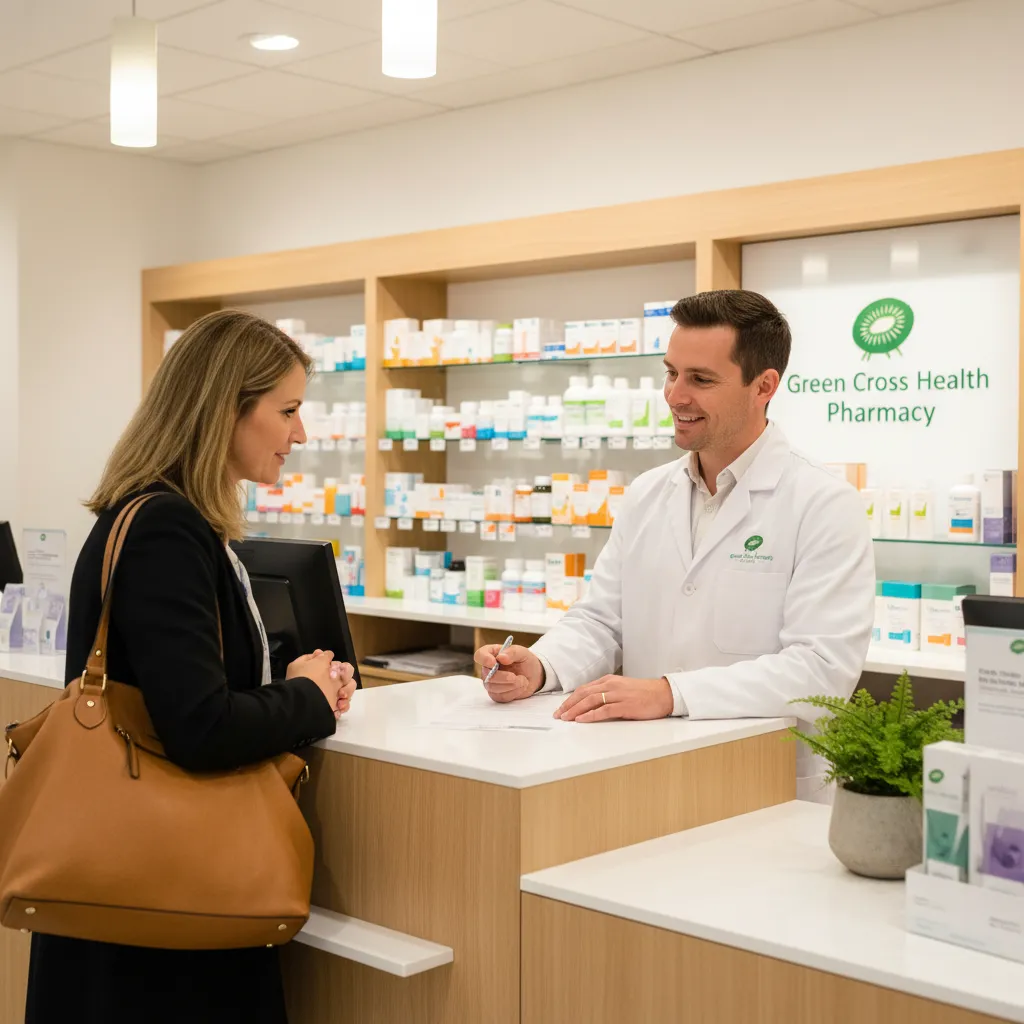
Eligibility Criteria for Funding
Not everyone who avoids gluten is eligible for the Pharmac subsidy. The funding is strictly reserved for those with a medical necessity. Lifestyle dieters or those with non-coeliac gluten sensitivity (NCGS) generally do not qualify under the current Pharmac schedule rules.
Who Qualifies?
To access the subsidy, you must meet specific clinical criteria defined by the Special Authority (SA) forms. Generally, eligibility is restricted to:
- Confirmed Coeliac Disease: This usually requires a positive serology (blood test) followed by a confirmed duodenal biopsy showing villous atrophy. In some pediatric cases, high antibody levels might bypass the biopsy requirement under strict specialist guidelines.
- Dermatitis Herpetiformis: This is the skin manifestation of Coeliac Disease, diagnosed via a skin biopsy.
Exclusions
It is important to note that a self-diagnosis or a diagnosis based solely on symptom relief after removing gluten is typically insufficient for Pharmac funding. The system requires a formal medical diagnosis entered into the health system to generate the Special Authority approval.
How to Get a Special Authority Number
Accessing the subsidy is not as simple as walking into a pharmacy and asking for gluten-free flour. You must go through a formal application process to obtain a Special Authority (SA) number. This number links your National Health Index (NHI) to the funding allowance.
Step 1: The Medical Diagnosis
If you suspect you have Coeliac Disease, you must see your General Practitioner (GP). They will order the initial blood screening. If positive, you will likely be referred to a gastroenterologist for a biopsy. Do not stop eating gluten before these tests, or you risk a false negative result, which would disqualify you from the subsidy.
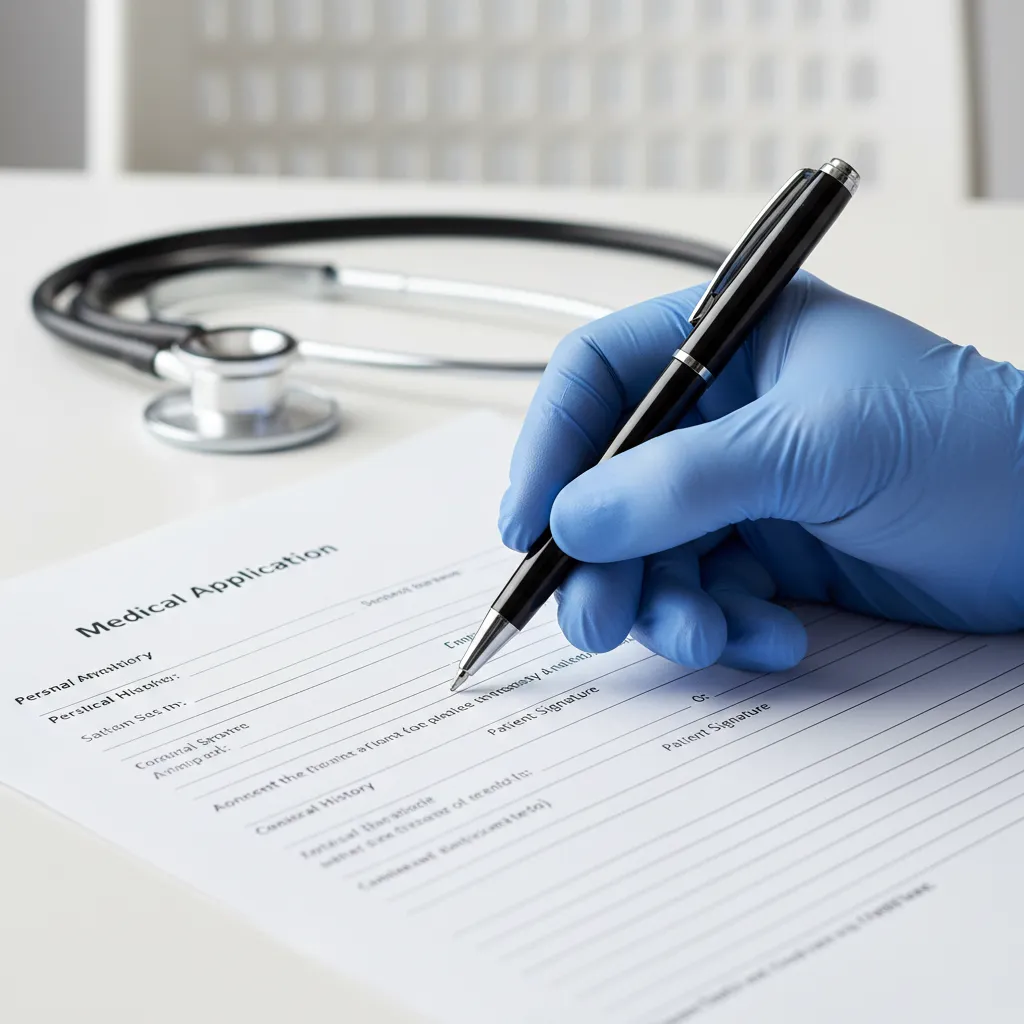
Step 2: The Application (SA188 Form)
Once the diagnosis is confirmed, your doctor (either your GP or the Specialist) must apply for the Special Authority. This is often done electronically now, but it relates to the SA188 criteria.
The approval is usually valid for two years initially. After this period, it must be renewed. However, since Coeliac Disease is a lifelong condition, the renewal is generally a formality handled by your GP to confirm you still require the support.
Step 3: Receiving Your Number
Once approved, your doctor will receive a notification. You do not necessarily need to memorize the number, as it will be loaded against your NHI in the national system. Your doctor will then write a prescription for the gluten-free products, which you take to your chosen pharmacy.
What Products are Funded?
The range of products funded by Pharmac changes occasionally based on supplier contracts and availability. However, the core purpose is to provide the raw ingredients for carbohydrates, rather than luxury items. You will not find gluten-free cookies, cakes, or ready-made sandwiches on the list.
Categories of Funded Items
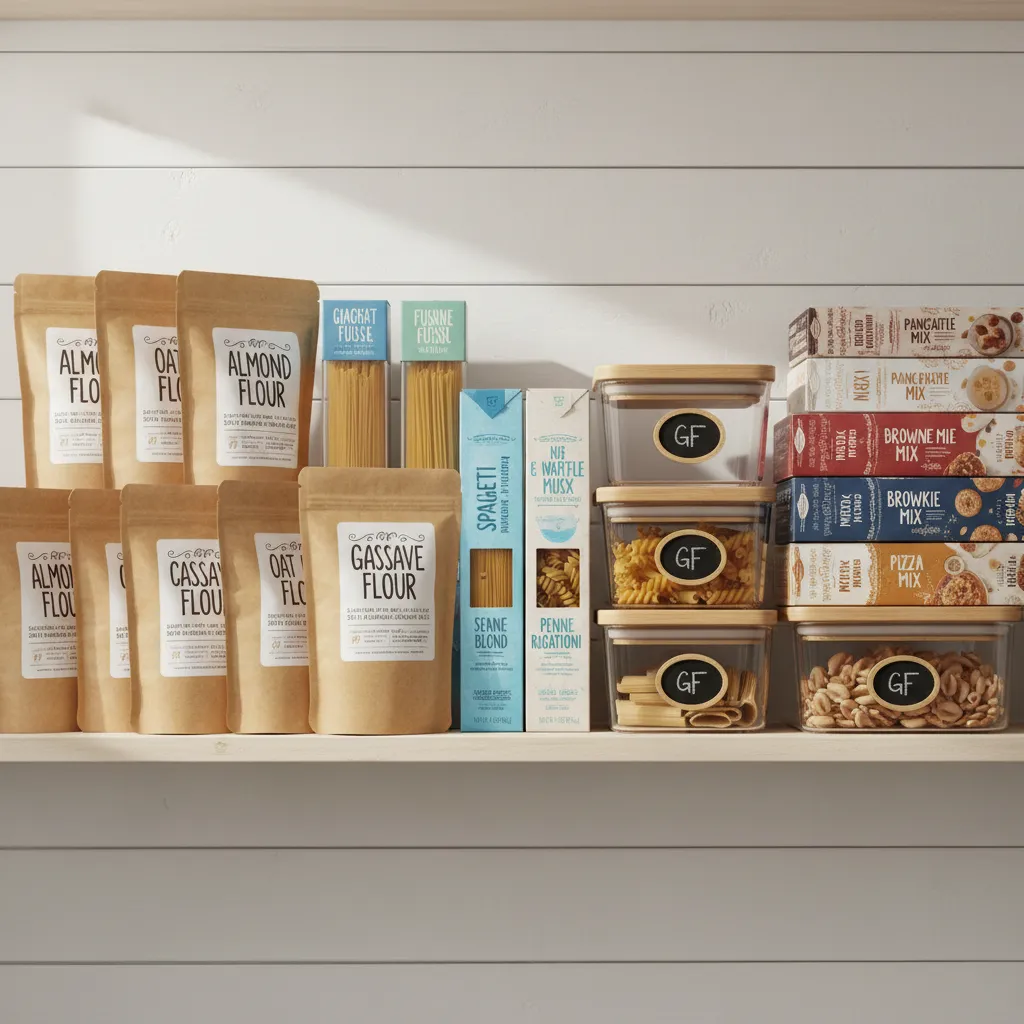
The products are generally categorized into flours, baking mixes, and pasta. Each item has a “unit” value, and adults are typically allocated a specific number of units per month (often around 70 units, though this varies by District Health Board policies and age).
- Baking Mixes: These are versatile bases for making bread, pizza dough, and cakes. Common brands funded in the past have included Bakels and Healtheries. These are high-value items for patients because they contain the necessary gums (like guar or xanthan) to make baking successful.
- Flours: Pure flours are essential for scratch baking. The list usually includes Rice Flour, Cornflour (Maize Starch), and sometimes Soy Flour.
- Pasta: This is a staple for many families. Funded shapes typically include Penne, Spirals (Fusilli), and Spaghetti. The pasta is usually made from maize, rice, or a blend.
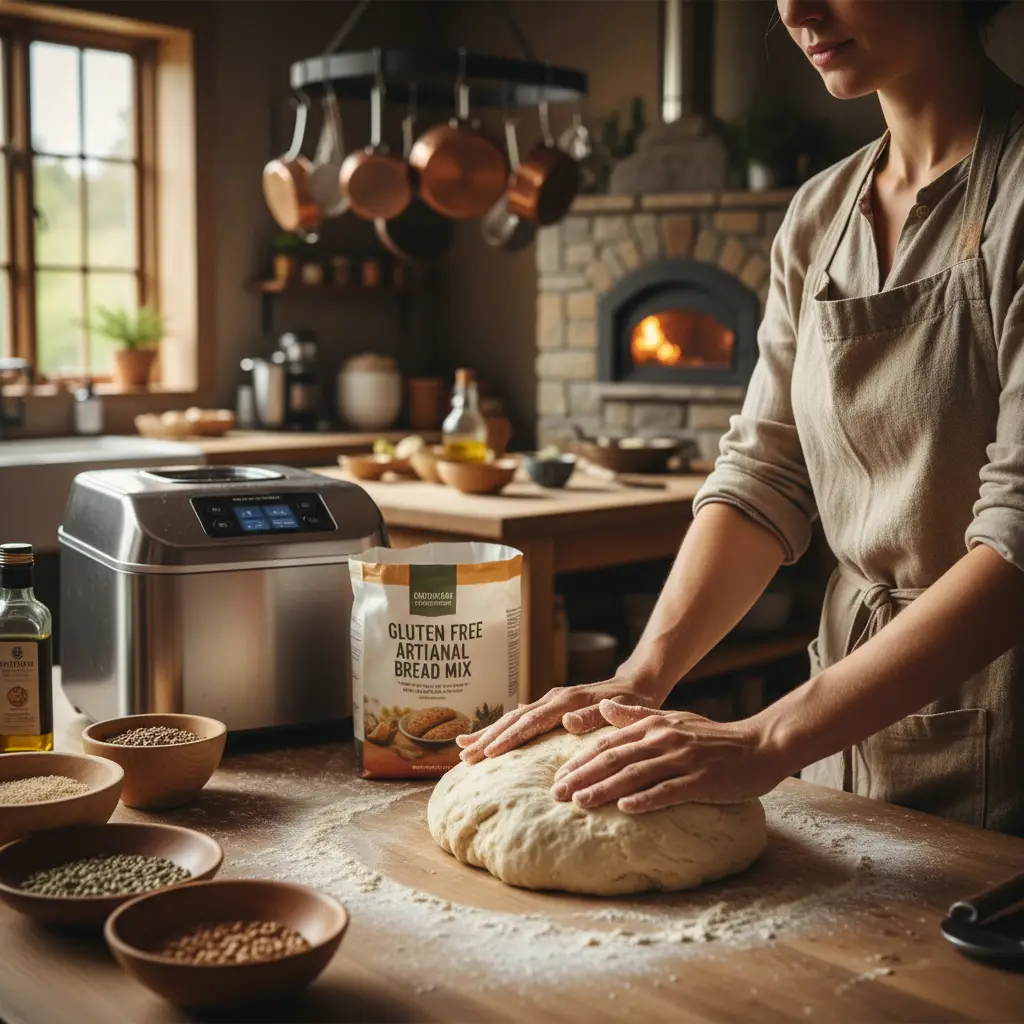
- Bread Mixes: Note that ready-made loaves of bread are generally not funded. Instead, you are provided with bread mixes that require a bread maker or oven baking. This keeps the cost to the taxpayer lower and allows for bulk storage.
Ordering from Your Pharmacy
Unlike regular medication, pharmacies do not keep bulk sacks of gluten-free flour on their shelves. The logistics of the Pharmac gluten free subsidy require a proactive approach from the patient.
Setting Up with a Pharmacy
It is highly recommended to stick to one pharmacy for your gluten-free orders. This allows the pharmacy to anticipate your needs and manage their stock levels. When you first present your prescription, discuss your preferences with the pharmacist. They can provide you with a list of the specific brands and product codes currently available.
The Monthly Routine
- Place Your Order: Contact your pharmacy a few days before you need your supplies. Many Coeliacs email their order to the pharmacy once a month.
- Wait for Delivery: The pharmacy orders the goods from a wholesaler. This typically takes 1-3 business days.
- Collection: You will pick up a large box or heavy bags. Be prepared—a month’s supply of flour and pasta is heavy!
Costs and Fees
While the products themselves are subsidized, you may still pay a prescription co-payment. In New Zealand, prescription charges have fluctuated based on government policy (e.g., the $5 fee removal and reinstatement debates). However, for many Community Services Card holders or those with high health needs, the cost is negligible compared to the supermarket price.
Making the Most of Your Allowance
Because you are allocated a set number of units, strategic ordering is key to maintaining a varied diet without overspending at the supermarket.
Understanding Unit Allocation
Different products consume different amounts of your monthly unit allocation. For example, a specialized baking mix might use more units than a standard bag of rice flour. Ask your pharmacist for a breakdown of the unit cost per item. If you bake your own bread daily, prioritize the bread mixes. If you prefer cooking stir-frys and curries, prioritize the pasta and rice flour.
Storage and Handling
Gluten-free flours, particularly those with higher fat content like soy or certain blends, can go rancid faster than wheat flour.
- Freezing: If you order a large batch of flour, store the excess in the freezer to prolong shelf life.
- Airtight Containers: Transfer mixes from paper bags to airtight plastic or glass containers immediately to prevent weevils and moisture absorption.
Trial and Error
Before ordering five kilograms of a specific bread mix, ask if you can order just one unit to try it. Gluten-free products vary wildly in texture and taste. Finding a mix that you enjoy working with is crucial to sticking to the diet long-term.
Frequently Asked Questions
Is ready-made gluten free bread funded by Pharmac?
Generally, no. Pharmac focuses on funding the raw ingredients (bread mixes and flours) rather than perishable, ready-made loaves. This allows for longer storage and lower costs. You will need to bake the bread yourself using a bread maker or oven.
Can I get the subsidy if I am gluten intolerant but not Coeliac?
No. The current Pharmac criteria strictly require a diagnosis of Coeliac Disease or Dermatitis Herpetiformis. Non-coeliac gluten sensitivity (NCGS) is not currently covered for funding.
Do children get a different allowance than adults?
Allocations can vary. Often, children are eligible for the same range of products, but the unit limits might differ depending on the District Health Board guidelines. Pediatric dietitians often assist in setting up the appropriate volume for growing children.
How much does the Pharmac gluten free subsidy cost the patient?
The cost to the patient is typically limited to the standard prescription co-payment fee, if applicable. If you have a Community Services Card or have reached your prescription subsidy card safety net, the items may be free of charge.
Can I change the products I order every month?
Yes. As long as the items are on the approved Pharmac list and you stay within your monthly unit limit, you can mix and match products. You might order more pasta one month and more flour the next.
What happens if I move to a different city in New Zealand?
Your Special Authority number is national, linked to your NHI. However, you will need to find a new local pharmacy and likely get a new prescription from a local GP to hand to that pharmacy to initiate the supply chain in your new location.